A holiday defined by steel, river, and silence. Evaluate the infrastructure of Linden, Guyana, where the bauxite legacy dictates the pace of life.
Linden offers a different kind of travel experience, focused on industrial heritage rather than leisure. This is Linden, Guyana. The town is a functional entity, built on bauxite, anchored by the Demerara River, and measured in efficiency. To visit Linden is to inspect the machinery of a nation’s resource extraction. The air here tastes of wet earth and distant diesel. The light is flat, filtered through the heavy humidity of the interior. You come here to see how the ground moves.
The Industrial Audit
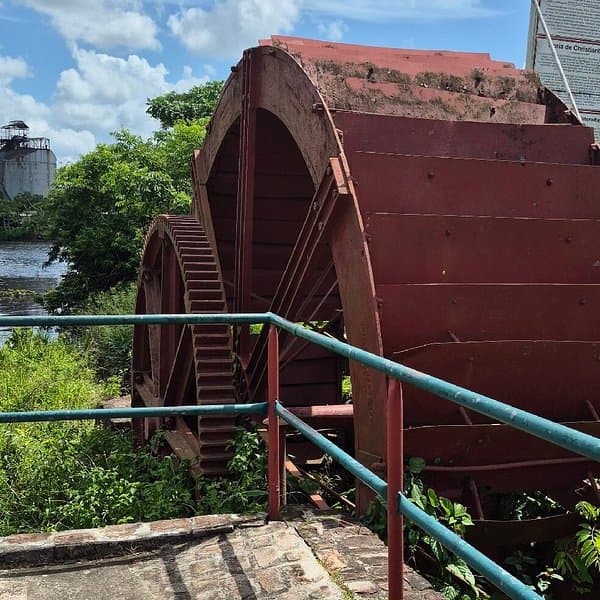
Linden’s skyline is dominated by processing plants and the skeletal remains of its mining infrastructure. The primary landmark is the Christiansburg Waterwheel. It is a relic of early 20th-century mining operations, a massive wooden structure that once powered the pumps keeping the mines dry. It sits near the edge of town, a stark contrast to the surrounding vegetation. The wood is weathered, gray, and solid. It demands respect for its utility.
Nearby, the terrain rises toward the area historically associated with the Wismar Railway Station. The station was used to transport bauxite, and while the infrastructure has evolved, the landscape retains the memory of this logistical network. From the higher ground, you can see the layout of the town: the grid of streets, the processing facilities, and the river. The view is geometric. It reveals the logic of the place. The bauxite freight line, which runs from the mines at Ituni to Linden, cuts through the landscape. It is still active, carrying ore to the processing plants. The sound of the trains is low, a rumble that vibrates through the soles of your shoes. It is the heartbeat of Linden.
Crossing the Water
The Demerara River is the artery of Guyana, and Linden is one of its key nodes. The river is wide, slow-moving, and opaque. It carries the silt of the interior and the weight of industry. Crossing it is a ritual. The Linden-Wismar Bridge is the primary link, a strategic structure located at the southern side of Linden, close to the bauxite processing plant. It is a modern bridge, engineered for weight and durability. It offers a direct, efficient passage.
From the bridge, you can see the river traffic. Barges move slowly, laden with ore. The water is brown, thick with sediment. The smell of the river is distinct: a mix of algae, mud, and industrial activity. It is honest. It tells you what this place is. If you have time, a boat trip along the river offers a different perspective. The water is calm, the banks are dense with jungle. You will see the scars of mining on the hillsides, the raw earth exposed. It is a stark reminder of the cost of progress.
Transport Realities
Getting to Linden is an exercise in patience. The primary mode of transport from Georgetown is the privately owned minibus. These vehicles are ubiquitous in Guyana, often old, often overcrowded, and always running on a schedule that exists only in the driver’s head. The journey takes several hours. The road is long, winding, and in some sections, poorly maintained. User reports describe the drive as potentially dangerous, citing potholes and erratic driving. You must be vigilant. Do not expect comfort. Expect to sit for hours, watching the jungle blur past the window.
There is no public passenger railway line serving Linden currently. The rail infrastructure is historical or freight-only. The Demerara Bauxite Company narrow-gauge lines, operational since the 1920s, were used to transport ore from the mines to the river loading points. They are not a viable option for tourists. Do not plan your itinerary around rail travel. Stick to the road. Book your minibus in advance if possible, though last-minute arrangements are often made at the terminal. Bring cash. Bring patience. Bring a neck pillow.
Sustenance and Stay
Local food in Linden consists of standard Guyanese staples. You will eat curries, rotis, chow mein, and garlic pork. These dishes are found throughout the country. The quality varies. The portions are large. The prices are low. Do not expect fine dining. Expect hot, heavy food that provides necessary energy.
Accommodation options are limited. There are no luxury resorts. You will stay in local guesthouses or small hotels. The standards are basic. Clean sheets, a working fan, and a lock on the door constitute the checklist. Do not expect room service. Do expect a quiet night. The town is small, the population is modest, and the nightlife is non-existent. This is a place for sleep, not for partying. Book your accommodation before you arrive. Space is limited, and the locals prioritize their own needs.
Timing and Audience
The best time to visit Linden is during the dry seasons. Specifically, mid-September to mid-November and February to April. These windows offer favorable weather for outdoor activities. The rain is less frequent, the roads are more passable, and the humidity is slightly lower. Summer, in the Northern Hemisphere sense, is not the ideal time. The rain can be heavy, the roads can be impassable, and the mosquitoes are relentless. Plan accordingly.
There are no major holidays in the next six months on record. This is an advantage. The town will not be crowded. The prices will not be inflated. The experience will be authentic. The traveler who appreciates industrial history, who is comfortable with basic amenities, and who does not mind the heat and humidity will find value here. It is for the solo traveler, the researcher, the photographer. It is not for the family seeking a beach holiday. It is not for the luxury seeker. It is for the observer.
Practical FAQ
Is it safe to travel to Linden? Generally, yes. The town is small and the people are reserved. However, the road from Georgetown can be dangerous due to poor conditions and driving standards. Exercise caution. Do not travel at night. Keep your valuables hidden.
What currency is used? The Guyanese dollar (GYD) is the local currency. US dollars are often accepted, especially for larger transactions, but change may be given in local currency. Bring small bills. ATMs are available in Georgetown, but may be unreliable in Linden.
Do I need a visa? Check the entry requirements for Guyana based on your nationality. Many countries require a visa. Apply in advance. Do not assume you can get one on arrival. The bureaucracy is slow, and the process is not tourist-friendly.