Swap city chaos for mangroves and white sand. Find practical tips for family stays in Iriona, Honduras, without the resort markup.
The last paved road ends somewhere between the coffee farms and the coastline, leaving you to navigate the final stretch on a bumpy dirt track. It is here, in the small municipality of Iriona in Honduras’ Colón Department, that the noise of the modern world finally fades into the sound of waves against a shore. Most travelers bypass this spot because they are chasing the larger towns of La Ceiba or Puerto Lempira, but for families seeking genuine space, Iriona offers a different proposition. You are skipping the resort package with a scheduled activity for every hour of the day. Instead, you are renting a quiet room near the water, where the primary entertainment is watching the tides change and the children run until their legs give out. This is a place for low-stakes travel, where the biggest logistical challenge is finding a decent signal to send a photo home.
Where to Stay
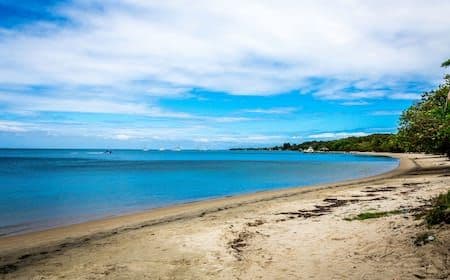
There are no large hotel chains operating in Iriona. The accommodation landscape consists primarily of guesthouses, eco-lodges, and private rentals scattered along the coastal strip and slightly inland toward the river deltas. Because specific property names and current rates fluctuate and are often managed locally rather than through global booking platforms, you will typically negotiate directly or through local intermediaries. Expect price bands that reflect a rural economy rather than a tourist hub. A basic double room in a local guesthouse might range from $30 to $60 per night, while a more secluded villa or eco-cabin could push toward $80 to $120.
When scouting for a place to sleep, look for properties that offer outdoor space. In Iriona, the "room" is often just the base; the real living happens on the porch or the lawn. Check for screened doors or windows, as the Caribbean humidity invites insects that have little respect for children's sleep schedules. Many of these accommodations are family-run, meaning breakfast is often included and flexible. If you are traveling with younger kids, ask specifically about fresh water availability and power stability. While solar setups are common, they can be inconsistent during cloudy spells. Do not rely on the town center for amenities; choose a lodging spot that has its own supply chain or is within a short drive of a shop that stocks basics.
The Landscape for Little Explorers
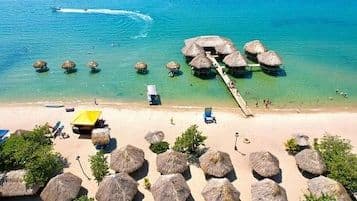
The geography around Iriona is its greatest asset. The area sits within the influence of the Río Plátano Biosphere Reserve ecosystem, characterized by dense vegetation and complex waterways. For children, this means endless opportunities for low-intensity exploration. The white sandy beaches nearby are shallow enough for wading, offering a safe environment for splashing around without the deep-water risks of open ocean swimming. The water is often described as crystal-clear, making it ideal for spotting small fish and marine life from the shore.
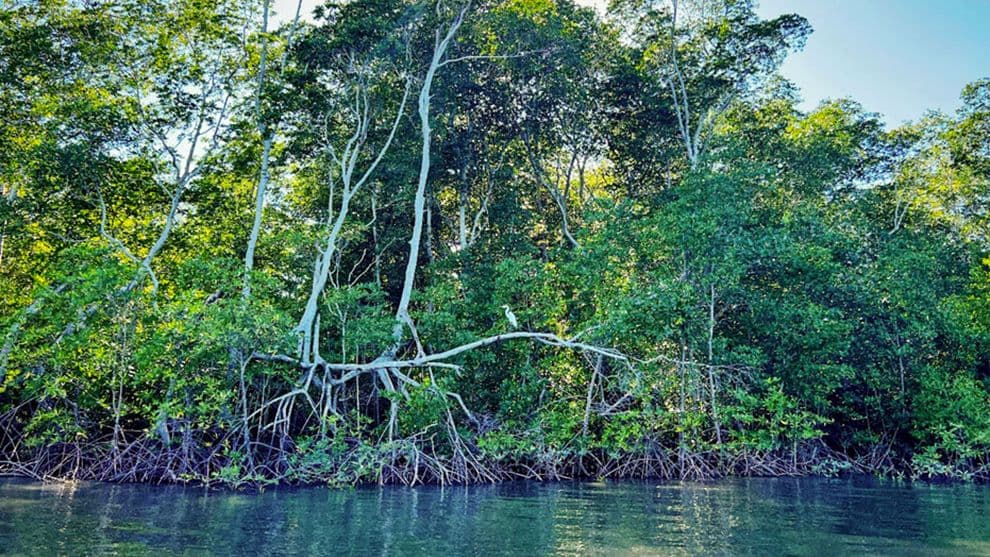
A key feature of the local terrain is the presence of mangroves and river delta ecosystems. These areas are wildlife-rich and provide a unique, muddy-foot adventure that is difficult to replicate in urban parks. While you should not wander deep into the reserve without a guide, the edges of these wetlands near the town offer excellent birdwatching and nature spotting. The air here is thick with moisture and the scent of salt and green growth. It is a sensory experience that tends to captivate children more effectively than any museum exhibit. Keep in mind that the terrain can be uneven. Pack sturdy, closed-toe shoes for any walking beyond the sand, as thorns and hidden roots are part of the landscape’s character.
Getting There & Practical Logistics
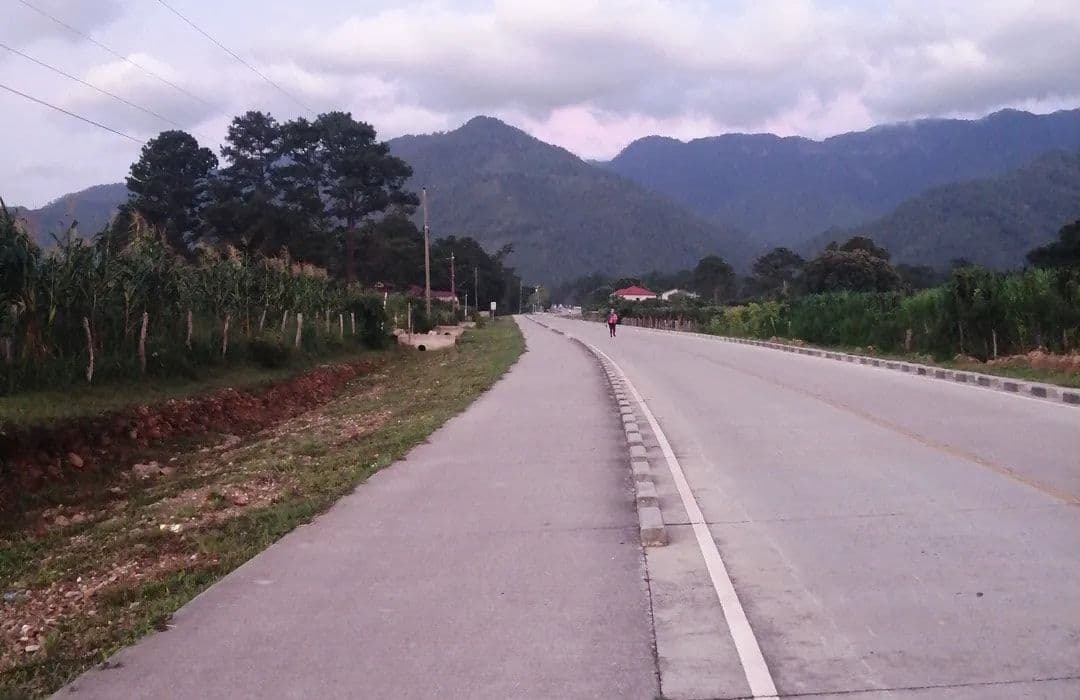
Reaching Iriona requires a bit of planning. There is no confirmed commercial airport serving the town directly. The nearest major air gateway is Golosón International Airport in La Ceiba. From La Ceiba, the journey to Iriona involves a transfer by road. Distances in this region can be deceptive due to road conditions, so allow for a generous travel buffer. You can hire a driver for the day, which is often more comfortable and flexible than relying on shared buses, especially if you are traveling with luggage and children. The drive itself is part of the experience, winding through the Colón Department’s lush hills and past communities that live close to the land.
Healthcare is a critical consideration for family travelers. Medical facilities in Iriona are basic and limited. For comprehensive care, you would need to travel to La Ceiba or further north to San Pedro Sula. This means you must be self-sufficient for minor ailments. Pack a well-stocked first aid kit, including medications for motion sickness, stomach upsets, and insect bites. Ensure your travel insurance explicitly covers remote locations and potential evacuation costs. Do not assume that a pharmacy in Iriona will have the specific brand or dosage your child needs. Bring what you can from home.
Food & Local Rhythm
Specific restaurants catering to tourists in Iriona are scarce. Food is sourced locally, often from the immediate community or small shops. You will likely rely on simple Honduran staples. Dishes like tostones (fried plantain slices) and rice with beans are common across the country and provide reliable, kid-friendly nutrition. If your accommodation includes meals, they will likely be homemade, using fresh ingredients from the garden or local markets. The rhythm of life here is slower than in the capital. Meals may not arrive on a strict schedule, and the concept of "dinner" can be flexible. Embrace this pace. The food focuses on sustenance and flavor. Taste the difference between produce grown in the red earth of the Caribbean coast and anything you have imported back home. It is sweeter, denser, and more intense.
When to Go & Who It Is For
The best time to visit Iriona depends on your tolerance for rain. The Caribbean coast experiences a wet season, typically from May to November, which brings heavy downpours that can wash out roads and limit outdoor activities. The dry season, from December to April, offers more predictable weather for beach time and exploring the mangroves. However, this is also the peak tourist season for the wider region, so prices may be slightly higher and availability tighter.
Currently, with Independence Day approaching on September 15, 2026, expect increased domestic travel and potential surges in local pricing. If you are traveling in the coming weeks, book your accommodation well in advance and confirm road conditions daily. The Morazan Weekend in early October also sees a spike in visitors. For families, the dry winter months are ideal, but you must accept the heat. Summer and early autumn are hot and humid, requiring careful hydration and sun protection. This destination suits families who enjoy unstructured time, are comfortable with basic infrastructure, and want to disconnect from digital noise. It caters less to those who require constant connectivity or high-end amenities. It is a place to breathe.
Frequently Asked Questions
Is Iriona safe for families? Generally, yes, but standard precautions apply. Stick to well-traveled paths, avoid walking alone at night, and be aware of your surroundings. As with any remote area, inform someone of your itinerary and check in regularly.
Can I find English speakers in Iriona? Spanish is the primary language. While some staff at lodging may speak basic English, you should learn a few key phrases in Spanish for ordering food, asking for directions, and handling emergencies. A translation app on your phone is highly recommended.
What should I pack for the kids? Prioritize protection from the elements. This includes high-SPF sunscreen, insect repellent (DEET-based for effectiveness), lightweight breathable clothing, and sturdy sandals. Also, pack plenty of cash, as ATMs may be unavailable in the immediate vicinity of the town.