Navigating entry into San Cristóbal, Venezuela, requires checking current diplomatic requirements and understanding the specific logistics of the Simón Bolívar border crossing.
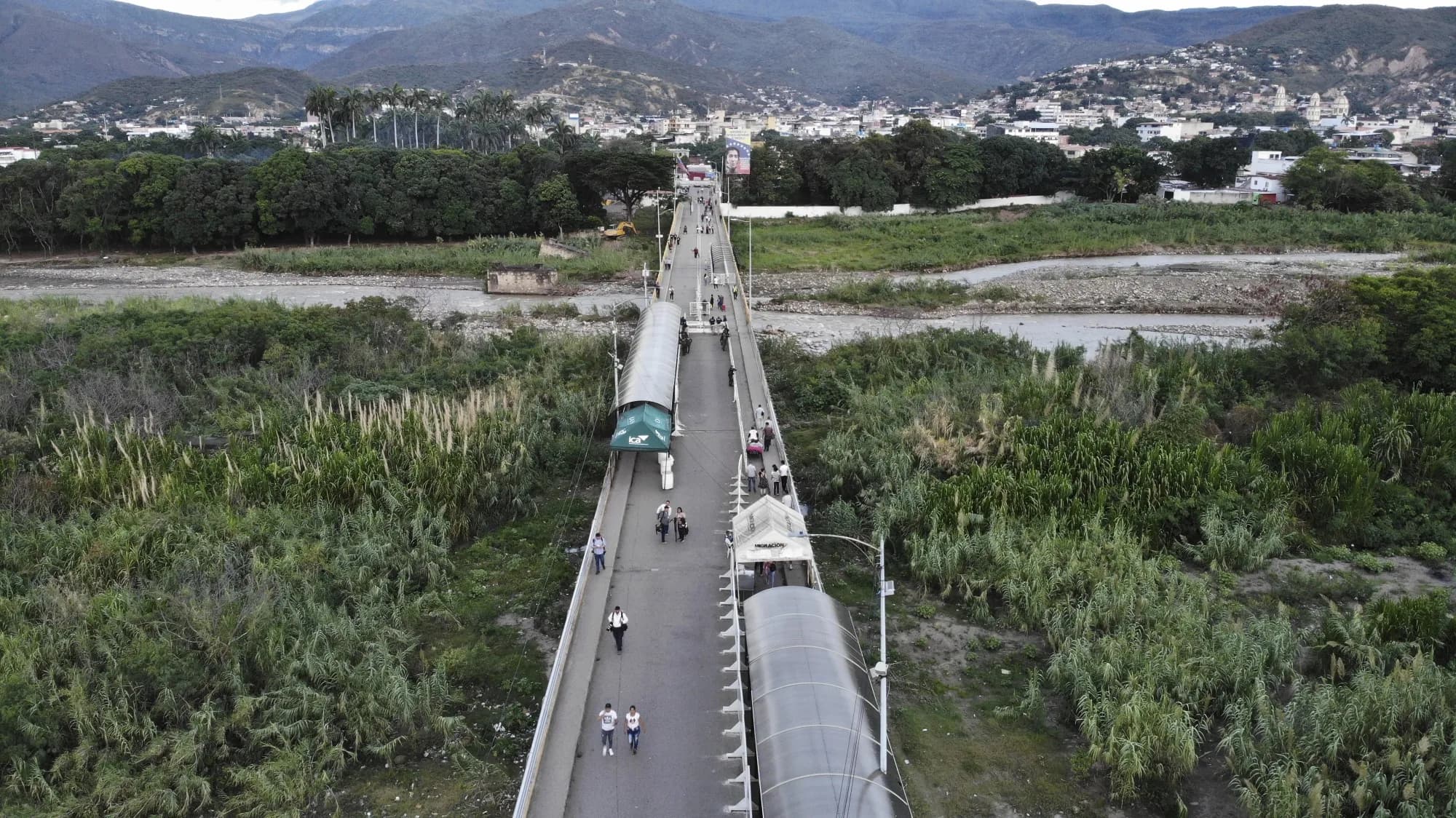
The Simón Bolívar International Bridge is the most heavily trafficked border crossing in the Western Hemisphere, connecting San Cristóbal, Táchira state, to Cúcuta, Colombia. For travelers approaching from the north, this 90-meter span over the Táchira River serves as the primary gateway to the Andean foothills of Venezuela. Getting through this checkpoint requires more than just a valid passport. It demands an understanding of current visa reciprocity rules, currency regulations, and the specific bureaucratic realities that define travel into this region in 2026.
The Visa Requirement
Venezuela’s visa policy is reciprocal. This means the rules for entry depend entirely on your nationality and what Venezuela requires from citizens of your home country. For many travelers from the European Union, the United States, Canada, and Australia, a visa is required for entry. This is a non-negotiable legal requirement. You cannot simply arrive at the border with a passport and expect to be admitted for tourism.
The process typically involves applying through a Venezuelan consulate in your home country or a neighboring country. The application usually requires a valid passport, a completed application form, a photograph, proof of accommodation in Venezuela, and proof of sufficient funds. Processing times can vary, so do not wait until you are at the airport or border. If you are from a country with a visa-exempt agreement with Venezuela, you may enter with just a passport valid for at least six months beyond your departure date. However, always verify the current status of these agreements with your nearest Venezuelan diplomatic mission before booking flights. The situation can change with political shifts, and relying on outdated travel forums is a risky strategy.
Crossing the Simón Bolívar Bridge
If you are driving or taking a bus from Cúcuta, the crossing at the Simón Bolívar Bridge is the standard route. The process involves two distinct phases: exiting Colombia and entering Venezuela. On the Colombian side, you will present your passport to Colombian immigration for exit stamping. This is usually straightforward, though queues can form during peak travel times.
Once you cross the bridge, you enter Venezuelan territory. Here, the process is more complex. You will need to present your passport, visa (if applicable), and a completed entry form. Venezuelan immigration officers will inspect your documents. It is crucial to have your visa paperwork in order. If you are driving, your vehicle will also be inspected. You will need proof of insurance valid in Venezuela. The bridge itself is a busy artery, and traffic can be heavy, especially on weekends and holidays. Plan for at least two to three hours for the entire crossing process, including document checks and potential waits.
Currency and Financial Logistics
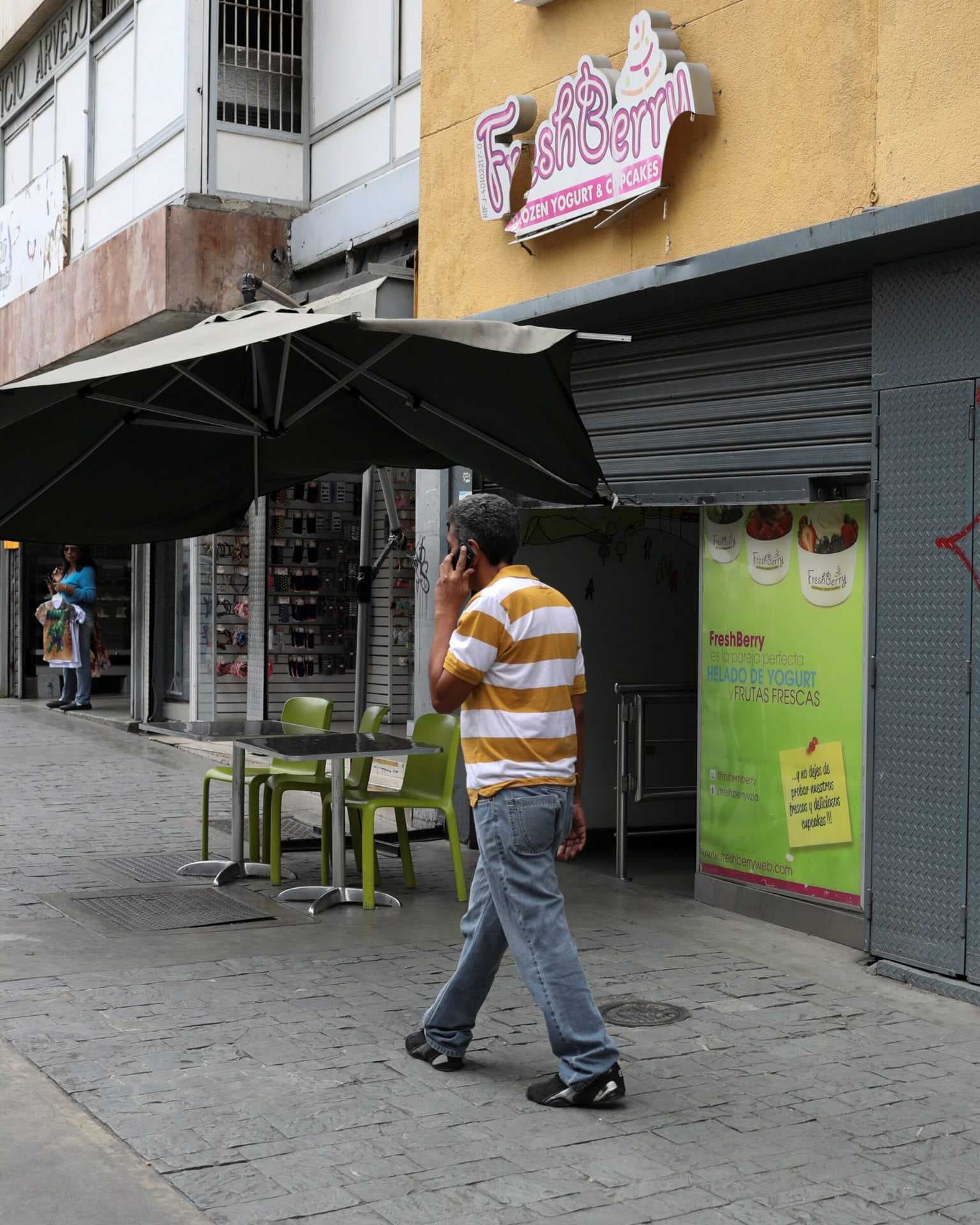
One of the most significant practical challenges in San Cristóbal is the dual-currency system. While the Venezuelan bolívar (VES) is the official currency, the US dollar is widely accepted in many transactions, particularly in tourist areas, hotels, and larger stores. However, you cannot simply use US dollar bills freely. The National Bank of Venezuela (BCV) sets a daily exchange rate, and businesses are required to use this rate for transactions.
In practice, many businesses in San Cristóbal will accept US dollars, but they will convert them to bolívars at the official rate, which is often lower than the parallel market rate. This means you may get less value for your money than if you exchanged at a private exchange house (casa de cambio). It is advisable to carry small denominations of US dollars (newer series bills are preferred) and some bolívars for smaller purchases. ATMs in San Cristóbal can be unreliable, and international cards may not always work. It is safer to exchange currency in Cúcuta before crossing, where rates are often more favorable, and then use those funds in San Cristóbal.
When to Go and Who It’s For
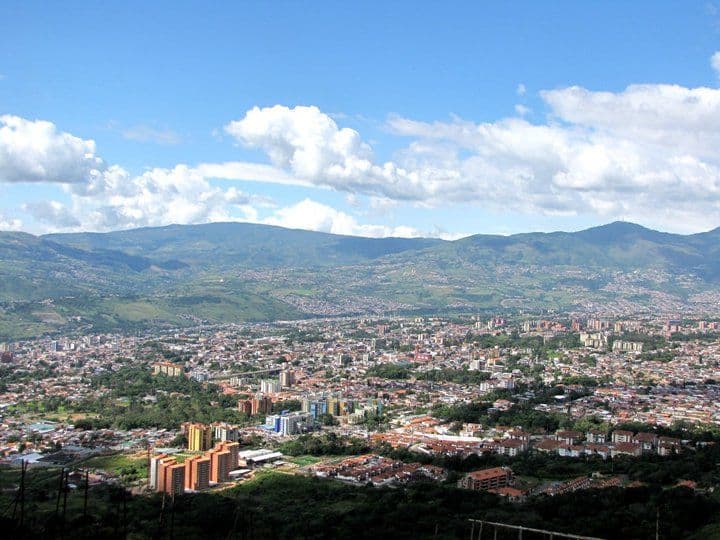
The best time to visit San Cristóbal is during the dry season, which runs from December to April. During these months, the weather is more predictable, and roads are in better condition, making travel easier. The rainy season, from May to November, can bring heavy downpours that may affect transportation and visibility. If you are planning a trip around the upcoming holidays, note that Christmas Eve (December 24, 2026) and Christmas Day (December 25, 2026) are major holidays in Venezuela. Expect higher demand for accommodation and potentially longer queues at the border. New Year’s Eve (December 31, 2026) and New Year’s Day (January 1, 2027) will also see increased traffic.
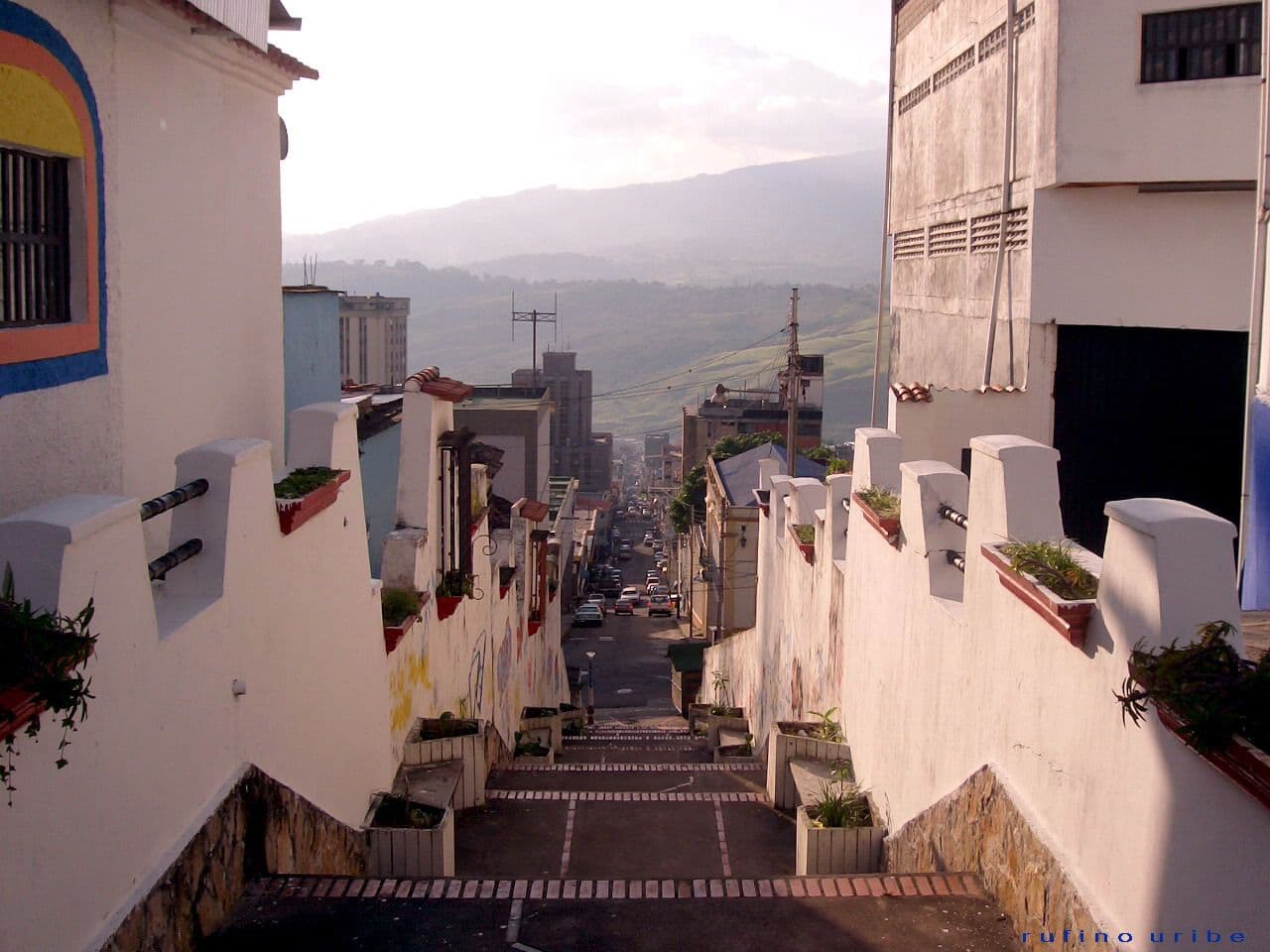
San Cristóbal is best suited for travelers who are comfortable with some logistical challenges and are interested in Andean culture, history, and the unique atmosphere of a border city. This destination appeals to road trippers, culture enthusiasts, and those willing to engage with the realities of travel in a complex region. The city offers a glimpse into the daily life of a community shaped by its border location, with a vibrant street life, local markets, and a rich culinary tradition.
Frequently Asked Questions
Do I need a visa to enter San Cristóbal, Venezuela? It depends on your nationality. Citizens of many countries, including the US, Canada, and most EU nations, require a visa. Always check with a Venezuelan consulate for the latest requirements.
Can I use US dollars in San Cristóbal? Yes, US dollars are widely accepted, but transactions are often converted to bolívars at the official exchange rate. It is advisable to carry small denominations and some local currency.
How long does it take to cross the Simón Bolívar Bridge? The crossing process can take two to three hours, depending on traffic and document checks. Plan for this delay, especially during peak travel times and holidays.