Navigating family logistics in Kisangani requires precision. Secure reliable accommodation, manage river-side humidity, and audit local infrastructure before you book.
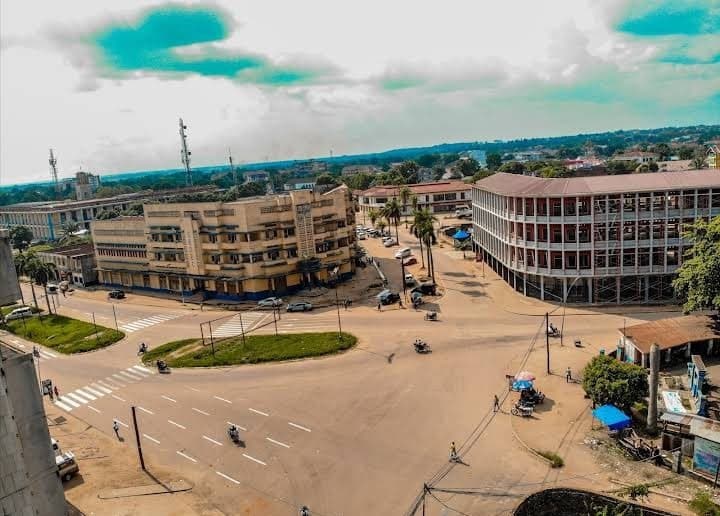
Kisangani is a logistical node on the Congo River, where the equatorial heat presses against the city with physical weight. For the business traveler, the city offers connectivity. For the family, it presents a unique set of logistical challenges. The infrastructure here is functional but unpolished. Power fluctuations occur. Water pressure varies. The air carries the scent of wet earth and diesel. Travelers visit for necessity or for the specific experience of witnessing a place that operates without the polish of Western tourism.
If you are bringing children, the stakes are higher. Their tolerance for discomfort is lower. Their need for routine is higher. Your job is not to find "fun." Your job is to establish a perimeter of safety and comfort within a dynamic environment. This requires a cold, hard look at what is available. There are no five-star chains here. There are no international kids' clubs. There is only what exists, and how well it functions.
The Reality of Accommodation
The hotel landscape in Kisangani is sparse. The options are limited to a handful of establishments that cater primarily to expatriates, aid workers, and government officials. For a family, the criteria for selection are strict. You need secure perimeter fencing. You need backup generators that function reliably. You need clean, consistent water. You need a staff that understands the difference between a tourist and a resident.
Most accommodations in the city center offer basic rooms with air conditioning. The AC is vital. Without it, the humidity makes sleep difficult. The walls are thin. Sound travels. If you have young children, request a room away from the street. The traffic noise is constant, and the horns are loud.
Price bands vary wildly based on the quality of the power supply and the security detail. Expect to pay significantly more than you would in Kinshasa or Lubumbashi for comparable standards. This is the cost of isolation. The supply chain for amenities is long. Imported goods are expensive. You are paying for the logistics, not just the bed.
Where to Stay
There are no named international chains in Kisangani. The market is fragmented. You will need to rely on local knowledge or the recommendations of colleagues currently on the ground. Look for properties that advertise "secure" or "expat-friendly." These terms describe operational realities rather than marketing concepts.
- City Center Properties: These are the most convenient for accessing the main market and administrative offices. They are often older buildings with colonial-era architecture. The charm is debatable. The functionality is questionable. Check the condition of the plumbing. Check the stability of the floorboards. If the windows do not lock securely, move on.
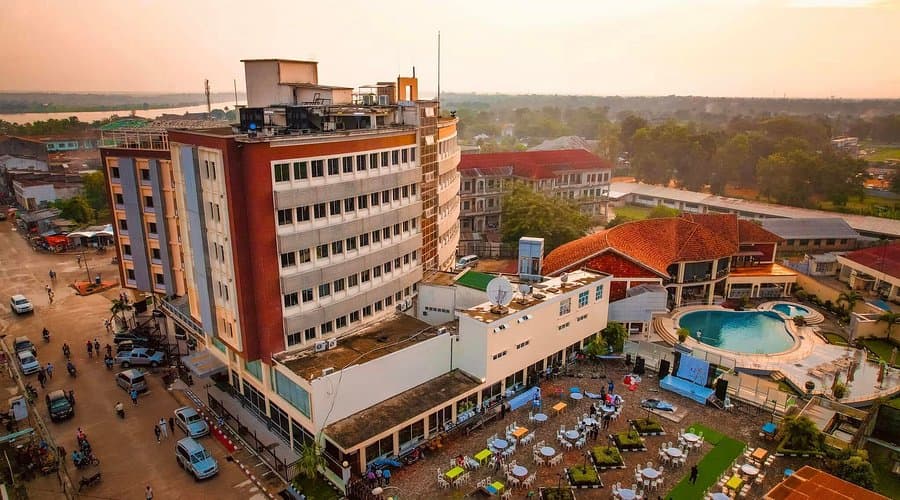
- Outskirts Resorts: Some properties are located further from the center, near the river or in the greener suburbs. These offer more space. They often have gardens. This is a significant advantage for children who need to move around without being confined to a room. The trade-off is transport. You will need a private driver. Public transport is crowded, unpredictable, and lacks safety protocols for families with young children.
- Aid Organization Housing: If you are traveling for work, check if your organization has access to corporate housing. This is often the best option. The standards are higher. The security is tighter. The community is established. Access to these facilities is restricted to affiliated personnel only.
Practical Logistics for Families
Planning a trip to Kisangani with children requires a level of preparation that exceeds normal travel. You cannot rely on improvisation.
Health: Malaria is endemic. Travelers are advised to consult a travel clinic at least six weeks before departure to discuss prophylaxis options for children. Pack a comprehensive medical kit. Include oral rehydration salts, antipyretics, and antihistamines. The local pharmacy may not stock the specific brands your children are accustomed to. It is generally recommended to bring your own supply.
Water: Tap water is not recommended for drinking. It is also advised against using it for brushing teeth. Buy bottled water. Check the seal before you drink. If you are staying in a property with a filtration system, verify its maintenance logs. If the logs are missing, assume the system is compromised.
Food: Stick to cooked foods. Avoid raw salads and unpeeled fruits. The risk of gastrointestinal illness is high. For children, this is a serious threat. Dehydration sets in quickly in this climate. Carry electrolyte packets.
Transport: Private drivers are essential. Negotiate a daily rate in advance. Shared taxis are often old, poorly maintained, and driven aggressively. Your children are not hardened travelers. They need a controlled environment.
Local Context and Etiquette
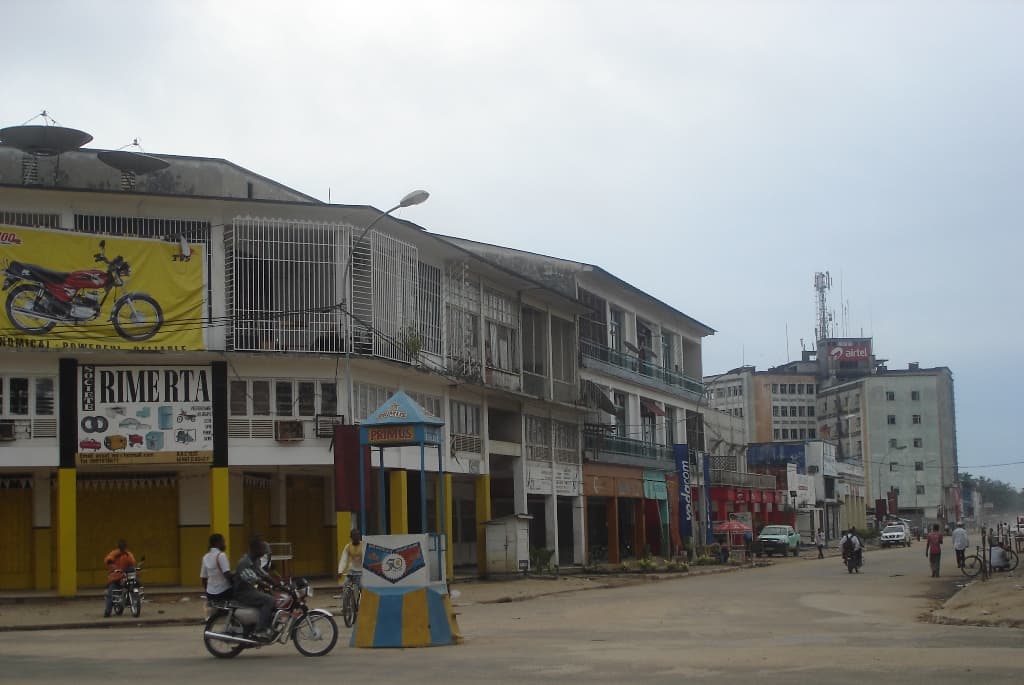
Kisangani is a city of contrasts. The economic diversity is visible in the architecture and the streets. When you walk through the city, be aware of your surroundings. Do not flash expensive electronics. Do not draw attention to your children. They are vulnerable.
The local language is French. English is spoken by the business community, but not universally. Learn basic French phrases. It shows respect. It opens doors. Children pick up languages quickly. Use this to your advantage. Encourage them to greet locals in French. It breaks the ice. It humanizes the interaction.
The pace of life is slow. Things take longer than they should. Bureaucracy is opaque. Patience is a requirement. If your child becomes frustrated, manage their expectations. Explain the reality. Do not promise quick fixes. Teach them resilience. This is a lesson they will not learn in a resort.
When to Go
The best time to visit Kisangani is during the dry season, from June to September. The humidity is lower. The roads are more passable. The risk of flooding is reduced. This is the window for travel.
There are no major holidays in the next six months that impact tourism. The city operates on a standard business calendar. Crowds are not an issue. The issue is availability. Book your accommodation well in advance. Do not assume you can find a room upon arrival. The best properties are often fully booked by expatriates and officials.
Who is this for? This is for those who need to be here. It is for families who value experience over comfort. It is for parents who want to show their children the reality of the world, not the curated version. If you are looking for relaxation, go elsewhere. If you are looking for a challenge, Kisangani delivers.
How long to stay? Three to five days is sufficient for most business purposes. Longer stays require more robust logistics. Ensure your accommodation can support extended occupancy. Check the laundry facilities. Check the food supply. Do not assume you can eat out every day. The options are limited.
FAQ
Is Kisangani safe for children? Safety is relative. The city has areas of high security and areas of higher risk. Stick to secure accommodations. Use private transport. Avoid walking at night. Monitor your children closely. Do not let them wander.
What is the visa situation? Visa requirements vary by nationality. It is generally recommended to apply in advance. The process can be slow. Visa-on-arrival is not guaranteed for all nationalities. Check with the nearest DRC embassy for the current requirements.
Is there internet access? Yes, but it is slow and unreliable. Fiber optic connections are expanding, but coverage is patchy. If you need to work online, choose a hotel with a dedicated fiber line. Verify this before you book. Do not assume Wi-Fi is sufficient.