Swap Riga’s crowds for Vidzeme’s quiet fields. Jumprava offers raw, unscripted outdoor activity 60km from the capital, accessible via hourly trains.
The Reality of "Adventure" Here
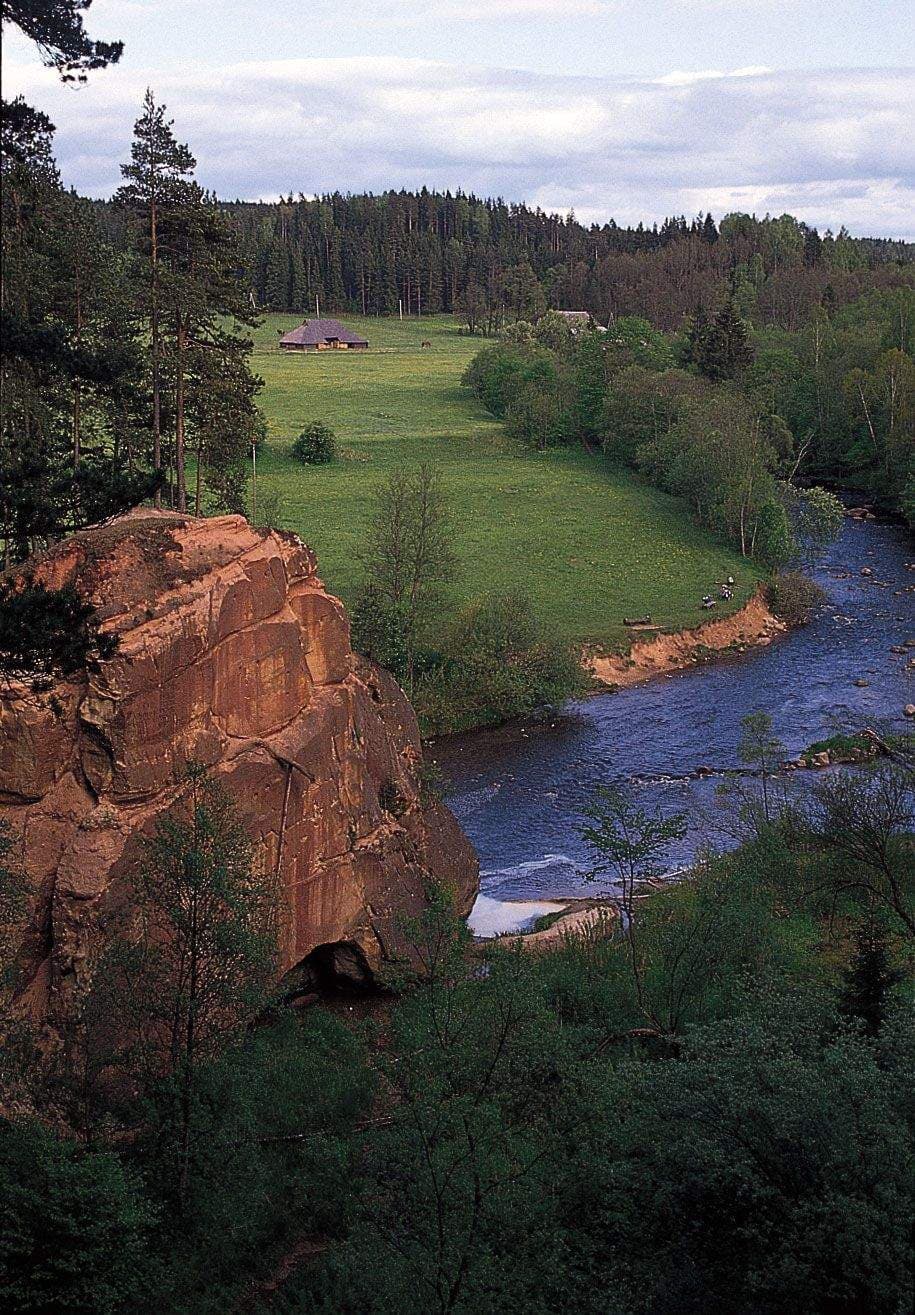
Let’s get one thing straight: Jumprava is a village. It is the administrative center of Jumpravas pagasts in Ogre Municipality, deep in the Vidzeme region. If you are looking for a structured, ticketed adrenaline park with a front desk and a locker room, you will be disappointed. But if you are a solo traveler who gets bored by "experiences" that feel like theme parks, Jumprava is your playground. The "adventure" here is the landscape itself. You are standing on land first mentioned in writing in 1259, when the Archbishop of Riga donated it to Cistercian nuns. That means the ground under your boots has been trampled, farmed, and traversed for nearly 800 years. The thrill isn’t a rope; it’s the solitude. You are 65km from Riga, yet it feels like a different planet. The air is colder, the light hits the fields at a different angle, and the silence is heavy enough to hear your own heartbeat. This destination suits the curious who want to see how Latvia actually looks when the tour buses don’t stop. It requires a tolerance for quiet and a willingness to let the environment do the work.
What You Actually Do
Since no specific adventure-sports facility—no climbing gym, no kayak rental dock, no guided hiking tour operator—was confirmed in local records, your adventure is self-directed. This is the honest truth: you bring your own gear and your own initiative.
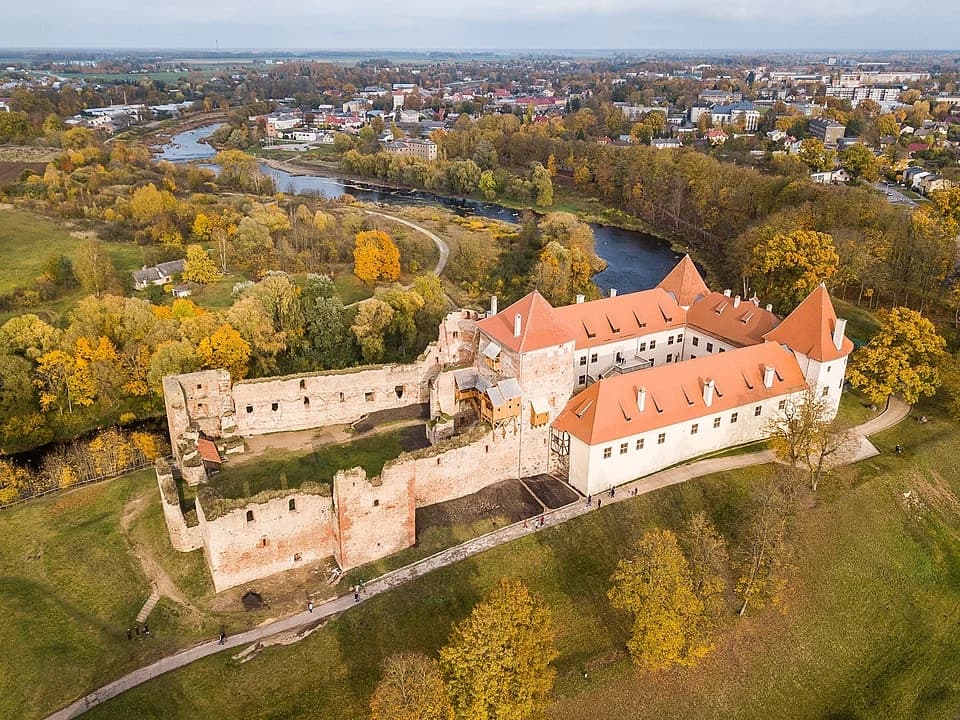
1. The Lielrutuļu Mounds The most tangible "site" here is the Lielrutuļu senkapi, a field of ancient burial mounds. These are mounds of earth and stone, lacking the plaque labels found at curated ruins. Walking among them is a visceral experience. You are literally walking on the burial grounds of early Baltic settlers. The sensory detail is the grass, the wind moving through the open field, and the historical weight. You don’t "visit" the mounds; you hike them. The terrain is uneven, the paths are informal, and the sense of discovery is real because nothing is curated for you.
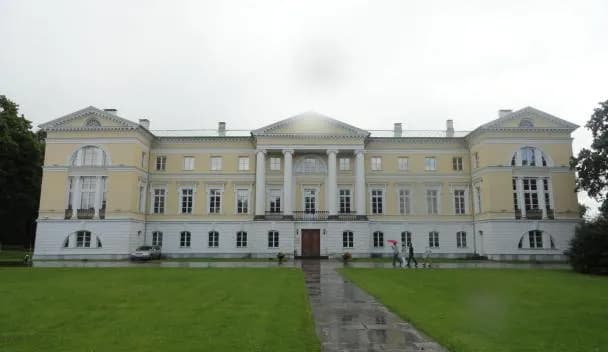
2. The Manor Grounds The parish formed around Jumpravas muiža, a historical manor complex. In German, it was known as Jungfernhof, derived from "Jungfer" (maid). The architecture is a stark contrast to the wild fields. Exploring the perimeter of such estates is a classic Baltic pastime. The manor itself may have restrictions on entry, but the surrounding grounds often offer quiet walking paths through old forests and managed parks. The sound here is different: birdsong, the creak of old wood, the rustle of autumn leaves. It is a low-stakes exploration that rewards observation over exertion.
3. The Rail Trail Mentality Jumprava is defined by its station. The railway line that serves it cuts through the heart of Vidzeme. While you likely won’t cycle directly on the tracks, the parallel roads and fields offer a linear route for hiking or cycling. The 60.5km stretch between Jumprava and Riga is a manageable day trip for a fit cyclist, but the local segments around the village are perfect for a 10km loop. The landscape is flat to gently rolling, typical of the lowlands. You are moving through a working agricultural region. Tractors, not tourists, are the main traffic. That is the adventure: immersion in the local rhythm, not the disruption of it.
Getting There: The Train is the Vibe
You do not need a car for Jumprava, and frankly, you shouldn’t bring one if you want to keep the trip low-friction. The connection is simple: take a train from Riga Central Station to Jumprava Station.
The operator is Pasažieru vilciens, often just called Vivi, the sole passenger train company in Latvia. The service is hourly. The journey time is approximately 1 hour and 3 minutes. The ticket costs between $3 and $5 (roughly €2.70–€4.50). That is cheaper than a coffee in Riga. The train is a regional commuter service, functioning as a practical link rather than a high-speed express. It is functional, often clean, and quiet. You will share the carriage with locals going to work or students heading to university in nearby towns. The window view is the real ticket: fields, forests, and small villages rolling by.
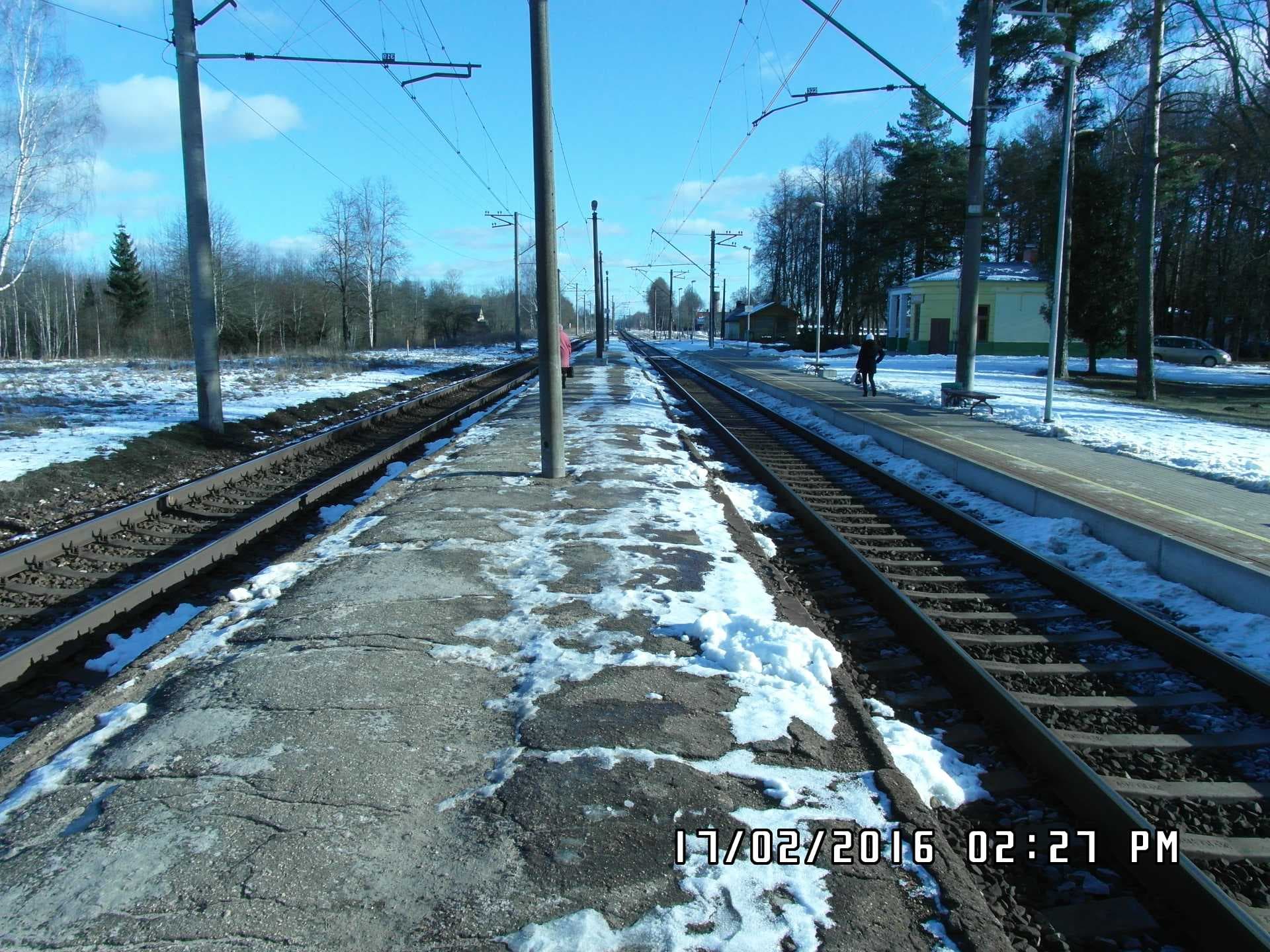
Once you arrive at Jumprava Station, you are in the center of the parish. The village is small enough that you can walk anywhere in the immediate vicinity in under 15 minutes. The station itself is a modest structure, a nod to the industrial history of the line. There is no grand terminal, no baggage claim. You step out, the air hits you, and you are in the middle of nowhere. This is the point. The friction of the train ride is part of the adventure. It forces a decompression. You leave the capital’s noise behind at the first tunnel, and by the time the train slows for Jumprava, your mind has already shifted gears.
Eating and Drinking
There is no "Jumprava Special" on the menu. No local dish was confirmed in search results. This is a village, functioning as a residential and agricultural hub rather than a culinary destination. Do not expect a fine-dining restaurant with a tasting menu. Your food strategy is simple: pack a lunch.
Buy bread, cheese, cold cuts, and fruit in Riga before you board the train. The train is long enough to warrant a proper meal. Eating on the train, looking out at the Vidzeme fields, is a far better experience than hunting for a sparse cafe in the village. If you are in the area for a longer stay, you will likely be based in Ogre or Riga and making day trips. Ogre, 35km away, is the municipal center and offers more dining options. But for the adventure itself, the food is the fuel, not the destination. Keep it simple. Latvian rye bread, smoked sausage, and a cold beer or a bottle of local water. The satisfaction comes from the activity, not the caviar.
There is a cultural note here: Latvians are not overly hospitable in the way some tourist hubs are. If you walk into a small shop or a private residence, be respectful. A simple "Sveiki" (Hello) and "Paldies" (Thank you) go a long way. Do not expect anyone to offer you a tour of the manor or the mounds. You are a guest in their village. Treat the space with the same respect you would give a library.
When to Go and Who This Is For
Autumn is the sweet spot. The light is lower, the colors in the forests are shifting, and the crowds are gone. The summer is busy with locals, but the autumn is for the travelers who seek quiet. The winter is harsh; the fields are frozen, and the mounds are buried in snow. It is beautiful, but it is a different kind of adventure—more about endurance than exploration.
The Holiday Factor Keep an eye on the calendar. The next major holiday is the Republic of Latvia Proclamation Day on November 18, 2026. This is a national day, functioning as a civic observance rather than a beach holiday. In a small village like Jumprava, the impact is minimal on crowds, but it may affect local shop hours or train frequency if there are special services. More importantly, the days leading up to it may see a slight uptick in regional travel as people return from Riga. If you are planning a trip in mid-November, book your train tickets early, even though the fare is low. The trains are not packed, but the principle applies.
Who is this for? This trip suits the solo traveler, the couple, or the small group of friends who are comfortable being on their own. It requires self-sufficiency. You need to know how to read a map (or use a phone offline). You need to be okay with silence. If you are looking for a "bucket list" item with a photo op, look elsewhere. If you are looking for a place to clear your head, to walk until your legs ache, and to feel the weight of history in the soil, Jumprava is it.
FAQ
Do I need a visa to visit Jumprava? Jumprava is in Latvia, a member of the Schengen Area. If you are from a Schengen country or the US/UK/Australia/Canada, you do not need a visa for short stays (under 90 days). Check your specific nationality's requirements for Latvia.
Is it safe to walk alone at night? Jumprava is a small village. Like any rural area, it is quiet and empty at night. While crime is low, the lack of infrastructure (lights, people) means you should be cautious. It is safer to stay in the village center or near the station if you are out late. The surrounding fields are best explored during daylight hours.
Can I cycle from Riga to Jumprava? Yes. The distance is about 61km by road. This is a challenging but doable day ride for an experienced cyclist. The route is not entirely flat; there are gentle hills. You will need to plan for food and water, as options along the direct route are limited. Most visitors choose the train for the return journey.