Mauren offers silence at 472 meters elevation. A base for the quiet rules of the Alpine foothills.
The bus from the border drops you at 472 meters. The air here does not demand attention. It simply exists, thin and cool, hanging below the southeastern face of the Eschnerberg mountain. Most travelers treat Mauren as a mistake, a stop they missed for Vaduz. This is an error of perception. Mauren serves those who wish to disappear into the geometry of the Alps. It is a holding space. You arrive, you observe the rules of the terrain, and you decide whether to stay or move. The choice is yours, but the mountain remains indifferent to your decision.
The Terrain as Rule
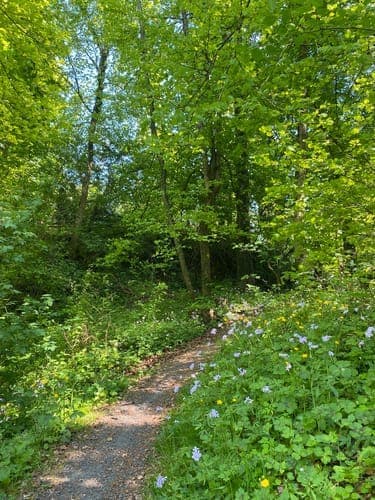
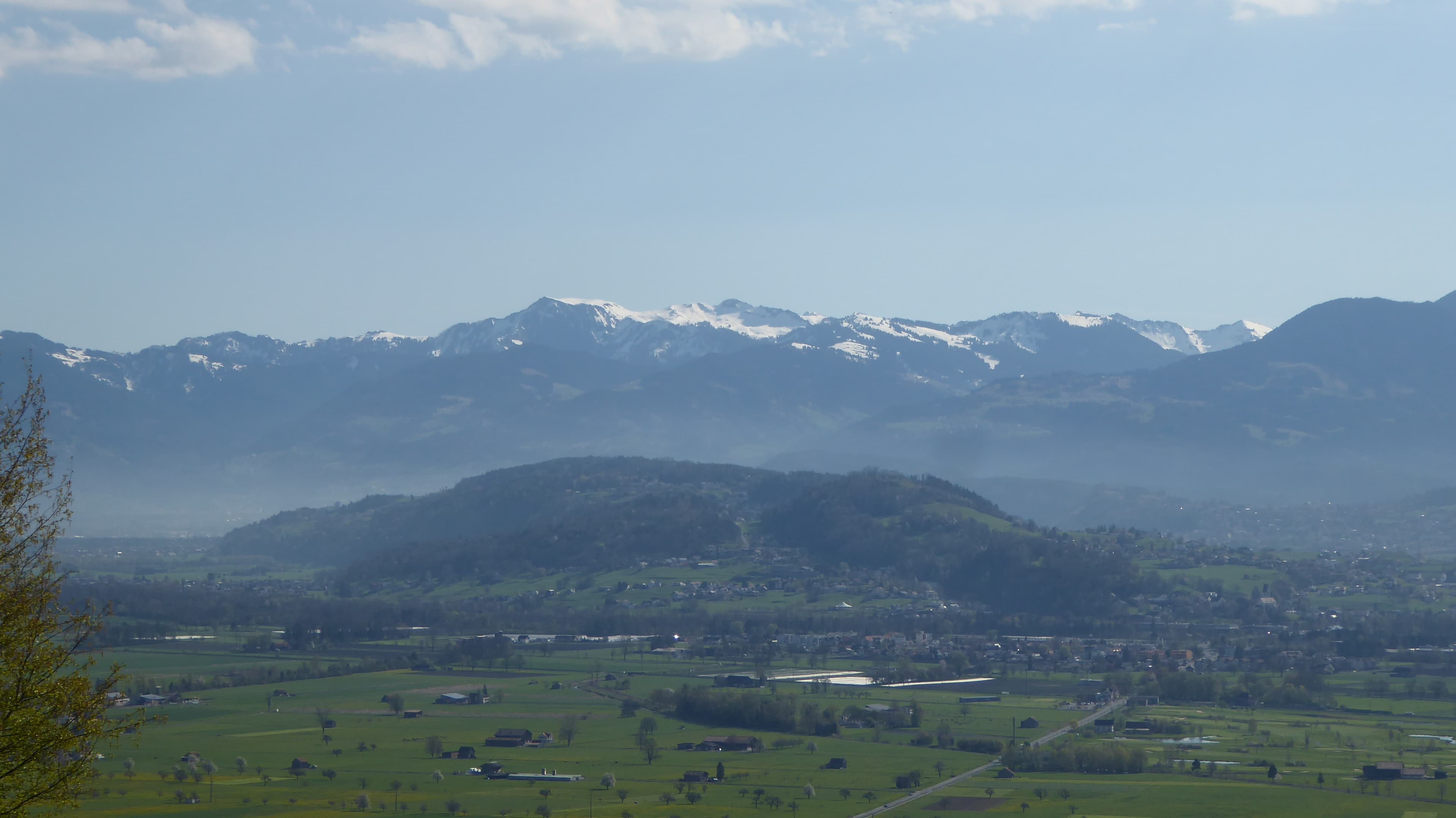
Mauren sits in the shadow of the Eschnerberg. This is not a metaphor. The mountain dominates the visual field, a gray and green monolith that dictates the light and the temperature. In summer, the foothills are covered in alpine flowers, small bursts of color that do not shout but persist. The elevation keeps the air sharp. You climb the Eschnerberg to understand the scale of your own insignificance. The trails are marked, the paths are clear, but the silence is heavy. It presses against the ears. This is the primary attraction. The absence of noise. The presence of stone.
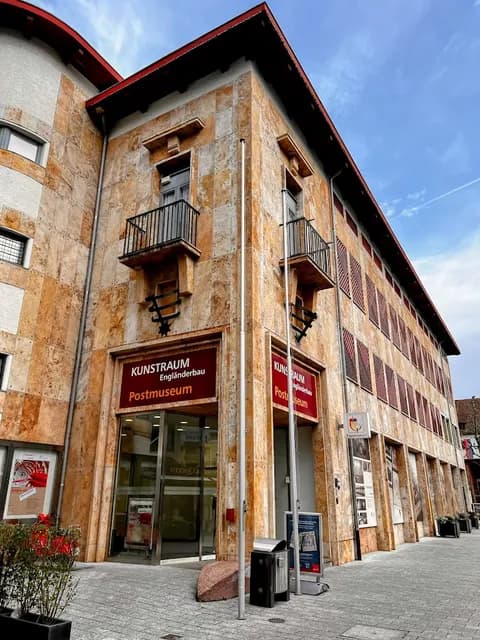
The village itself is a collection of orderly structures. There are no chaotic markets. There are no screaming vendors. The streets are clean, paved, and quiet. You walk them to measure the distance between yourself and the next house. The architecture is functional, built to withstand the winter snows and the summer rains. It tries to be durable. This durability is the aesthetic of Mauren. It is the aesthetic of survival.
Movement and Stillness
There is no railway station in Mauren. The Rhaetian Railway runs along the border, serving Buchs, Sargans, and Feldkirch. You must take a bus. This is a filter. It separates those who want convenience from those who want isolation. The bus ride is short, but it establishes the rhythm of the day. You arrive at a fixed time. You leave at a fixed time. The schedule is a law. You do not argue with it.
Once you are here, movement is on foot or by bicycle. The distances are small. The center of the village is within walking distance of the trailheads. You can reach the edge of the forest in ten minutes. The silence deepens as you move away from the houses. The sound of the bus engine fades. The sound of your own footsteps becomes the only metric of progress. This is the transport reality of Mauren. It is slow. It is deliberate. It requires you to be present.
Sustenance and Silence
There are no famous dishes in Mauren. The local cuisine is that of Liechtenstein. You will find Maluns, potato dumplings with bacon and onions, and Kapuns, cheese-filled ravioli. These are staples of the region. They are eaten in small restaurants with plain tables and simple menus. The food is designed to sustain. You eat to fuel the next hike. You drink coffee to wait out the rain.
The restaurants are quiet. The staff does not perform hospitality. They serve the food and leave you to your thoughts. This is respect for your solitude. You do not come here to be entertained. You come here to be alone. The meal is a pause in the day, a moment to rest before the next ascent. The flavors are earthy, grounded in the soil that produces them. They taste of the mountain. They taste of necessity.
Timing the Arrival
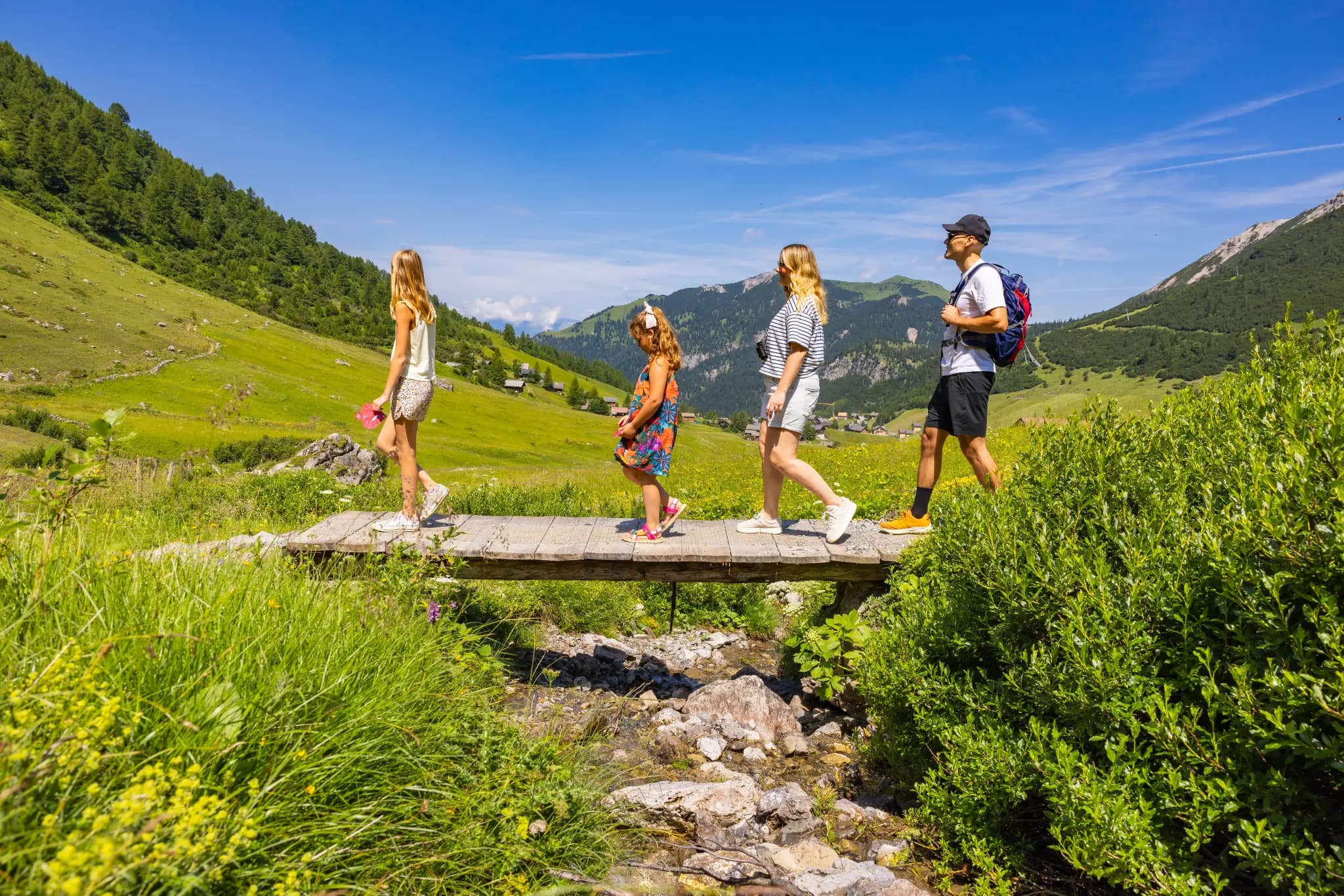
The best time to visit Mauren is summer. The alpine flowers are in bloom. The temperatures are mild. The trails are dry. Winter is also possible, but the cold is real. Temperatures rarely drop below -15°C, but the wind cuts through clothing. You must be prepared. The holidays do not change the nature of the place. National Day on August 15 brings a slight increase in visitors, but the silence remains. Nativity of Mary in September, All Saints' Day in November, and Immaculate Conception in December are observed quietly. The village does not celebrate with parades. It observes with stillness.
If you seek crowds, go to Vaduz. If you seek noise, go to Feldkirch. Mauren is for the slow traveler. It is for the solo walker. It is for the family that wants to teach its children the value of quiet. Stay for two nights. One night is not enough to adjust to the rhythm. Three nights is enough to feel the weight of the mountain. You will leave with a different sense of time. You will leave with a different sense of self.
Practical Questions
How do I get to Mauren? Take a train to Buchs or Feldkirch. From there, take a bus to Mauren. The connections are regular but not frequent. Check the schedule before you travel. The bus is your link to the outside world. Do not lose it.
Is Mauren safe? Yes. Liechtenstein is one of the safest countries in the world. The crime rate is negligible. The danger here is not from people. It is from the terrain. Slippery rocks. Sudden weather changes. Respect the mountain. It does not forgive carelessness.
What should I bring? Sturdy shoes. Layers of clothing. Water. A map. The trails are marked, but the weather can change quickly. Do not rely on your phone. The signal may fail. The mountain does not care about your connectivity. Bring cash. Some small vendors may not accept cards. The economy here is simple. It is based on trust and transaction.
Do I need a visa? Liechtenstein is part of the Schengen Area. If you are from a visa-exempt country, you can enter with a valid passport. If you are not, check the visa requirements before you travel. The border is open, but the rules are strict. Do not assume you can stay indefinitely. The silence of Mauren is not a loophole. It is a boundary.
Is there nightlife? No. There are no clubs. There are no bars that stay open late. The restaurants close when the meal is done. The village sleeps. The mountain watches. This is the rule. If you seek entertainment, you are in the wrong place. If you seek rest, you are home.