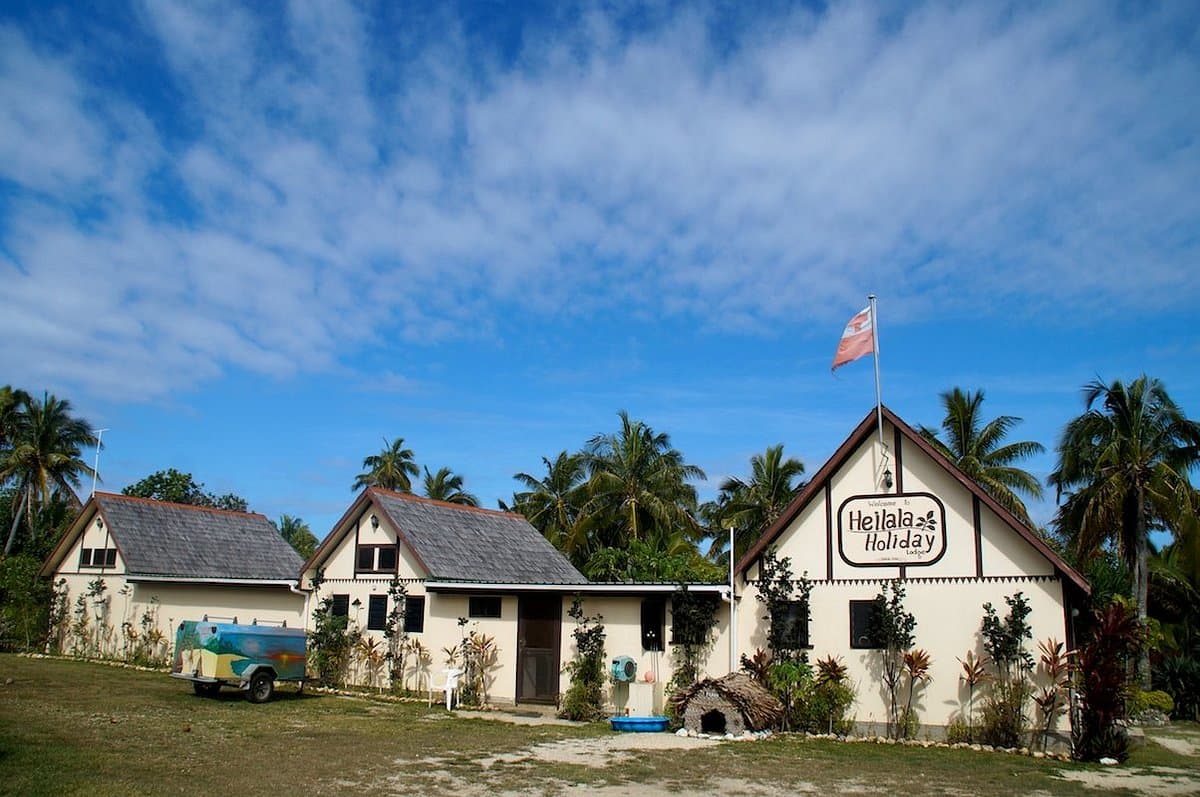
Summer in the South Pacific brings a distinct shift to Haveluloto, a coastal community on the main island of Tongatapu. As the wet season transitions into the drier, calmer months of May through October, the humidity drops slightly and the seas settle, creating ideal conditions for exploring Tonga’s coral reefs and volcanic landscapes. While "summer" in the Southern Hemisphere technically runs from December to February, many travelers refer to the peak dry season as the best time to visit. This guide focuses on navigating Haveluloto during the warmer, sun-drenched months, offering practical advice on accommodation, activities, and local culture for the discerning traveler.
The air in Haveluloto carries the scent of salt and frangipani, a sensory reminder that you are far from the concrete sprawl of major cities. Here, life moves at the pace of the tides. For the independent traveler, Haveluloto offers a base to explore Tongatapu’s agricultural heartland and its pristine coastline without the crowds found in the capital, Nuku’alofa.
Weather and When to Go
Understanding Tongan seasons is crucial for packing and planning. The Southern Hemisphere summer (December–February) coincides with the wet season in Tonga. Expect daily temperatures around 28°C (82°F) with high humidity and frequent, short bursts of heavy rain. Cyclones are possible but rare. However, if you are visiting during the austral winter (June–August), often considered the "dry summer" by tourists seeking sun, temperatures remain pleasant at 21–24°C (70–75°F) with lower humidity and clearer skies.
For the best balance of warm weather and minimal rain, target the shoulder months of April–May or September–October. During these periods, Haveluloto sees less overcast sky, allowing for better visibility while snorkeling. Always carry a lightweight rain jacket, as tropical showers can occur unexpectedly even in drier months. The UV index is high year-round, so sunscreen and a wide-brimmed hat are essential, not optional.
Getting Around Haveluloto and Tongatapu
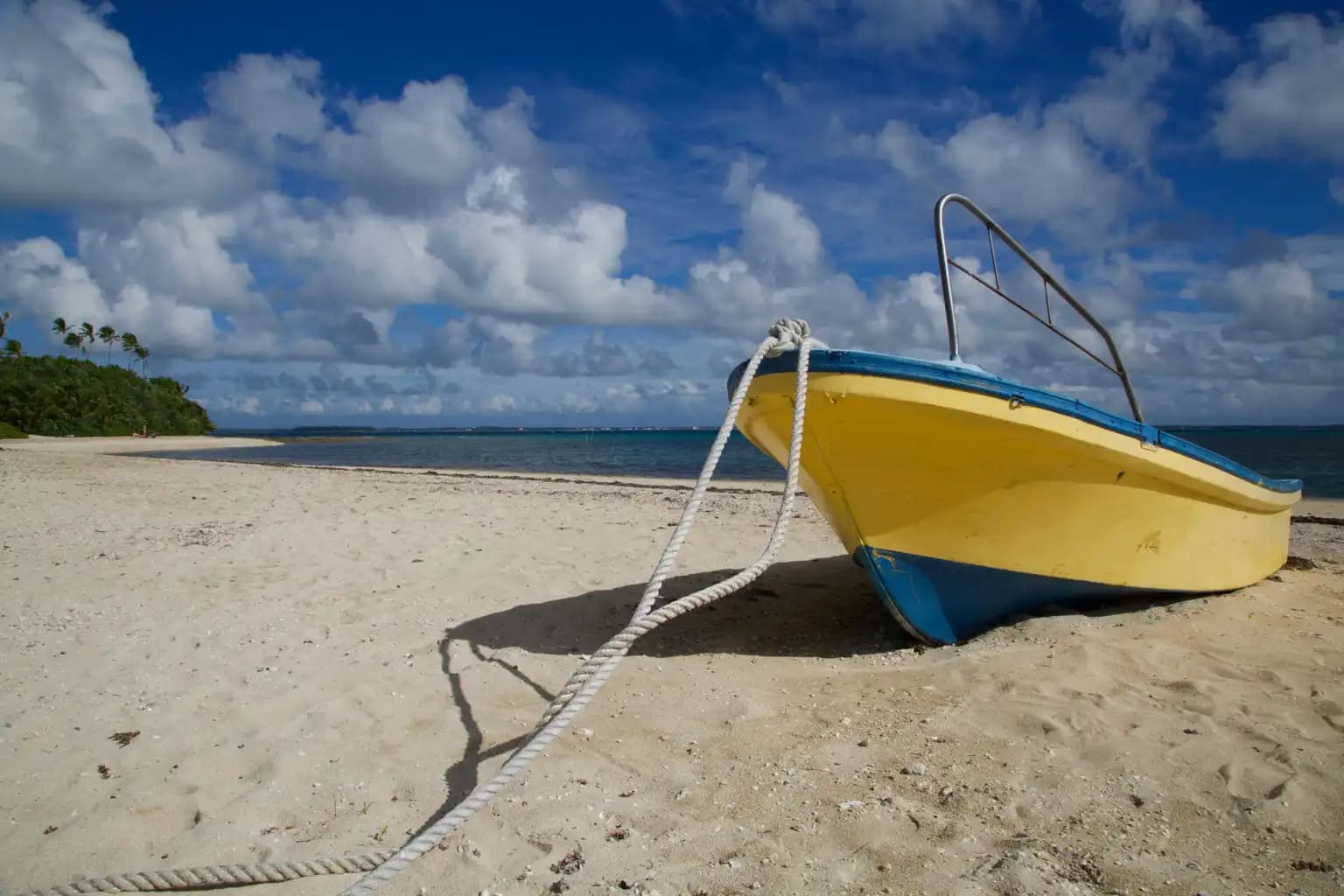
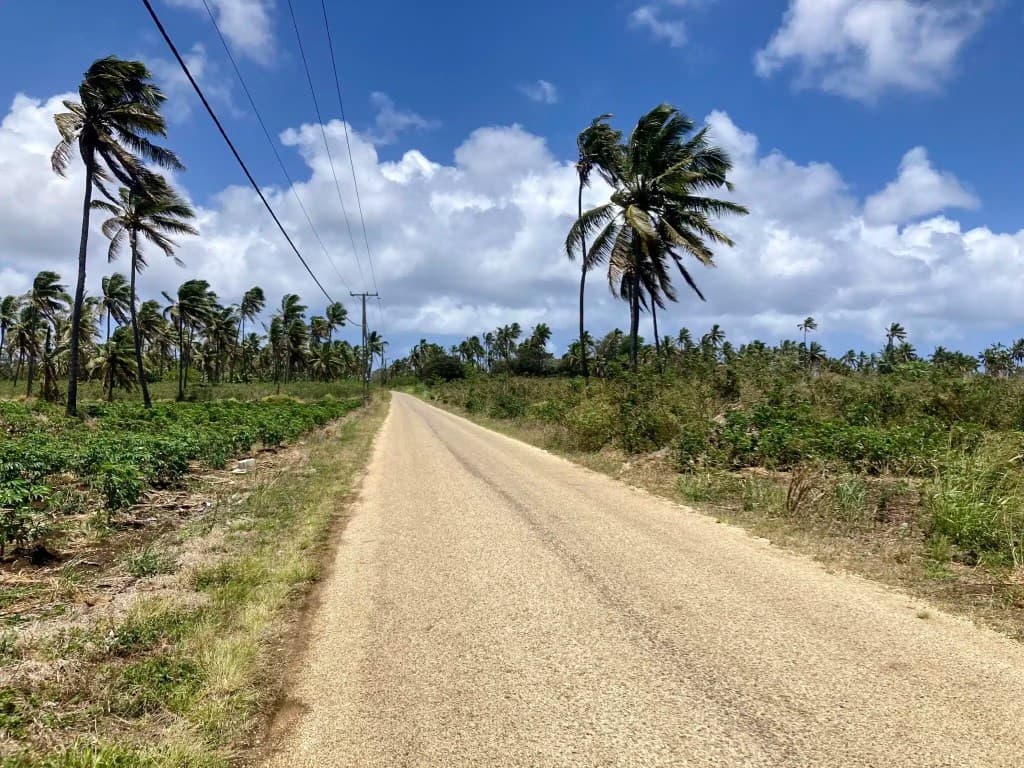
Haveluloto is a small community, and most local attractions are within walking or cycling distance if you are staying centrally. However, to fully explore Tongatapu, you will need a vehicle. Renting a 4WD is recommended, especially if you plan to visit the northern parts of the island or the nearby islands like ‘Eua and Ha’apai. Roads in Tonga are generally well-maintained, but some rural tracks near Haveluloto can be narrow and unpaved.
Public buses, known as "minibuses," are a affordable and authentic way to travel. They run regularly along the main coastal road connecting Nuku’alofa to the eastern and western tips of Tongatapu. Fares are inexpensive, typically under 5 TPa (Tongan Pa’anga), but schedules can be flexible. For more privacy and flexibility, hiring a local driver-guide for a day is a popular option. This allows you to visit specific sites like the Lapita archaeological site or the Matangia Beach while learning about local history from a resident.
Taxis are available in Nuku’alofa but less common in Haveluloto. It is advisable to arrange transport in advance if you are heading to the airport or ferry terminals. The Tonga International Airport is located on Fua’amotu Island, about 30 minutes from Nuku’alofa, requiring a short ferry ride.
Where to Stay in Haveluloto
Accommodation in Haveluloto ranges from budget-friendly guesthouses to mid-range family-run lodges. Unlike larger tourist hubs, you will not find international hotel chains here. Instead, expect personalized service and home-cooked meals. Many guesthouses offer self-catering options, which are ideal for travelers who wish to prepare their own meals using fresh local produce from the nearby markets.
When booking, look for properties that provide air conditioning or ceiling fans, as nights can remain warm and humid. Mosquito nets are also a valuable addition, particularly during the wetter months. Some guesthouses in Haveluloto are situated near the coast, offering stunning sunset views over the Pacific Ocean. Others are located inland, surrounded by coconut palms and taro fields, providing a quieter, more immersive experience.
If Haveluloto is fully booked, consider staying in Nuku’alofa, which is only a short drive away. The capital offers a wider range of accommodations, including boutique hotels and hostels, as well as more dining and shopping options. However, staying in Haveluloto allows you to experience the slower pace of rural Tongan life, with fewer tourists and more interaction with locals.
Things to Do: Culture and Nature
Haveluloto serves as an excellent base for exploring Tongatapu’s cultural and natural attractions. One of the highlights is visiting the nearby Lapita site, one of the most significant archaeological sites in the Pacific. Here, you can see ancient pottery shards and learn about the early Polynesian settlers who arrived in Tonga over 3,000 years ago. Guided tours are available and provide valuable context for understanding the region’s history.
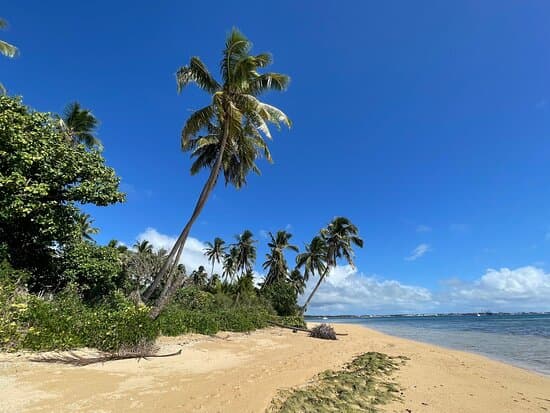
For nature lovers, Matangia Beach is a must-visit destination. Known for its soft white sand and clear turquoise waters, it is a popular spot for swimming, snorkeling, and picnicking. The beach is less crowded than those in Nuku’alofa, offering a more tranquil experience. Bring your own snorkel gear, as rentals may be limited. The coral reefs here are vibrant and teeming with marine life, including parrotfish, sea turtles, and reef sharks.
Another activity worth considering is a visit to a local village to experience Tongan culture firsthand. You might witness a ‘faikava’ ceremony, a traditional social gathering where men chew kava root and drink the resulting mixture. While women and visitors are not always invited to participate in the drinking, observing the ceremony provides insight into Tongan social structures and hospitality. Always dress modestly and ask for permission before taking photos.
Dining and Local Cuisine
Food in Haveluloto is fresh, flavorful, and deeply rooted in tradition. The local diet relies heavily on root vegetables like taro, yam, and cassava, as well as fresh fish, coconut cream, and tropical fruits. One of the most iconic Tongan dishes is ‘umu’, a traditional earth oven where food is cooked over hot stones. This method imparts a smoky flavor to meats and vegetables and is often used for special occasions and festivals.
In Haveluloto, you will find small local shops, known as "tuck shops," selling basic groceries and snacks. For a more diverse selection, head to Nuku’alofa’s markets, where you can buy fresh produce, handicrafts, and souvenirs. Many guesthouses in Haveluloto offer breakfast and dinner for an additional fee, providing a taste of home-cooked Tongan cuisine.
Seafood is abundant and affordable. Look for grilled mahi-mahi, tuna, or prawns, often served with rice and a side of coconut cream sauce. Fruit juices made from fresh mango, passionfruit, or pineapple are refreshing and widely available. If you have dietary restrictions, it is advisable to inform your host in advance, as they will likely accommodate your needs with care.
Practical Tips for Travelers
Before traveling to Haveluloto, ensure you have the necessary visas and travel insurance. Most visitors do not require a visa for stays up to 31 days, but check the latest entry requirements with the Tongan embassy. Tonga uses the Tongan Pa’anga (TPa), and while US dollars are sometimes accepted, it is best to carry local currency for small purchases. ATMs are available in Nuku’alofa but scarce in rural areas like Haveluloto.
Respect local customs and dress codes. Tonga is a conservative society with a strong Christian influence. Dress modestly, especially when visiting villages or churches. Avoid wearing revealing clothing in public places. It is also customary to remove your shoes before entering someone’s home.
Health precautions are important. Drink bottled or filtered water, as tap water may not be safe for visitors. Use insect repellent to protect against mosquitoes, which can carry dengue fever. Sun protection is essential due to the high UV index. Finally, be mindful of your environmental impact. Avoid single-use plastics and dispose of waste responsibly to help preserve Tonga’s natural beauty.