Vimioso tests your patience with its hills, then rewards you with silence. The castle waits.
The wind in the Nordeste Transmontano does not ask permission. It moves through the dry grass and the stone walls of Vimioso with a steady, indifferent rhythm. This place performs nothing for tourists. It offers gravity. It offers the weight of history pressing down on a small municipality in the Bragança District, where the population hovers around four thousand souls who have learned to live with the land rather than against it.
For a family seeking adventure, Vimioso presents a challenge of attention. The terrain is rugged. The distances are measured in elevation changes and old stone paths. You come here to understand how people survived on this edge of the Iberian Peninsula. You come to watch your children climb a hill that has stood since the 11th century and realize that their struggle is part of a long, unbroken line of human effort.
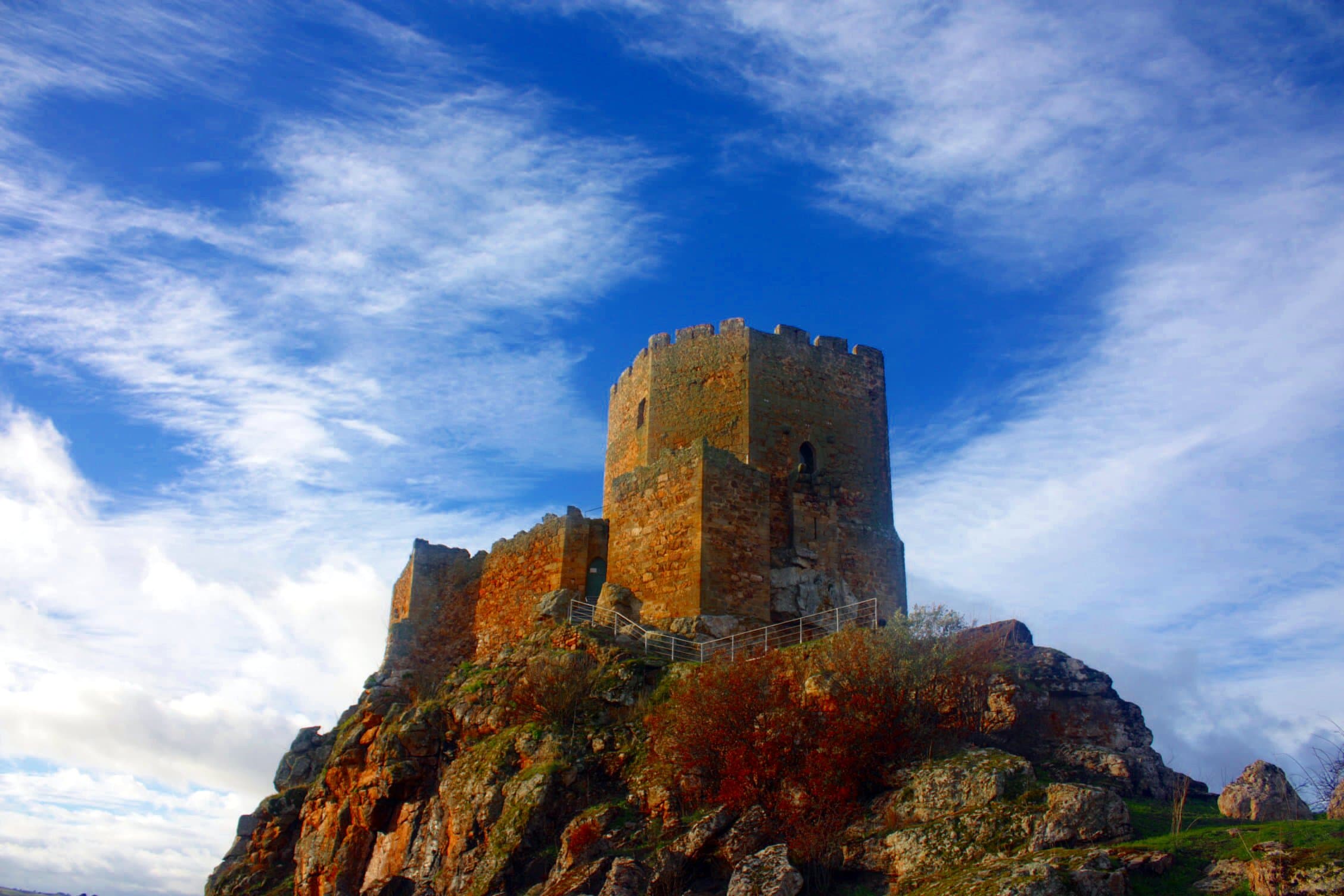
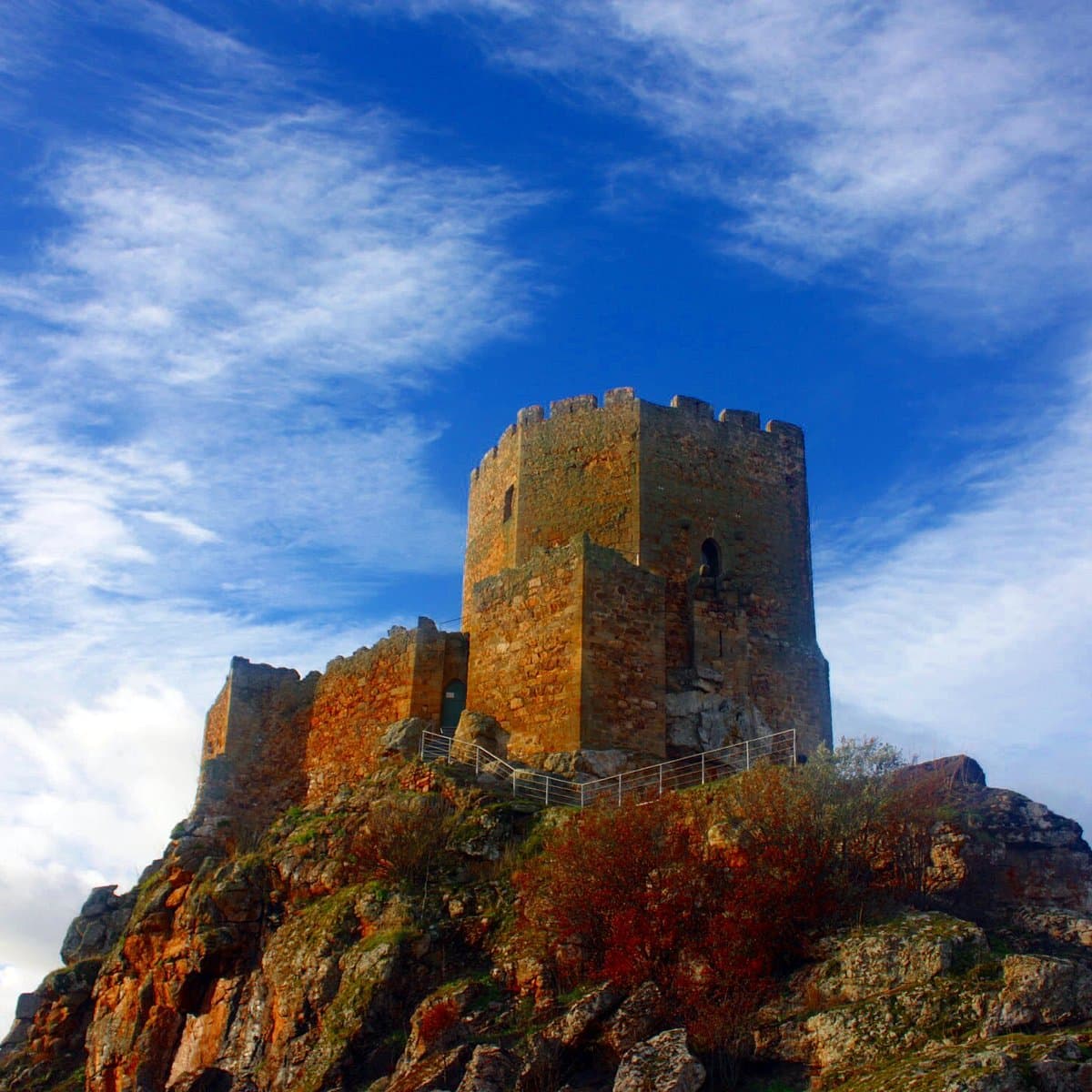
The Castle of Vimioso
The Castle of Vimioso (Castelo de Vimioso) dominates the landscape. It stands as a defensive fortress, built to hold ground. The keep rises from the center, surrounded by an oval wall and circular towers that speak of a time when survival depended on height and stone. The architecture is severe. The walls are thick, designed to absorb the impact of siege engines and the erosion of centuries.
Walking the perimeter of the castle is a lesson in perspective. The view from the ramparts stretches across the Nordeste Transmontano region, a patchwork of fields and forests that looks unchanged for generations. For a child, the climb up to the castle is the first test. The path is steep. The air is thin. The reward is a silence so profound it feels like a physical presence. There is no traffic noise here. No distant hum of industry. Just the wind and the cawing of crows.
The castle is significant in the defensive context of the region. It was a stronghold, a place where power was concentrated and defended. Today, it is a monument to endurance. You do not need a guide to understand its purpose. The stones tell you enough. They show you where the gates were, where the towers stood, and where the defenders looked out for enemies. It is a place that demands respect, not awe.
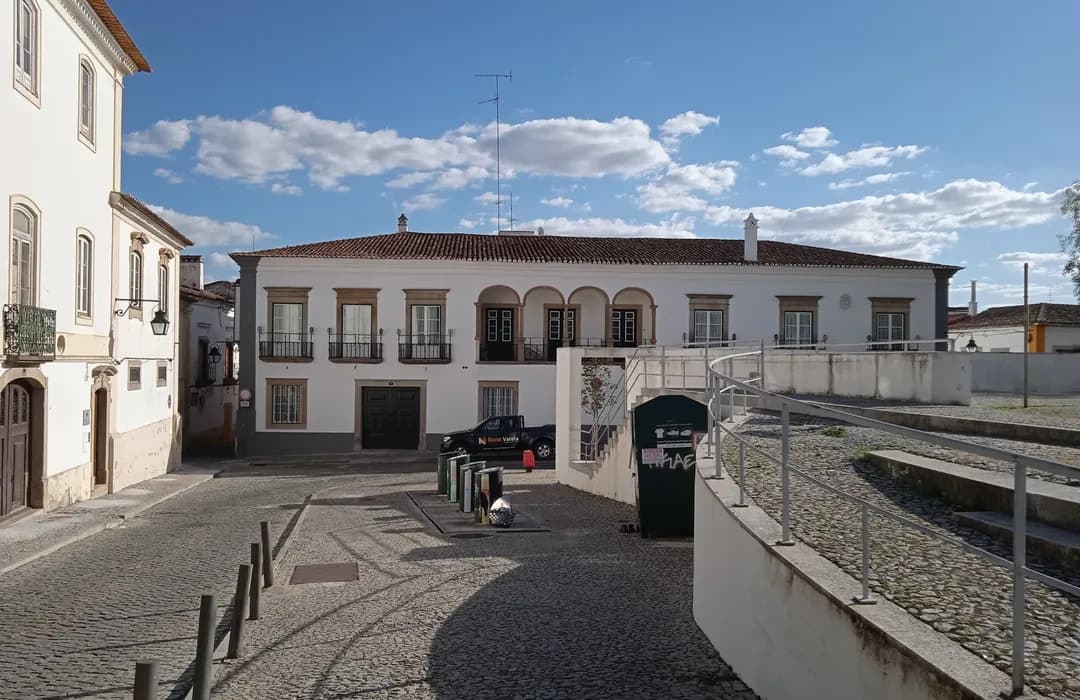
The Town of Vimioso
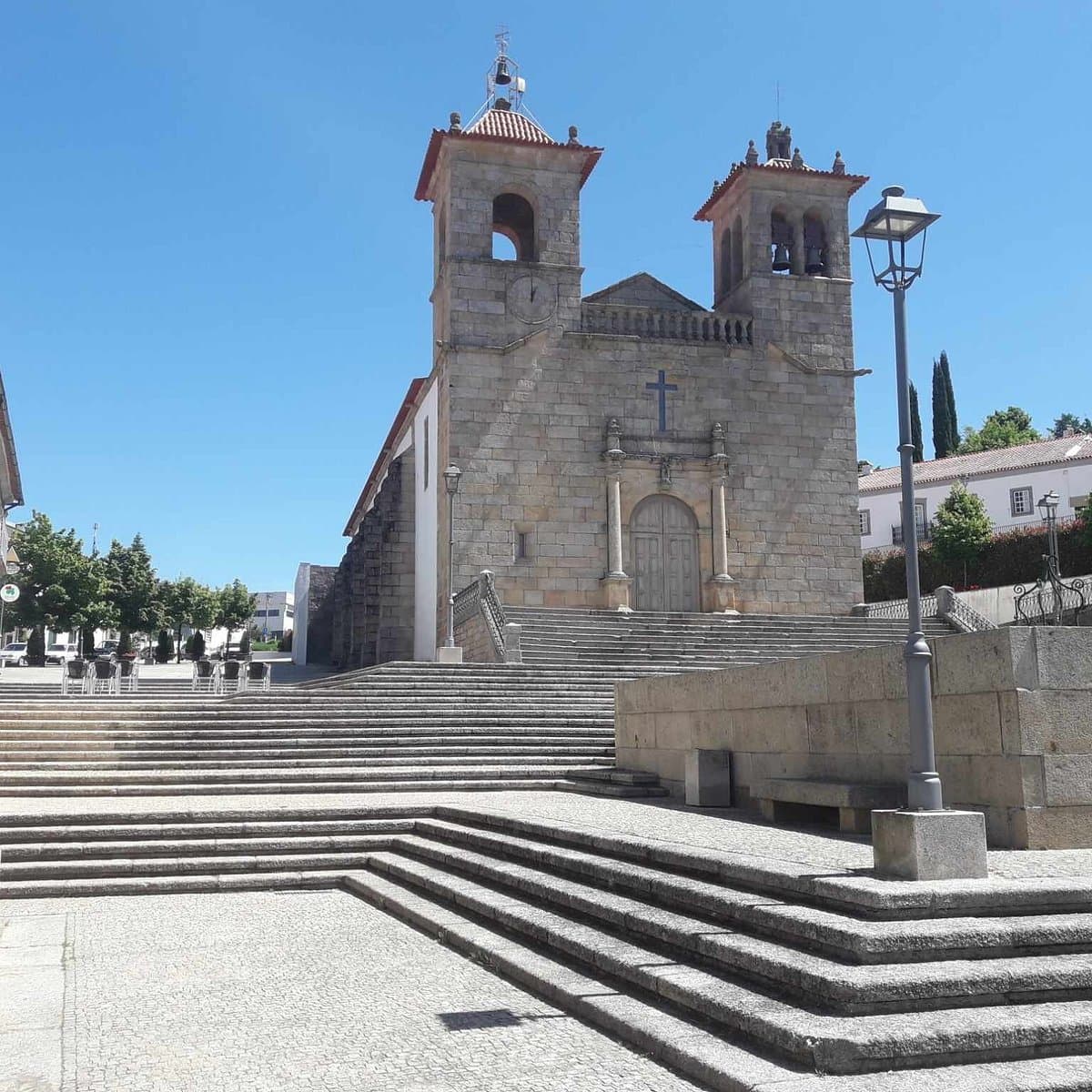
Below the castle lies the Vila de Vimioso. The town is small, contained within the boundaries of a municipality that covers nearly 482 square kilometers. The streets are narrow, paved with stone that has been worn smooth by generations of feet. The buildings are low, built from local materials that blend into the landscape. The town spreads out quietly, following the contours of the land. There is no grand plaza or central square that draws crowds.
Exploring the town on foot is the best way to understand it. There are no major monuments to distract you. The interest lies in the details: the texture of the walls, the angle of the roofs, the way the light falls on the cobblestones in the late afternoon. It is a place that rewards slow movement. Rushing through Vimioso misses the point.
The population is small, but the community is tight. You will see people going about their daily lives, unhurried and unbothered by the presence of strangers. They simply exist. This can be uncomfortable for visitors used to the constant engagement of tourist hubs. It is also liberating. You are free to observe, to wander, to think. The town does not demand your attention. It waits for you to earn it.
Practicalities for Families
Vimioso is a remote inland municipality. There is no railway line serving the town directly. The nearest major city is Bragança, but the distance is not trivial. You must arrive by road. The journey itself is part of the experience. The roads are narrow and winding, following the hills and valleys of the region. Driving here requires patience. Speed has no place here.
Accommodation in Vimioso is limited. Family-run hotels exist in the area, offering a personal experience. These establishments are functional, clean, and rooted in the local community. Prices are reasonable, reflecting the remote location and the simplicity of the offerings. You should book ahead, especially if you are traveling during the summer months. The number of beds is small, and the demand, while low, is steady.
Money is not a primary concern in Vimioso. The cost of living is low. Meals are inexpensive, and the quality is high. You will find local eateries that serve simple, hearty food. The focus is on sustenance, not spectacle. This is a place where you eat to live.
Local Culture and Timing
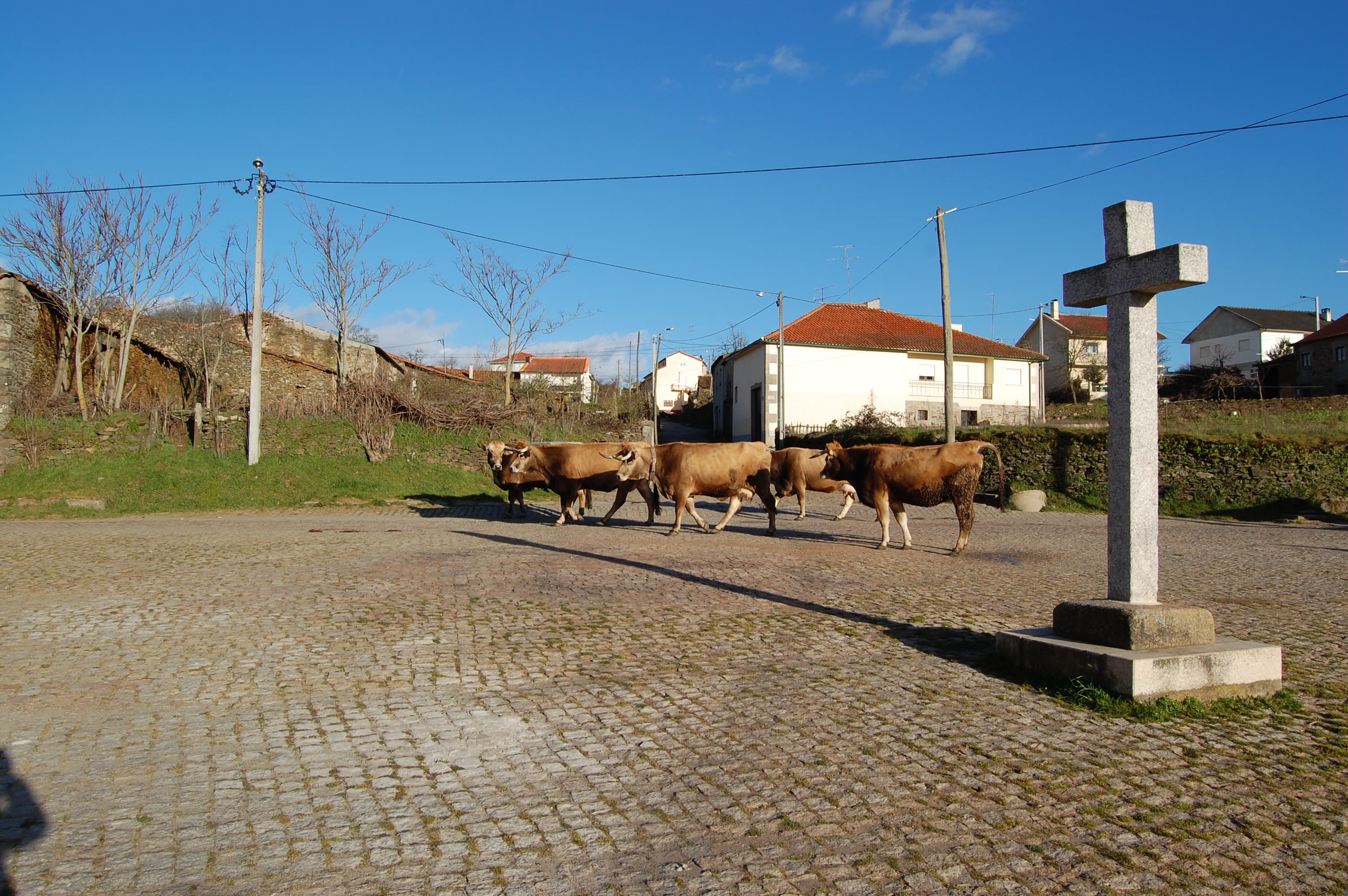
The culture of Vimioso is shaped by its isolation and its history. The people are reserved, but not unfriendly. They value privacy and self-reliance. This is reflected in the architecture, the landscape, and the pace of life. There is no rush to entertain. No pressure to consume. The local culture is one of endurance and quiet dignity.
Food is a reflection of this. There are no specific dishes uniquely identified with Vimioso in the sources. You will eat regional staples: simple stews, bread, cheese, and wine. The ingredients are local, the preparation is traditional, and the flavor is honest. This is food that aims to nourish. This is a philosophy that extends to the entire experience of visiting Vimioso.
The best time to visit is during the summer months, when the weather is warm and the days are long. The heat can be intense, so plan your activities for the early morning or late afternoon. The midday sun is harsh, and the shade is limited. Winter is cold and wet, with snow possible in the higher elevations. Spring and autumn offer mild temperatures and clear skies, but the weather can be unpredictable.
Holidays in Portugal are important, but Vimioso is not a major tourist destination. The next major holiday is Assumption Day (2026-08-15), followed by Republic Day (2026-10-05). These dates may see a slight increase in local activity, but do not expect crowds. The town remains quiet, even during festivals. This is a place where you can find space, even in the height of the season.
FAQ
Is Vimioso safe for families? Yes. Vimioso is a small, quiet municipality with low crime rates. The main risks are physical: steep paths, uneven surfaces, and the heat. Supervise children near the castle walls and on the hills.
How do I get to Vimioso? You must drive. There is no direct rail service. The nearest major city is Bragança. Plan for a scenic but winding drive. Allow extra time for navigation and rest stops.
What should I bring? Sturdy walking shoes, sun protection, and water. The terrain is rugged, and the sun is strong. Bring a sense of patience. Vimioso is not a place for haste.
Vimioso does not offer everything. It offers what it has: stone, silence, and history. If you are looking for convenience, look elsewhere. If you are looking for a place that tests your resolve and rewards your attention, Vimioso is waiting. The coin has been tossed. The outcome is yours to face.