Hike the Nubian desert edges near El Bauga, Sudan. Plan your route, timing, and survival kit for the River Nile State's quiet trails.
The Landscape You Are Walking Into
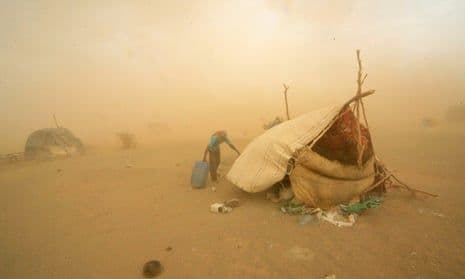
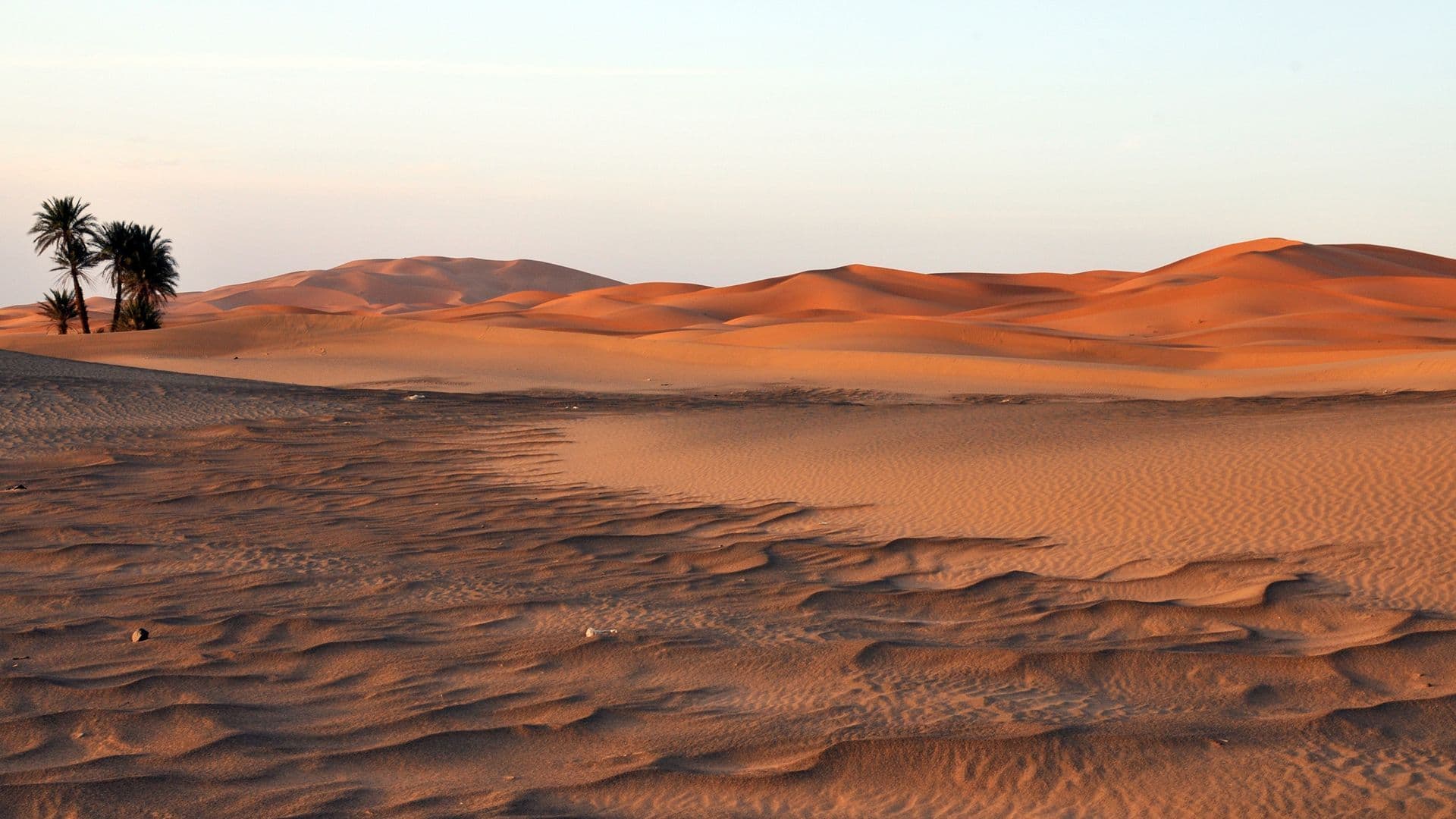
El Bauga is a destination that prefers to keep its voice down. With a population of roughly 19,100 residents, it sits quietly in Sudan’s River Nile State, tucked away from the chaotic energy of the capital. The town’s coordinates, approximately 18.262° N and 33.908° E, place you in a landscape defined by the interplay of the Nile’s influence and the surrounding desert. Hiking here revolves around reading the terrain rather than conquering peaks or navigating dense jungle. The environment is a mix of serene desert landscapes and the remnants of ancient Nubian heritage. When you step out of the town center, the ground shifts from packed earth to loose sand, and the horizon stretches out in an unbroken line of heat-shimmered air. This is a place where the silence has a physical weight, pressing against your ears after the first few kilometers of walking.
Trails and Terrain
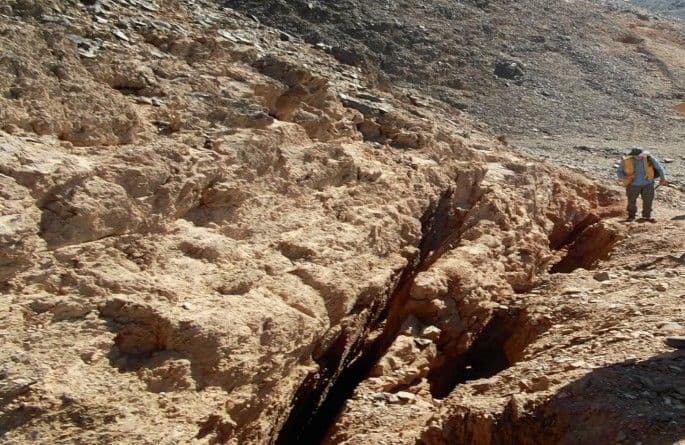
El Bauga lacks formally marked hiking trails. You will find no signposts, no paved paths, and no trailheads with parking lots. The "trails" are simply the paths taken by locals, donkey carts, and the occasional tourist who has done their homework. This lack of infrastructure serves as both the challenge and the reward. You will be navigating open desert edges, likely following dry riverbeds or the subtle ridges that separate the flat plains from the rocky outcrops typical of the Nubian region. The terrain is generally accessible, but it is unforgiving of poor preparation. The ground can be uneven, hidden with small stones that turn ankles if you are not wearing proper footwear.
The primary draw for hikers is the cultural context. The area is steeped in Nubian heritage, which means that as you walk, you are moving through a landscape that has been inhabited for millennia. You might find the remains of old structures or the subtle geometric patterns of Nubian architecture in the distance. However, do not expect a curated experience. This is wild, open space. The beauty is in the isolation and the raw, unfiltered desert light. If you are looking for a well-trodden path with benches and water fountains, look elsewhere. If you want to feel the vastness of the Sudanese desert up close, El Bauga offers a quiet, honest entry point.
Practical Logistics and Survival
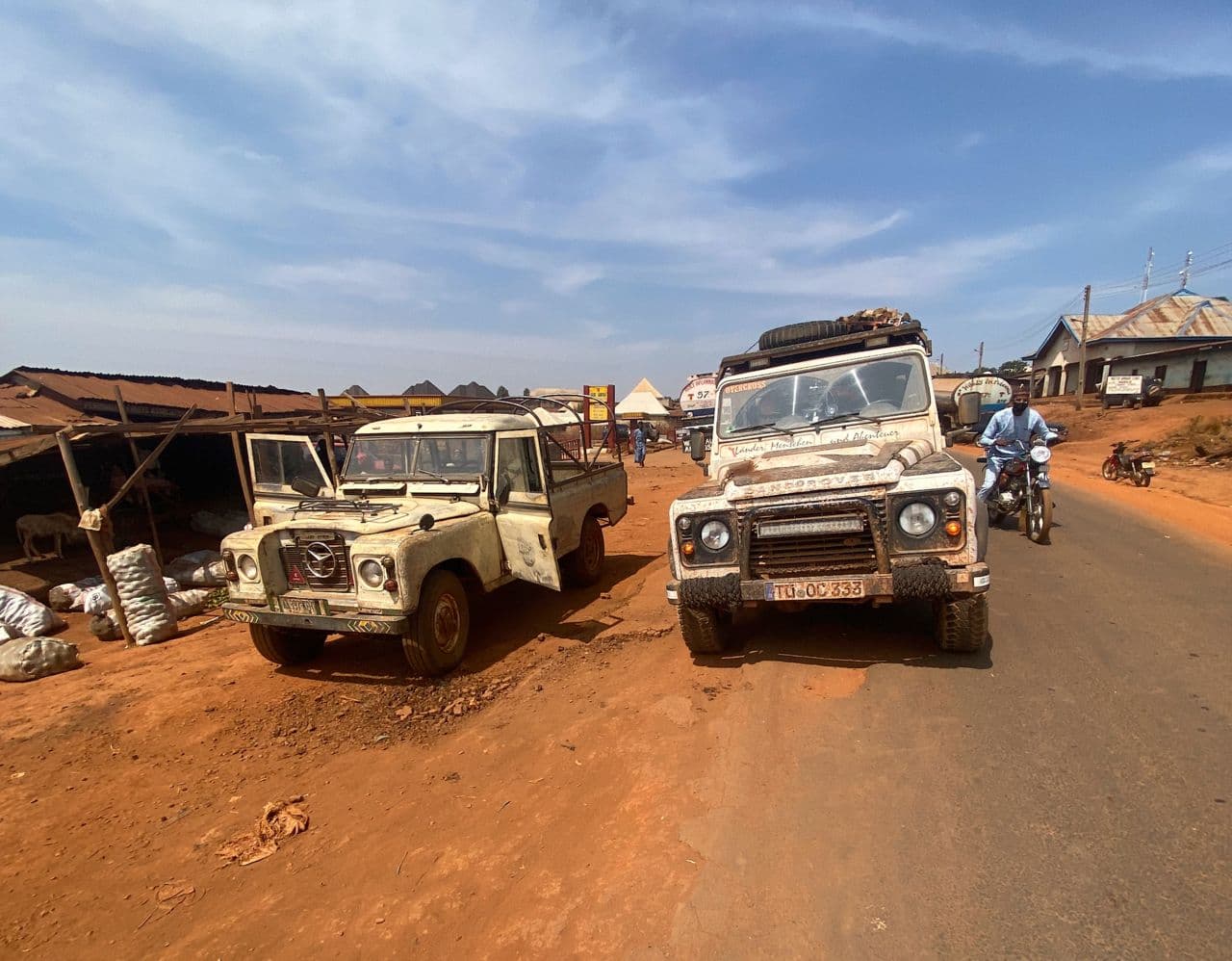
Hiking in this part of Sudan requires a level of self-sufficiency that is often underestimated by international travelers. There is no confirmed railway line or specific public transport network explicitly named for El Bauga in available records, so you should plan to arrive by road. The main bus connections from larger hubs like Khartoum or Port Sudan are the primary way in, but schedules can be flexible to say the least. Once you are in town, your transport options are limited. You will likely need to hire a local guide or a vehicle to get you to the starting point of your hike, as the desert edges are not immediately adjacent to the town center.
Water is the critical variable. The climate data indicates that even in the cooler months, temperatures can range from +20°C to +33°C. This means that during the day, the heat is a constant companion. You should carry significantly more water than you think you need. A general rule for desert hiking is to carry at least three to four liters per person per day, but in this environment, more is safer. Shade is scarce. The desert offers little natural cover, so the sun is in full force from dawn to dusk. Sunscreen, a wide-brimmed hat, and light, breathable clothing are non-negotiable. Do not rely on finding shops or water sources along the trail. The local market area in town is your last reliable stop before you head out.
Cultural Context and Etiquette
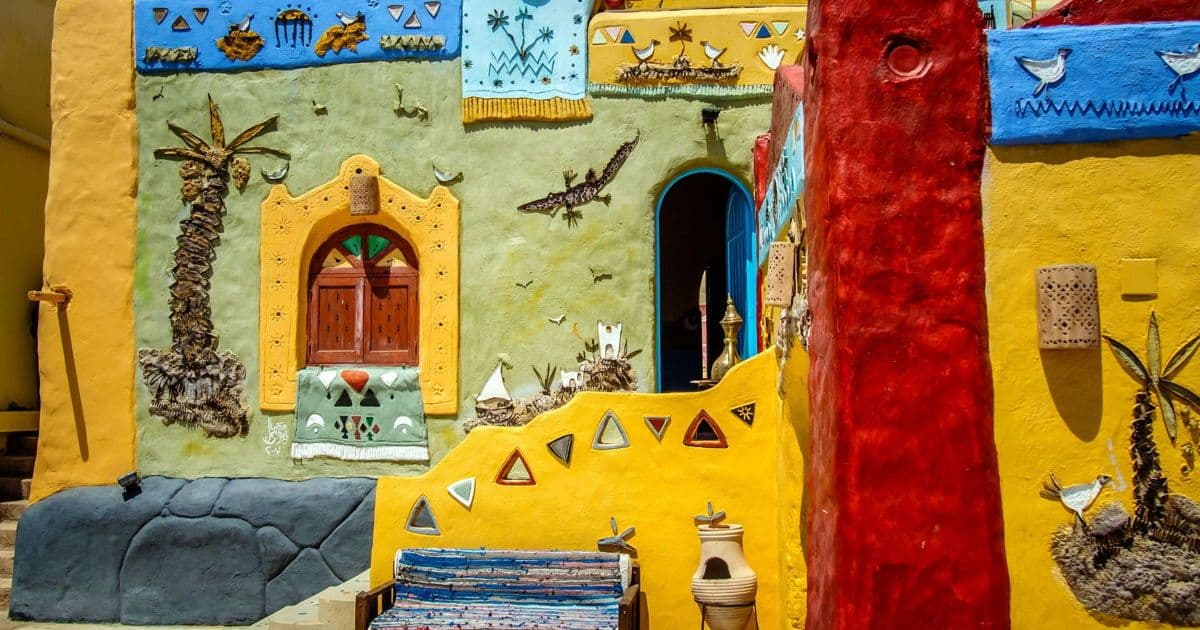
In El Bauga, Nubian culture forms the living fabric of daily life rather than serving as a museum exhibit. As you hike, you may encounter locals, farmers, or herders. Interaction should be respectful and measured. A simple greeting in Arabic, the primary language of the region, goes a long way. While English is spoken in tourist circles, it is not universal in small towns like El Bauga. Patience is key. Conversations may be slow, but they are often warm. The Nubian people are known for their hospitality, but this comes with an expectation of respect for their traditions and privacy.
When it comes to food, there are no specific dishes uniquely named for El Bauga in the available records, but the regional staples of Sudan apply here. Expect to find bread, lentils, and date-based sweets. These are hearty, simple foods that provide the energy needed for the heat. If you are hiking, pack your own food. Fresh produce is limited in the desert, so rely on preserved goods, nuts, and dried fruits. The local market area in town is where you can stock up on these essentials. Prices for basic goods are low by international standards, but specific fares and costs vary, so it is best to negotiate politely and carry small change.
When to Go and Who It Is For
The best time to hike in El Bauga is during the cooler months, typically from November to February. During this period, the temperatures are more manageable, and the risk of extreme heat is lower. The spring months, while still warm, offer a slightly different palette of colors as the desert begins to show signs of life. However, even in spring, the heat is significant, so early morning or late afternoon hikes are recommended. Avoid the peak afternoon hours, when the sun is directly overhead and the temperature peaks.
This destination suits the solo traveler, the experienced hiker, or the small group of friends who are comfortable with uncertainty. It is less ideal for the casual walker or the family looking for a relaxed weekend. It is a place for those who want to disconnect from the digital world and engage with the physical landscape. You should plan to spend at least two to three days in the area to allow for travel, acclimatization, and hiking. Do not rush. The beauty of El Bauga is in its slowness. Allow yourself to sit in the silence, to watch the light change, and to appreciate the quiet dignity of the desert.
Frequently Asked Questions
Do I need a guide to hike in El Bauga? While not strictly mandatory, hiring a local guide is highly recommended. The terrain is open and unmarked, and a guide can help you navigate, provide cultural context, and ensure your safety in case of emergencies.
What is the visa situation for Sudan in 2026? Visa requirements can change frequently. Check with the Sudanese embassy or consulate in your home country for the most up-to-date information. Most travelers will need a visa in advance, and entry points are typically through Khartoum or Port Sudan.
Is it safe to hike alone? Hiking alone is possible but not recommended for first-time visitors. The remote nature of the area means that help may be far away if something goes wrong. Hiking with a guide or a small group is the safer option.