Kiribati's eco travel playbook isn't about solar panels or straw stirrers — it's a beachfront village on Tarawa Atoll where the whole point is leaving quietly. Here's how.
There's a particular kind of eco-credentials that comes from having almost nothing to clean up. Ambo Village, a compact settlement tucked into North Tarawa on Kiribati's Tarawa Atoll, runs on a scale where a traveler's footprint is measured in sand, not carbon. No airports to overbuild, no expressways to pour, no glass towers swallowing the shoreline. What you get is a beachfront that still feels off-the-beaten-path precisely because the world's mass tourism hasn't figured out how to reach it.
The appeal isn't that it's untouched — it's that it's unhurried. You can walk the length of the place before lunch and still have time to watch the tide do its daily business of returning the ocean's leftovers to the shore.
The Beachfront Is the Whole Point
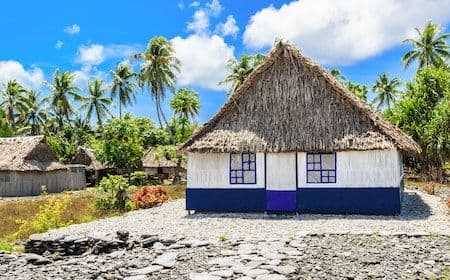
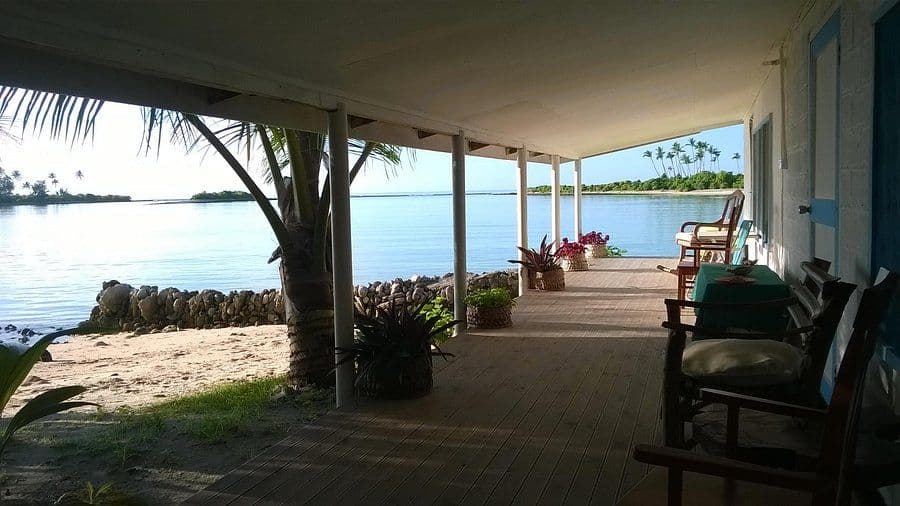
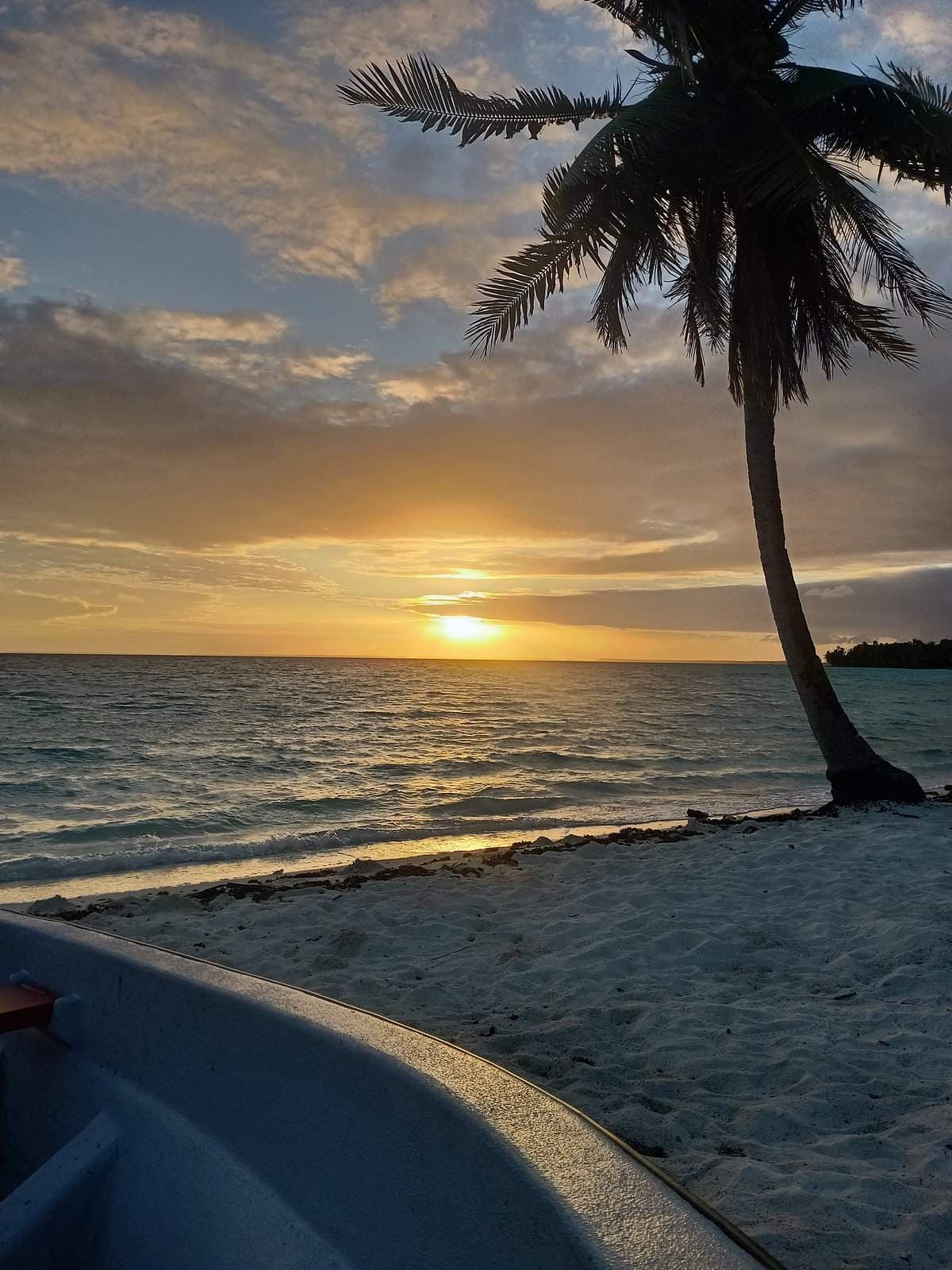
Ambo Village's central attraction, by nearly every account, is its beachfront. It's the kind of charming, picturesque stretch of shoreline that travel writers reach for superlatives about, but here the superlatives earn their keep: this is authentic Pacific island life without the resort turnstile.
The beachfront is where eco travel on Tarawa Atoll becomes legible. There's no golf-cart shuttle system to power up, no minibar running on 24-hour refrigeration, no nightly reef-lighting spectacle. Just sand, surf, and the occasional fishing boat putting out at dawn. The most sustainable thing you can do in Ambo Village is largely stand around and let it be.
Living at Island Scale
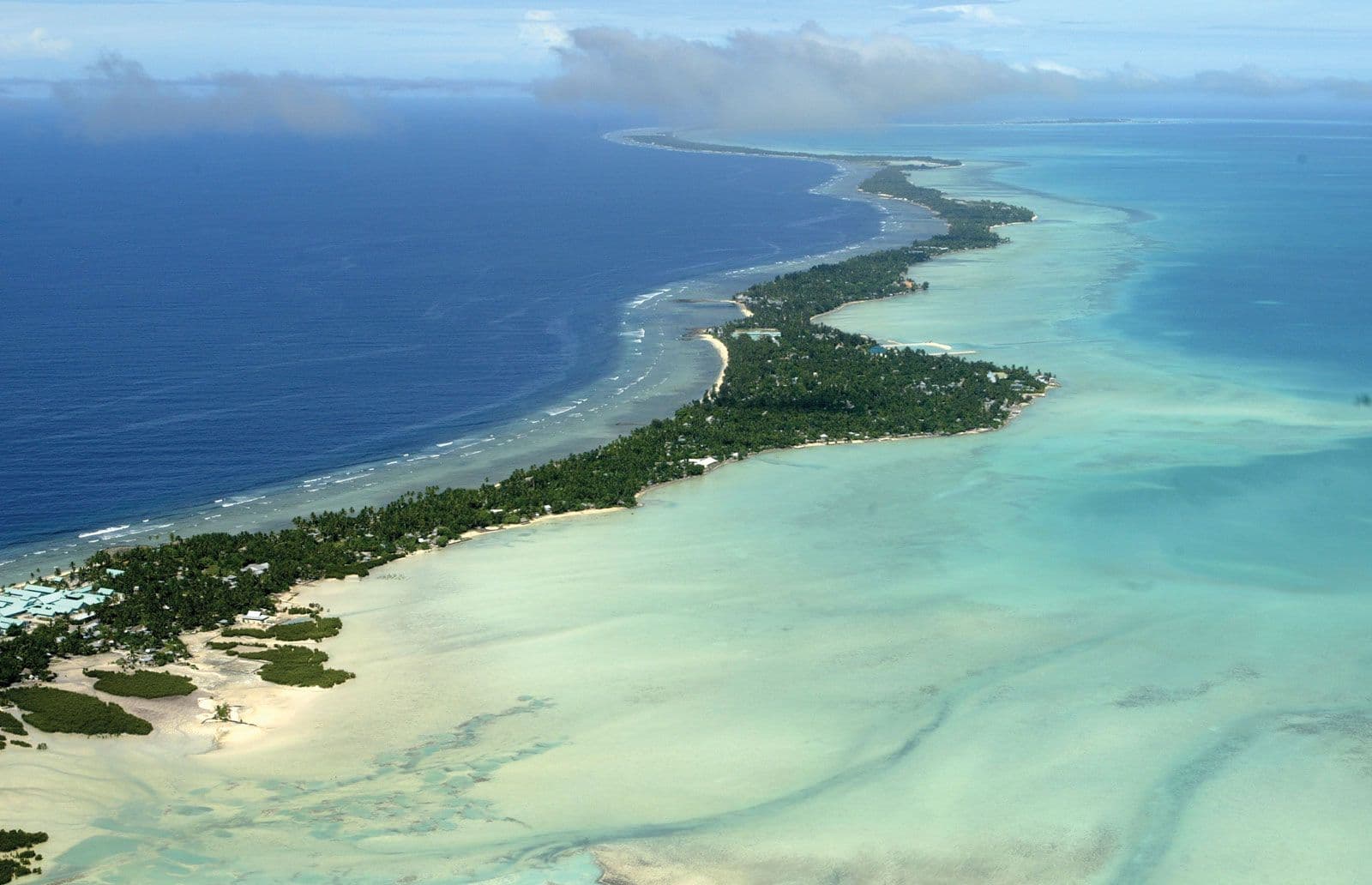
The real lesson Ambo Village offers eco-minded travelers is one of scale. Kiribati sits low — much of Tarawa Atoll rises only a meter or so above sea level — and the whole nation lives with that fact daily. That's not a doom-laden talking point here; it's just the weather. You notice it in how people build, where they park their bikes, and how a village manages the space between land and lagoon.
Staying in Ambo Village rather than the busier strips of Tarawa Atoll means your days happen at walking pace. You're not commuting across an urban sprawl to reach a "sight." The sight is outside your door, and it changes with the light and the tide.
What Eco Travel Actually Looks Like Here
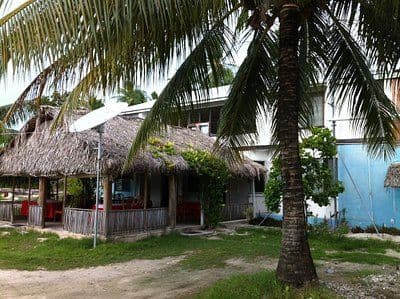
Let's be honest about the word "eco." In Ambo Village it doesn't mean a towel-recycling card or a bamboo toothbrush in a gift bag. It means arriving somewhere that still runs on human rhythm and leaving it roughly as you found it.
The practical version is simple:
- Move by foot or bicycle. The transport network on Tarawa Atoll exists, but the village itself rewards getting lost on two wheels or two feet.
- Drink bottled or filtered water. Tap quality in Kiribati often falls short of what travelers are used to — a reusable bottle you top up beats churning through plastic.
- Respect the shoreline. This is a working beachfront, not a private resort lagoon. The fishing boats and local families have been here long before you.
Food: Seafood, Coconut, and the Staples You'll Actually Eat
Kiribati cuisine centers on what the ocean and the soil provide: fresh seafood, tropical fruit, coconut, and locally grown staples. You'll encounter breadfruit, taro dishes, and crab or tuna curry across the country — though these are Kiribati-wide fare rather than anything pinned specifically to Ambo Village.
The honest truth is you won't find a signature Ambo Village dish stamped on a menu. What you'll find is a food culture built around the day's catch and the garden's yield, which is arguably the most genuinely sustainable diet on the planet. Bring your expectations down to the tide line and you'll be pleased.
Getting There and Getting Around
Ambo Village sits within North Tarawa, part of the main populated strip along Kiribati's Tarawa Atoll. The nearest major hub is Tarawa itself, where the nation's airport and urban center cluster. Getting from the airport into the village is a matter of local transport on the atoll — the specific bus routes aren't well documented, so treat the logistics as part of the adventure rather than a Google Maps certainty.
The takeaway: don't plan this trip like a layover. Build in slack for transport that runs on its own schedule and its own geography.
When to Go
The dry season, roughly May through October, brings the most pleasant weather to Tarawa. Kiribati is warm year-round, so you can visit in the wetter months too — you'll just want to be comfortable with tropical showers. If you're chasing blue skies and calm lagoons, aim for the middle of that dry window.
There are no major holidays on the calendar in the near term that would disrupt a trip, so you're free to pick your dates around the weather rather than the festival crowd. It makes Ambo Village a decent option for slow, flexible travel whenever the season suits.
Who It's For
Ambo Village suits travelers who'd rather be curious than comfortable, and who measure a good trip in encounters rather than attractions. Solo travelers, slow-travel addicts, and anyone quietly exhausted by the performative sustainability of luxury resorts will find something genuine here. Families who don't mind a less polished experience will too — this is a place that rewards the open mind and the sturdy sandals.
Stay as long as the tide lets you. A few unhurried days are enough to absorb the rhythm; a week might feel like the long end.
Practical Questions
Do I need a visa for Kiribati? Most visitors get a visitor's permit on arrival, but rules change, so confirm with Kiribati's immigration authority before you pack.
Is the tap water safe to drink? Not reliably. Stick to bottled or filtered water to be safe.
How do I get around once I'm on Tarawa? Local transport serves the atoll, but routes and schedules are loose. Budget time, keep your expectations flexible, and ask locals — they'll know the rhythm better than any timetable.
Is Ambo Village worth the detour? If you want a beachfront that hasn't been optimized for your attention span, yes. If you want a checklist of sights, look elsewhere.