Skip the guidebooks. In Al Abyār, the meal is the destination. Learn to eat Libyan staples like Bazin and Mabkaba from the source.
The Michelin Guide has not yet published an edition covering Libya, so there are no stars or "Recommended" badges to chase in Al Abyār. That absence serves as an invitation to look closer. At 274 meters above sea level, this town in the Marj District sits roughly 50 kilometers east of Benghazi and 42 kilometers southwest of Marj. Al Abyār functions as an agricultural community where the primary export is olive oil and grain. For the traveler interested in authentic culinary culture, the lack of international accolades means the food here is judged by locals, not by inspectors. You are not coming to check a box on a list. You are coming to eat like a neighbor.
The Olive Economy on the Table
The landscape around Al Abyār is defined by its olive groves. This feature forms the foundation of the local diet. Olive oil here acts as a cooking medium, a salad dressing, and a flavoring agent used with the same frequency that Mediterranean coastlines use salt. The town’s identity as an agricultural hub means that the produce you see in the market area is often sourced from within a few kilometers of where you stand.
When you visit the local market area, look for the dark, green-black olives and the bottles of cold-pressed oil. The texture of the oil is thick and peppery, a sign of fresh pressing. This is the same oil that would likely earn high marks in any international competition, even if no Michelin inspector has tasted it yet. The grain production in the region also supports the staple carbohydrates of the area. You will see bulgur and couscous as central ingredients. The connection between the soil and the plate is direct. Supply chain complexities are minimal. If you want to understand Libyan cuisine, you start with the olive.
How to Eat Libyan Staples
Since no specific restaurant in Al Abyār holds a "Michelin Recommended" title, the best dining experience is found in the homes of locals or in the simple eateries that serve regional standards. The cuisine is heavy on wheat, legumes, and olive oil, with meat used more as a flavoring agent than a main course in many traditional dishes.
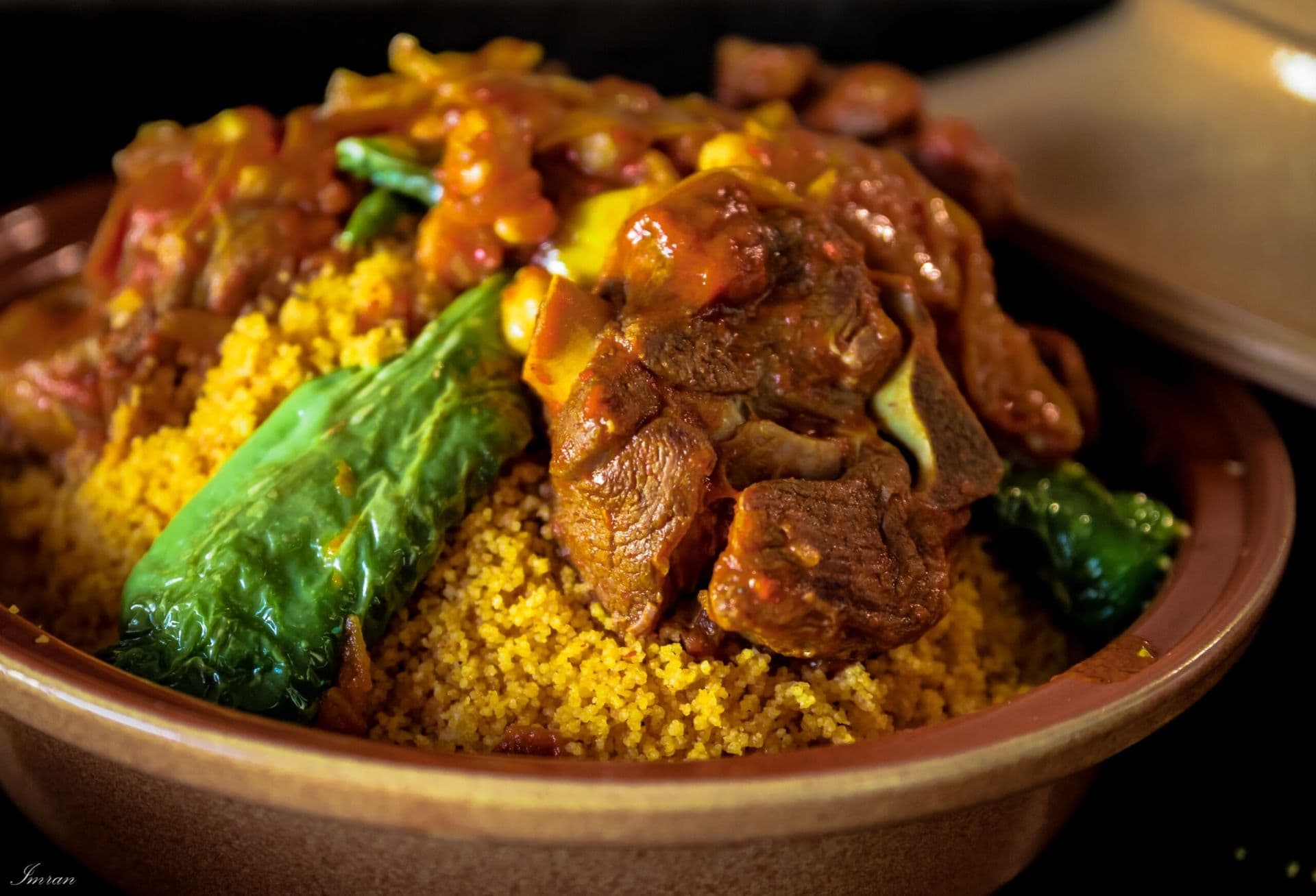
Bazin is the most iconic dish you will encounter. It is a thick paste made from wheat flour and water, cooked slowly until it becomes a dense, dough-like consistency. It is eaten with the hands, torn into pieces, and dipped into a rich tomato and meat stew. The texture is chewy and comforting, designed to be shared. Do not expect silverware for the main component.
Mabkaba is another essential. It is a mixture of ground wheat, lentils, and herbs, cooked into a porridge-like dish. It is often served with a broth or a side of yogurt. The flavor is earthy and nutty, reflecting the grain-heavy agriculture of the Marj District.
Couscous, prepared in the Libyan style, is steamed multiple times to achieve a light, fluffy texture. It is typically served with a variety of vegetables and sometimes meat. Shorba, a hearty soup, is a common starter, often containing chickpeas, lentils, and noodles. These dishes represent daily food. The beauty lies in the simplicity and the quality of the olive oil that binds the flavors together.
Getting to Al Abyār from Benghazi
There is no railway line serving Al Abyār. Your journey will be by road. The town is located roughly 50 kilometers east of Benghazi. This is a manageable drive, taking approximately one hour depending on traffic conditions in the capital. The route follows the main highway out of the city, transitioning from urban sprawl to the agricultural plains of the Marj District.
You can arrange a private car or taxi from Benghazi. While specific fare prices vary and are not standardized in published sources, it is advisable to agree on a price before starting the trip. Local taxis are a common mode of transport for this distance. If you are coming from Marj, the distance is shorter, at about 42 kilometers to the southwest. The roads are generally paved, but conditions can vary. It is best to travel during daylight hours. The elevation of 274 meters gives the town a slightly cooler climate than the coastal areas, which can be a relief during the warmer months.
Local Etiquette and Cultural Nuances
In Al Abyār, as in much of Libya, hospitality is a cultural cornerstone. If you are invited to a home or a local gathering, it is customary to accept food and drink. Refusing can be seen as a slight. When eating dishes like Bazin or Mabkaba, using your right hand is the standard practice. The left hand is traditionally reserved for other purposes.
The pace of life in an agricultural town is slower than in Benghazi. Conversations are often long and unhurried. If you are dining with locals, do not rush the meal. The food is meant to be savored, and the company is equally important. Language is Arabic, specifically the Libyan dialect. While some older residents may speak a few words of English, it is helpful to learn basic greetings. "Salam alaikum" is a safe and respectful opening.
The community is tight-knit. As a visitor, you may be asked where you are from. Be prepared to share a bit about your background. The lack of a formal tourism industry means that interactions are personal. This is where the authenticity lies. You are a guest, not a customer.
When to Visit and Who This Is For
There are no major public holidays recorded for the next six months that would significantly impact travel to Al Abyār. The best time to visit is generally during the autumn and spring months, when the temperatures are mild and the olive harvest may be underway. Summer can be hot, while winter is cool but rarely cold.
This destination is best suited for travelers who are interested in cultural immersion and food. It caters less to those seeking nightlife or high-end amenities. Families may enjoy the open spaces and the educational aspect of seeing how food is grown. Solo travelers should be mindful of local customs and may find it easier to travel with a local guide or host. A stay of two to three days is sufficient to explore the town, visit the markets, and experience the local dining culture. There is no need to stay longer unless you are conducting specific agricultural research.
Frequently Asked Questions
Do I need a visa to visit Al Abyār, Libya? Visa requirements for Libya depend on your nationality. Most travelers require a visa, which is often arranged through a sponsor or tour operator in Libya. It is advisable to check with the Libyan embassy in your home country for the most current regulations before planning your trip.
Is it safe to travel to Al Abyār? Safety conditions in Libya can vary by region. Al Abyār is in the northeastern part of the country, which is generally considered more stable than some other areas. However, travel advisories change frequently. It is essential to check the latest government travel advice from your home country and to maintain situational awareness.
What currency is used in Al Abyār? The Libyan Dinar (LYD) is the official currency. Cash is king, and ATMs may not be readily available in smaller towns. It is recommended to carry small denominations for local purchases and to have some cash on hand for tips and market transactions.