The A199 road hums with a different energy in May. Where commuters once rushed toward Edinburgh, the lane now carries cyclists and walkers drawn to the River Tyne’s gentle banks. East Linton, a compact village in East Lothian, Scotland, sits quietly at a crossroads that has connected travelers for centuries. It was once a vital staging post on the Great North Road, where stagecoaches paused to change horses and weary passengers stretched their legs. Today, it serves as a calm base camp for those who view the world not through a list of bucket-list capitals, but through the lens of local rhythm, landscape, and slow exploration. Spring here means light that lingers until nearly 9 p.m., wild garlic scenting the hedgerows, and a population of 1,700 residents who know the value of a good hello. This is not a place to rush through; it is a place to start thinking differently about what travel can be.
From Staging Post to Slow Travel Hub
East Linton’s history is written in its layout. The village grew around the River Tyne and the bridge built in the 16th century, which turned a crossing point into a community. By the 18th and 19th centuries, it was a busy stop on the Great North Road, the arterial route linking London to Edinburgh. Coaches stopped here. Letters were exchanged. News traveled at the speed of a horse’s gallop. Today, the road is quieter, but the spirit of connection remains. The village has been named one of the best places to live in Scotland, a testament to its balance of rural charm and modern convenience.
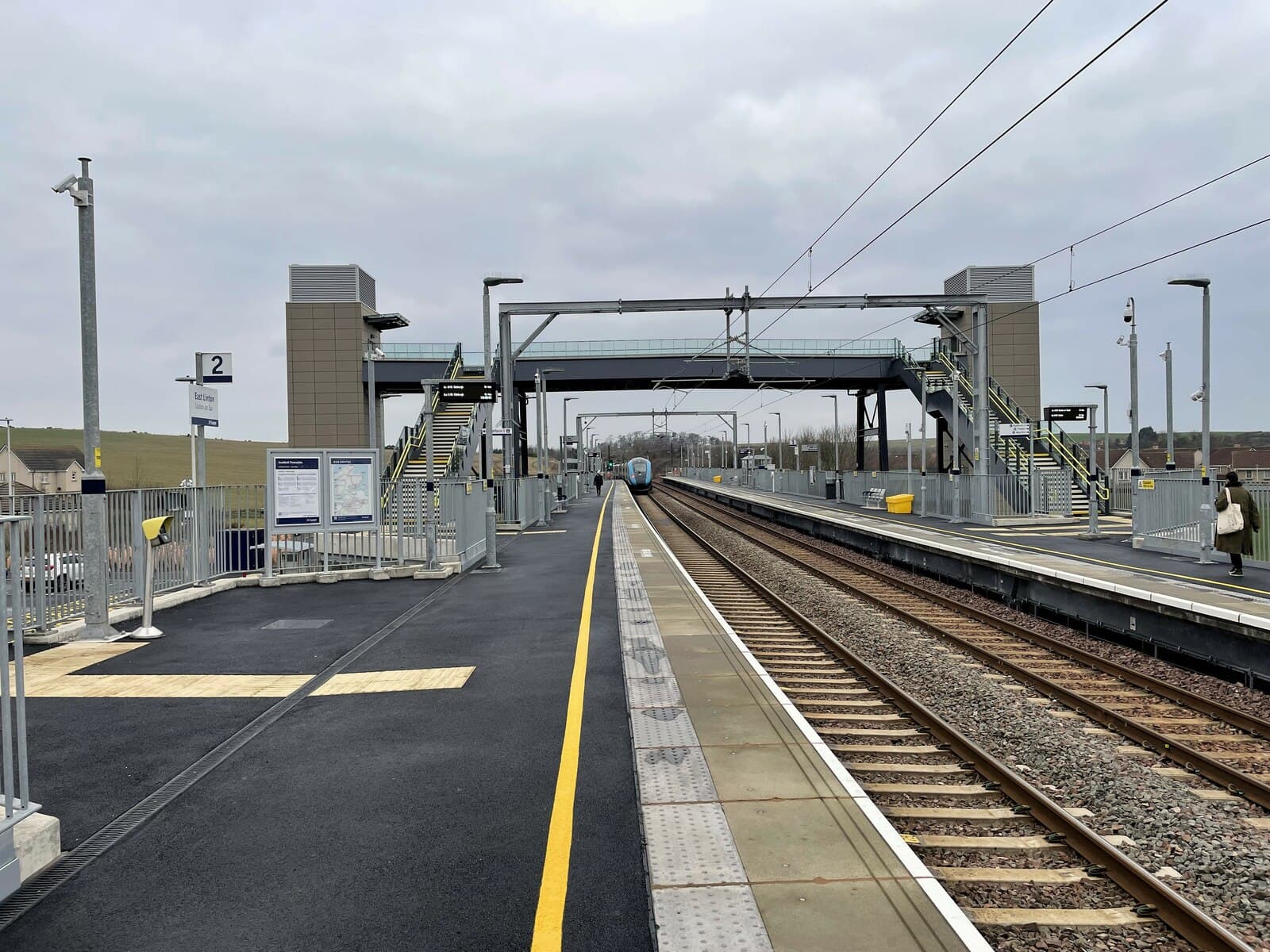
For the traveler, this history offers a useful metaphor. East Linton is a reminder that every destination is a node in a larger network. When you step off the train at East Linton station, you are joining a lineage of people who have paused here to rest, refuel, and rethink their route. The station itself is small, with a single platform and a shelter that feels more like a country cottage than a transit hub. Trains run regularly to Edinburgh Waverley, a journey of roughly 50 minutes, making the city easily accessible while leaving the village’s pace intact. This duality is the village’s greatest asset: you can have the city when you need it, and the countryside when you want it.
Walking the River Tyne and Beyond
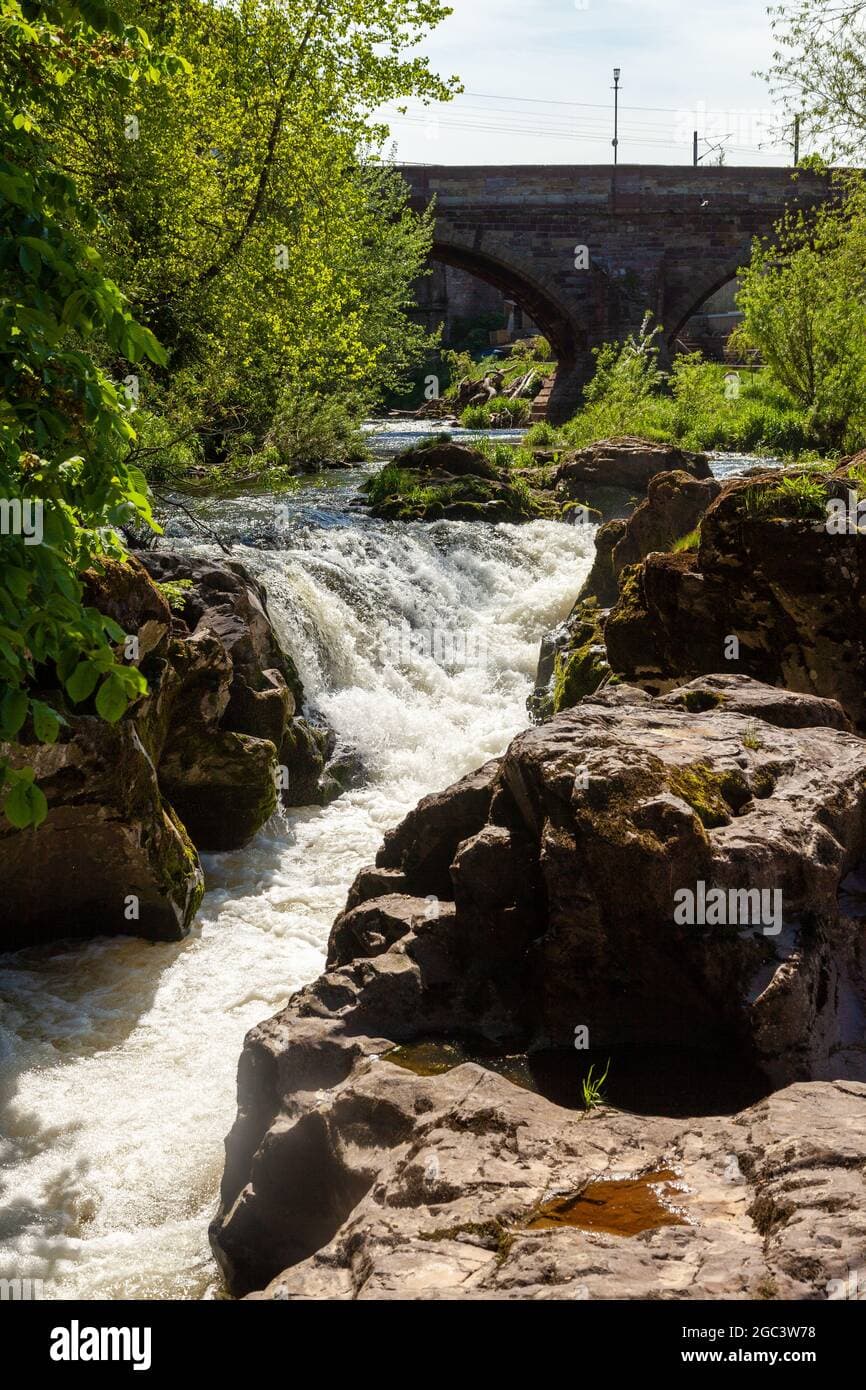
The River Tyne Path is the village’s green spine. It follows the water eastward toward the sea at Gullane and westward into the wider Scottish landscape. In spring, the path is lined with bluebells and the sound of water over stones provides a steady, calming soundtrack. The walk to Gullane takes about two hours at a leisurely pace, passing fields of grazing sheep and occasional views of the Firth of Forth. Cyclists use the same route, and the flat terrain makes it ideal for families or anyone looking for a low-effort, high-reward day out.
For those with more energy, the Southern Upland Way passes within a short distance, offering a chance to tackle a section of Scotland’s long-distance trail. The path winds through moorland and small villages, rewarding hikers with a sense of isolation that feels earned rather than imposed. East Linton’s proximity to these routes makes it a practical base for multi-day walkers. You can park your car, take the train, or drive to a trailhead and return to a warm pub at the end of the day. The key is to match your pace to the landscape. There is no rush here, and the village does not reward those who try to force one.
Dining and Drinking with Local Character
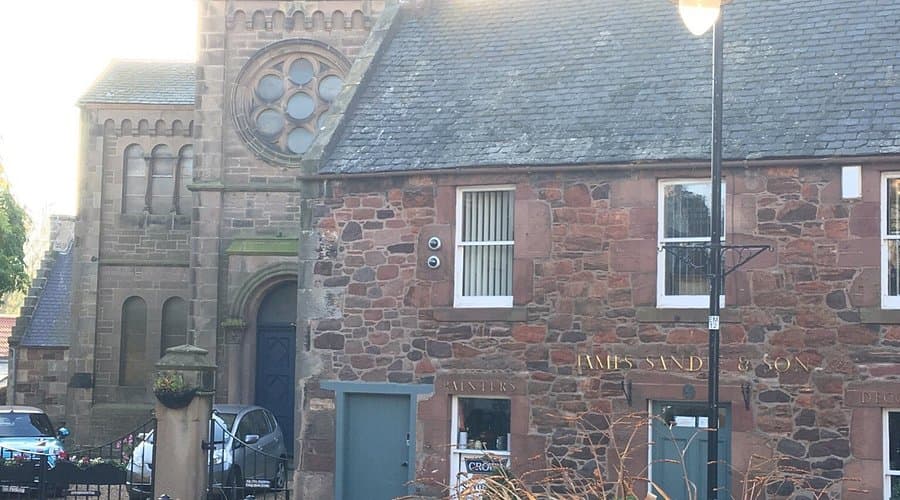
East Linton’s hospitality scene is small but serious. The village boasts a handful of pubs and cafes that prioritize local produce and a relaxed atmosphere. The Castle Inn, a historic pub with stone walls and a fireplace that sees regular use even in spring, serves hearty meals and local ales. It is the kind of place where you might strike up a conversation with a farmer, a teacher, or a traveler from halfway across the globe. The menu changes with the seasons, but you can always expect fresh fish, locally sourced meat, and vegetables from nearby farms.
For a lighter option, the village cafe offers teas, coffees, and homemade cakes that are best enjoyed with a view of the river. Prices are reasonable, with a main course at the pub typically ranging from £15 to £25, and a coffee and cake costing around £6 to £8. The focus is on quality and comfort rather than spectacle. This approach reflects the broader philosophy of East Linton: travel is not about checking boxes, but about savoring moments. A meal here is not just sustenance; it is an invitation to slow down and notice the details—the texture of the bread, the aroma of the soup, the sound of rain against the window.
Staying Overnight in East Lothian
Accommodation in East Linton is limited in quantity but strong in character. You will not find large chain hotels here. Instead, the village offers bed and breakfasts, guesthouses, and self-catering cottages that feel like an extension of the community. Prices vary, but a double room in a B&B typically costs between £80 and £120 per night, including breakfast. This range reflects the village’s commitment to value and authenticity. You are paying for a warm welcome, a home-cooked morning meal, and a location that puts you at the heart of the action—or, more accurately, at the heart of the calm.
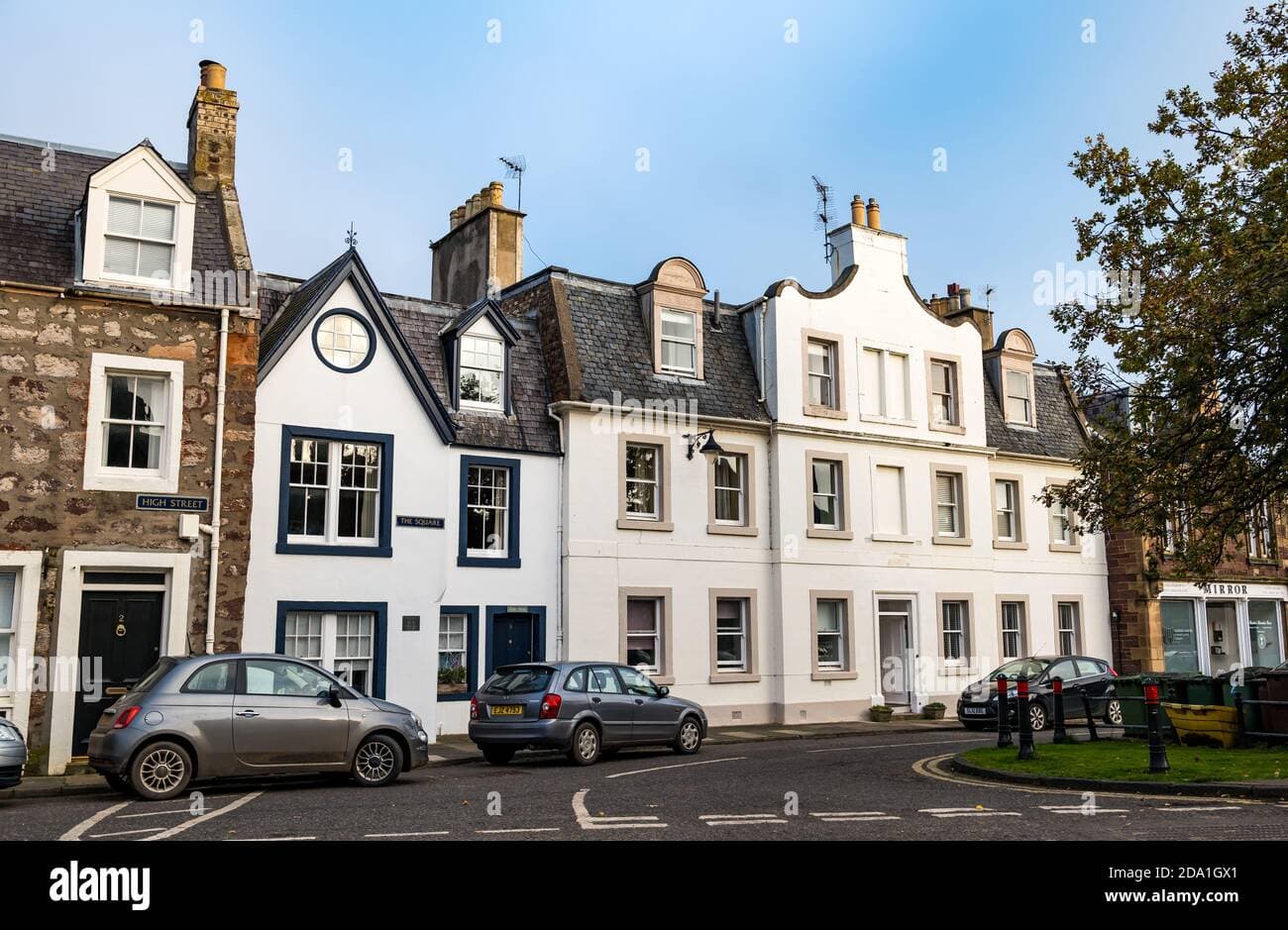
For those seeking more space, self-catering cottages are available in the surrounding countryside. These properties often feature modern amenities alongside traditional features like stone walls and wooden beams. They are ideal for families or groups who want the freedom to cook their own meals and set their own schedule. Booking in advance is recommended, especially during spring and summer when demand is higher. The village’s small size means that options fill up quickly, but the effort is rewarded with a stay that feels personal and unhurried.
Connecting East Linton to the Wider World
East Linton’s location makes it a practical base for exploring East Lothian and beyond. The train station provides a direct link to Edinburgh, allowing you to visit the city’s museums, galleries, and restaurants without sacrificing the village’s tranquility. A day trip to Edinburgh takes less than two hours each way, and the return journey is a chance to decompress and reflect on what you have seen. For those with a car, the A199 connects to the A1, which runs north to Berwick-upon-Tweed and south to the English border.
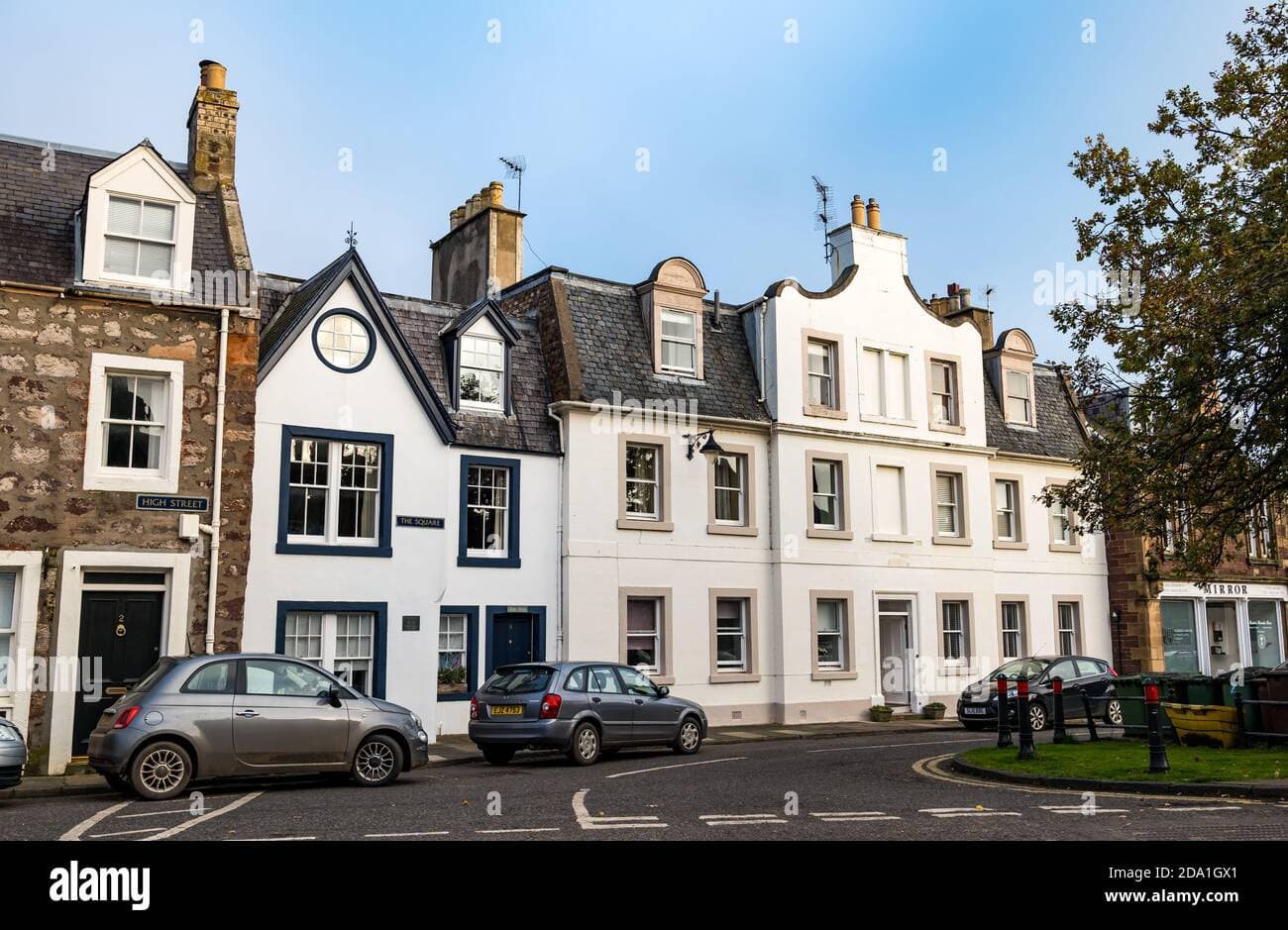
Cycling is another excellent way to explore the region. The Go East Lothian Trail and other local routes offer a network of quiet roads and paths that are ideal for road cyclists and casual riders alike. You can start in East Linton and ride to North Berwick, a coastal town with a vibrant harbor and the Scottish Seabird Centre, or head inland to Haddington, a historic market town with a charming high street. The distances are manageable, and the scenery changes with every turn, from rolling farmland to dramatic coastline. This flexibility is what makes East Linton such a compelling base. It is not just a destination; it is a launchpad for a broader understanding of what travel can offer. In a world that often feels rushed and fragmented, East Linton invites you to pause, connect, and see the journey as the destination.