Learn the rhythm of Eastern Province cooking in Petauke, Zambia, where the farm-to-table experience starts at the market and ends at your own stove.
The Reality of the Kitchen
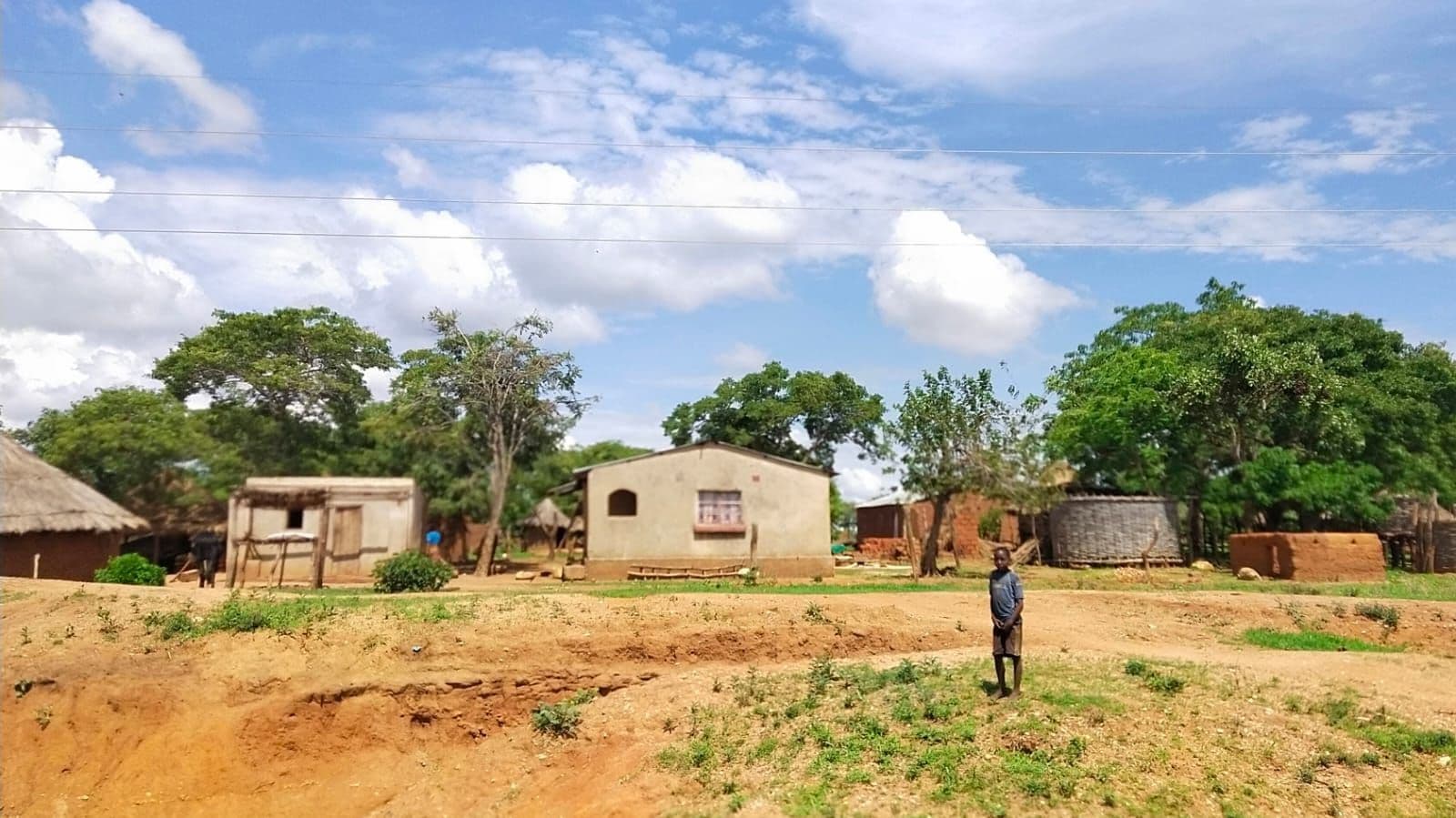
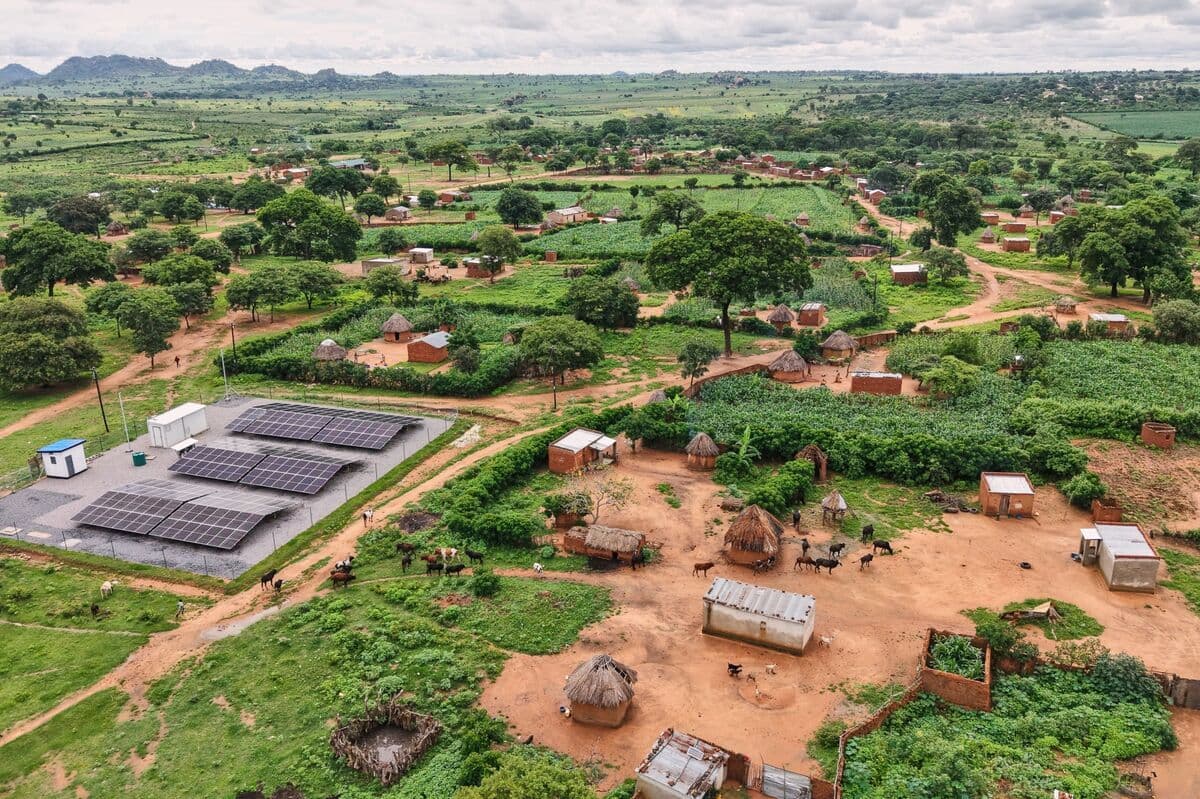
There is no "Petauke Cooking Class" listed on a booking site. There is no tourist trap selling you an hour of chopping tomatoes while a guide films your struggle. That is the point. Petauke is the seat of Petauke District in Zambia’s Eastern Province, a town of roughly 14,000 people sitting just off the Great East Road. The local Town Council calls the district "The Hub Of Agriculture," and they aren’t marketing fluff. This is a working farming region. The food here is survival, sustention, and pride.
If you are coming to learn how to cook in this part of Zambia, you are not buying a ticket to a studio. You are negotiating access to a domestic space. The "class" is the reality of how a family feeds itself when the market closes and the sun drops behind the Eastern Province hills. You will learn that the sauce is made from ground tomatoes, chilies, and patience. You will learn that the maize meal, the staple of the region, is the baseline.
Skip the destination for the Instagram-happy who want a clean apron and a branded tote bag. This place is for the person who wants to know why the meal tastes like smoke and earth. It is for the cook who respects the ingredient over the plating. If you want a structured curriculum, you are in the wrong place. If you want to stand in a local kitchen, wash your hands, and figure out why the local version of a stew hits different, you are exactly where you need to be.
How to Get a Kitchen Access
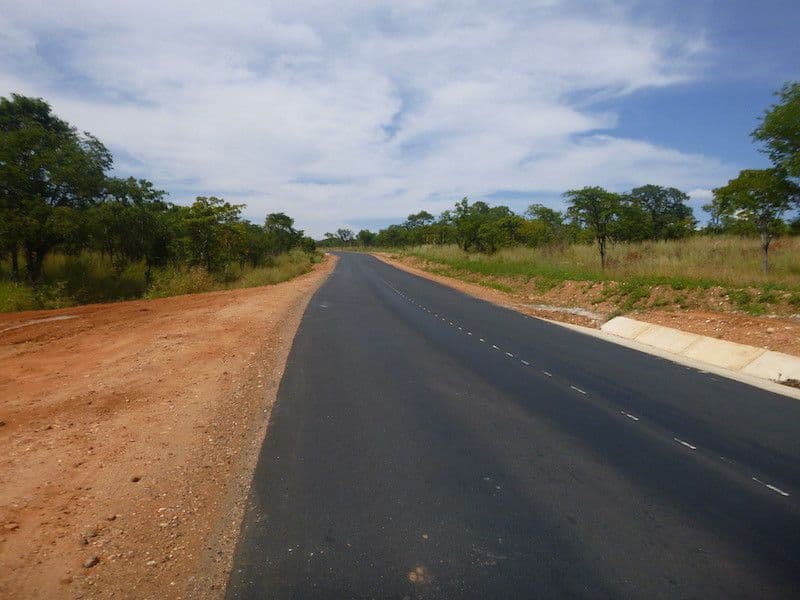
Since no formal operators are confirmed for Petauke, your "tour operator" is your initiative. The town is situated just off the Great East Road, the major artery connecting Lusaka (about 400 km away) and Chipata (about 170 km west). This road means Petauke is a transit point. Buses and minibuses stop here. That is your entry point.
When you arrive, do not look for a sign. Look for the local market area. In a town described as the hub of agriculture, the market is the heart. Go there first. Buy the ingredients. This is the first lesson: if you cannot buy the food, you cannot cook it.
To get into a kitchen, you need a human connection. The main spoken language in the district is Nsenga. English is widely understood in the town center and among those dealing with the Town Council or trade, but in a private home, Nsenga is the language of trust. You will likely need a local guide or a trusted contact in the town to introduce you to a family willing to share their space. This is a favor you ask in person, backed by respect and perhaps a small gift of goods from the market.
Expect the process to be slow. The "class" might happen over two days. Day one is the market: identifying the right tomatoes, the correct cut of meat, the specific type of maize meal. Day two is the fire: learning to manage the heat, to taste the sauce, to understand that the meal is not done until the family says it is.
What You Will Actually Cook
We have no confirmed list of "signature dishes" for Petauke specifically, and that is fine. The food of the Eastern Province is consistent in its fundamentals. You will be working with maize meal, the staple grain of Zambia. You will be working with vegetables from the district’s agricultural output. You will be working with local proteins, likely beef or goat, depending on what the family has.
The technique is simple, but the execution is everything. Maize meal preparation is a skill. It requires slow stirring, a specific consistency, and a rhythm. If you rush it, it clumps. If you over-stir, it turns to paste. The local cooks do this by feel. You will learn to feel the texture of the meal as it thickens.
The sauces are where the flavor lives. In many parts of Zambia, the "stew" is the vehicle for the meal. You will learn to balance acidity from tomatoes with the heat of chilies. You will learn that the seasoning is built layer by layer. The local cooks in Petauke, surrounded by the "Hub of Agriculture," have access to fresh produce that is weeks old in the supermarkets of Lusaka. That freshness changes the cooking time. You will learn to adjust your heat accordingly.
Do not expect a written recipe. The "recipe" is in the hands of the person cooking. You will watch, you will smell, you will taste. You will be told to add more water or to let it simmer longer. That is the class. There is no certificate. There is only the meal, and the fact that you made it.
Logistics: Money, Time, and Transport
Petauke is approximately 400 km east of Lusaka. The journey is long. The Great East Road is the main route, but conditions can vary. You should budget for a full day of travel from the capital, or position yourself in Chipata, which is only about 170 km to the east. Chipata is a larger city with more infrastructure, but Petauke is the agricultural heart.
Money is local currency: the Zambian Kwacha. Cash is king. You will need small notes for the market. You will need enough to buy ingredients for the family you are cooking with, or to pay for the food you are consuming. Do not expect card payments in a private kitchen.
Timing is critical. The market opens early. If you want to buy the best ingredients, you are there at dawn. The cooking happens in the afternoon. You need to be present for the prep. This is a full day.
You will need to book your transport in advance. The minibuses and buses on the Great East Road run on demand, but seats fill up. If you are traveling during a holiday week, the demand will spike. Book early.
Etiquette and The Local Rhythm
The main spoken language is Nsenga. While English is the official language of Zambia, and you will be understood in the town center, the kitchen is a private space. Learning a few words of Nsenga shows respect. It shows you are a guest participating in a home, not a tourist extracting a skill.
Eat with your hands if that is the custom. In many parts of Zambia, the meal is eaten with the hand, and the maize meal is used to scoop the sauce. This method creates a direct connection to the food. Do not refuse. Do not use a fork unless you are asked.
Be patient. The pace in Petauke is different from the pace of a city. The sun sets, the market closes, the family gathers. You are part of that gathering now. Do not rush the cooking. Do not rush the conversation. The "class" is the interaction. The food is the excuse.
When to Go and Who It Is For
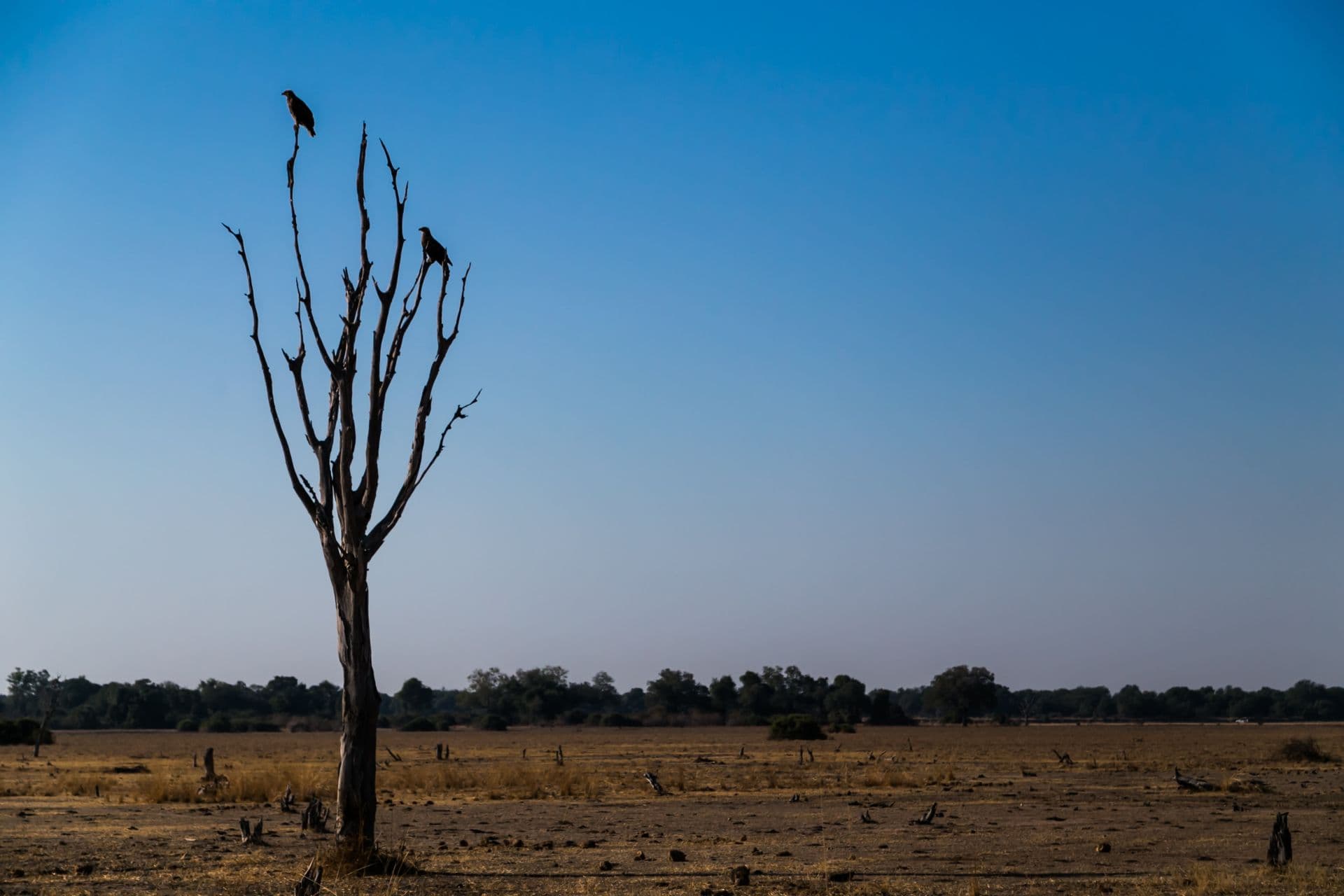
The current date is late October. This is the dry season in Zambia, but it is also the run-up to major national holidays. National Prayer Day is on October 18, 2026, and Independence Day is on October 24, 2026. These are major national events. Expect higher demand for transport and accommodation in the Eastern Province. If you are traveling now, book everything immediately. Prices will surge, and seats will vanish.
If you can, wait until after the holidays. The period from November through February is the rainy season. The roads can become difficult, and the agricultural cycle changes. However, the green landscape is beautiful, and the markets are abundant.
This experience is for the slow traveler. It is for those who do not need predictable schedules or a bar scene at night. Petauke is a town of 14,000 people. It is quiet. It is agricultural. It is real.
Stay for at least three days. Day one: arrival and market reconnaissance. Day two: the cooking session. Day three: reflection and departure. Do not try to cram it into a day. You will miss the point.
Frequently Asked Questions
Is there a formal cooking school in Petauke? No. There are no confirmed formal operators or tourist-oriented cooking schools in Petauke. The "class" is an informal, private experience arranged through local connections.
How do I arrange a cooking session? You must arrange it in person upon arrival. Visit the local market, establish a connection with a local guide or trusted contact, and ask for an introduction to a family willing to host. Do not expect to book this online.
What language should I speak? English is widely understood in the town, but Nsenga is the main local language. Learning basic greetings in Nsenga will go a long way in gaining trust in a private domestic setting.