Swap the Baltic coast for Belarus’ quiet interior. Byahoml’ offers 100km from Minsk, a 19th-century church, and enough silence to actually finish your work.
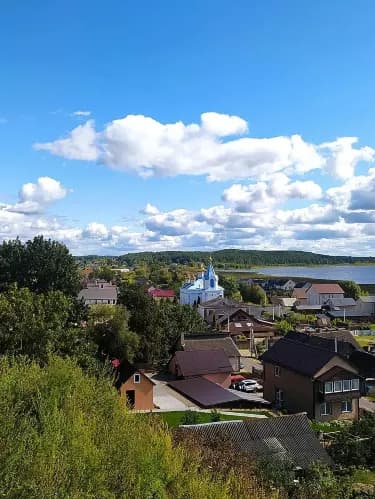
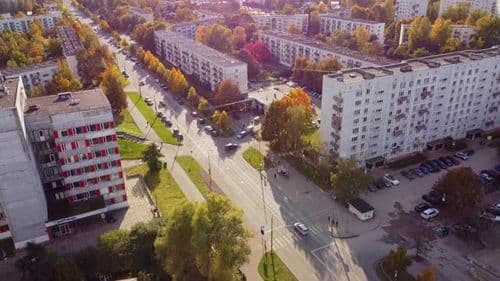
The main highway cuts through eastern Belarus with the indifference of a well-oiled machine, and right at the 100-kilometer mark north of Minsk, the traffic thins out. You’re in Byahoml’. It’s not the kind of place where you’ll find a coworking space with a rooftop yoga deck or a café serving single-origin espresso with a foam logo. Instead, you get a population of roughly 2,457 people, a direct road link to Vitebsk, and a kind of digital silence that is, paradoxically, the most productive thing you’ll experience all year. For the remote worker who is tired of the "vibrant hub" noise, Byahoml’ is the anti-hub. It is small, it is specific, and it is exactly what you need when you just want to close the laptop and hear the wind.
The Landscape of Work
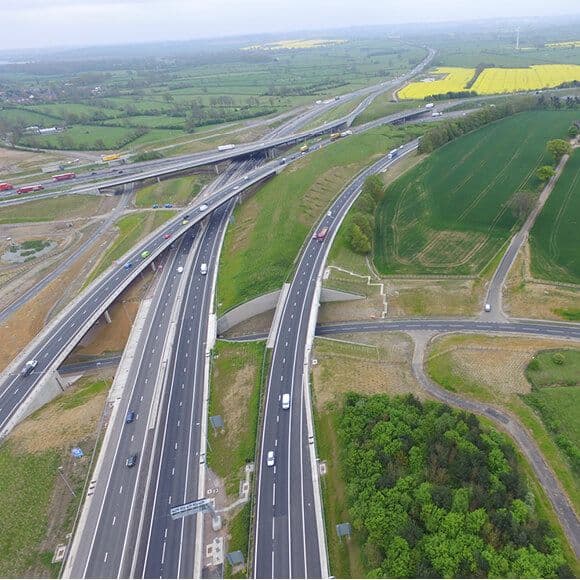
Let’s be honest: the "digital nomad hub" label is often a marketing term for places with expensive Wi-Fi. Byahoml’ doesn’t need to market itself. It’s a small urban-type settlement in Dokshytsy District, Vitebsk Region. The infrastructure is basic but reliable. You’re served by local rail via the Belarusian Railway network, which connects you to the broader Vitebsk region. If you’re driving, the main highway is your lifeline. It’s a straight shot from Minsk, which is a significant perk if you need to fly out of the capital. The drive to Vitebsk, the regional capital, takes about two and a quarter hours. That’s a manageable commute for a week of deep work. You aren’t in the middle of nowhere; you’re in a pocket of stability. The local rail line is a bit of a mystery in terms of specific naming in international guides, but it exists and it runs. For a nomad, that’s enough. You don’t need a high-speed rail network to get your emails done. You need a table, a wall, and a lack of interruptions. Byahoml’ provides all three.
The Church of All Saints
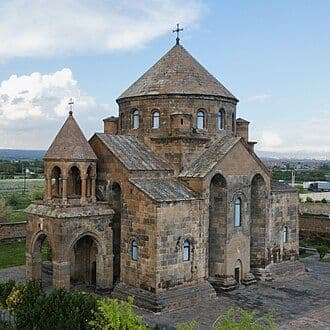
You can’t talk about Byahoml’ without talking about the Church of All Saints. Built in 1886, it’s a piece of retrospective Russian architectural style that stands out against the flat, autumnal landscape of Belarus. It was destroyed in the 20th century, which is a fate shared by many structures in the region, but it is currently undergoing restoration. This is the kind of detail that makes a place feel alive. You’re not just looking at a monument; you’re looking at a process. The church is a reminder that even in a place this small, history is being actively maintained. If you’re working from a local guesthouse or a quiet room in town, a walk to the church is a ten-minute break that resets your brain. The architecture is heavy, solid, and distinctly 19th-century. It doesn’t try to be modern. It just is. For a traveler who has spent the last five years in glass-walled offices, the weight of that stone is a grounding experience.
Practical Logistics
Getting to Byahoml’ is straightforward, but you need to plan your transit. The cheapest option from Byahoml’ to Vitebsk is around $17, which is a steal for a two-and-a-quarter-hour journey. If you’re coming from Minsk, you’re looking at a 100-kilometer drive. There’s no specific "digital nomad visa" or special permit for staying in Byahoml’; you’re subject to the same Belarusian entry rules as anyone else. Money-wise, you’ll be dealing with the Belarusian ruble. Prices in a town this size are local, not touristy. A meal at a regional staple spot will cost you a fraction of what you’d pay in a major hub. You won’t find a specific named restaurant in the search results that screams "must-eat," so your best bet is to ask your host or the local rail station staff where they eat. It’s usually a simple, hearty place. The Wi-Fi in a settlement of this size is typically adequate for video calls but don’t count on it for uploading 4K video files without a backup plan.
When to Go and Who It’s For
Autumn is the sweet spot. The days are shorter, the light is softer, and the crowds are non-existent. While there are no massive national holidays that will pack the town with tourists, you might notice a local observance around November 7, a date with historical significance in the region, though it is not a major public holiday in modern Belarus. If you’re planning a trip around this time, book your accommodation a week in advance just to be safe. After that, you have the winter holidays: Catholic Christmas on December 25, 2026, and the New Year period leading into Orthodox Christmas on January 7, 2027. The town will be quiet, but the atmosphere will be festive in a subdued, local way. This place is for the solo traveler or the pair who is done with the "experience economy." It’s not for families who need a playground or for groups who need a nightlife scene. It’s for the person who wants to work for a week, walk to a 19th-century church, and feel like the world has slowed down to match their pace.
FAQ
Is Byahoml’ safe for solo travelers? Yes. With a population of under 3,000, it’s a close-knit community. The main safety tip is to be aware of your surroundings at night, as the streets are not brightly lit like in a major city.
How do I get from Minsk to Byahoml’? The most reliable way is by car or taxi via the main highway. The distance is 100 km. You can also take local rail, but check the current schedule at the Vitebsk region railway office, as specific line names are not always listed in international guides.
What is the best time to visit? Autumn (September to November) offers the best balance of weather and light. Avoid the New Year period if you want total silence, as the town will be celebrating locally.