Skip the airport fees. Take the slow train to Pyapon. Eat at the market. Break the tourist script.
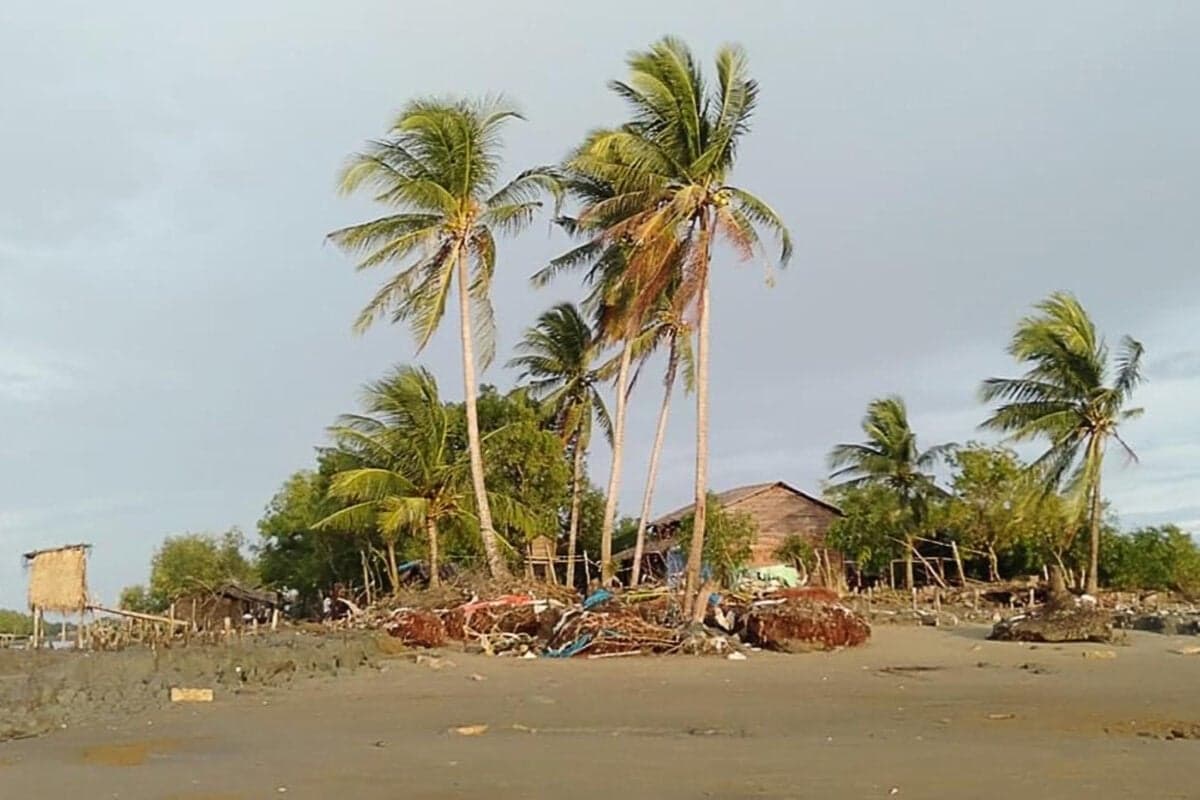
The bus from Yangon costs around $11. That is the price of admission to a place that hasn’t figured out how to sell itself to you yet. Most travelers treat Myanmar like a checklist: Bagans, Inle Lake, the Golden Rock. They fly in, pose, and fly out. They pay for convenience. You are here to pay for time. Pyapon sits 64 miles from Yangon, close enough to escape the capital’s suffocating heat but far enough to forget the grid. You choose Pyapon to step off the assembly line.
You do not come here for the view. You come here because the view is free. The air in the Ayeyarwady Delta is thick with humidity and the smell of wet earth. It sticks to your skin. It reminds you that you are a biological entity, not a consumer. In Pyapon, the pace slows not because of a lack of ambition, but because the infrastructure demands it. You wait for the bus. You walk to the pagoda. You sit on a plastic stool. You watch the dust settle. This is the antidote to the curated vacation. This is the raw feed.
The Reality of the Delta
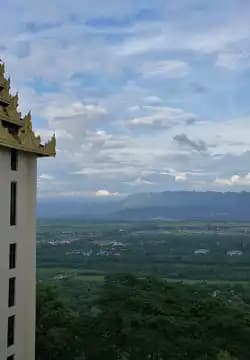
Star City is a large, active residential township in Yangon, not a ruin near Pyapon. Do not confuse the two. Pyapon offers no ghost towns or abandoned concrete skeletons for your aesthetic pleasure. It offers life. The landscape here is defined by rice paddies, waterways, and the steady rhythm of agricultural labor. There are no ticket booths. No gift shops. No QR codes for audio guides. Just the open sky and the work of the delta.
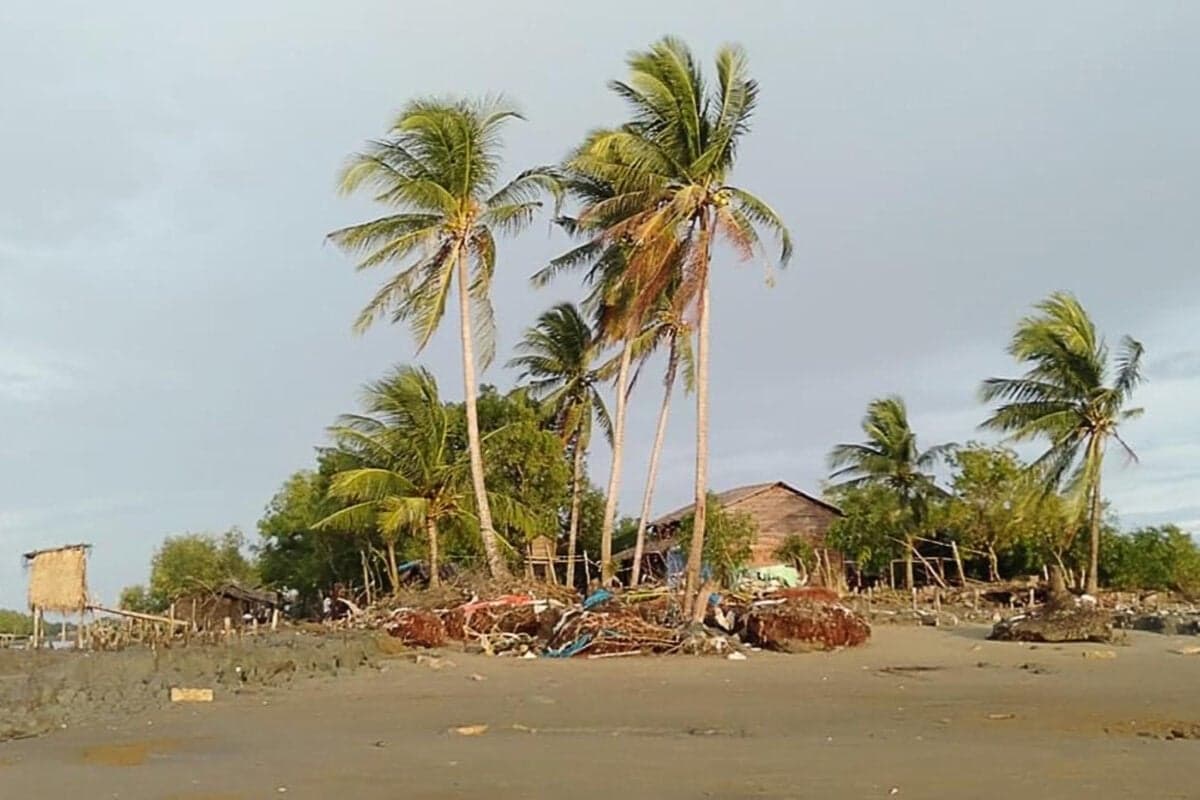
Walking through Pyapon, you are not an intruder in a space reclaimed by neglect. You are a visitor in a functioning community. The vegetation is cultivated, not wild. The sky looks the same here as anywhere else, framed by tin roofs and pagoda spires instead of hotel balconies. It is unpretentious. It should be. Comfort is the enemy of observation. Most people pay to avoid this kind of simplicity. You are here to witness it. Take your time. Let the ordinary unsettle you. It is the only honest thing in a landscape designed to survive.
Temples Without the Tour
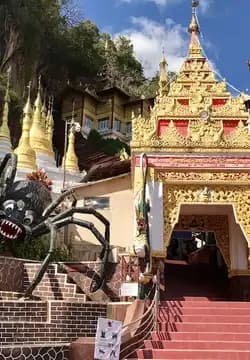
Pyapon Shwe Taung Pagoda, Thein Daung Pagoda, and Thuwanna Thutayama Stupa are places of work for the locals. The monks do not care about your camera lens. They care about their alms. When you visit, you are witnessing. The gold leaf on the stupas is there because someone donated it. It is a transaction of faith, not aesthetics.
Avoid the peak hours if you can, but do not expect empty halls. The faithful do not follow a schedule. They follow devotion. Sit on the floor. Remove your shoes. Feel the cool stone against your soles. This is a sensory reset. The air inside is cooler, stiller. The noise of the delta fades. You are here to be in its presence. If you treat it like a museum, you have already failed. Respect the silence. Do not perform reverence. Practice it.
Eat Where the Locals Eat
There are no Michelin stars in Pyapon. There is no need for them. Go to Myoma Market. This is the heart of the town’s daily rhythm. The stalls are not "authentic experiences" packaged for Western palates. They are places where people buy their dinner. The food is simple. Rice. Fish paste (Ngapi). Vegetables. It is not exotic. It is survival. It is life.
Order what the locals order. Do not ask for "something spicy" if you do not know what that means here. Ngapi is pungent, salty, and essential. It smells like fermentation and history. If it is unfamiliar, you are observing. If you eat it, you are participating. The prices are negligible. A meal costs less than a cup of coffee in Yangon. This is not poverty tourism. This is economic reality. You are paying for calories, not ambiance. The plastic stools are hard. The tables are sticky. The conversation is in Burmese. You are a visitor. Accept it. Listen. Watch the transactions. This is the last honest corner of the city.
The Logistics of Leaving Comfort
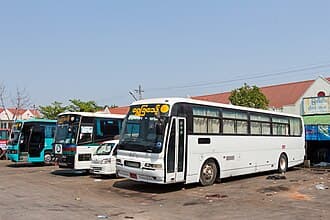
Getting to Pyapon is part of the journey. The road from Yangon takes 1.5 to 2 hours by car, but can stretch to nearly four depending on traffic and road conditions. The cheapest option is the bus, costing around $11. This is not a luxury transfer. It is a shared experience. You will sit next to strangers. You will smell their sweat. You will see their lives. This is the price of admission.
Rail is an option, but the lines are slow and unpredictable. Myanmar Railways operates the network, but do not expect punctuality. The train is a destination in itself. If you take the train, you are buying time. Use it. Read. Sleep. Watch the delta roll by. The dry season, from November to February, is the best time to travel. The roads are passable. The air is bearable. But even in the dry season, you will sweat. You will be uncomfortable. Good.
There are no major holidays in the next six months to worry about. The crowds are thin. The prices are low. This is not a place for families seeking entertainment. It is a place for solo travelers, slow travelers, and those willing to strip away the performance of tourism. Stay for two days. Three if you can handle the silence. Do not book a hotel in advance. Walk into a guesthouse. Pay cash. Ask for the room with the fan. Sleep on the hard mattress. Wake up early. Go to the market. Repeat.
FAQ
Is it safe to travel to Pyapon? Violence is rare, but political instability can affect transport. Check current conditions before you go. Avoid protests. Do not photograph military personnel.
How much money should I bring? Cash is king. ATMs are unreliable. Bring enough Kyat for food, transport, and lodging. $10 a day is more than enough if you eat at the market and stay in basic guesthouses.
Do I need a visa? Yes. Most travelers need a visa for Myanmar. Apply online or through an embassy before you arrive. Do not assume you can enter on a tourist visa from a neighboring country without checking the latest regulations.
Travel is not about finding yourself. It is about losing the version of yourself that requires comfort to exist. Pyapon does not care who you are. It only cares that you are here. Pay the $11. Eat the fish paste. Sit in the ruins. Let go.