Fly cheap to Manzini. Drive two hours into the Highveld. Piggs Peak is a gold-rust town with a casino and a dam.
The nearest airport to Piggs Peak is King Mswati III International Airport in Manzini. It is one hundred and twenty kilometers away. That is the distance between the assembly line of identity you just exited and the place where the air gets thin and the history gets heavy. You do not fly into Piggs Peak. No budget airline serves this coordinate. The low-cost carriers dump you in Johannesburg or drop you in Manzini with a smile that costs extra for baggage. Then you drive. You rent a car, or you take a taxi, and you spend two hours watching the landscape shift from commercial sprawl to the rugged Highveld of the Hhohho District.
This is a commute to a different frequency.
The Illusion of Direct Access
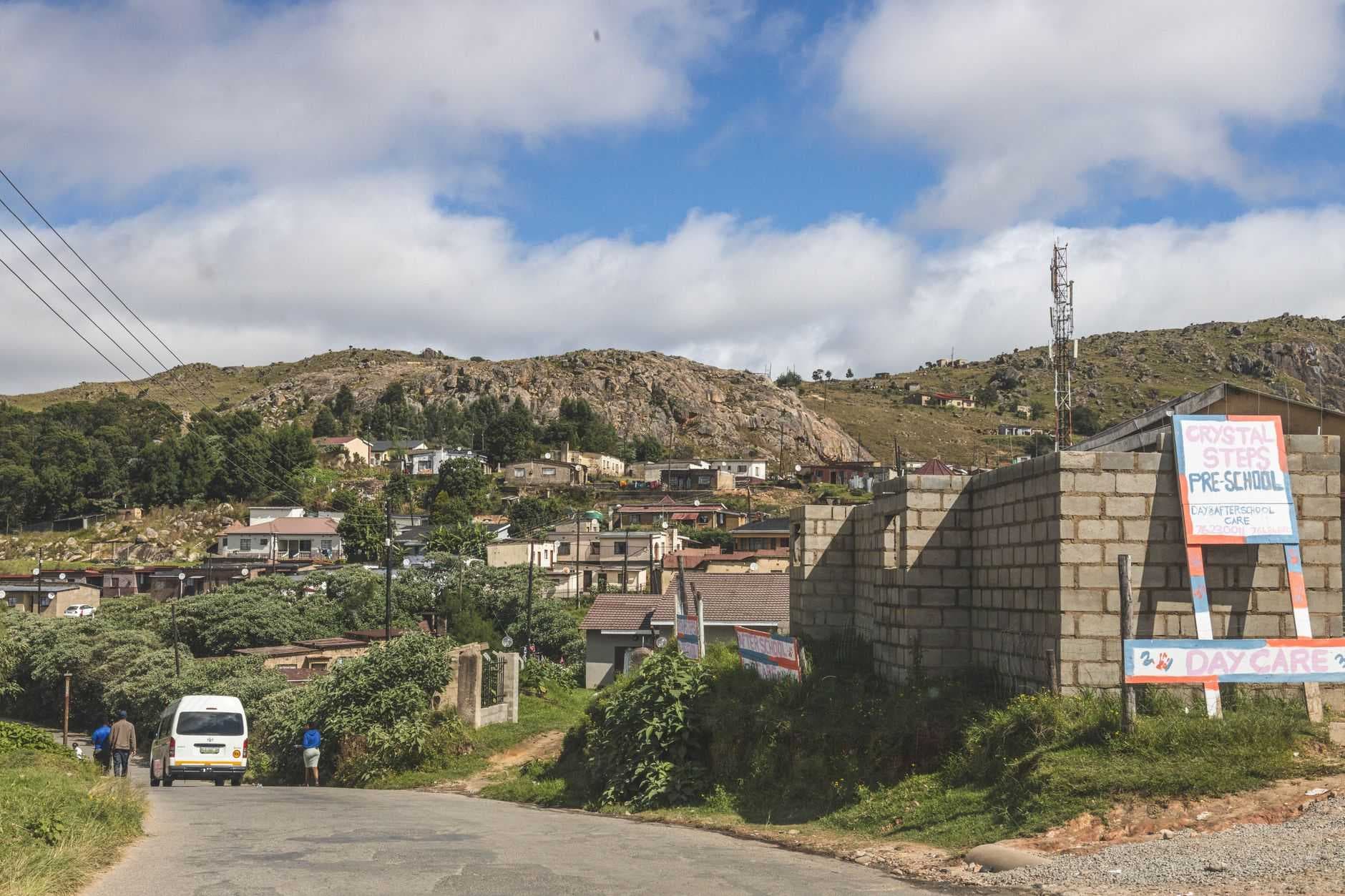
You book the ticket because the price is low. You think you are buying freedom. You are buying logistics. The budget airline model relies on the assumption that you will do the work. In the case of Piggs Peak, that work is the drive north from Manzini. The road is a transit artery for goods and locals. You will see taxis packed with families heading to work in the mines or the farms. You will see the dust of the Highveld kicking up behind your rental car.
There is no railway here. There is no station in Piggs Peak waiting to whisk you away to a scenic terminus. The transport infrastructure is raw and functional. You are on your own. This is good. It strips away the illusion that travel is something done to you. You are moving through the country. You are navigating the terrain. The two-hour drive from the airport is your first lesson in humility. The roads are paved veins of the region, carrying the lifeblood of the Hhohho District.
If you fly into Johannesburg’s OR Tambo International, the drive is longer. The border crossing adds friction. The bureaucracy adds time. You are not a tourist; you are a variable in a system that does not care about your comfort. Embrace it. The friction is the point. It separates the people who want a postcard from the people who want to see how the country actually functions.
The Casino and The Dam
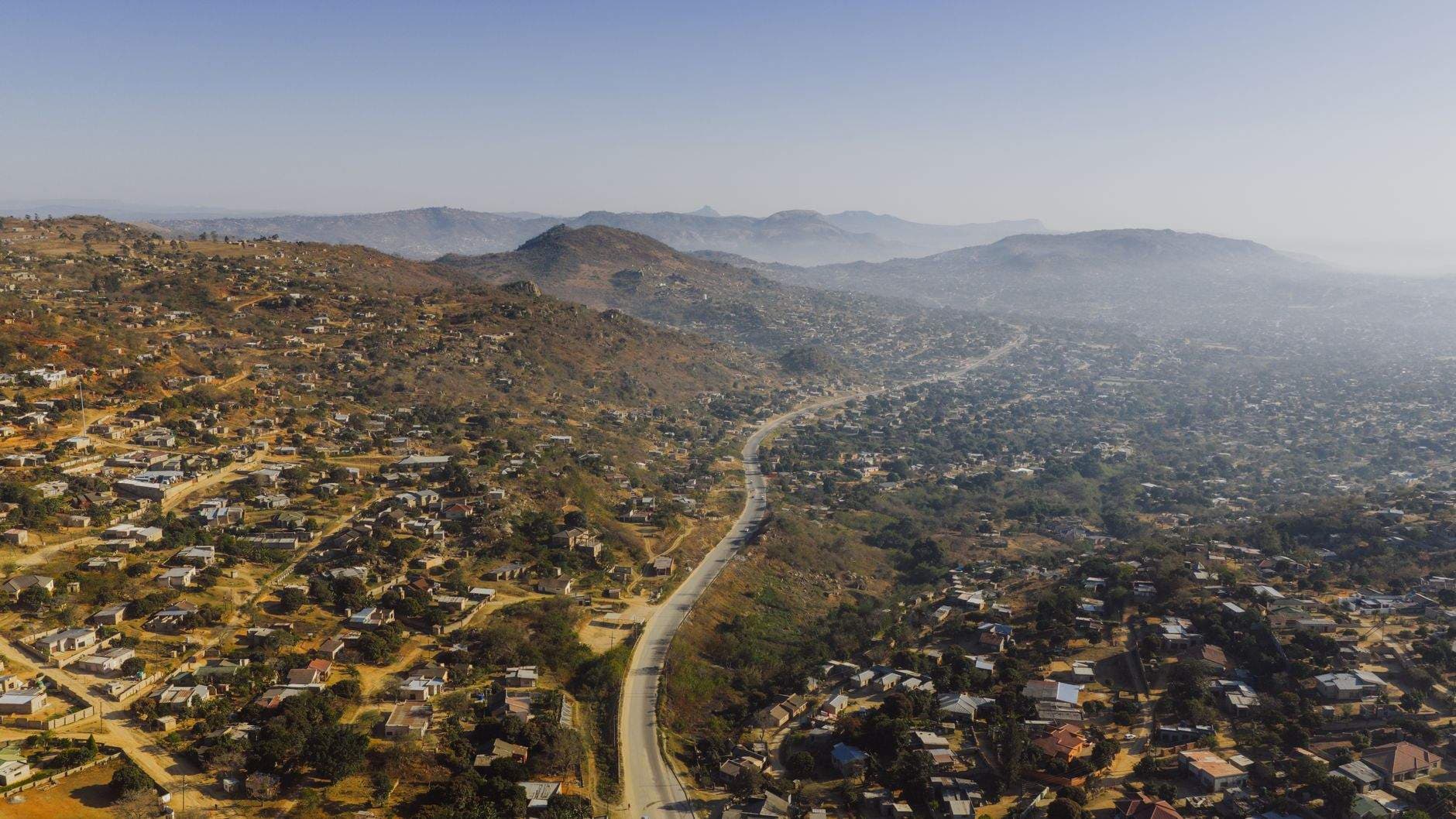
Piggs Peak has two anchors. One is man-made for profit. The other is man-made for power.
The Orion Piggs Peak Casino is the town’s main attraction. It stands in the center of the district, a concrete monument to the hope that money can be manufactured. It is a place where locals and visitors come to test their luck against the house. The architecture is functional, the lights are bright, and the air smells of stale smoke and desperation. It is the only place in town where you can feel the pulse of the modern economy.
Then there is the dam. It is one hundred and fifteen meters high. It holds back the water that feeds a twenty-megawatt hydroelectric power station. This is the real engine of Piggs Peak. Not the casino. The dam. It is a feat of engineering that dominates the landscape. The water is cold, clear, and indifferent to your presence. The dam wall is a sheer face of concrete that reminds you of the scale of human intervention in nature. You can drive around it. You can see the water rushing through the turbines. It is a stark contrast to the neon glow of the casino. One sells dreams. The other powers the grid.
The dam is located near the town, a short drive from the main road. It is a place for quiet contemplation, if you can find any amidst the hum of the generators. The view from the top is expansive, looking out over the Highveld. The sky is vast, and the clouds move fast. It is a reminder that you are small. The casino tries to convince you that you are the center of the universe. The dam knows better.
Gold Dust and Ghosts
The town is named after William Pigg. He discovered a gold reef in the hills in 1884. The mine was historically significant. It drew men from all over the world to dig for wealth in the red earth. Today, the mines are quieter. The gold is still there, but it is deeper, harder to reach. The town retains the ghost of that era. The architecture is a mix of colonial remnants and modern additions. The streets are narrow, winding up the hillsides.
You can walk around Piggs Peak and feel the weight of that history. It is not displayed in museums with glass cases. It is in the texture of the buildings, the layout of the roads, the names of the streets. The gold rush is over, but the legacy remains. The town is a study in resilience. It survived the boom and the bust. It adapted to the changing times. It is a living community.
The Highveld area is cool, even in the summer. The air is crisp. The vegetation is lush, green against the red soil. It is a beautiful place, but it is rugged. It demands respect. You do not come here to relax on a beach. You come here to see a town that has earned its keep.
The Wild Edge
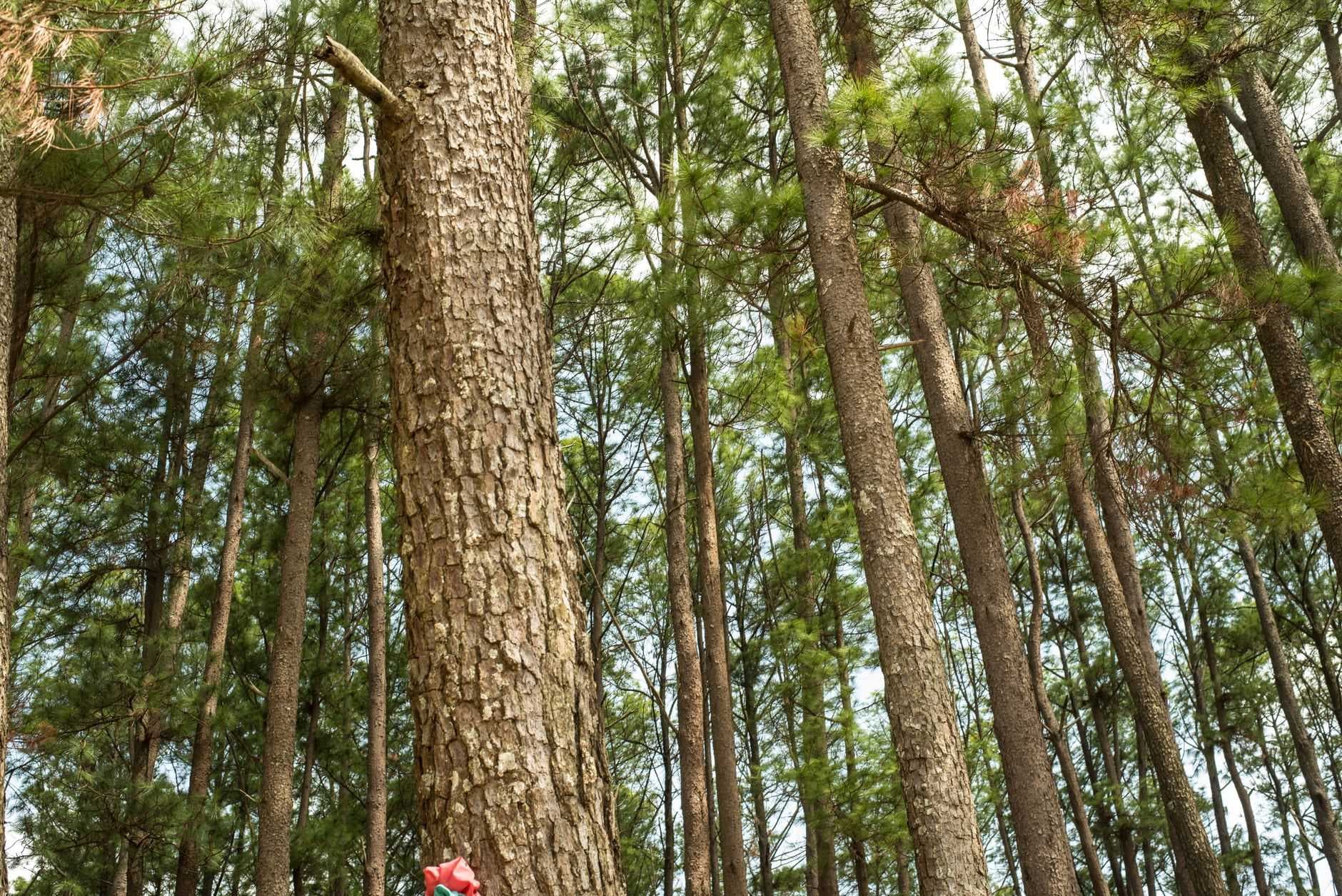
Thirty minutes by car from Piggs Peak is the Malolotja Nature Reserve. This is where the town ends and the wild begins. The reserve is a deep gorge, carved by the Malolotja River. The cliffs are steep, the vegetation is dense, and the wildlife is elusive. It is a place for hiking, for birdwatching, for getting lost.
The drive to the reserve is scenic. The road winds through the hills, offering glimpses of the valley below. The air is cleaner here, thinner. You can see for miles. The reserve is a sanctuary for those who want to escape the noise of the casino and the hum of the dam. It is a place for solitude.
You do not need a guide to enter the reserve. You need your own two feet and a sense of direction. The trails are marked, but they are not paved. The terrain is uneven. You will sweat. You will get dirty. This is the price of admission. The reward is the silence. The sound of the river, the call of the birds, the rustle of the leaves. It is a different kind of noise. It is the sound of life, unfiltered and unmanaged.
Practical Realities
You need a car. Taxis are available from Manzini, but they are not scheduled. You will wait. You will haggle. This is part of the experience. If you value your time, rent a car at the airport. The drive is straightforward, but the roads are not forgiving. Drive carefully. The speed limits are enforced, and the fines are steep.
Money is cash. ATMs are scarce in Piggs Peak. Withdraw your Swazi Lilangeni in Manzini. The exchange rate is pegged to the South African Rand, so you can use Rands if you are desperate, but it is better to have local currency. The prices are not high, but they are not low. You are not in a backpacker hub. You are in a remote district.
Food is local. There are no Michelin stars here. You will eat Swazi cuisine. Staple starches, hearty meats, fresh vegetables. It is simple, filling, and honest. Do not expect variety. Expect sustenance. The restaurants are basic, the service is efficient. You are not paying for ambiance. You are paying for fuel.
When to Go
The Birthday of Late King Sobhuza is on July 22, 2026. It is this week. Expect higher demand, surge pricing, and crowding. Book early. If you are visiting for this holiday, expect the town to be full of locals. The streets will be busy. The traffic will be heavy. This is not a bad thing. It is a chance to see the community in action. But it is not a time for quiet reflection.
Independence Day is in September. Christmas and New Year are in December and January. These are peak times. The prices will be higher. The availability will be lower. If you want to avoid the crowds, go in the shoulder seasons. May to August is cool and dry. September to November is warm and sunny. December to April is hot and rainy. Choose based on your tolerance for weather.
This is not a place for everyone. It is for those who want to see the real Swaziland. Not the postcard version. The version with the dust, the noise, and the history. It is for those who understand that travel is not about comfort. It is about connection.
FAQ
Do I need a visa? Check the official Eswatini immigration website. Citizens of many countries do not need a visa for short stays. Others do. Do not guess. Verify before you fly.
Is it safe? Piggs Peak is generally safe. Violent crime is low. Petty theft is possible. Keep your valuables hidden. Do not walk alone at night. Use common sense.
What is the best way to get around? Rent a car. Taxis are available but unreliable. Public transport is minimal. You need your own wheels to explore the Highveld and the nature reserve.