Skip the tourist traps. Ben Arous offers the real Tunisia: cheap metro rides, coastal breezes, and zero pressure to sightsee.
The Anti-Destination
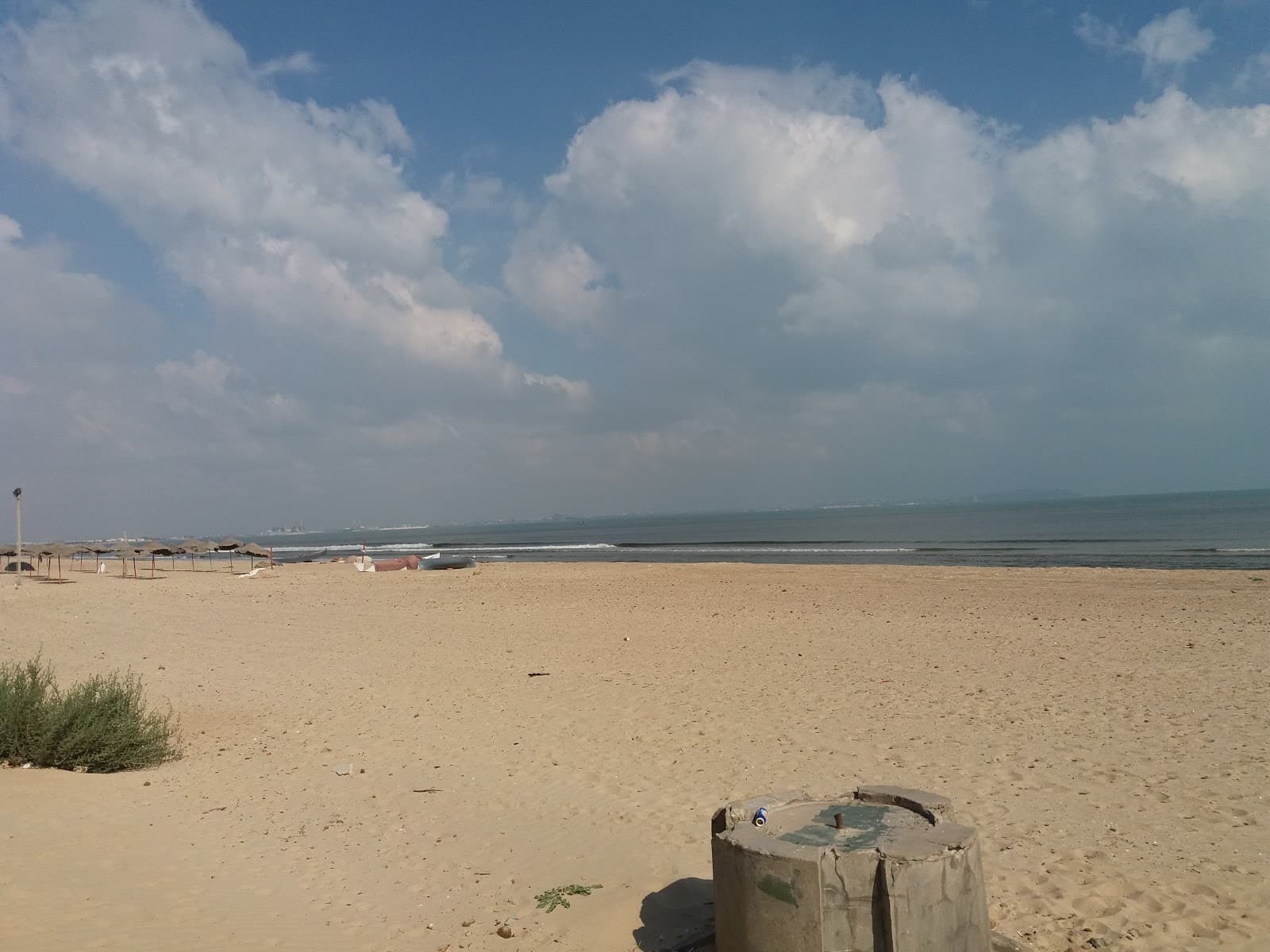
There is a distinct pleasure in going somewhere that nobody else is trying to sell you. Ben Arous, a suburb sitting roughly ten kilometers south of Tunis city center, is not on the postcards. You won’t find it in the glossy brochures promising "authentic desert adventures" or "medieval medina magic." Instead, you find it on a map if you’re looking for where the locals actually live, work, and occasionally breathe a little fresh air. It is the capital of the Ben Arous Governorate, a title that sounds important until you realize it mostly means there’s a municipal building and a lot of residential streets.
I arrived here by accident, which is the best way to discover any place that doesn’t want to be discovered. The plan had been to explore Tunis. The reality was a heatwave, a sudden appreciation for the concept of "shade," and a taxi driver who seemed eager to drop me off at the end of the line. Ten minutes from Tunis Central Station, I was there. The air was slightly less chaotic, the traffic slightly less aggressive, and the price of a cold drink roughly half of what I’d paid in the medina. It turns out, the best vacation spot in Tunisia might just be the place where everyone else is commuting from.
Getting There: The Metro Line
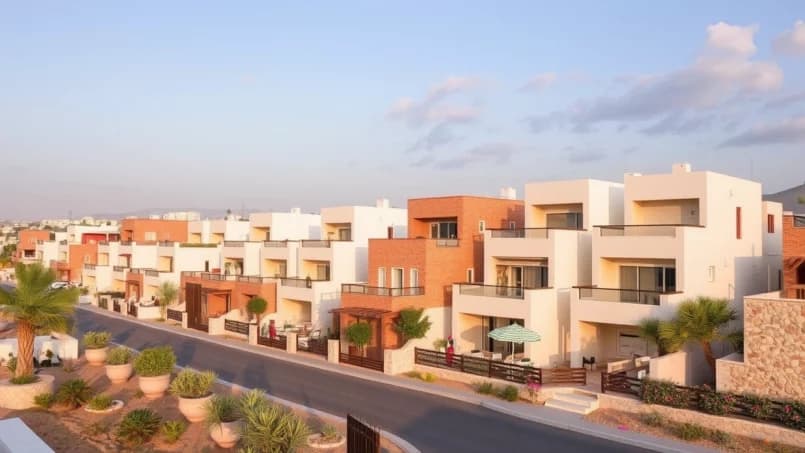
Transportation in Ben Arous is a masterclass in efficiency, provided you know where to look. The Tunis Light Metro system is the artery that keeps this suburb alive. Line T1 runs from Tunis Marine, through the heart of the capital, and serves Ben Arous directly. For a tourist, the experience is delightful because it is cheap, frequent, and utterly devoid of the performative chaos that defines other parts of Tunisian transit.
The ride from the center is short. If you take a taxi from Tunis Central Station, it’s about six minutes. Six minutes. That’s less time than it takes to order a coffee in most European capitals. The taxi fare is reasonable, but the metro is the real winner. Sources suggest the cost is negligible, effectively rounding to zero in some contexts, though you should carry small change for the standard tourist fare just in case. Ben Arous Station is a specific stop on this line, a concrete slab of functionality that serves thousands of commuters daily. There are no souvenir stands. There are no touts. There is just the hum of the electric rail and the quiet dignity of people going home.
What to See (Spoiler: Nothing)
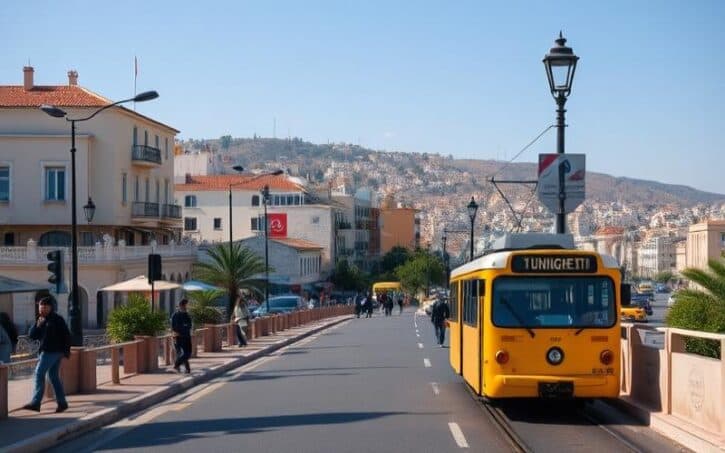
Let’s address the elephant in the room: there are no landmarks. I checked. Wikipedia lists the city as a suburb and governorate capital but doesn’t bother listing specific tourist sights within the city limits. There is no ancient temple, no colonial-era palace, no museum dedicated to the history of carpet weaving. If you are looking for a checklist of "must-see" attractions, you are in the wrong place. And that is the point.
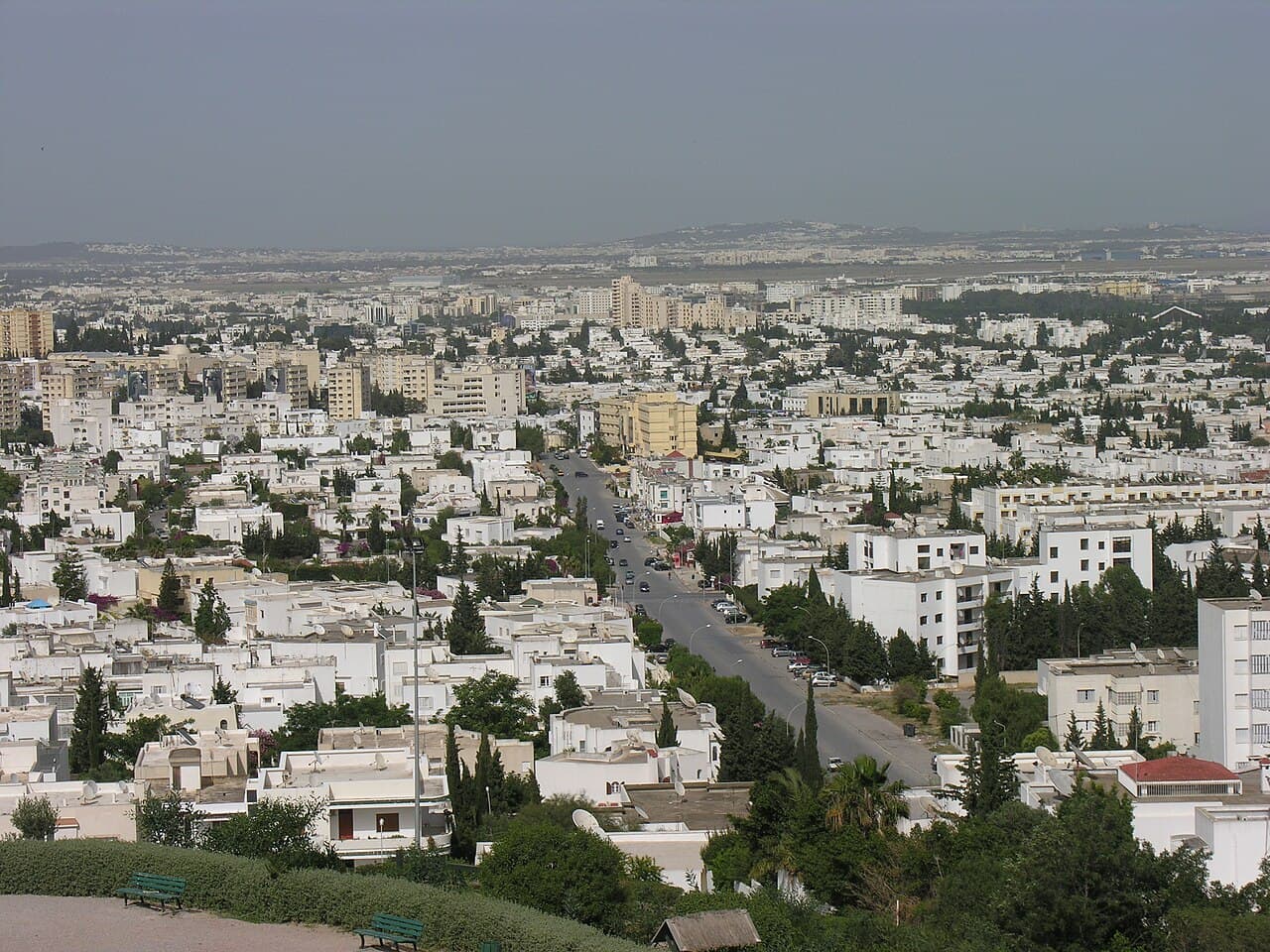
Ben Arous is a place of neighborhoods, not monuments. The "sightseeing" here is observational. You watch the light hit the white-washed apartment blocks in the late afternoon. You notice the way the palm trees sway in the breeze coming off the coast. You see families walking dogs, teenagers hanging out near the station, and the general, uncurated rhythm of daily life. It is a relief to walk down a street that exists for people, not for Instagram. The beauty is in the absence of spectacle. You are free to just be.
Eating Like a Local (Without a Guide)
Since there are no confirmed local dishes unique to Ben Arous, you are free to eat whatever Tunisian food you like. This offers a sense of liberation. You don’t need a guidebook to tell you where the "authentic" baccala is. You just walk into a local café or a small restaurant and order what looks good. Couscous, yes. Tajine, perhaps. A simple grilled fish sandwich if you’re near the coast.
The food here serves hunger rather than tourism. The portions are honest, the prices are low, and the service is fast because the staff are likely in a rush to get to their own dinners. You won’t find English menus, but you also won’t find the inflated prices that come with translation. Order the "plat du jour" if you can read Arabic or French, or point at what someone else is eating. It’s rarely a bad strategy. The lack of culinary tourism means the food is just food, which is often the best kind.
Practicalities and Timing
Ben Arous is best visited in the summer. The evening breeze makes the heat bearable. The days are hot, as all Tunisian summers are, but the nights cool down enough to make sitting outside pleasant. The metro runs frequently, so you can easily pop into Tunis for a few hours of culture and return to your quiet suburb by dinner.
When to Go: The calendar is relatively quiet, but keep an eye on the dates. Independence Day on March 20 is a major national holiday. Expect higher demand for taxis and potentially crowded streets as locals celebrate. Other public holidays may bring minor disruptions. If you want absolute silence, avoid these dates. Otherwise, any day in July or August is fine, provided you respect the midday heat.
Who It’s For: This is not a destination for families with toddlers who need playgrounds, nor for solo travelers seeking nightlife. It is for the slow traveler, the writer, the person who wants to read a book in a café without being asked to buy a souvenir. It is for those who understand that a vacation doesn’t require a schedule. Stay for two or three days. Use it as a base to explore the greater Tunis area, but return to Ben Arous to reset.
FAQ:
Do I need a visa? Most tourists from Western countries do not need a visa for short stays in Tunisia, but always check current regulations before traveling.
Is it safe? Ben Arous is a residential suburb. It is generally safe, but standard precautions apply: don’t flash expensive jewelry, be aware of your surroundings at night, and use reputable taxis or the metro.
How do I pay? Cash is king. Most small restaurants and shops do not accept cards. Carry small denominations of Tunisian Dinar for metro tickets, taxis, and meals.
Ben Arous serves as a pause. And sometimes, that is exactly what you need.