Skip the crowded coast. Bcharré’s autumn offers crisp 19°C air, UNESCO-listed ancient cedars, and a mountain pace that makes October and November the only time to go.
The Cedar Line
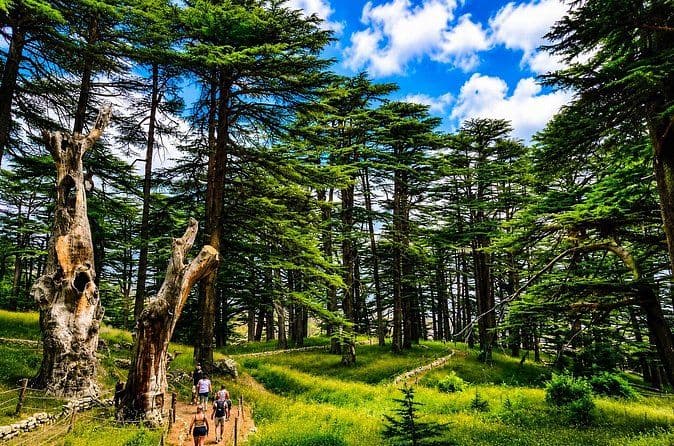
The Cedrus libani tree, the iconic Lebanese cedar, grows natively across the Levant, but the groves surrounding Bcharré within the Qadisha Valley are among the most significant remaining native habitats. This site is part of the UNESCO World Heritage listing for the Qadisha Valley and the Cedar of God (Cedars of God). It’s not just a scenic spot; it’s a critical biological reservoir for a species that has survived millennia of logging. In late September and early October, the needles haven’t dropped yet, so the canopy holds its dark green weight while the air below drops to the mid-teens. You can walk from the main village up toward the cedar groves in under an hour, and the temperature difference is immediate. The wind off the higher elevations hits your face with a dryness that feels like a different continent.
This isn’t a theme park. There are no ticket booths at the tree line. You hike. The path is uneven, rocky, and sometimes steep. If you’re not used to walking at altitude, take it slow. The elevation in the Bsharri district ranges from 1,100 meters near the town to over 3,000 meters at the peaks. At 1,500 meters, you’ll be sweating if you’re active. At 2,000 meters, you’ll be cold even in the sun.
Getting There From Beirut
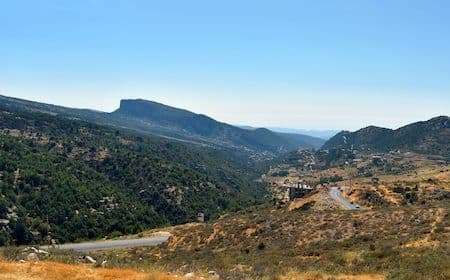
There is no train. There is no reliable public bus line for tourists. You drive. The standard route from Beirut heads north through the Chouf region, passing near Barouk or Deir el-Qamar, before climbing into the Qadisha Valley and finally reaching Bcharré. It’s a road trip, not a commute. Plan for three to four hours of driving from the capital, depending on traffic and road conditions. The road winds, and the elevation change is significant. If you’re renting a car, make sure it’s in good condition. Mountain roads in Lebanon are not the same as coastal highways.
If you don’t drive, you need to arrange a private transfer or a local driver. This is the most practical way to move around. Public transport in this mountainous region is minimal and geared toward locals who know the specific routes. Do not rely on hailing a taxi in the main square of Bcharré at midnight; you won’t find one. Book your ride the day before.
Eating in the Valley
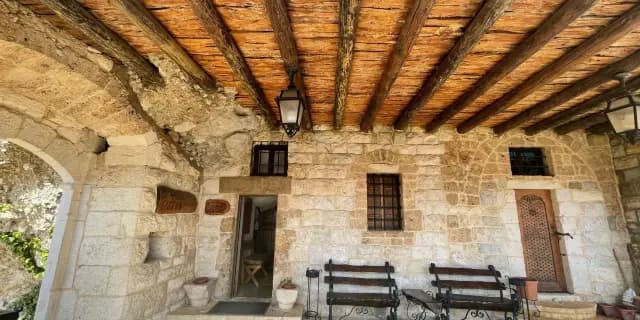
The food in Bcharré is Lebanese, but it’s mountain Lebanese. The restaurants in the village serve traditional dishes, but the ingredients are local. You won’t find the same seafood selection you’d get on the coast. Instead, expect grilled meats, vegetable stews, and fresh cheese. The price range for a meal in a standard local restaurant is typically $$ to $$$, meaning you’re paying a moderate to premium price for a plate of food. A main course might cost between 20 and 40 USD, depending on the dish and the establishment.
If you want a different dining experience, the nearby Chouf region offers farm-table dining near Barouk. This is a step away from Bcharré, but it’s worth the drive if you want a sit-down meal with a view. The old town of Deir el-Qamar has cafés that serve coffee and pastries, which is a good stop if you’re making a loop through the mountains. Don’t expect a fine-dining experience in the village itself. Expect simple, hearty food that tastes like it was made that morning.
When to Go
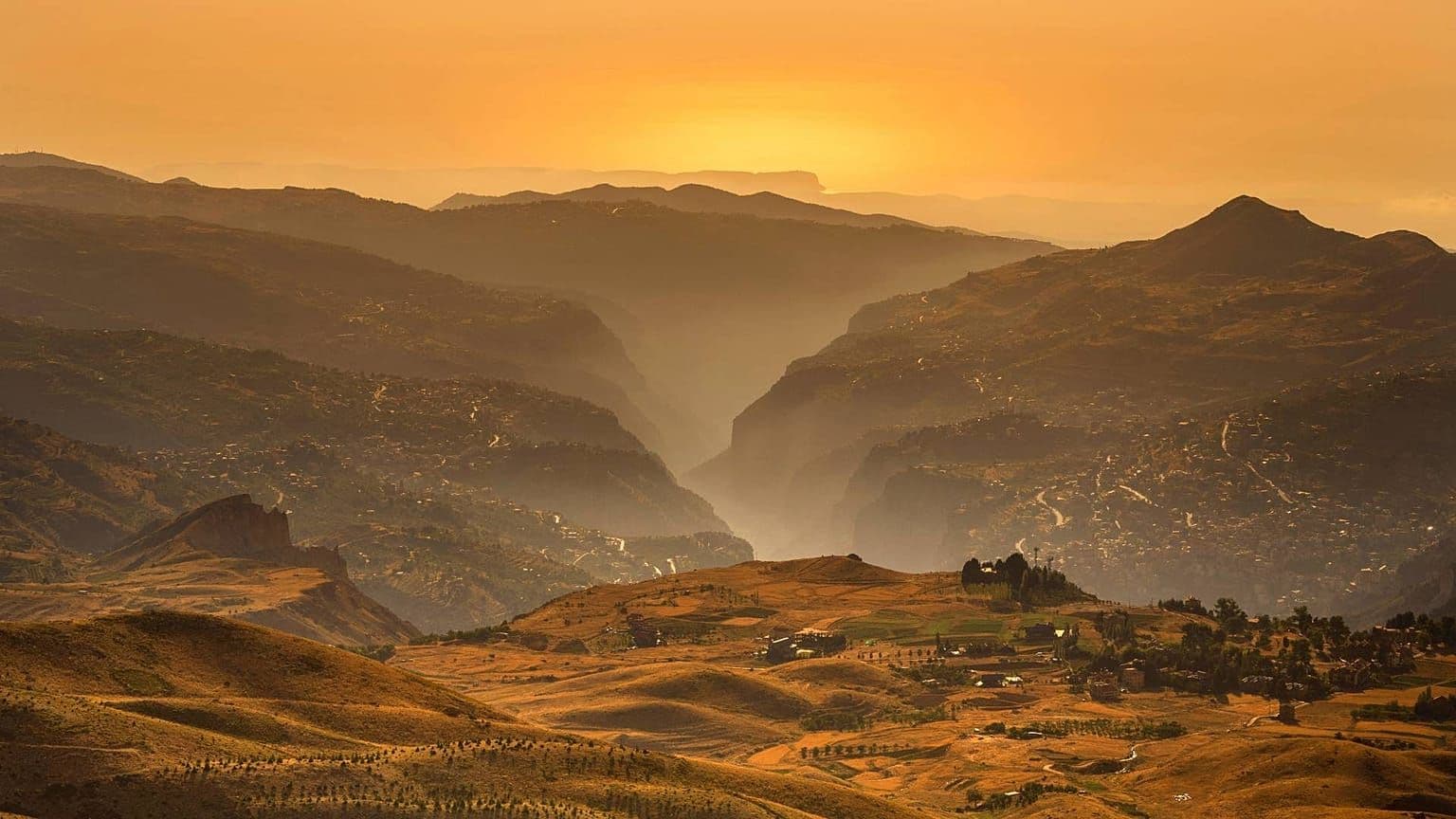
Autumn is the window. Specifically, late September through mid-November. The summer heat has broken, and the winter snows haven’t arrived. In October, the average temperature hovers around 19°C during the day, dropping to the single digits at night. This is the best time for hiking the cedar slopes. The light is lower, which makes the valley look deeper and the trees more dramatic.
There are no major public holidays in the next six months that will impact your trip. This means you can book accommodation without worrying about a sudden spike in prices or crowds. The tourist season in Bcharré is short. If you go in November, you might be one of the few visitors in the valley. This is a good thing if you like quiet. It’s a bad thing if you expect a lively nightlife scene. There isn’t one. The village slows down as the weather gets colder. Shops close early. Restaurants may reduce their hours. Plan your meals and activities around the daylight hours, which shrink as the month goes on.
Practical Details
Bring layers. The temperature swing between morning and evening is significant. A light jacket in the morning can feel too warm by noon, but you’ll need a heavier coat by 4 PM. Rain is possible in autumn, so a waterproof shell is smart. The roads are paved, but some side tracks to hiking trails are not. Wear sturdy shoes.
Money is simple. Lebanese Pounds are the currency, but many places in tourist areas accept USD or EUR. Carry cash. ATMs in Bcharré are scarce and often out of order. Withdraw money in Beirut or a larger city like Tripoli before you head up. The exchange rate fluctuates, so check the rate at a bank or reputable exchange office, not at a street corner.
Visa requirements depend on your nationality. Many Western and Gulf countries have visa-free or visa-on-arrival arrangements for Lebanon. Check the current rules with your embassy before you book. There is no specific "autumn visa" or seasonal entry requirement.
Who This Is For
This is not a destination for party travelers. It’s for people who want to walk, eat, and sit in quiet. If you’re looking for nightlife, clubs, or a dense urban experience, stay in Beirut. Bcharré is for slow travel. You come here to see the cedars, to walk the valley, and to eat well. It’s a place where time moves differently. You don’t rush. You don’t check off a list. You sit in a café, watch the light change, and eat a plate of food that tastes like the soil it came from.
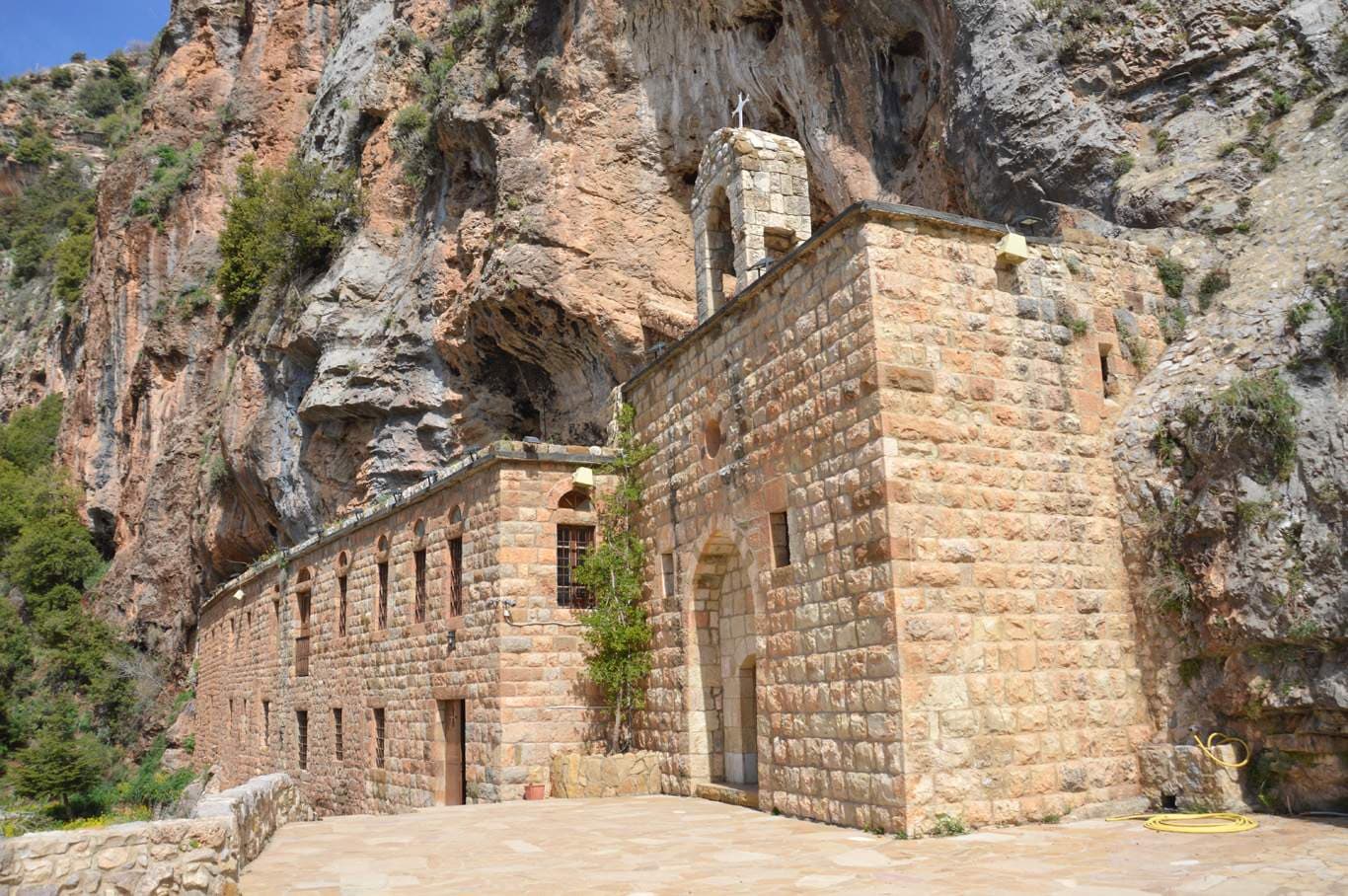
Stay for three to four days. Two days is enough to see the cedars and eat well. Four days lets you explore the wider Qadisha Valley, visit the monasteries, and take a day trip to the Chouf region. It’s a small place, but the landscape is big. You can walk for hours and not see another person. That’s the point.