Plan a two-day family stay in Baabda, Lebanon. Use the 9-minute drive to Beirut, autumn light, and the Presidential Palace grounds to structure your trip.
The Logic of Arrival
The road from Beirut to Baabda is a decision made in minutes. You are nine to eleven kilometers from the coast, a distance that takes roughly nine minutes by car if the traffic holds. The cost is minimal, often around one dollar for a shared ride, but the shift in elevation—rising to approximately 215 meters above sea level—changes the air. It is cooler here. It is quieter. For a family traveling in autumn, this is the primary draw. You are in the district that governs the city, removed from its immediate pressure.
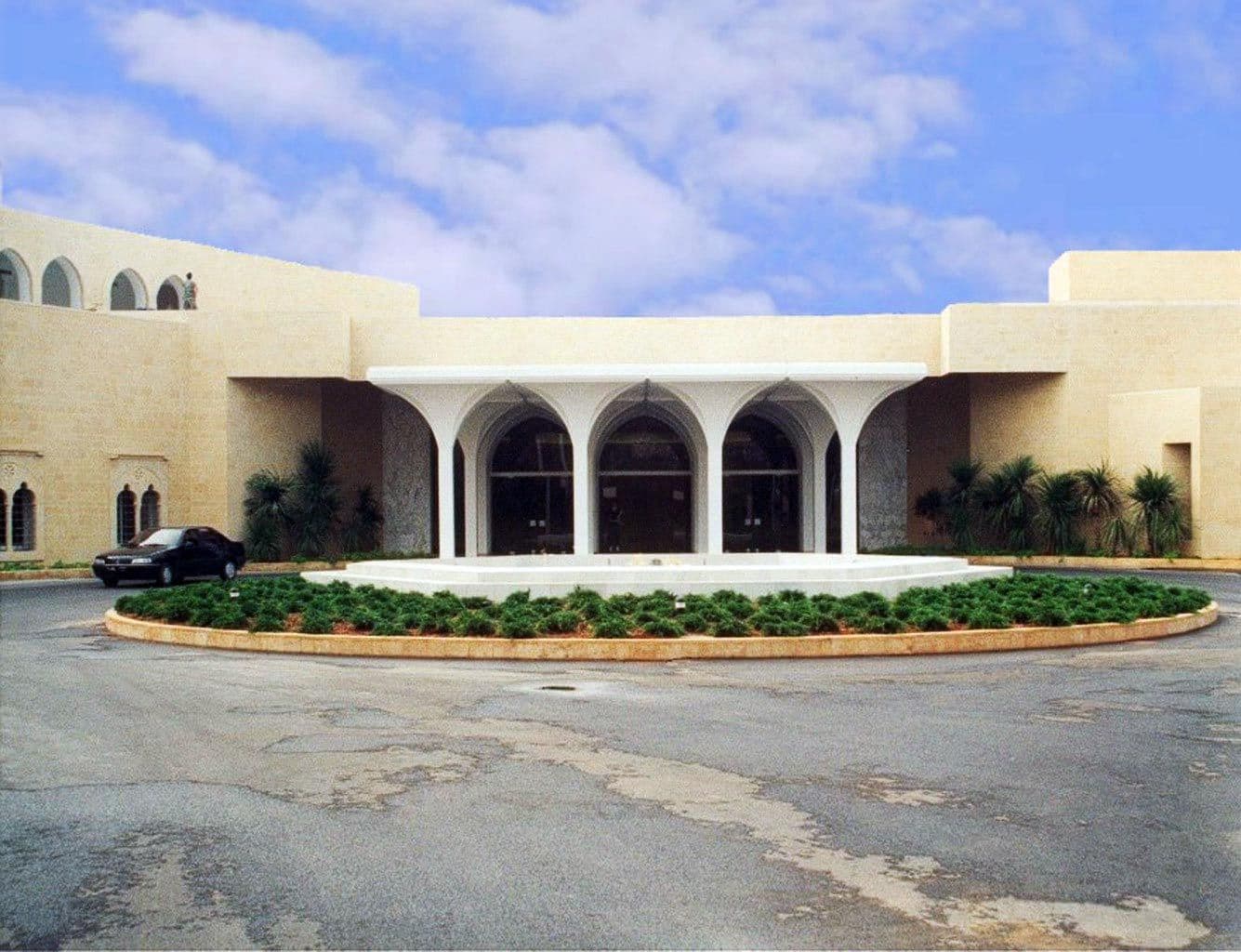
Baabda is the official residence of the President of Lebanon. The building itself, completed in 1956, sits on a hill overlooking the capital. Before it was a presidential palace, it served as the residence for the Mutassarifs, the governors of "Little Lebanon" between 1861 and 1914. This history matters because it defines the rhythm of the town. The streets are wide, the buildings are substantial, and the pace is deliberate. Families often choose Baabda over Beirut for its stability and the presence of leading private schools and hospitals in the district. Infrastructure here serves the daily life of residents, not just tourists.
The Palace and the View
The central feature of any visit is the Baabda Palace. It stands as the administrative heart of the country. The architecture is functional, designed for authority rather than ornament. From the surrounding hills, the view stretches down to the Mediterranean Sea. In September and October, the light is clear, and the contrast between the green slopes of Mount Lebanon and the blue water is sharp.
For families, the experience is about perspective. You stand at a higher vantage point than the city below. The area also holds historical weight regarding the site where President Michel Aoun sheltered in 1990. These sites do not require long queues or complex tickets. They require attention. The air is still. The silence is heavy with the weight of decisions made within these walls. You are observing the machinery of state from the outside, but the proximity makes it feel immediate.
Nearby: The Chouf Mountains
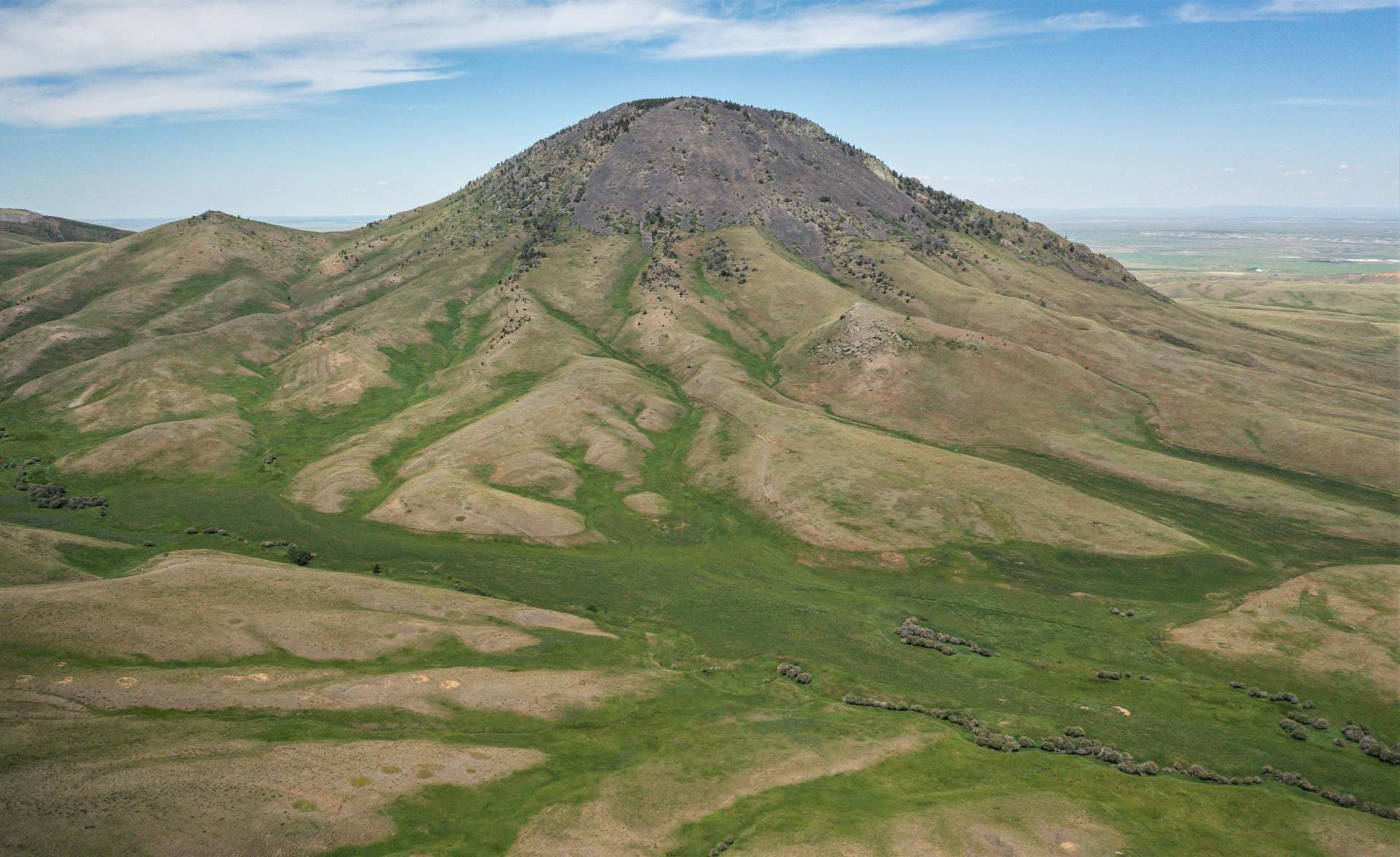
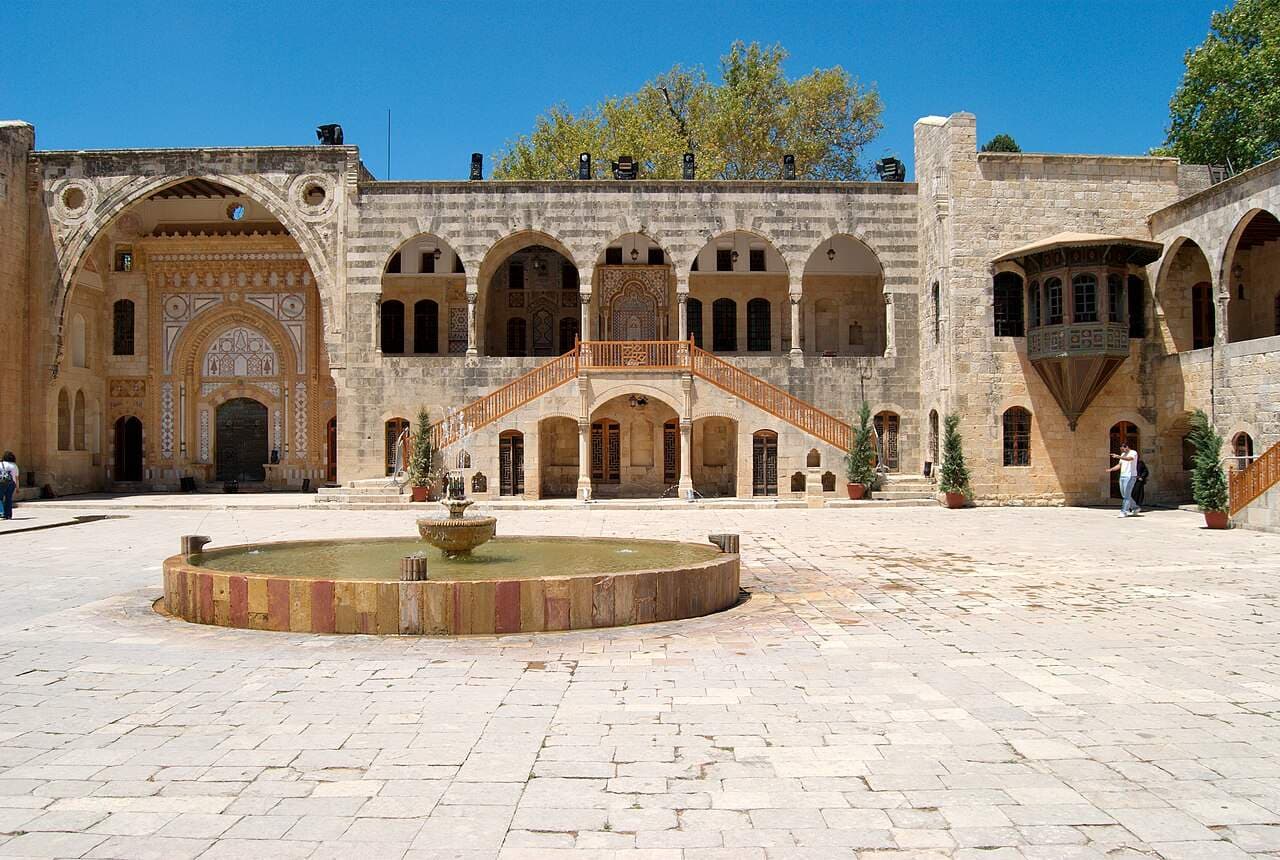
If the political center feels too static, the terrain offers an alternative. Beiteddine Palace, located in the Chouf Mountains nearby, provides a different texture. Built in the 19th century, it features courtyards and museums that reflect a different era of governance. It is an accessible day trip from the district. The drive takes you further into the mountain range, where the vegetation thickens and the air cools further.
The transition from the urban district of Baabda to the mountainous Chouf is a change in scale. You leave the structured grid of the presidential district for the organic, rugged landscape of the mountains. For children, the physical change is more engaging than the architectural one. The walk through the courtyards is slower. The light filters through trees. It is a convergence point where the political history of the region meets its natural geography.
Practical Logistics
Traveling with children requires planning for the small details. The distance to Beirut is short, but the traffic can be unpredictable. If you are staying in Baabda, you are positioned to access both the coastal city and the mountain interior without long drives. The local transport is affordable, but for a family with luggage or a stroller, a private car or taxi is often the more efficient choice.
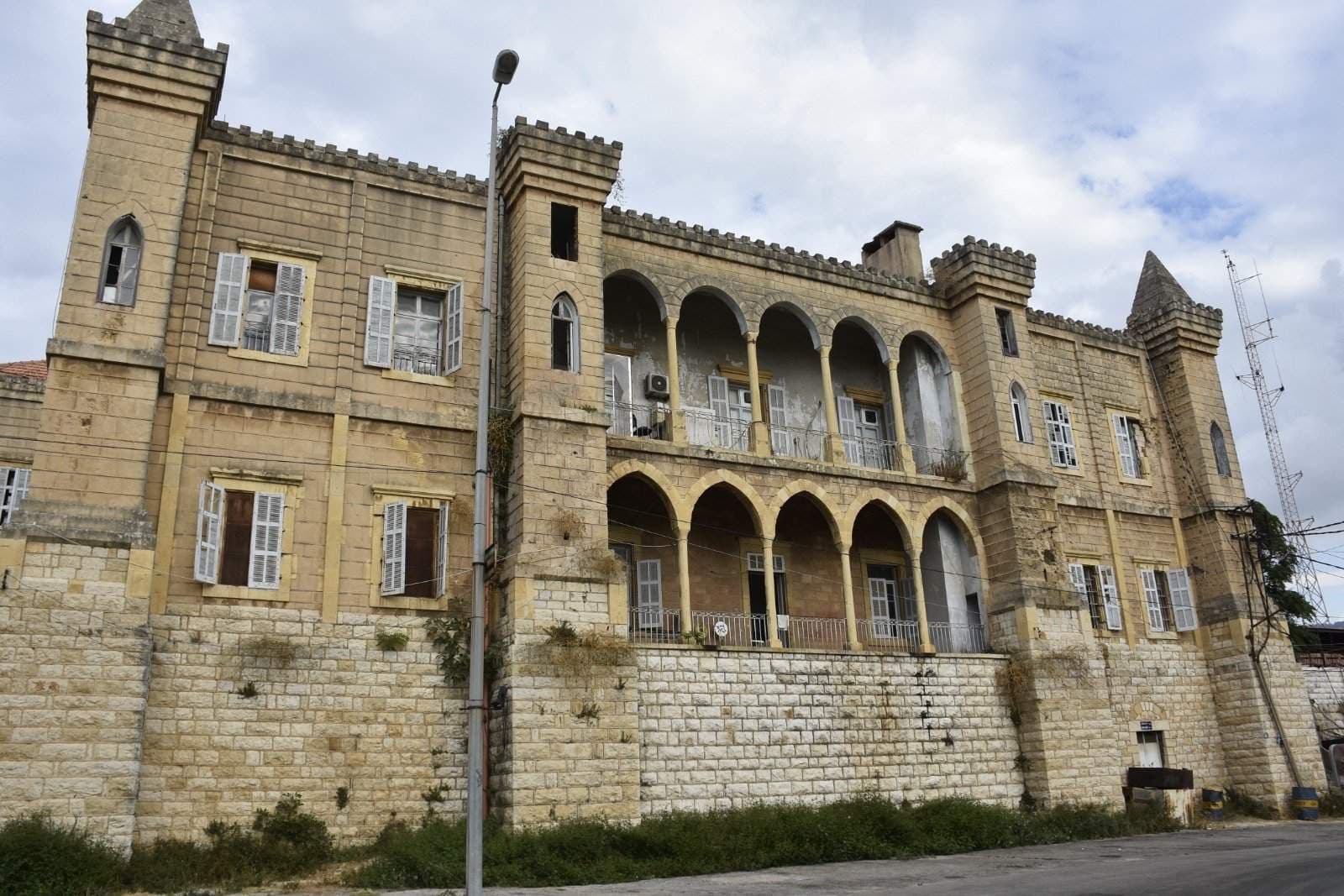
Accommodation in Baabda tends to be residential. You will find family-friendly apartments and hotels that cater to the local expatriate and school population. The presence of top private schools, with French, English, and trilingual curricula, means the district is accustomed to families. Hospitals are also well-equipped, serving the wider Mount Lebanon region. The district functions as a living community. You will see locals, not just visitors. The currency is the Lebanese Pound, but major transactions, especially in hotels and restaurants, are often handled in US dollars. Keep small change for local vendors.
Food and Culture
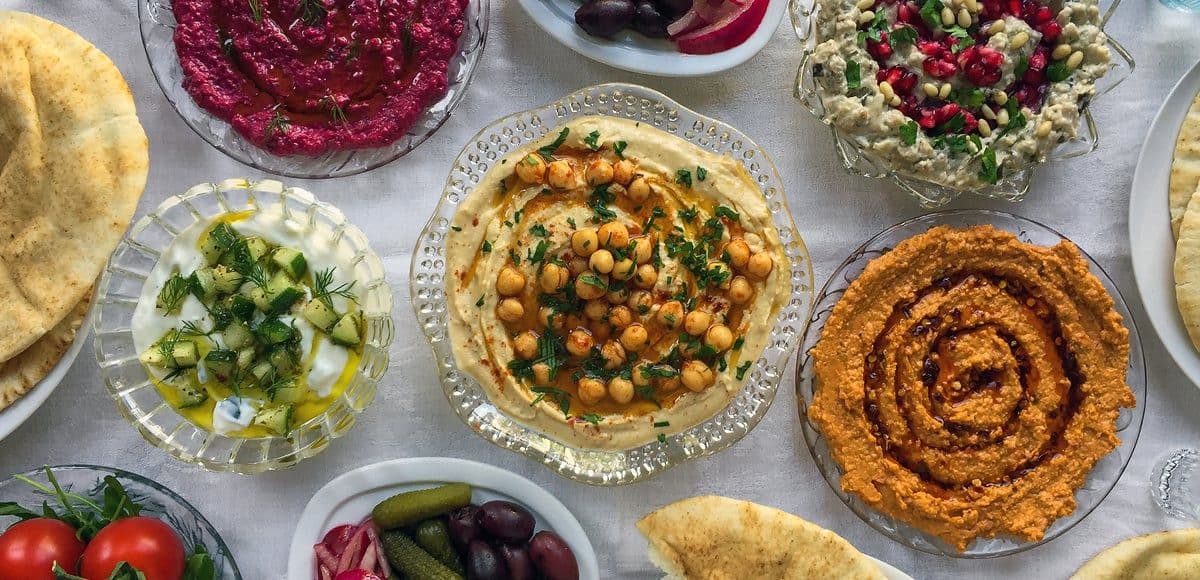
Lebanese cuisine is the backbone of the dining experience. The region is known for its high-quality produce. Lamb, goat, garlic, olive oil, and lemon are the staples. The food is fresh, often cooked in small quantities. In autumn, the harvest is abundant. You will find grilled meats, fresh salads, and whole grains. The meals are slow. Families sit at tables for hours. The etiquette is simple: eat what is offered, share from the center, and do not rush.
The language is a mix of Arabic, French, and English. In the school districts, French is prominent. In the markets, Arabic is the default. For tourists, English is widely understood in the service sector. The culture is polite but direct. People are curious about visitors but respect privacy. You are a guest in their home. Treat the space with the same care you would your own.
When to Go
The best time to visit Baabda is in the shoulder seasons. April through June and September through October offer the clearest weather. Summer is hot, with June averages reaching 79–83°F. Winter brings rain, which can obscure the views from the palace hill. Autumn, specifically September and October, is ideal. The heat breaks, the light is golden, and the crowds are thinner. There are no major holidays in the next six months that would disrupt travel plans. This is a quiet period. It is a time for observation.
Who is this for? It is for families who want a base that is close to the city but removed from its chaos. It is for those who appreciate history without the pressure of a museum queue. It is for travelers who want to see how a country functions from its administrative center. Stay for two to three days. One day for the palace and the view. One day for the mountains. One day for the food and the quiet streets. The outcome is inevitable. You will leave with a clearer understanding of the place.
FAQ
Is Baabda safe for families? Yes. It is a residential and administrative district. The presence of schools and hospitals indicates a focus on family safety. Standard urban precautions apply, but it is generally calm.
How far is it from Beirut? It is approximately 9 to 11 kilometers by road. The drive takes about 9 to 15 minutes depending on traffic. It is a very short commute.
Do I need a visa? This depends on your nationality. Check with the Lebanese embassy for your specific passport. Many nationalities can enter without a visa or with a visa on arrival, but rules can change. Always verify before booking.