Evaluate the River Almond circuit from Almondbank, UK. Precise distances, sensory details, and the reality of "safari" in a Scottish village.
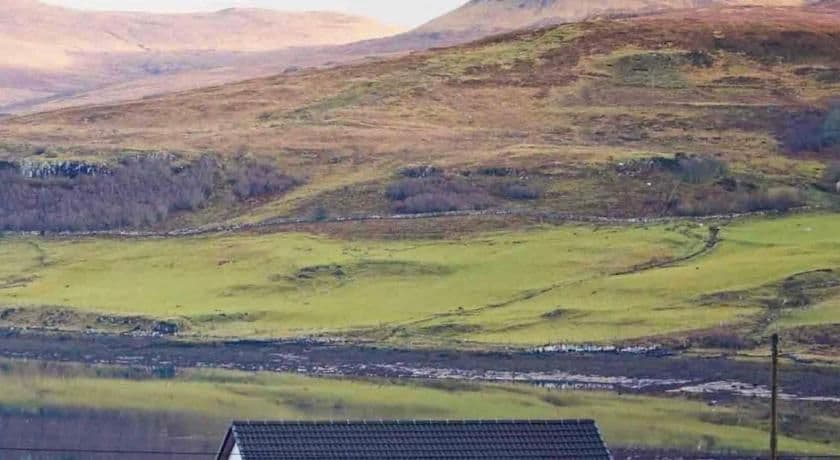
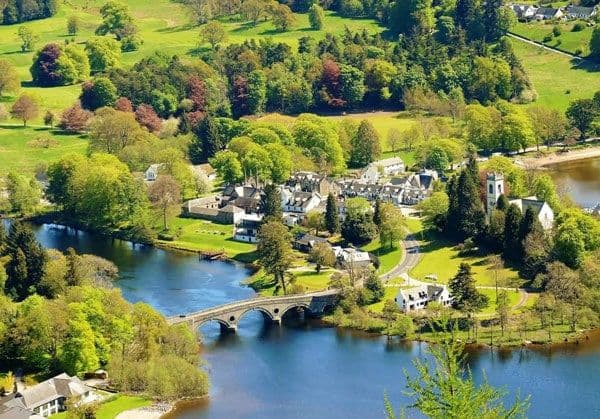
The River Almond flows through Perthshire with a specific hydraulic character. It is not a placid urban canal, nor is it the turbulent highland torrent found further north in the Grampians. From the village of Almondbank, situated approximately four and a half miles northwest of Perth, the water moves with consistent velocity, carving into limestone cliffs and passing a series of weirs that create a rhythmic, low-frequency sound audible from the path. This is the primary asset. There are no tigers. There are no rhinos. There is no "safari" in the conventional sense. What exists here is a calibrated landscape of wetlands, woodland, and riparian zones that supports a dense population of native fauna. To visit Almondbank for wildlife is to accept a shift in expectation: from spectacle to observation. The reward is clarity, not volume.
The River Almond Circuit
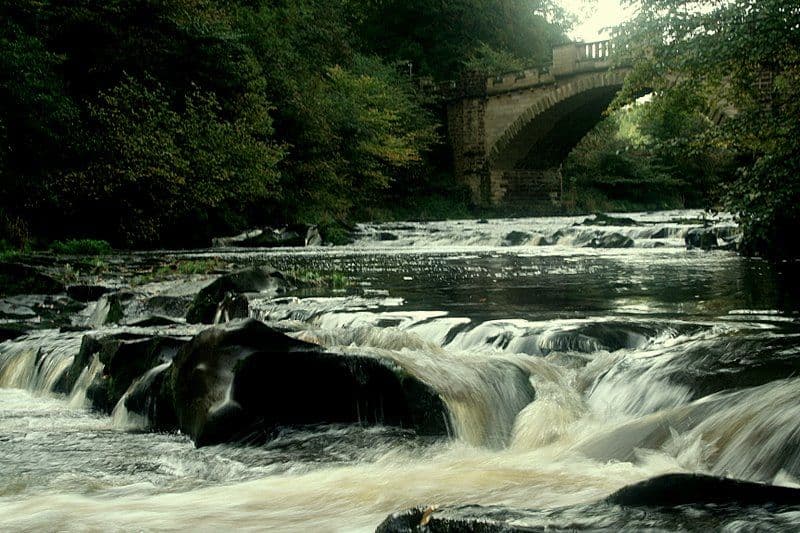
The upstream circuit walk from Almondbank village is the definitive route for assessing the area’s natural capital. The path follows the south bank of the river, passing the historic site of the 19th-century bleachworks that originally drove the village’s industrial growth. The terrain is uneven but accessible. The key visual anchors are the cliffs and the weir. The cliffs provide a vertical dimension to the otherwise flat glacial valley, while the weir creates a drop that aerates the water, increasing oxygen levels and attracting fish species such as brown trout and salmon parr during their migration cycles.
The sensory profile of this walk is dominated by sound and smell. The air carries the scent of damp earth and decomposing leaf litter, a biological indicator of a healthy, undisturbed woodland floor. The light filters through the canopy of mature oaks and alders, creating a dappled effect that changes intensity with the wind. The landscape functions as a corridor of ecological utility rather than a venue for leisurely strolls with picnics. The path surface varies from compacted gravel to muddy grass, requiring footwear with adequate grip. The distance from the village center to the weir and back is manageable in under two hours, allowing for detailed observation without physical strain.
Fauna & Observation Strategy
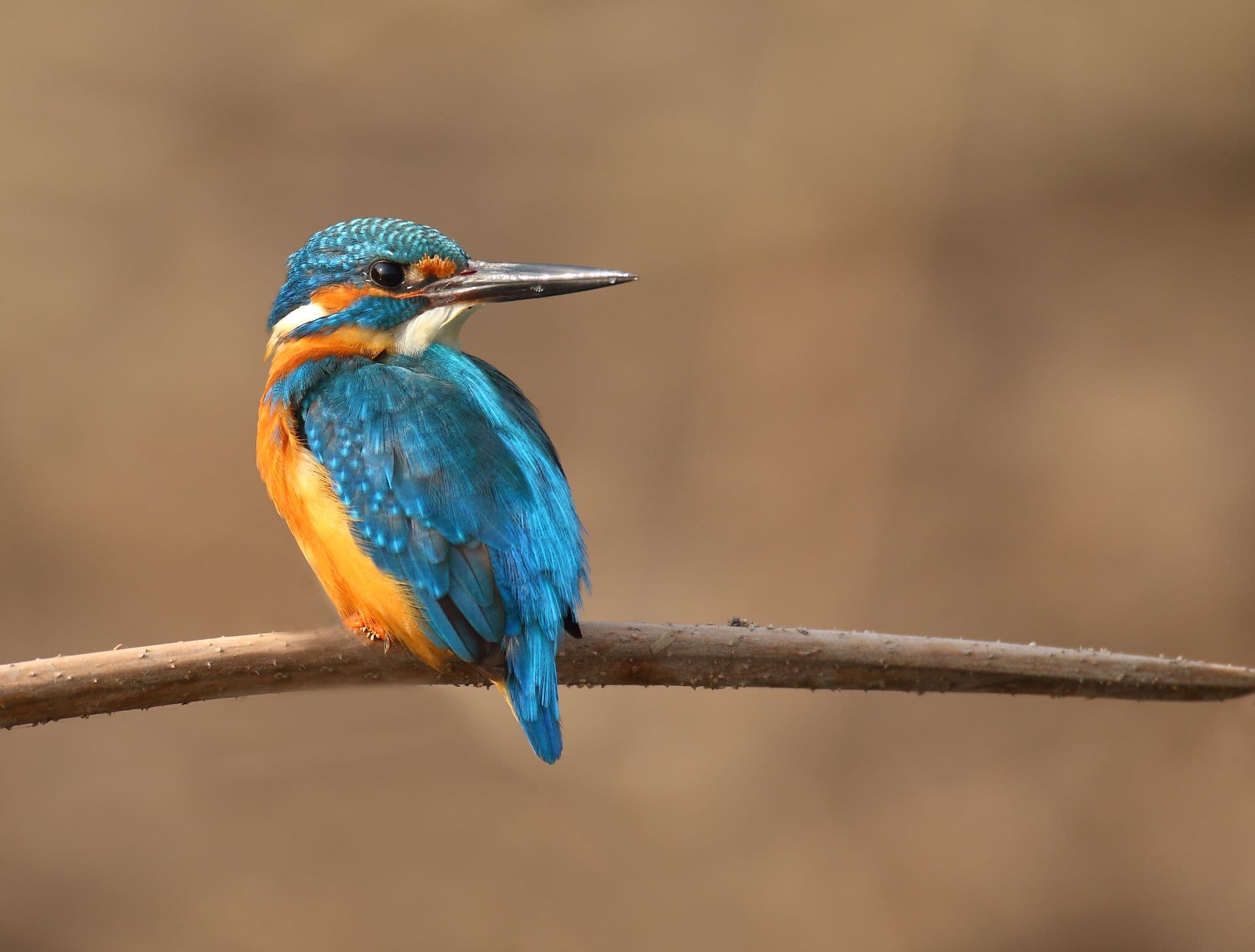
The wildlife in the Almond corridor is native, resident, and elusive. The primary targets for the serious observer are waterfowl and raptors. Mallards, wigeon, and tufted ducks are common on the slower-moving sections of the river. Kingfishers, identified by their electric blue plumage and dagger-like bills, perch on low branches near the water’s edge, striking fish with precision. Their presence indicates a healthy aquatic insect population. Further up the valley, buzzards and kestrels utilize the thermal updrafts rising from the open water. Watching a kestrel hover against a grey Scottish sky requires patience and stillness.
For ground-dwelling species, the woodland edges offer better prospects than the open riverbank. Red squirrels, distinct from their grey counterparts by their tufted ears and rusty coloration, are active in the canopy. Deer, specifically sika and red deer, may be spotted at dawn or dusk moving between grazing grounds and forest cover. The key to successful observation is timing. Mornings between 07:00 and 09:00 offer the highest activity levels. The light is soft, reducing glare on the water and enhancing the visibility of small movements in the undergrowth. Binoculars with a field of view of at least 7 degrees are essential. Naked-eye observation limits you to large, stationary targets.
Practical Logistics
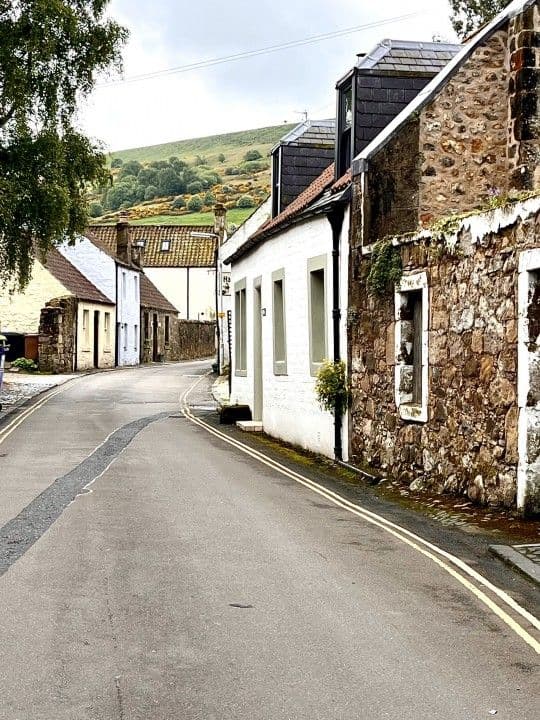
Access to Almondbank is straightforward but requires planning. The village is located in Perth and Kinross, Scotland. There is no direct railway station serving the village itself. The nearest major hub is Perth, approximately four and a half miles to the southeast. From Perth, visitors typically rely on private transport or local bus services. Driving is the most efficient method, as the road network leading into the village is rural and winding. Parking is available in limited areas near the village center and along the approach roads to the river walk.
The cost of entry to the river and woodland is zero. This is public land. However, the investment in appropriate gear is non-negotiable. Waterproof footwear is mandatory, as the paths near the water table remain saturated well into the summer months. A waterproof jacket is advisable regardless of the forecast; Scottish microclimates can produce sudden showers. For photography, a lens with a focal length between 200mm and 400mm will capture detail without disturbing the subjects. The total expenditure for a full day’s visit, excluding fuel, is minimal. The value proposition lies in the access to unmediated nature, free from ticket gates and commercial infrastructure.
Timing & Conditions
The optimal window for visiting Almondbank for wildlife observation is the early summer period, specifically June through August. During these months, the days are longest, providing ample light for extended observation sessions. The vegetation is at its densest, offering excellent cover for birds nesting in the reeds and trees. The risk of rain is present but manageable. Winter visits are less rewarding due to shorter daylight hours, colder temperatures, and reduced animal activity. The river may freeze in parts, limiting access to the banks.
The upcoming holiday period, starting with Christmas Day on December 25, 2026, and continuing through Boxing Day and New Year’s Day, presents a different set of conditions. These dates fall in the dead of winter. Visitor numbers will be low, ensuring solitude, but the landscape will be stark and the wildlife less visible. If your schedule aligns with these dates, adjust expectations accordingly. You are visiting for atmosphere and silence, not for photographic opportunities. For the serious naturalist, the summer months remain the superior choice. The balance of light, temperature, and animal behavior favors observation.
FAQ
Is there a safari park in Almondbank? No. There are no captive exotic animals or safari drives in Almondbank. The area is a rural village in Perthshire, Scotland. The "wildlife" experience is based on observing native species in their natural habitat along the River Almond and surrounding woodlands.
What is the best time of day to see wildlife? Dawn, between 07:00 and 09:00, offers the highest probability of seeing active species such as kingfishers, waterfowl, and deer. The light is favorable, and the animals are feeding. Late afternoon, before dusk, provides a secondary window for raptor activity.
How do I get to the river walk? Drive to the village of Almondbank, located four and a half miles northwest of Perth. Park in the designated village areas. The walk begins from the village center, following the signs toward the river. The path is clearly marked but requires sturdy footwear due to potentially muddy conditions.