The air in Al Jafr, Saudi Arabia, shifts dramatically when autumn arrives, trading the blistering heat of summer for crisp, breathable days that hover comfortably around 25°C (77°F). Located in the northernmost Al Jawf Province, this remote oasis region offers a starkly different travel experience from the Red Sea coast or the historic grandeur of Riyadh. Here, the landscape is defined by rolling basalt plains, ancient Nabataean ruins, and one of the Kingdom’s most significant agricultural zones. For travelers willing to venture off the main tourist circuit, autumn provides the ideal window to explore the rugged beauty and deep history of northwest Saudi Arabia without battling extreme temperatures.
Why Autumn Defines the Al Jafr Experience
Autumn in Al Jafr is not just a seasonal change; it is a practical necessity for comfortable exploration. From September through November, daytime temperatures settle into a pleasant range, making it feasible to hike around archaeological sites or drive along unpaved desert tracks. The region, part of the broader Al Jawf Province, sits at a higher elevation than much of the Arabian Peninsula, meaning nights can drop surprisingly low—often requiring a light jacket after sunset. This thermal contrast creates a unique atmosphere where the sun-baked stone of ancient forts feels warm to the touch during the day, while the evening air carries a cool, dry clarity that makes stargazing exceptionally vivid.
The agricultural rhythm of the region also peaks during these months. Al Jafr and its neighboring areas are famous for olive production, and autumn often coincides with the tail end of the harvest season. The scent of crushed olives and fresh bread can drift from local farms, adding a sensory layer to the visual drama of the desert landscape. Travelers who visit during this window witness the region waking up from its summer dormancy, with markets restocking and local life moving outdoors once more.
Navigating the Ruins of Dumat al-Jandal
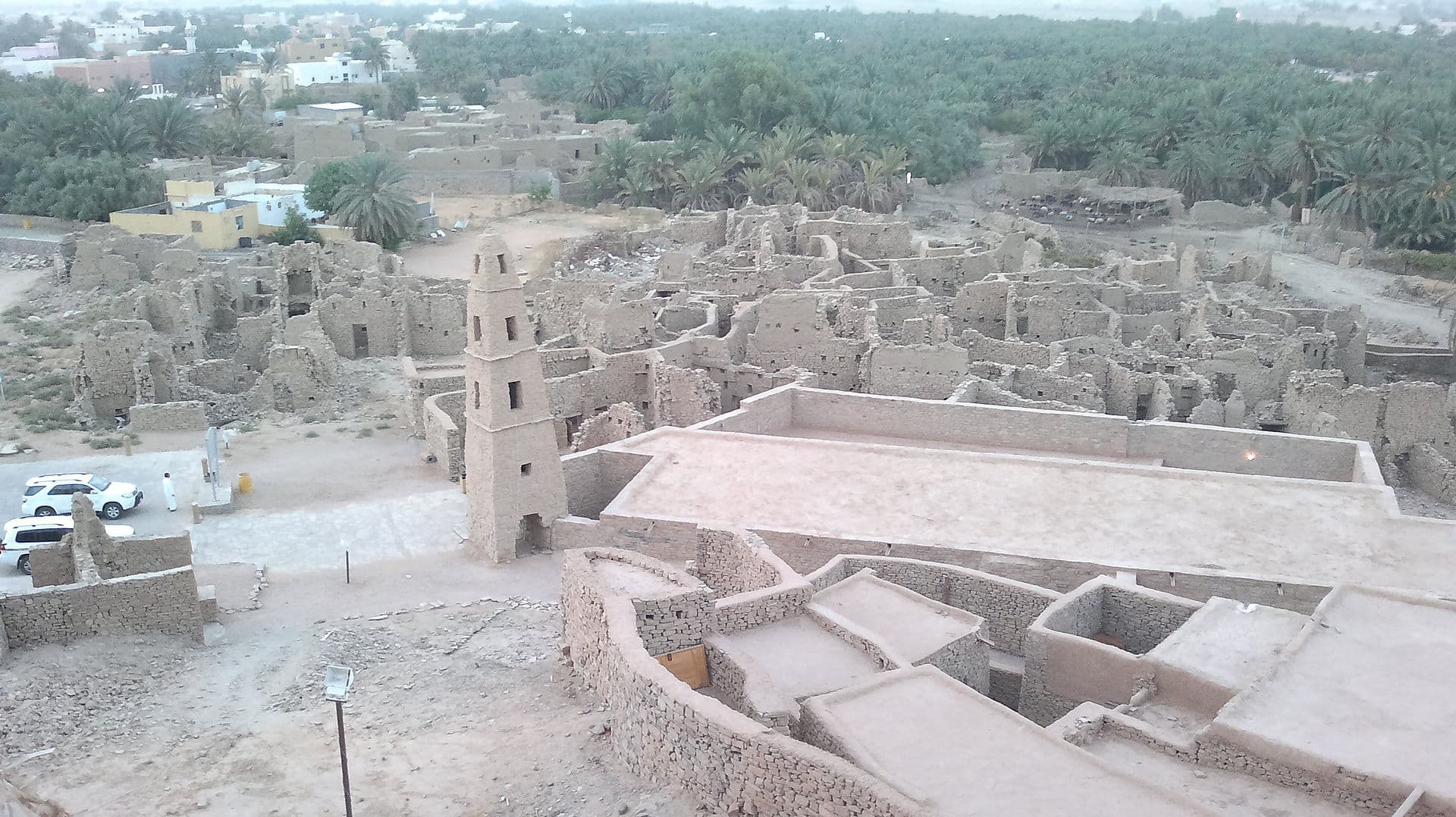
The crown jewel of any Al Jafr itinerary is Dumat al-Jandal, an ancient oasis city located roughly 100 kilometers north of Sakaka, the provincial capital. This site was a crucial stop on the pre-Islamic trade routes connecting the Mediterranean to the interior of Arabia. The ruins are spread across a vast area, dominated by the imposing Marid Castle. This fortress, built by the Himyarites and later expanded by the Byzantines, features thick stone walls and a complex layout that speaks to its strategic importance. Walking through its gates in the soft autumn light reveals intricate stonework and defensive towers that have withstood millennia of desert winds.
Just outside the castle walls lies the Umayyad Mosque of Dumat al-Jandal, one of the oldest mosques in Saudi Arabia. Built in the 7th century, its simple yet profound architecture offers a quiet space for reflection. The site is less crowded than major historical hubs, allowing for a contemplative visit. Visitors should allocate at least three to four hours to explore the compound thoroughly. The terrain is uneven, so sturdy walking shoes are essential. Local guides, available through the Sakaka tourism office, can provide context on the Nabataean, Roman, and Islamic layers of history embedded in the stones.
The Mystery of the Rajajil Stone Alignment
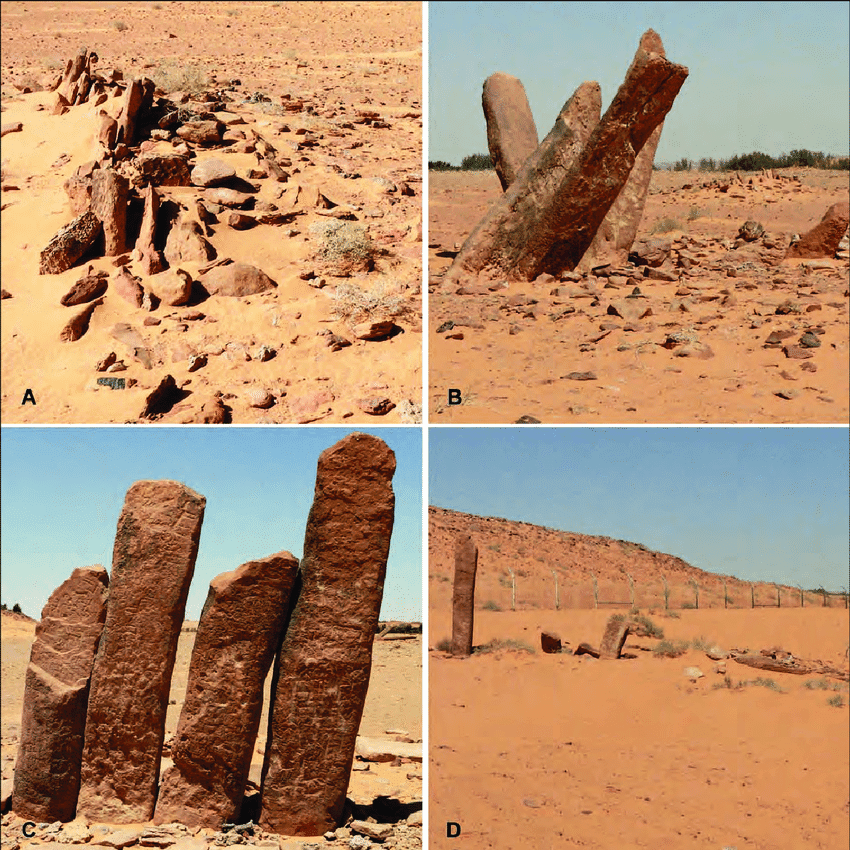
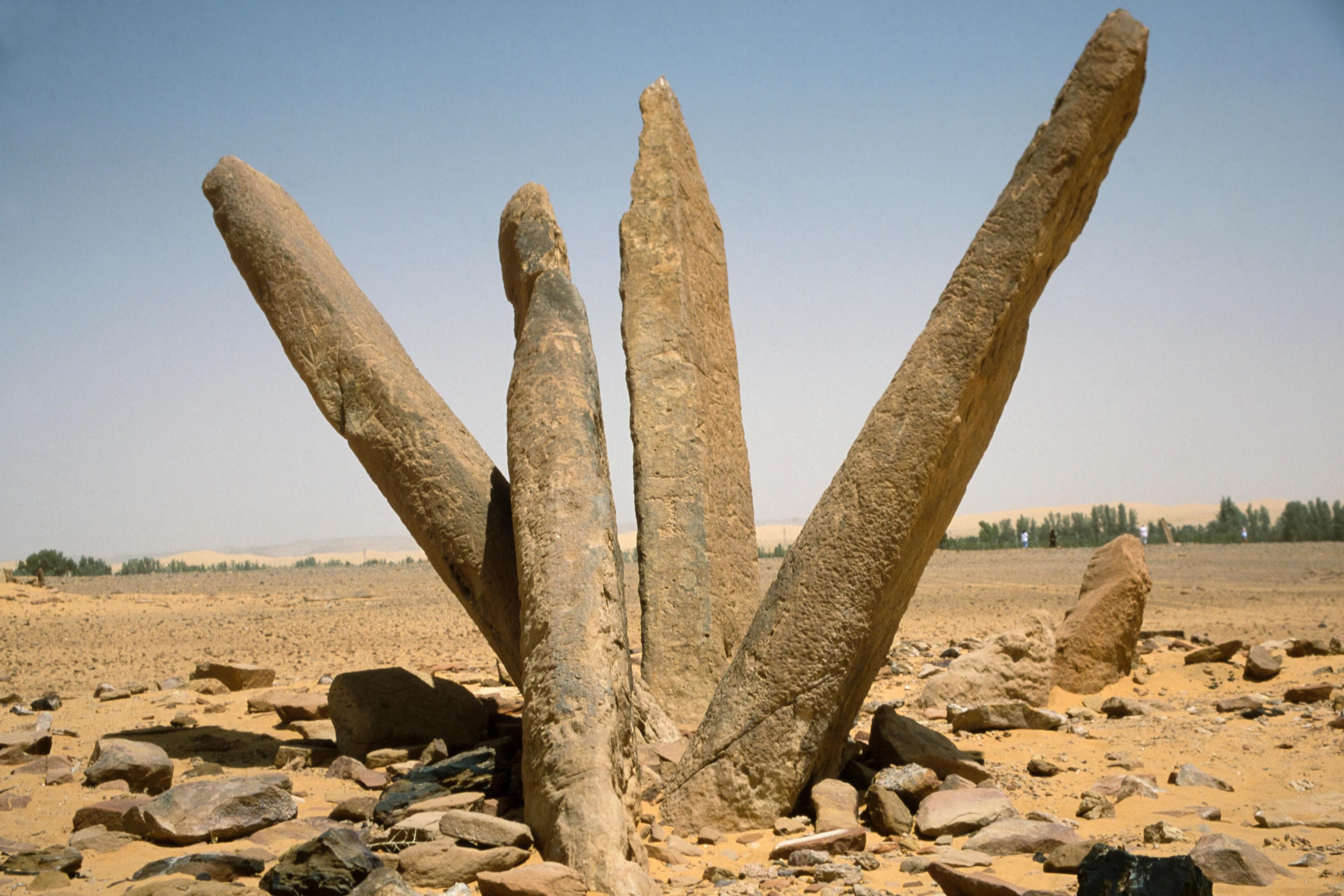
A short drive from Sakaka leads to the Rajajil stone alignment, a prehistoric site that baffles archaeologists and captivates visitors. Consisting of over 1,600 standing stones arranged in a grid-like pattern across the desert floor, the site dates back approximately 6,000 years. The purpose of these stones remains debated, with theories ranging from astronomical observatories to territorial markers. In autumn, the low angle of the sun casts long, dramatic shadows from the stones, enhancing their otherworldly appearance.
The site is located in a remote area, so it is advisable to join a guided tour or drive with a companion. The road to Rajajil is unpaved but generally passable by standard vehicles; however, a 4x4 is recommended for comfort. There are no facilities at the site itself, so visitors should bring water, snacks, and sun protection. The isolation of Rajajil offers a profound sense of solitude, making it one of the most memorable stops in Al Jafr. The vast, open sky and the rhythmic pattern of the stones create a meditative environment that is hard to find elsewhere in the Kingdom.
Olive Groves and Local Cuisine
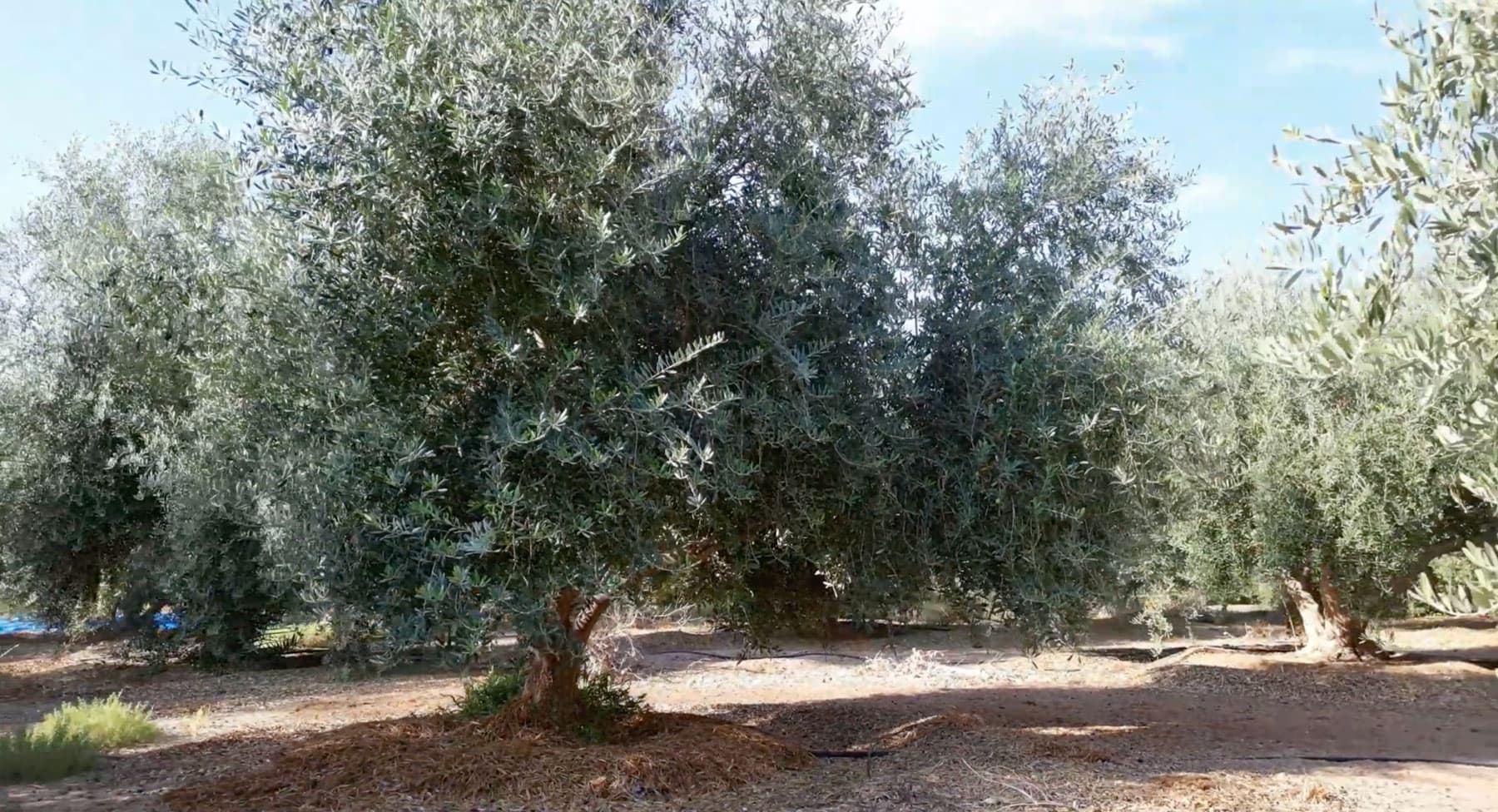
Al Jawf Province, and Al Jafr specifically, is known as the "olive basket" of Saudi Arabia. The region’s cool climate and fertile soil are ideal for olive cultivation, and visitors can tour local farms to see the trees that have been tended for generations. Many farms offer tastings of fresh olive oil, which is prized for its mild, fruity flavor. Pairing this with local cheeses and fresh bread provides a simple yet delicious meal that reflects the region’s agricultural heritage.
In Sakaka, the capital city, you can find restaurants that serve traditional Najdi and northern Saudi dishes. Look for jareesh, a porridge made from cracked wheat, often served with yogurt and meat. Another local specialty is kabsa, a spiced rice dish typically prepared with lamb or chicken. Autumn is a great time to sample these heartier meals, as the cooler weather makes them more appealing than in the sweltering summer months. Street vendors near the Sakaka market also offer fresh dates and dried fruits, perfect for a quick snack while exploring the city.
Practicalities: Getting There and Staying in Al Jafr
Reaching Al Jafr requires some planning, as the region is not directly connected to major international airports. Most travelers fly into Riyadh or Jeddah and then take a domestic flight to Sakaka Airport (AKH). From there, renting a car is the best way to explore the region independently. The roads between Sakaka, Dumat al-Jandal, and Rajajil are well-maintained, but distances can be deceptive in the desert. Always carry extra water and fuel, and check your vehicle before embarking on any day trips.
Accommodation options in Sakaka range from budget-friendly hotels to more upscale resorts. The Savoy Hotel Sakaka and the Pullman AlUla (if extending your trip south) are popular choices, but local guesthouses in Al Jafr offer a more authentic experience. Prices are generally affordable, with mid-range hotels costing around $50–$100 per night. Booking in advance is recommended, especially during the peak autumn months of October and November, when domestic tourism increases.
Respectful Travel and Local Customs
As with any destination in Saudi Arabia, respecting local customs is essential. Dress modestly, covering shoulders and knees, particularly when visiting religious sites like the Umayyad Mosque. While Al Jafr is less conservative than some southern regions, it is still a traditional area, and modest attire shows respect for the local community. Photography is generally permitted at historical sites, but always ask for permission before taking photos of people.
The region’s remoteness means that emergency services may be slower to respond than in urban centers. Ensure you have comprehensive travel insurance and share your itinerary with someone back home. Mobile coverage can be spotty in the desert, so downloading offline maps is a smart precaution. By preparing adequately and approaching the region with an open mind, travelers can enjoy a safe and rewarding autumn adventure in Al Jafr, Saudi Arabia.