Navigate the quiet district seat of Wasit Governorate by basing yourself in Kut, 45 km away, where road transport is the only reliable link to this remote Iraqi outpost.
The Geometry of Distance
There is no grand arrival in Al Ḩayy. There is only the road. At a population of roughly 85,500, this district seat in Wasit Governorate operates on the logic of administrative necessity and agricultural rhythm. To understand staying here on a budget, you must first accept a geographic inevitability: the infrastructure you seek does not sit within the municipal boundaries of Al Ḩayy itself. It waits in Kut, 45 kilometers to the north. The distance is short enough to traverse in under an hour by private vehicle or shared taxi, yet significant enough to dictate the entire strategy of your lodging.
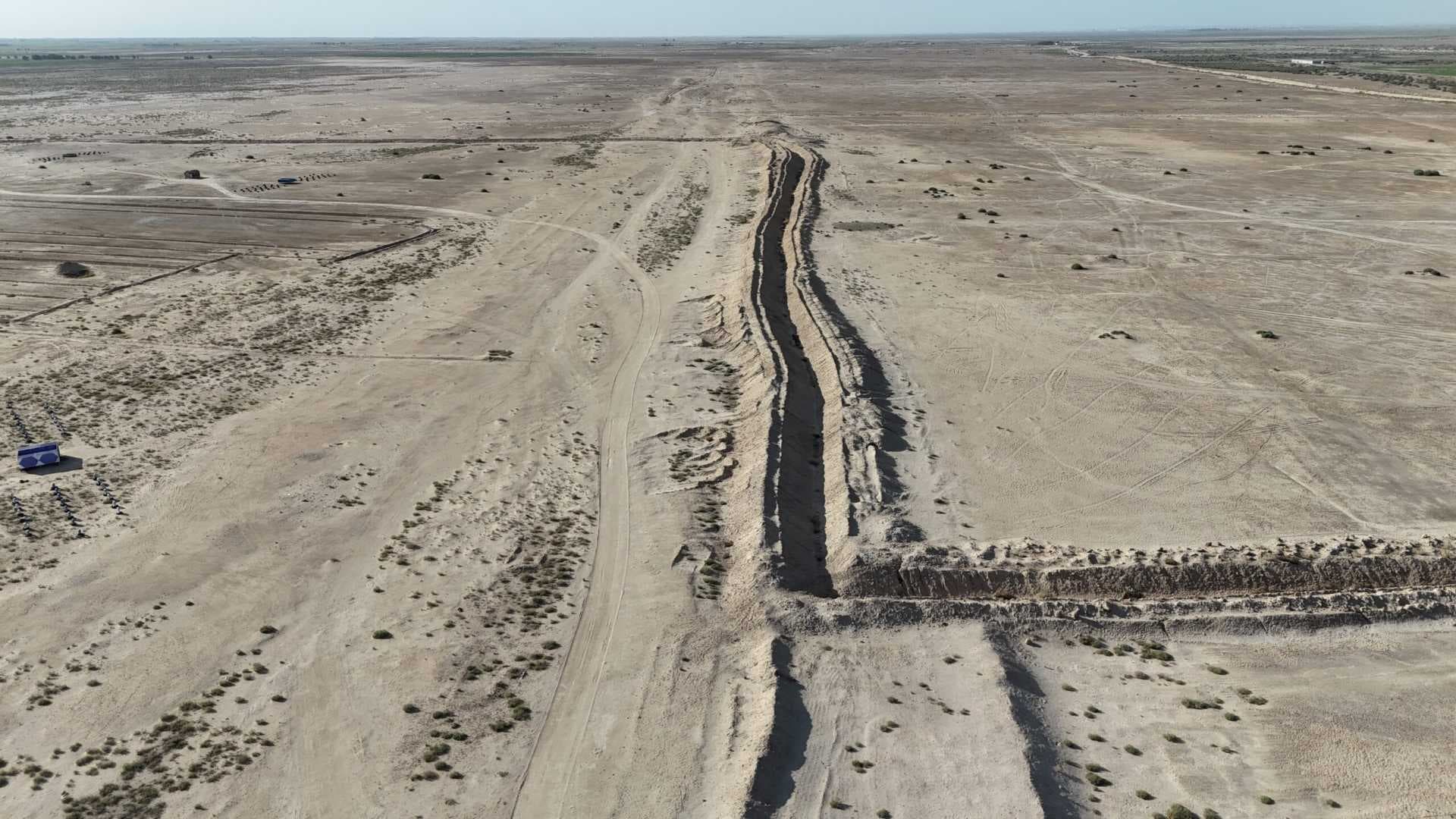
The air in this part of central Iraq, particularly in the height of summer, is a physical weight. It presses against the skin, thick with the heat radiating from the tarmac. There is no relief from air conditioning unless you pay for it, and in a place where the economy moves slowly, paying for comfort is a calculated risk. The landscape is flat, open, and exposed. You are visible to the horizon. This visibility functions as a social condition. People watch. They assess. They decide, in a fraction of a second, whether you belong to the flow of daily life or if you are an anomaly requiring explanation.
Where to Stay
The search for a "hostel" in Al Ḩayy is a semantic error. The concept does not exist in the local vernacular or the commercial reality of the district. What exists are guesthouses, small family-run lodgings, and the occasional chain presence that stretches its credibility to the edge of its franchise agreement. A Best Western listing appears in commercial databases for the "Al-Hai District," suggesting that a budget accommodation option exists somewhere within the broader administrative area. However, without a verified address, rate card, or operational status, this entry remains a ghost. It is a marker on a map, not a room with a key.
Therefore, the prudent traveler does not attempt to secure lodging in Al Ḩayy itself. The strategy is to base yourself in Kut. Kut is the nearest major city, a functional urban center with a verified network of hotels, guesthouses, and services. It is the holding space for those who intend to move into the quieter, less serviced districts. By staying in Kut, you secure reliability. You access a currency exchange, a pharmacy, a bank, and a consistent supply of clean water. From Kut, you treat Al Ḩayy as a day-trip destination, or a brief overnight stop if your itinerary demands proximity to the district’s administrative offices.
If you must sleep within the immediate vicinity of Al Ḩayy, you will be relying on word-of-mouth recommendations from locals in Kut. These establishments are rarely listed online. They are identified by a signboard, often hand-painted, and a courtyard. The price bands are low, reflecting the low demand. Expect to pay a fraction of what you would in Baghdad, which lies another 220 kilometers to the north. Access serves as the primary differentiator. A room in Kut gives you the ability to leave at dawn. A room in Al Ḩayy leaves you stranded until the first shared taxi departs.
The Reality of Transport
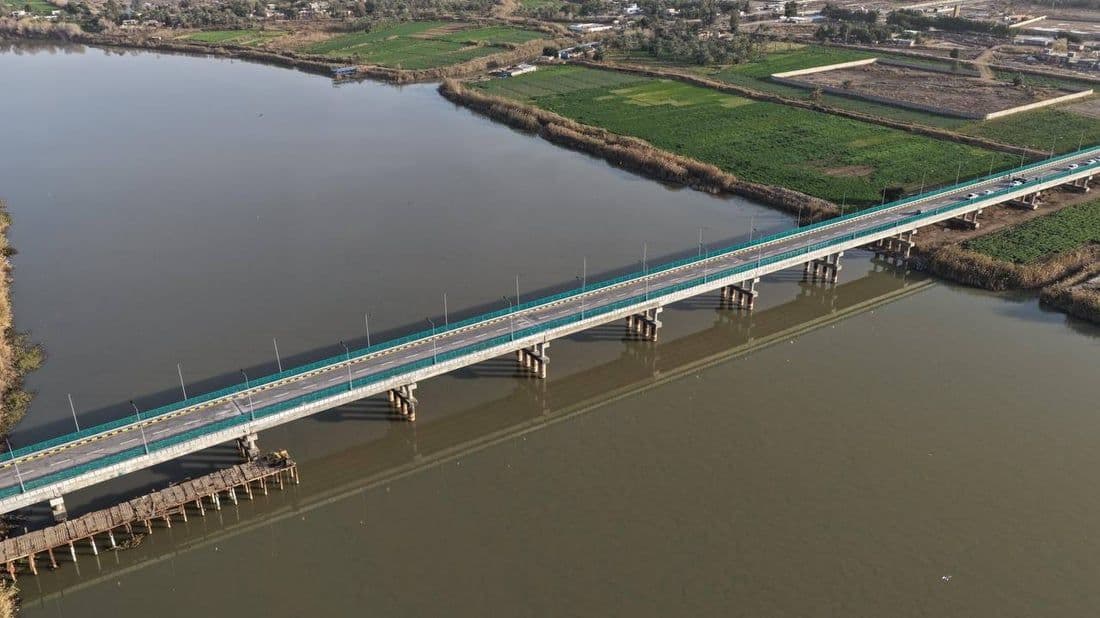
Rail service to Al Ḩayy is not verified. Do not plan for it. The transportation grid in this region of Iraq is road-based, fragmented, and reliant on informal networks. The primary artery connecting Al Ḩayy to the wider world is the road to Kut. This route is a national corridor, maintained but prone to the wear and tear of heavy traffic and dust storms. The journey takes approximately 45 minutes, assuming smooth traffic and no checkpoint delays.
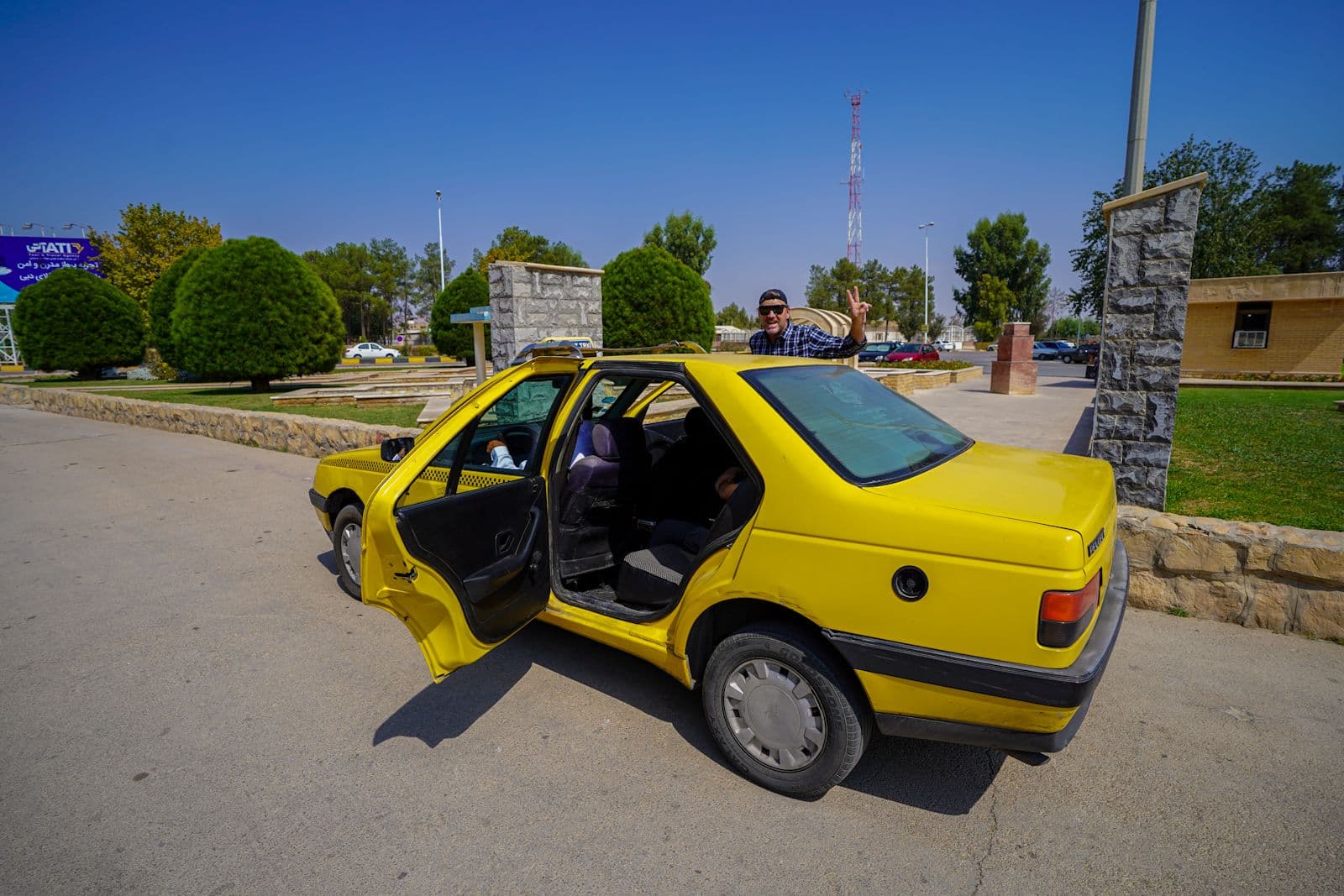
Shared taxis, or basra in local parlance, operate between Kut and Al Ḩayy. They fill up before they leave. There is no fixed timetable. There is only the accumulation of passengers. You pay a fare, you sit, and you wait for the others. The cost is negligible by international standards, a few thousand Iraqi Dinars, but the experience is one of passive endurance. The vehicle is often an older model sedan, modified for extra seating. The suspension absorbs the potholes so that you do not feel the full impact of the road surface. The driver knows the shortcuts. He knows which checkpoints are strict and which are lenient. He is the navigator of the local political landscape as much as the geographic one.
From Baghdad, the distance stretches to 220 kilometers. This is a half-day journey, requiring a change of vehicles or a long-distance coach. The road passes through the heart of the country, a stretch of land that defines the demographic and economic center of gravity. To travel from Baghdad to Al Ḩayy is to move from the chaos of the capital to the slower pulse of the provinces. It is a transition in tempo. The noise decreases. The pace slows. The stakes, however, remain constant.
Practical Logistics
Money is the first consideration. The Iraqi Dinar is the currency, and while electronic payments are becoming more common in Kut, cash remains king in Al Ḩayy. You will need small denominations. Large bills are difficult to break in smaller towns. Exchange money in Kut, where rates are transparent and competition drives value. Do not attempt to exchange currency in Al Ḩayy; the service is inconsistent and the risk of poor rates is high.
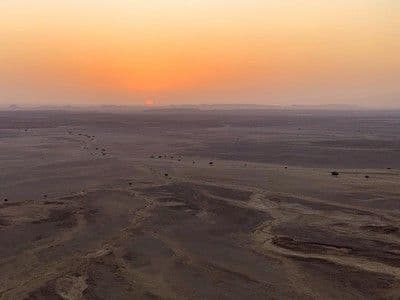
Timing is everything. In summer, the midday hours are hostile to outdoor activity. Temperatures soar, and the sun is a direct assault. Plan your movements for early morning and late afternoon. The morning light is sharp, clarifying. It reveals the textures of the buildings, the dust on the roads, the faces of the people. By noon, the world retreats indoors. Shops close. People rest. The streets empty. To walk the streets of Al Ḩayy at midday in July is to submit to the heat, a test of physical tolerance rather than cultural exploration.
Security functions as a variable rather than a constant. Al Ḩayy sits adjacent to areas that have seen instability, making it a borderland of sorts. Checkpoints are frequent. Carry identification. Be prepared for delays. The soldiers at the checkpoints are performing a duty, not a threat, but their authority is absolute. Respect the process. Do not argue. Do not photograph. Wait. The delay is part of the journey. It is the tax paid for movement in a state that monitors its borders, even internal ones.
The Local Rhythm
There are no confirmed specific landmarks in Al Ḩayy that serve as tourist anchors. The generic descriptions of "ancient ruins" and "bustling markets" found in low-quality online sources should be discarded. They are fabrications, or at best, exaggerations. What exists is the daily life of a district seat. The market functions as a utility. People buy vegetables, meat, and bread. They negotiate prices. They greet neighbors. The mosque serves as a community hub. The minaret stands, but the prayer is for the faithful, not the visitor.
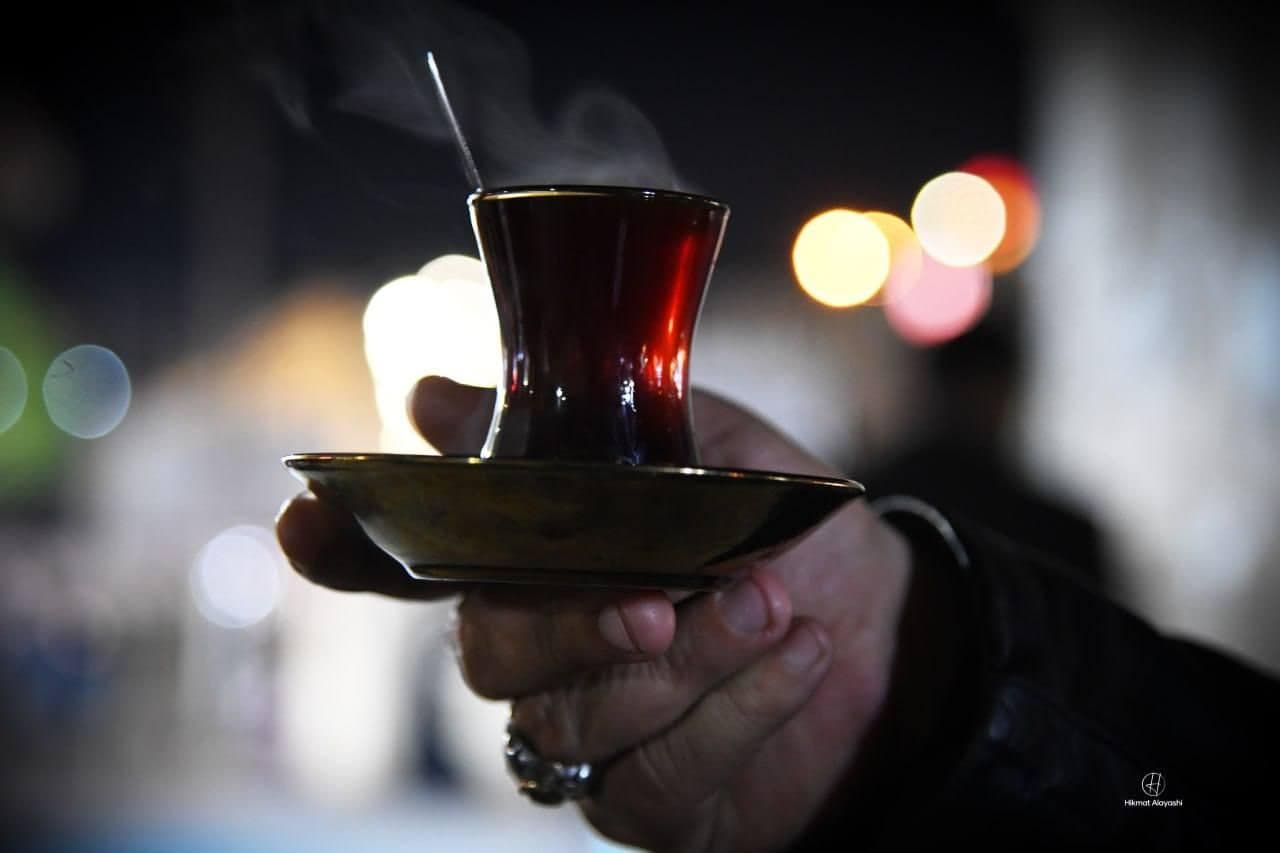
The cuisine is traditional Iraqi, though no specific dish is uniquely tied to Al Ḩayy in verified sources. You will eat dolma, kibbeh, and rice dishes. The flavors are familiar to anyone who has eaten in Baghdad or Kut. The difference is in the scale. The portions are generous. The hospitality is genuine, but guarded. You are a guest. Act accordingly. Do not demand. Ask. Wait. Accept the tea when it is offered. The tea is sweet, strong, and served in small glasses. It is the lubricant of conversation. Without it, the dialogue stalls. With it, the ice thins.
Language is Arabic. English is rare outside of formal business settings in Kut. In Al Ḩayy, a few words of Arabic go a long way. Learn marhaba (hello), shukran (thank you), and ayn (where). These three words open doors. They signal respect. They show that you are not imposing your presence, but seeking to integrate into the existing flow. The locals are observant. They will note your effort. It is a small gesture, but in a place where isolation is common, it is significant.
When to Go and Who Should Go
The ideal window for visiting Al Ḩayy is the shoulder seasons: spring (March to May) and autumn (September to November). In these months, the temperature is manageable, and the light is softer. Summer is harsh, a period of survival rather than exploration. Winter is cool but damp, with the potential for rain that turns unpaved roads into mud.
There are no major holidays recorded in the immediate future that would impact crowd levels or pricing in a predictable way. The calendar here is driven by the Islamic lunar cycle, which shifts annually. Respect the Ramadan period, if your travel coincides with it, by being discreet during daylight hours. Eating and drinking in public is frowned upon. Adjust your schedule accordingly.
Who should go? The slow traveler. The researcher. The person who wants to see the administrative heart of Wasit Governorate without the filter of a tour group. The family traveler will find little to engage children beyond the basic sights of a town. The solo traveler will find solitude, but also vulnerability. This is a place that requires preparation. It requires patience. It requires an understanding that the outcome of your visit is not guaranteed. You may find nothing. Or you may find the true texture of a place that refuses to perform for the outsider. The coin is in the air. Let it fall where it may.