Trek Mount Paitchau, dive the Timor Sea, and explore Jaco Island in East Timor’s first national park.
The Terrain: Nino Konis Santana National Park
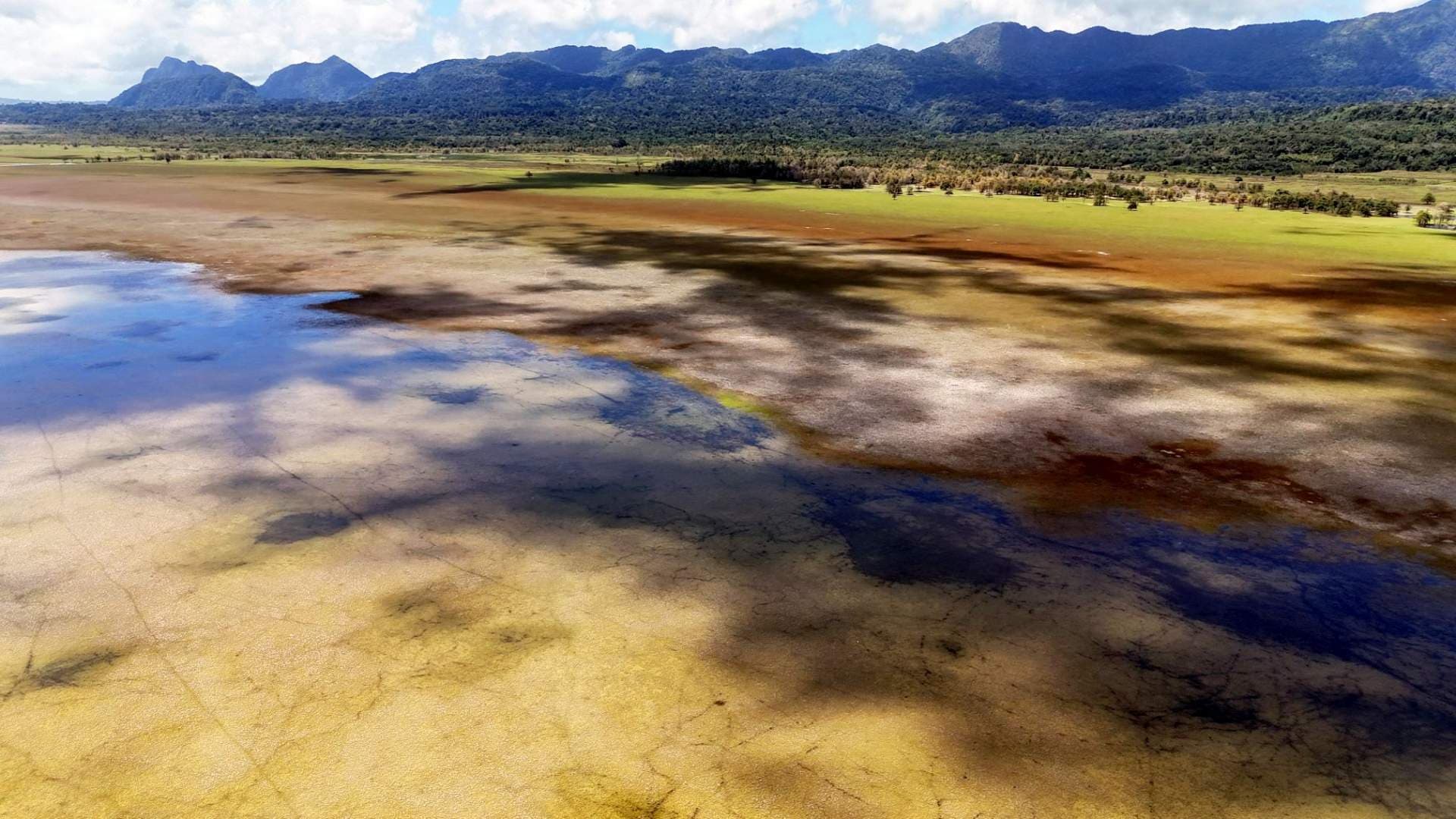
The adventure in Lautem begins with the sheer scale of Nino Konis Santana National Park, established on 15 August 2007. Covering 1,236 square kilometers, it is Timor-Leste’s first and largest protected area, encompassing the entire eastern tip of the island. The park is split roughly 55% land and 45% ocean, creating a dual environment that defines the region’s outdoor activities. The landscape is vast and rugged, with the terrain dictating your pace rather than a manicured trail system with marked paths and frequent signage.
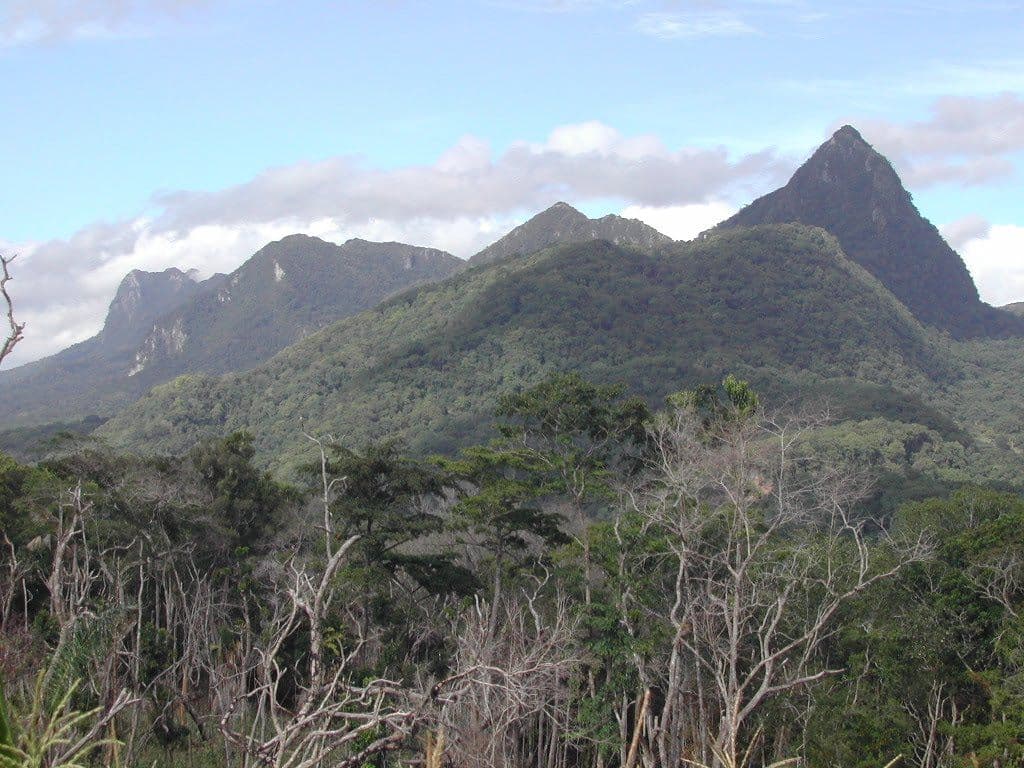
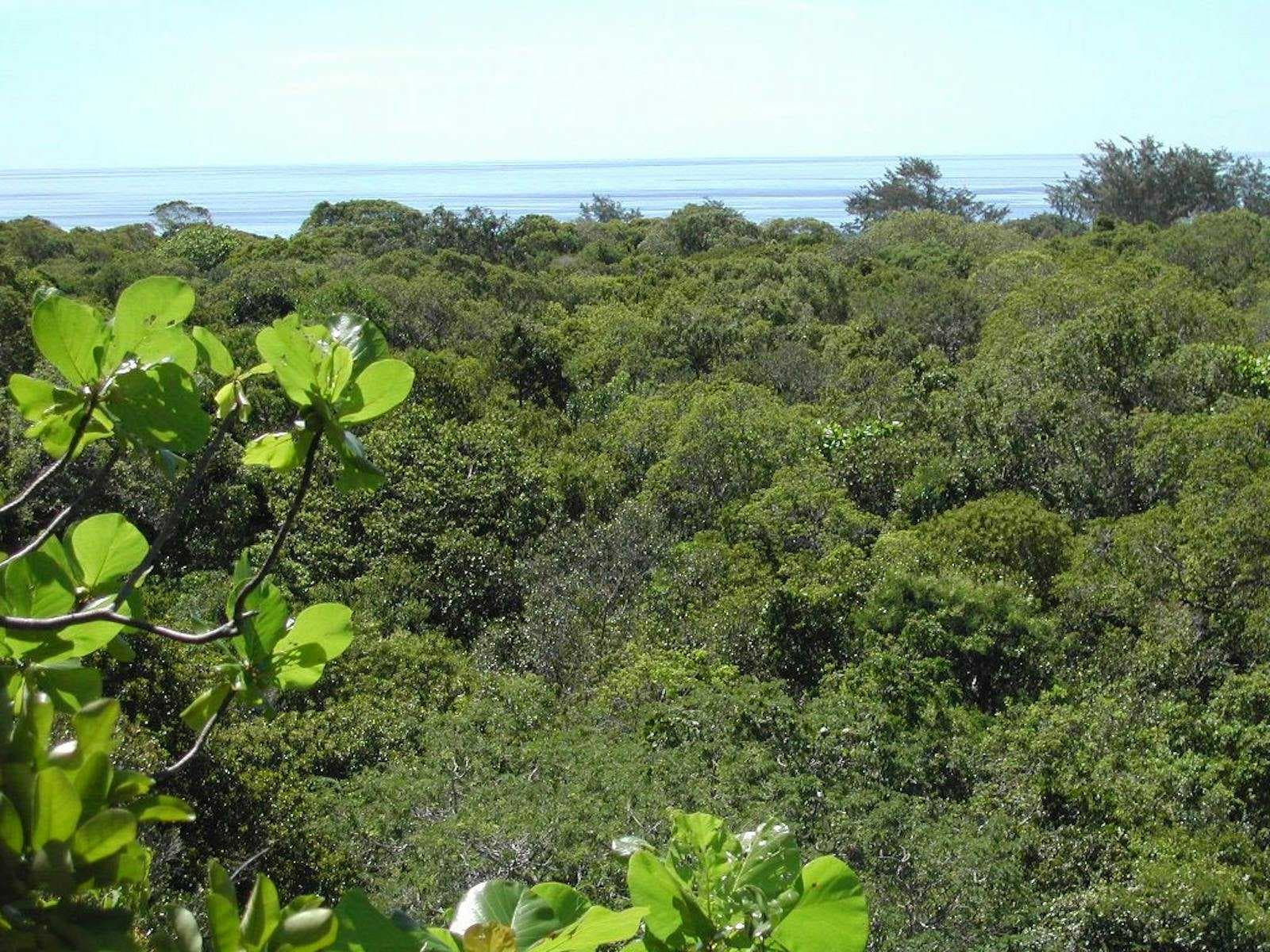
The highlight for hikers is Mount Paitchau, a significant peak within the park boundaries. Trails here are unpaved and often steep, requiring sturdy footwear and a solid understanding of your own fitness level. The reward is panoramic views over the eastern coastline and the dense vegetation that characterizes the interior. Birdwatchers should note the Lore area, designated as an important bird area, where the diversity of species in the dry season is particularly notable. The interior offers a stark contrast to the coastal environments, providing a varied backdrop for trekking and observation.
Coastal Activities and Jaco Island
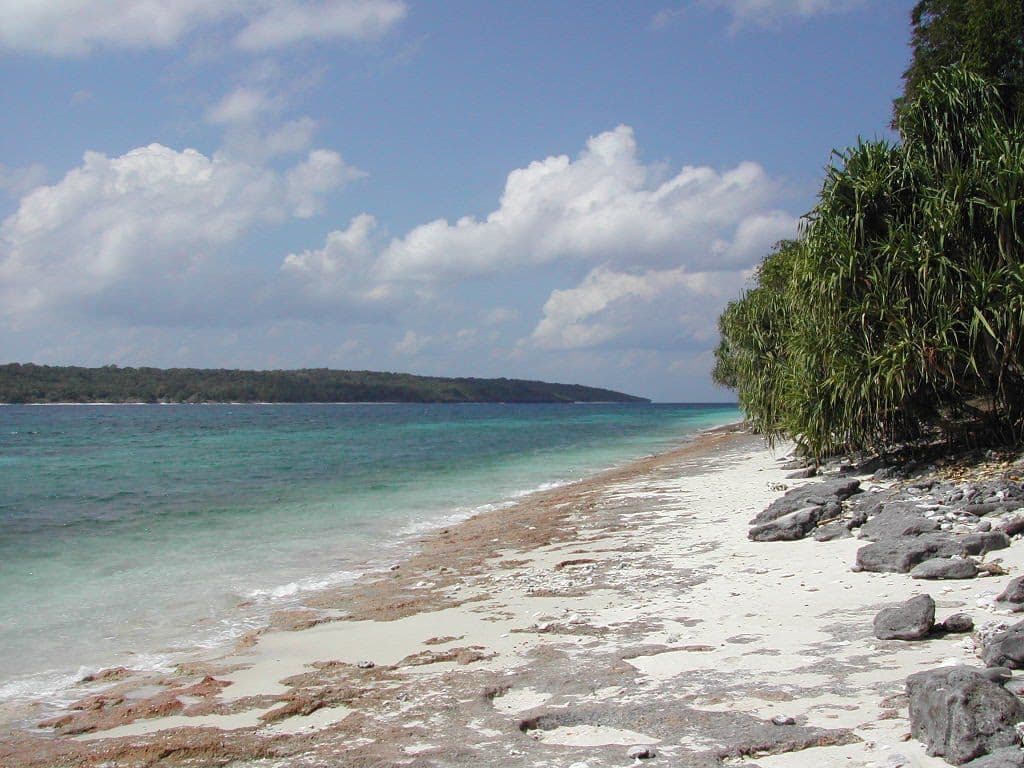
The oceanic portion of the park offers the region’s primary water-based adventures, with Jaco Island serving as the centerpiece. Located at Timor-Leste’s easternmost tip, this small, uninhabited island is a sacred site within the protected marine zone. Access is not straightforward; most itineraries recommend a three-day trip, often involving an overnight stay in nearby towns like Baucau or Com before the final transfer to the island. The journey itself is part of the experience, moving from the mountainous interior to the pristine coastal waters.
Once on the water, the focus shifts to diving and snorkeling in the clear waters of the Timor Sea. The marine life here is abundant, and the lack of heavy tourist infrastructure means the reefs remain relatively undisturbed. For those preferring to stay dry, the beaches near Tutuala offer a gentler introduction to the coastal environment. Tutuala is also home to the Kere Kere rock paintings, prehistoric art sites that add a historical layer to the physical exertion of exploring the area. The combination of marine exploration and archaeological discovery makes the coastal side of Lautem a distinct adventure from the inland trekking.
Reaching the Gateway: Lospalos and Transport
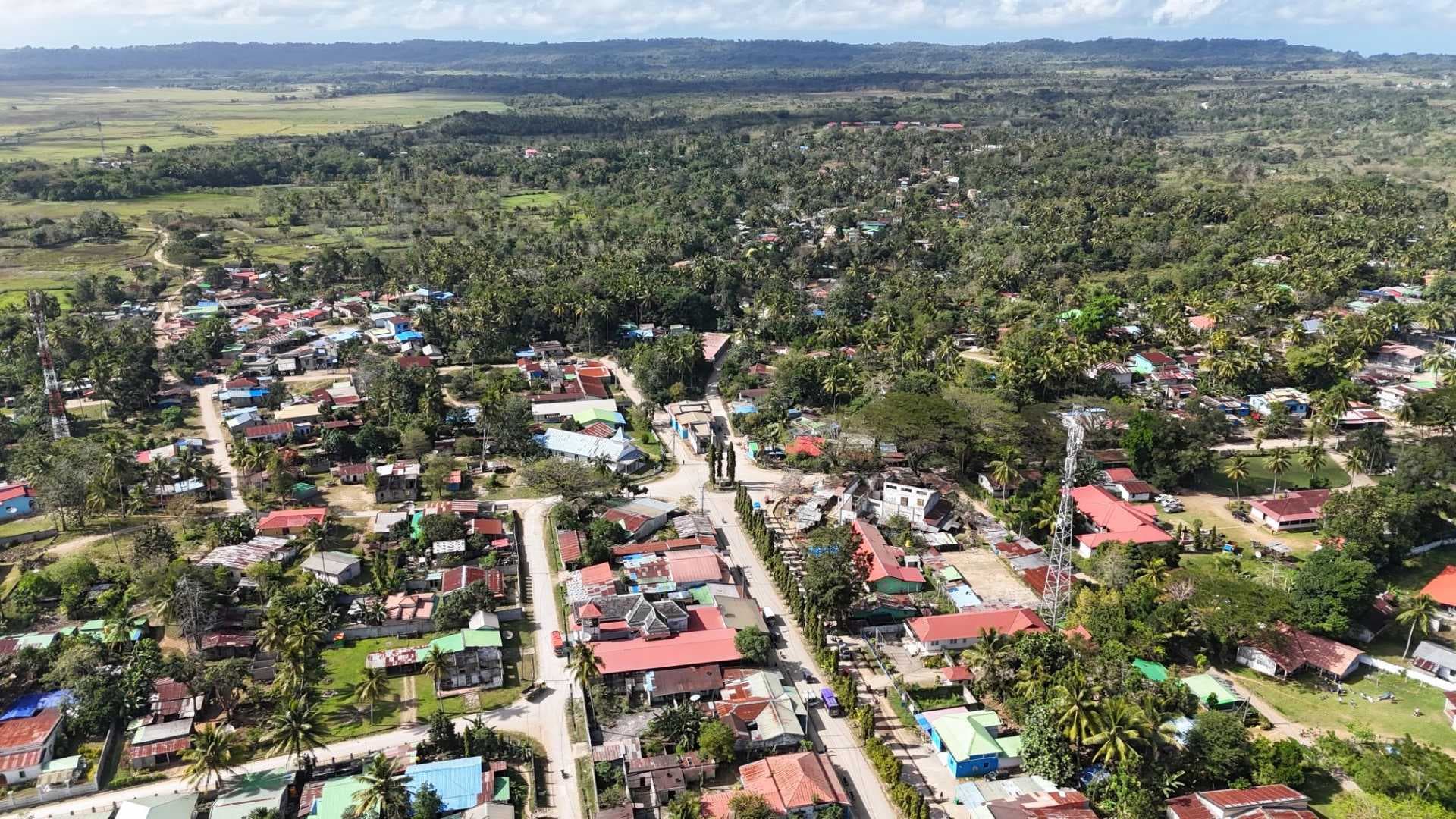
Lospalos is the municipal capital and the primary gateway for visitors entering Lautem. There is no railway network in Timor-Leste, so all travel to the region is by road. The journey from Dili, the capital, takes roughly 6 to 10 hours depending on road conditions and the specific route chosen. The roads are mountainous and winding, and traveling during daylight hours is strongly advised to navigate the terrain safely. The cost for this leg of the trip is approximately $48, though this can vary based on the mode of transport, whether it is an intercity bus, a microlet, or a car rental with a driver.
For those heading specifically to Jaco Island, planning the logistics is crucial. The distance from Lospalos to the island’s landing points requires careful coordination. Local tour operators often manage these transfers, but independent travelers should allow ample time for the road journey. The infrastructure in the region is functional but basic, so patience is a necessary travel skill. Once in Lospalos, local transport options become more limited, and arranging a vehicle for specific park sites or beach visits may require prior coordination with local guides or operators.
Fueling the Adventure: Local Food
Physical exertion in Lautem requires fuel, and the local diet is built around the freshness of the Timor Sea. Fish and seafood are the mainstay of the local cuisine in this district, reflecting the coastal geography. A notable local dish is tukir, a raw fish preparation marinated in lime, chili, and onions. This dish imparts a fresh, zesty flavor profile that is distinct from the slow-cooked preparations found elsewhere in the region. This approach to eating is deeply rooted in the culture of the Fataluku people, the indigenous group of the Lautem region.
While national staples like sweet potato, maize, cassava, and taro are available throughout Timor-Leste, the emphasis in Lautem is on the immediate availability of marine resources. Meals are typically simple but nutritious, designed to sustain the local workforce. For travelers, this means focusing on fresh, locally caught fish rather than seeking out elaborate restaurant menus. The food scene centers on sustenance and cultural authenticity. Eating what the locals eat, including traditional preparations like tukir, is one of the most rewarding aspects of an adventure trip here.
Timing Your Visit and Practical Tips
The best time to visit Lautem for adventure sports is during the dry season, from May to October. These months offer the most reliable conditions for trekking, beach visits, and coastal travel. The wet season can make roads impassable and limit access to certain parts of the park, so planning your trip within this window is essential. The current season, autumn, falls within this optimal period, making it an ideal time for outdoor activities.
Budget-wise, Lautem is a moderate-cost destination. Expect to spend around $50 to $80 per day for simple accommodation and basic restaurants. This estimate covers the essentials but may not include specific park entrance fees or permits, which can apply to areas within Nino Konis Santana National Park. It is advisable to confirm these costs directly with local authorities or tour operators before your visit.
Upcoming Holidays and Crowding: The next major holiday is All Saints’ Day on November 1, 2026, followed by All Souls’ Day on November 2. These dates are approximately six weeks away. Expect higher demand for accommodation and potential surge pricing in Lospalos and nearby towns during this period. Booking early is recommended if your travel dates align with these holidays. Other upcoming dates include National Women’s Day (November 3), National Youth Day (November 12), Proclamation of Independence Day (November 28), and Memorial Day (December 7). Each of these may see increased local activity, but the early November cluster is the most significant for international travelers.
Frequently Asked Questions
How do I get to Lautem from Dili? The journey is by road, taking 6 to 10 hours. Options include intercity buses, microlets, or hiring a car with a driver. The cost is approximately $48. Traveling during the day is recommended due to mountainous road conditions.
Is a permit required for Nino Konis Santana National Park? Access to the park or specific sites like Jaco Island may require a permit or entrance fee. It is best to confirm current regulations with local tourism offices or your tour operator before arrival.
What is the best season for trekking and diving? The dry season, from May to October, is the best time for outdoor activities. These months offer clearer skies, safer road conditions, and optimal visibility for marine activities.