Kundiawa offers high-altitude trekking on Mount Wilhelm. Precision, altitude, and discipline define the experience.
The air at 2,200 meters does not forgive hesitation. In Kundiawa, the capital of Chimbu Province in Papua New Guinea, the atmosphere is thin, cool, and demanding. This destination requires vertical ambition. Casual sightseeing yields no returns. The primary asset here is Mount Wilhelm, the nation’s highest peak at 4,509 meters. It dominates the horizon and the itinerary. For the serious traveler, Kundiawa serves as the logistical hub for high-altitude trekking. The infrastructure is functional. The rewards are physical. The environment requires respect.
The Terrain: Mount Wilhelm
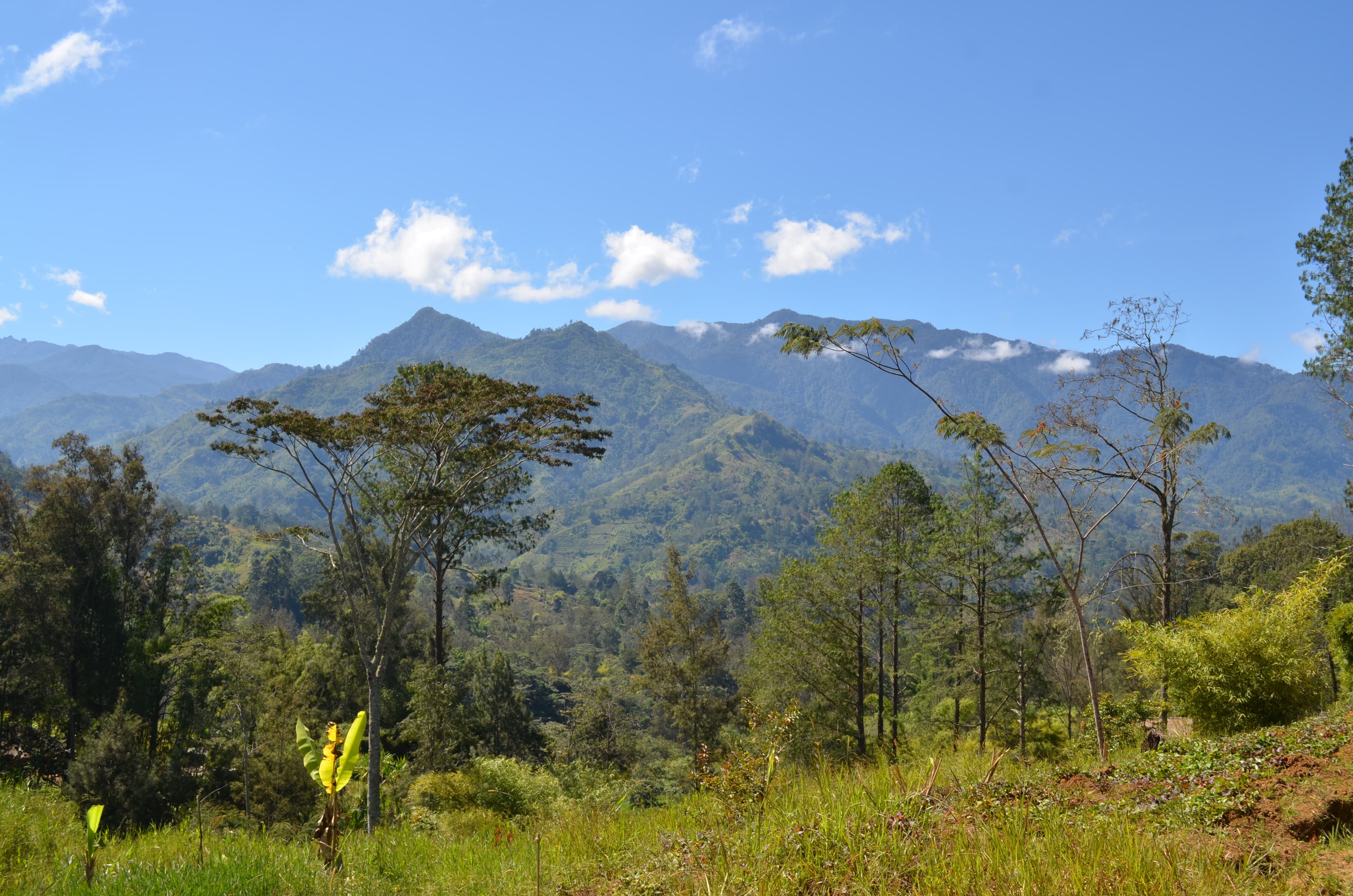
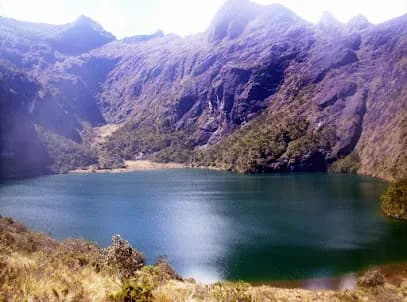
Mount Wilhelm demands an audit of endurance. The ascent begins from the Kundiawa district, moving into the rugged terrain of the Chimbu Highlands. The trail is a negotiation with the landscape. It lacks groomed paths. Steep gradients, loose scree, and variable weather conditions are standard. The elevation gain is significant. Travelers must account for the physiological impact of altitude. Acclimatization is mandatory. Rushing the ascent leads to failure. The mountain does not care about your schedule. It responds to preparation.
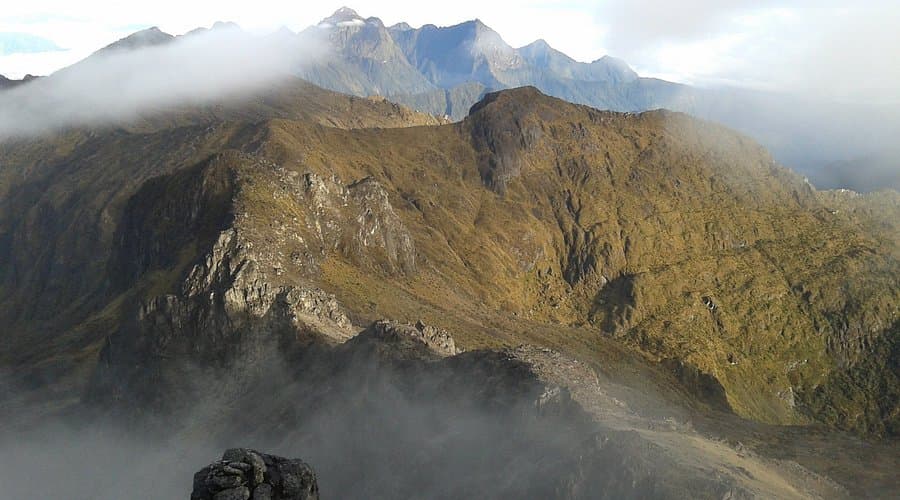
The views from the upper slopes are severe and beautiful. Cloud layers sit below the ridge line, creating a sense of isolation. The vegetation transitions from dense highland forest to alpine scrub. The light is sharp. The shadows are deep. This environment tests equipment and resolve. The summit is a flat, rocky plateau. It offers a 360-degree view of the highlands. The achievement is internal. External validation is irrelevant. The mountain remains indifferent.
Logistics: Getting to the Base
Access to Kundiawa is controlled. There is no railway network in Papua New Guinea. Historical tramlines used for plantation and mining transport are defunct. They do not serve tourists. The only reliable method of arrival is by air. Kundiawa Airport handles regular flights from Port Moresby, operated by Air Niugini. The flight time is short. The landing is abrupt. The tarmac is unpaved. The aircraft are small. This journey is a transfer. It is not a comfort experience.
Upon arrival, ground transport is limited. Roads connect Kundiawa to other highland towns such as Goroka and Mount Hagen. These roads are often rough. Travel by bus or hired vehicle is the standard. The journey is slow. The scenery is dense. The purpose is functional. Do not expect luxury transport. Expect efficiency. The goal is to reach the trailheads. Everything else is secondary. The airport is small. The procedures are simple. The focus is on movement.
Supplies: The Kundiawa Main Market
Before the ascent, preparation is key. The Kundiawa Main Market is the central hub for supplies. It operates Monday to Saturday. It is a place of transaction and observation. Local crafts, fresh produce, and cultural items are available. The prices are quite affordable. The quality is variable. Inspection is required. The market is a functional space. It is not a curated boutique. Travelers can purchase food, water, and basic gear. The selection is limited. Specialty equipment must be brought from Port Moresby or other major centers.
The market also serves as a cultural indicator. The interactions are direct. Bargaining is expected. The atmosphere is intense. It is a place to gauge the local rhythm. The produce is fresh. The fruits are tropical. The vegetables are hardy. This is the fuel for the trek. The market closes on Sundays. Plan accordingly. The absence of commerce on Sunday is absolute. The town rests. The mountain waits.
Practical Details: Timing and Costs
The dry season, from May to October, is the optimal window for trekking. The weather is cooler. The trails are firmer. The risk of rain-induced mudslides is lower. The current season is summer. In the Southern Hemisphere, this marks the start of the dry period. The conditions are improving. The light is good. The temperatures are manageable. However, the altitude remains a factor. Nights are cold. Daytime sun is strong. Layering is essential.
Costs in Kundiawa are low by international standards. Food and drinks at local markets and street vendors are affordable. Accommodation is basic. Guesthouses provide beds and meals. Luxury is not the point. The budget should be allocated to guides and porters. Local knowledge is critical. The trails are not signposted. The terrain is confusing. A guide ensures safety and efficiency. The cost is justified. The alternative is risk. The financial outlay is modest. The value is high.
When to Go
Plan around the dry season. The window between May and October offers the most stable conditions. Avoid the peak of the wet season, where trail erosion becomes a liability. Local holidays can impact accommodation availability. King's Birthday in June and Independence Day in September are significant dates. Expect higher demand for flights and lodging during these periods. Book early. Surge pricing is likely. Crowding is possible.
Kundiawa is for solo travelers and small groups. Families with young children are not advised. The terrain is difficult. The medical facilities are limited. Slow travel is not possible. The pace is dictated by the mountain. The stay should be short. Three to five days is sufficient. One day for arrival and acclimatization. Two to three days for the trek. One day for departure. Efficiency is key. The experience is intense. The memory is lasting.
FAQ
Is a visa required for Kundiawa? Yes. Papua New Guinea requires visas for most international travelers. Check with the nearest embassy for current requirements. The process is standard. Allow time for processing.
What is the best way to get from the airport to the town? Taxis and hired vehicles are available at Kundiawa Airport. The ride to the town center is short. Negotiate the fare before departure. The distance is minimal. The cost is low.
Are there ATMs in Kundiawa? ATMs are limited. Cash is king. Bring sufficient Papua New Guinea Kina from Port Moresby. Credit cards are not widely accepted. The local economy is cash-based. Plan your finances accordingly. The lack of digital infrastructure is a reality. Adapt.