Mid-range stays in Santo Antão’s hub balance Atlantic breezes and hiker’s budgets. Here is how to book without losing your mind or wallet.
The ferry from Mindelo does not so much arrive in Porto Novo as it surrenders to it. After two to four hours of bouncing over the Atlantic swell—a journey that costs somewhere between €15 and €30 depending on your luck with the waves—you hit the dock with salt in your hair and a sudden realization: you are in Cape Verde, and your bank account just shrunk slightly. But before you panic about the cost of luxury resorts, look around. Porto Novo, the capital of Santo Antão island, runs on a different frequency. It is a place where the mountains loom large enough to make you feel small, but the prices remain humble enough to let you breathe.
If you are traveling in August, you are playing the game hard mode. The weather can be unpredictable, and while the skies may not always open up, the humidity rises and the hills hold their breath. But for those who prefer their landscapes dramatic and their hotel bills modest, the 3-star sector in Porto Novo offers a pragmatic sweet spot that doesn’t require sacrificing dignity for dirt floors.
The Reality of Three Stars
In many destinations, a three-star rating implies a specific level of service: a lobby with a concierge, perhaps a pool, certainly air conditioning that works. In Porto Novo, the definition is more fluid. Think of three stars here as "reliable comfort." You will get clean sheets, hot water (usually, though you should always ask the clerk about the schedule), and Wi-Fi that exists, even if it occasionally goes on strike during a thunderstorm.
The price band is predictable. Expect to pay between €40 and €80 per night. Hostels and guesthouses can dip lower. Resort pricing on drier islands like Sal or Boa Vista reaches €200 a night. You are paying for location and reliability. The trade-off is that you are likely staying in the town center or just off the main road, meaning you can walk to the bus stops, the grocery stores, and the few decent restaurants without needing to hail a taxi at midnight.

Where to Stay
Since specific property names fluctuate with ownership changes and seasonal closures, and because the inventory shifts like the tides, it is safer to guide you by district and type rather than promising a specific bed that might be booked by a group of German hikers.
Town Center Guesthouses Located within walking distance of the central square and the main bus terminal, these are the workhorses of Porto Novo accommodation. They are often family-run, which means breakfast might be included and the owner might insist on feeding you extra bread. Prices hover around €40–€50. The differentiator here is convenience. You can sleep in late because you don’t need to catch a bus to see the sunrise.
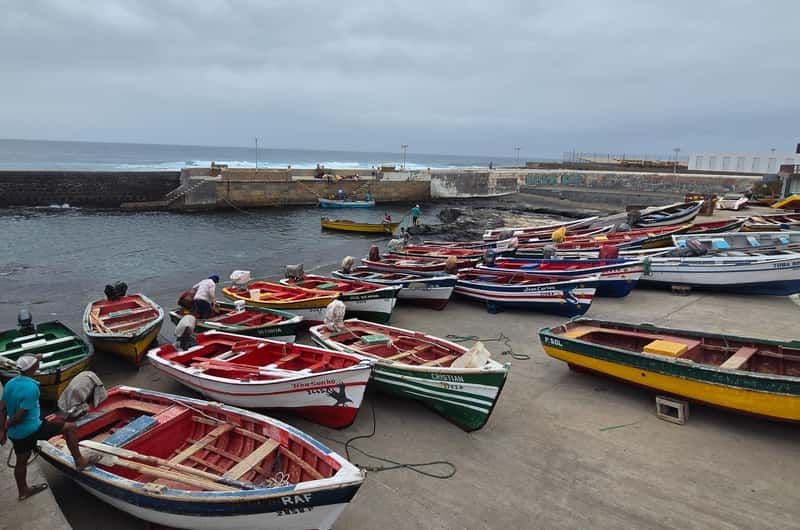
Coastal B&Bs Near Praia de Bote Praia de Bote is a small coastal area nearby, noted for its marina charm and slightly quieter atmosphere. Accommodations here tend to lean toward the €60–€80 mark. You pay extra for the ocean breeze and the view of the boats bobbing in the harbor. These places are better if you plan to spend your evenings watching the light fade over the Atlantic rather than hiking into the interior.
Mountain-View Lodges on the Outskirts Just outside the immediate town limits, a few three-star properties sit higher up the slope, offering views of the Ribeira Grande valley. These are ideal if you are using Porto Novo purely as a base for hiking Santo Antão’s legendary trails. The trade-off is that you may need a taxi or a bus ride to get into town for dinner. Prices are comparable to the town center, around €45–€65.
Getting There and Around
Let’s address the elephant in the room: there are no trains. Cape Verde has no operational passenger railway network. Do not look for a station. Do not buy a rail pass. Instead, look for the ferry terminal in Mindelo, on São Vicente island. The ferry is the lifeline. It takes 2–4 hours, and yes, it can be rough. Bring seasickness medication if you are prone to nausea. Once you are on Santo Antão, local transport consists of buses and taxis.
The buses are colorful, crowded, and cheap. They run along the main coastal road and into the interior villages. Taxis are more expensive but negotiable. If you are staying in a three-star hotel, ask the receptionist to book your taxi; they often have regular drivers and can secure a fair rate. The island is small, but the roads are winding. What looks like a ten-minute drive on a map might take twenty minutes in reality.

Eating Without Regret
You cannot come to Porto Novo and ignore the food. The national dish, cachupa, is a hearty stew of corn, beans, and vegetables, sometimes with meat. It is filling, comforting, and perfect after a day of hiking or ferry travel. You will find it in almost every restaurant, from the fancy ones to the plastic-stool eateries.
For seafood, try amêijoas, slow-cooked mussels often prepared with soy sauce or garlic. It sounds simple, but done right, it is addictive. If you are adventurous, order morreia, fried moray eel. It reflects the Portuguese influence on the islands and is surprisingly tender. Pair any of these with xerém, a savory cornmeal porridge similar to polenta. It is the standard side dish and absorbs sauces beautifully.
Goose barnacles are not a local staple here. Focus instead on the fresh fish caught daily in the harbor. Most three-star hotels will have partnerships with local restaurants, so ask the front desk for recommendations. They will steer you away from tourist traps and toward the places where locals eat.

When to Go and Who It’s For
The best time to visit Cape Verde is during the dry season, from November to June. The weather is sunny, the winds are steady, and the ferries run more reliably. August brings higher humidity and potential rain disruptions. The landscape is greener, and the prices may be slightly lower due to low season demand.
There are no major holidays in the next six months that will significantly impact crowds or prices, so you can book with relative ease. This destination suits slow travelers, hikers, and budget-conscious explorers who appreciate authenticity over polish. Plan to stay at least three to four days to properly explore Santo Antão’s interior and relax in Porto Novo.

FAQ
Is it safe to walk around Porto Novo at night? Generally, yes. Porto Novo is a small, quiet town. Standard precautions apply: don’t flash expensive jewelry, stay in well-lit areas, and keep an eye on your belongings. Vigilance is always wise.
Do I need a visa? Citizens of the EU, USA, Canada, and many other countries do not need a visa for stays up 30-90 days. Always check the latest entry requirements with your embassy before traveling, as rules can change.
How much cash should I bring? While some hotels and larger restaurants accept cards, many smaller establishments and markets operate on cash. The local currency is the Cape Verdean Escudo (CVE), but Euros are widely accepted. Bring small denominations of Euros for easier transactions. ATMs are available in Porto Novo, but they can sometimes be out of service, so having backup cash is prudent.