In Zomba’s highlands, coffee is grown at 1,800m. It is a test of altitude, soil, and patience, not just taste.
The Weight of Altitude
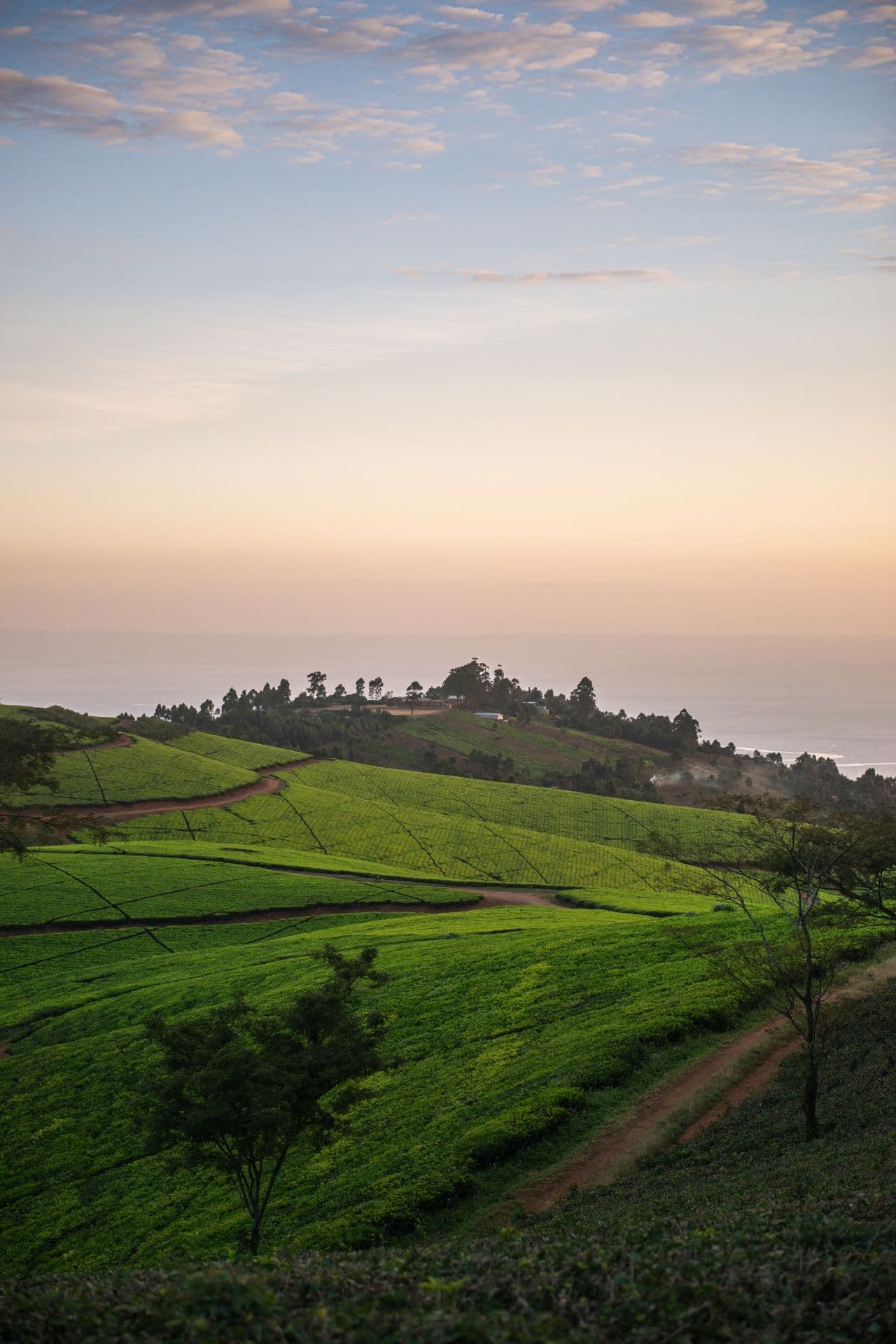
In the Southern Highlands of Malawi, the ground does not simply hold coffee trees; it elevates them. The Zomba District, alongside Thyolo and Mulanje, forms the core of the country’s most significant coffee-producing region. Here, the terrain rises sharply, often exceeding 1,800 meters above sea level. This is a calculated agricultural reality. At these heights, the air is thinner, the nights colder, and the growth cycle slower. The result is a bean that develops density and complexity under physical stress. The volcanic soils of this plateau are fertile, but they demand precision. You are consuming the outcome of a specific geological and climatic equation, rather than a simple beverage.
The Estate System
Unlike many African origins where smallholder cooperatives dominate the landscape, the coffee production in this zone is largely estate-based. Large, managed plots stretch across the rolling hills, reflecting a structure that prioritizes consistency over chaotic variety. The Satemwa Tea & Coffee Estate, located in the scenic hills near the Zomba Plateau, exemplifies this model. It is a place where farming is treated as a controlled science. The estate is noted for sustainable practices, ensuring that the land remains productive without being stripped of its integrity. Walking through such grounds, one sees rows that are deliberate, almost architectural. There is a rigidity to it. The plants are spaced with intent. The harvest is a scheduled event, occurring with mechanical precision rather than spontaneity. This system produces a product that is reliable, but it also creates a hierarchy. The farmer acts as a manager of systems, functioning as an administrator of order rather than a mere gatherer of fruit.
The Plateau as Context
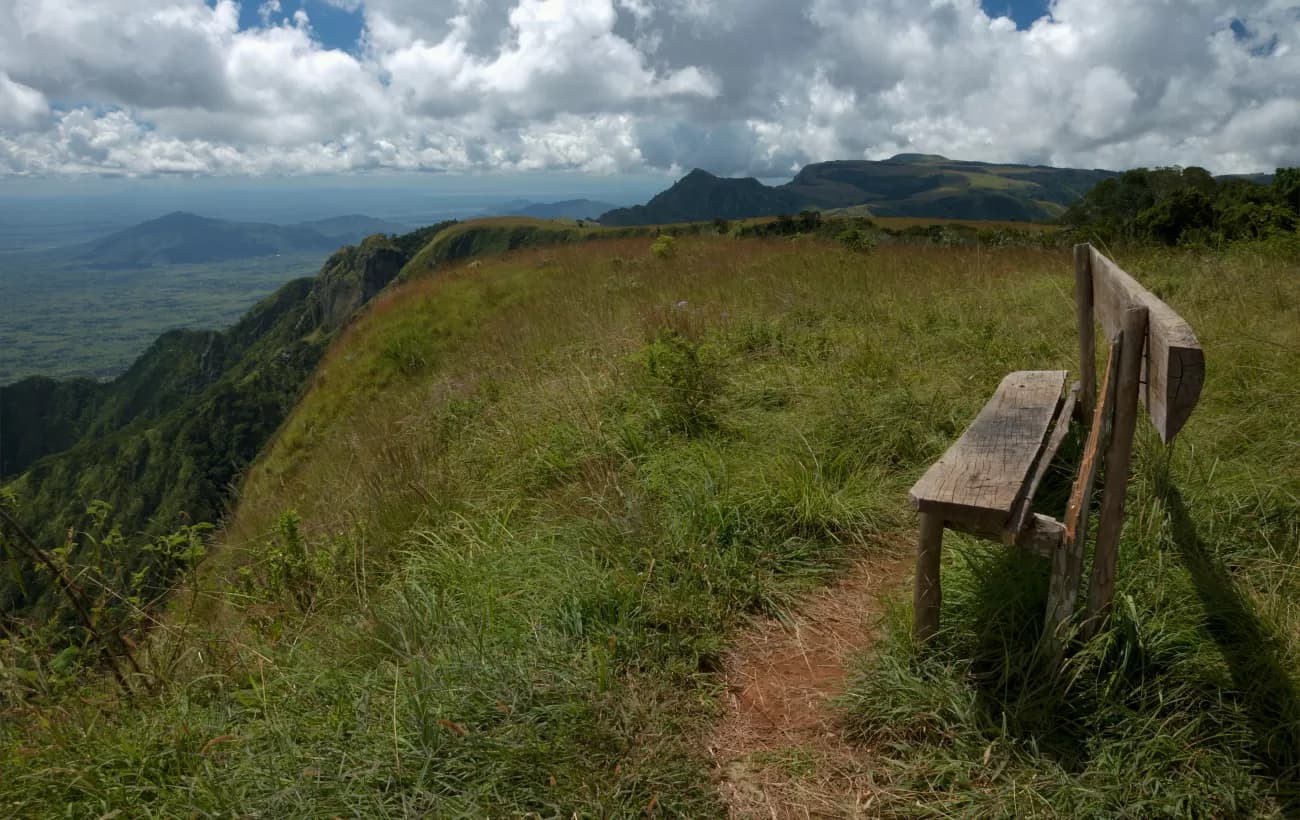
To understand the coffee, you must stand where it grows. The Zomba Plateau rises abruptly from the town below, a forested tabletop reaching over 2,000 meters. It is a vertical wall of pine forests, trout streams, and cliff-edge viewpoints. The University of Malawi campus, historically known as Chancellor College, sits on the southern edge of this formation, framed by Malosa Mountain. The campus is a hub of intellectual activity, surrounded by a landscape of stark beauty. The wind here is constant. It strips away the pretense of the lowlands. When you hike the trails on the plateau, the air is cool and dry. The view from the edge looks down upon the valley where the estates lie. It is a reminder that the coffee below exists because of the height above. The plateau serves as the engine of the climate that makes the beans possible.
Practical Access
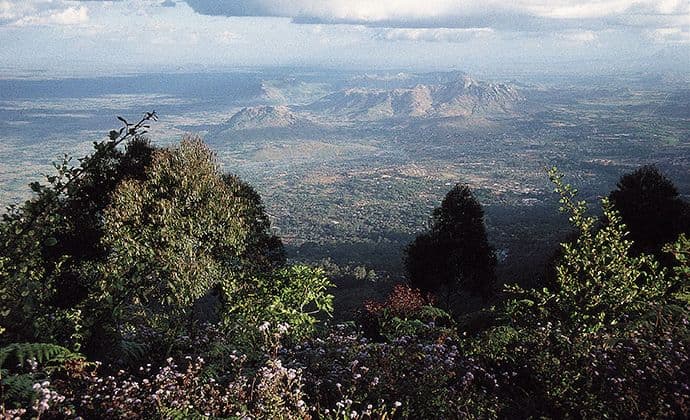
Getting to Zomba is a matter of simple geometry. The nearest major city is Blantyre, located approximately 55 kilometers away in a straight line. By road, the distance is closer to 97 kilometers. The drive takes between 50 minutes and two hours, depending on traffic and the condition of the road. There is no dedicated railway line serving Zomba District that is widely confirmed for tourist use; you will move by car or taxi. The journey involves a climb. As you ascend from the lowlands toward the plateau, the temperature drops. The vegetation changes. You leave the dense humidity behind and enter a drier, cooler environment. This transition is the first step in understanding the region. Do not underestimate the road. It is built for endurance, favoring steady progress over speed.
When to Go
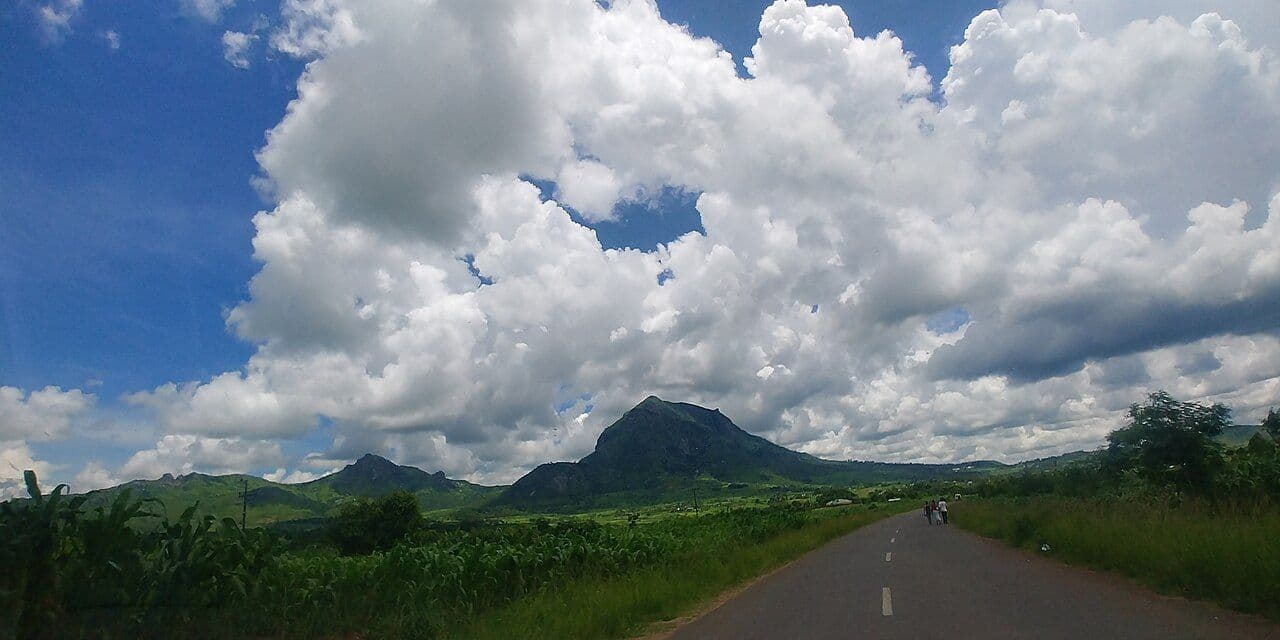
The dry season, from May to October, is the optimal window for visiting Zomba. During these months, the skies are clear, and the visibility from the plateau is unobstructed. The heat of the summer lowlands is absent here. The air is crisp. This is when the hiking trails are accessible and the views are sharpest. If you are planning a trip, consider the upcoming holidays. Mother’s Day falls in October 2026, which coincides with the tail end of the dry season. This period offers ideal conditions for exploration without the crowds of the peak tourist seasons elsewhere. For those interested in the coffee harvest, timing is critical. The main harvest typically occurs in the autumn and early winter months, though this can vary by specific micro-climate. Arriving during the dry season allows you to see the estates in their most stable state, ready for the coming cycles.
Local Etiquette and Culture
In Zomba, respect is shown through observation. The town was the colonial administrative capital of Nyasaland before 1964, a history that lingers in the architecture and the social fabric. The population is approximately 90,000, making it Malawi’s fourth-largest city. It is a place of institutions, with the University of Malawi serving as a central pillar of life. Interactions are generally polite and reserved. When visiting estates or local markets, dress modestly. Carry cash, as electronic payments may not be universally accepted in rural or estate areas. The local language is Chichewa, but English is widely spoken, especially in academic and commercial settings. Do not expect rapid service. Time moves at the pace of the landscape. Patience is a requirement here, demanded by the rhythm of the place.
Frequently Asked Questions
Is Zomba safe for solo travelers? Yes, Zomba is generally considered safe. It is a quiet, university town with a low crime rate compared to larger urban centers. Standard precautions apply, such as avoiding walking alone at night in unlit areas. The community is welcoming, and the presence of the university adds a layer of stability and cultural exchange.
Can I visit the coffee estates without a guide? While some areas may be accessible, guided tours are recommended for the best experience. Estates like Satemwa often have specific protocols for visitors. A guide provides context on the farming techniques, the history of the estate, and the nuances of the coffee production process. It is a more meaningful way to engage with the culture than simply observing from a distance.
What is the best way to get around Zomba District? Taxis are the primary mode of local transport. They are affordable and readily available. For longer distances, hiring a car with a driver is a practical option, especially if you plan to explore the surrounding hills and plateaus. Public buses exist but can be unpredictable in terms of schedule and comfort. Private transport offers the flexibility needed to explore the rugged terrain.