Plan a Zomba District spring trip around the 1,800 m plateau, local coffee, and the one-hour road from Blantyre. Practical timing, transit, and sensory detail.
The Plateau as a Holding Space
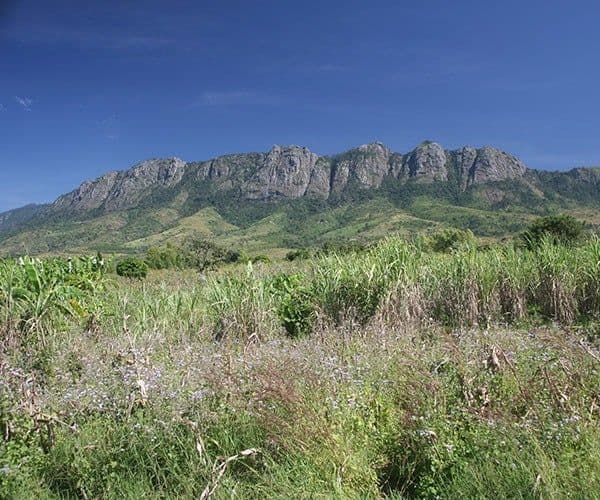
The Zomba Plateau waits. Rising to approximately 1,800 meters above the surrounding lowlands, this geological feature sits just outside Zomba town, a historic administrative center that served as the seat of the colonial government until 1964. It is a convergence point where the landscape shifts from flat agricultural land to a dense, mist-prone highland. The air here is cooler, the silence heavier. For a traveler in spring, the plateau offers a specific kind of tension: the promise of clarity after the rains, held in check by the unpredictable weather of the season.
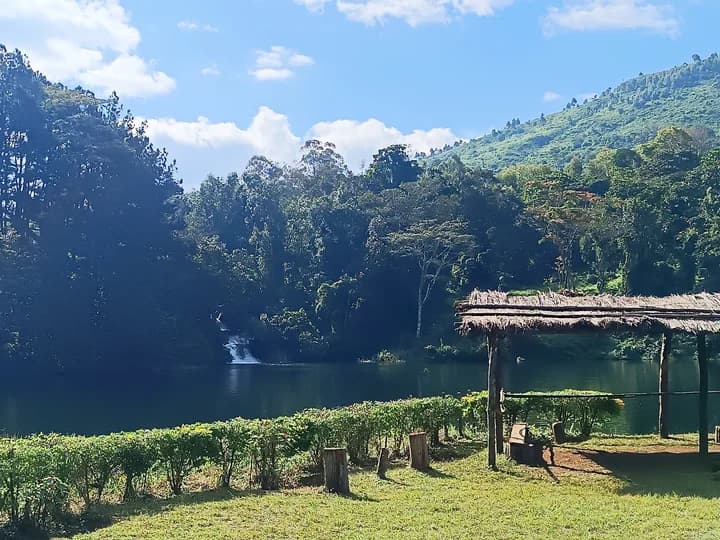
You come to Zomba for the altitude. The plateau is covered in African juniper and Widdringtonia forests, trees that have stood here longer than the nation itself. Streams crisscross the terrain, feeding waterfalls and still lakes that reflect the sky in a way that feels almost static, like a photograph paused in time. This destination tests your patience. It rewards those who understand that stillness is an active state.
The Coffee Question
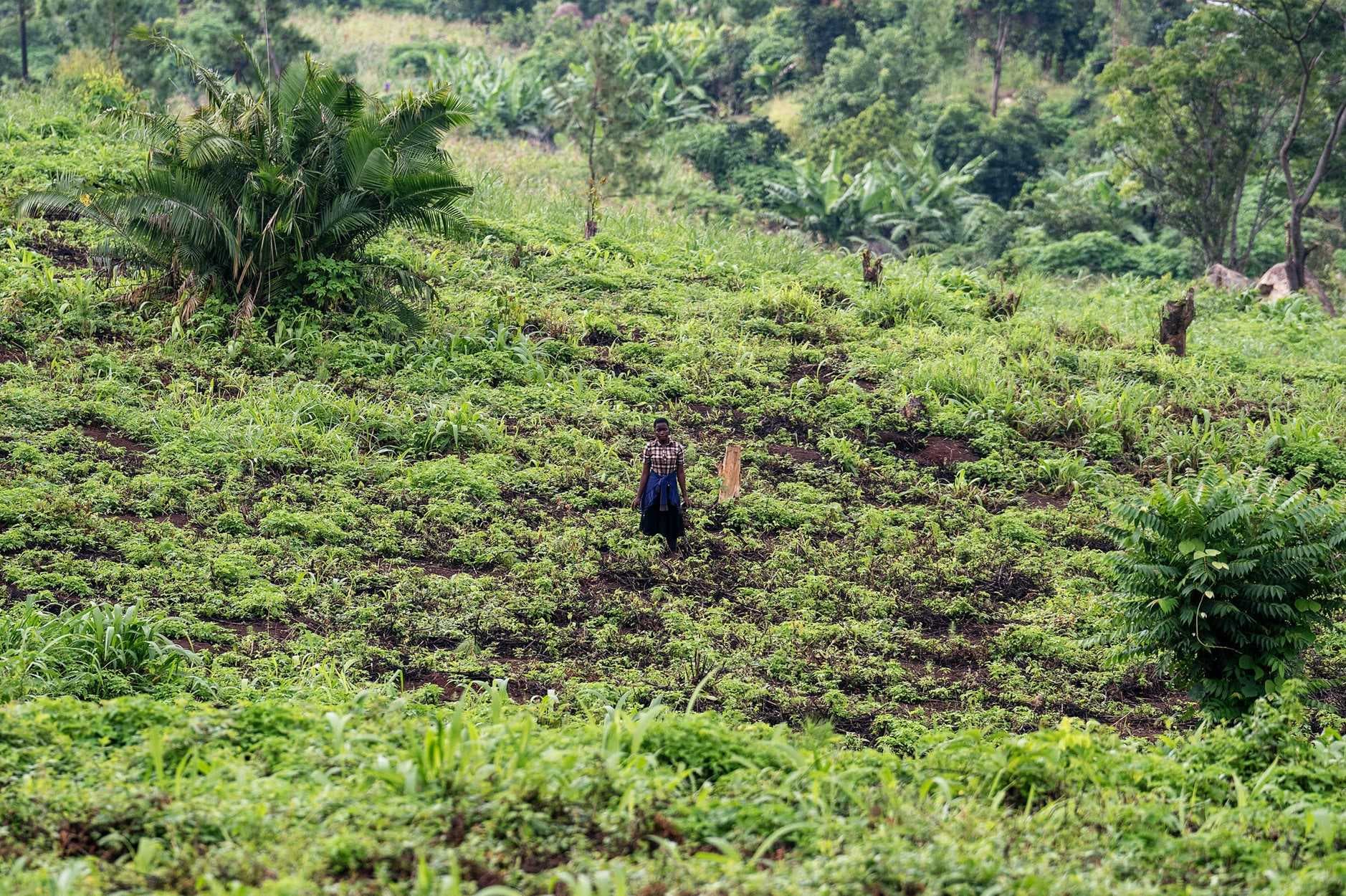
In Zomba, the most honest transaction is the cup of coffee. Zomba Mountain coffee is produced on the slopes of the plateau and sold internationally, a fact that anchors the local economy in a tangible, sensory reality. The beans are grown at high altitude, which imparts a distinct acidity and a clean finish that distinguishes them from lower-grown counterparts.
When you visit, you participate in a local rule of production. The coffee is a marker of quality, a signal that the land here yields something specific. Cafés in town serve this local product, offering a chance to engage with the source rather than a global brand. The smell is sharp, earthy, and immediate. It cuts through the humidity of the lower regions. For a spring visit, sitting with a cup of Zomba Mountain coffee on a terrace overlooking the valley serves as a necessary grounding exercise. It reminds you of the scale of the place and the smallness of your stay.
Getting There and Moving Around
The road is the only true link. Zomba is approximately one hour by car from Blantyre, Malawi’s largest commercial city. This distance is short enough to make a day trip feasible, but long enough to require a deliberate decision to stay. There is no regular passenger rail service into the region; Malawi’s rail network is primarily freight, focused on the Nacala Corridor. Any notion of a scenic train ride is a myth. You will move by road.
Local transport options are limited but functional. Fixed-fare taxis and pre-booked transfers are available, offering a direct line from the airport or bus terminal to your accommodation. The drives are straightforward but can be affected by seasonal road conditions. In spring, the roads may be damp or muddy, slowing your pace. The mud is a feature. The speed of your journey should match the speed of your observation. If you are in a hurry, you are in the wrong place. The road to Zomba functions as a threshold.
Where to Stay
Accommodation in Zomba is sparse, which is part of its appeal. You choose from a few options that understand the terrain.
- Mulunguzi Lodge: Located near the Mulunguzi River, this riverside property offers a quiet base. The water is still, the air is cool. It is a holding space for strangers who have decided to stop moving. Rates vary, but the value lies in the isolation and the view.
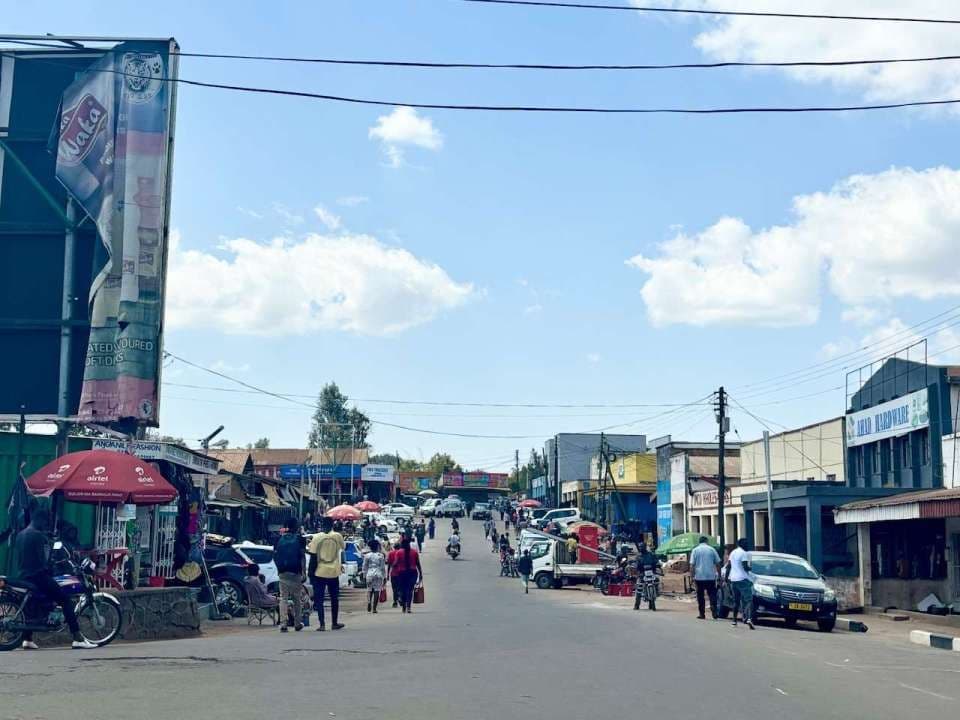
- Zomba Town Centers: Several smaller guesthouses and lodges operate in the town itself. These are often more affordable and closer to the local market area. They offer a more direct connection to the daily rhythm of the district, where the noise of the town is a constant, low-level hum.
- Plateau-Edge Properties: Some accommodations are situated on the lower slopes, offering immediate access to the trails. These are often more rustic, with fewer amenities but a stronger connection to the natural environment.
The choice depends on your tolerance for discomfort. If you need comfort, stay in town. If you need clarity, stay near the water or the trees. There is no wrong answer, only different outcomes.
The Local Rhythm
Food in Zomba centers on the general Malawian staple. You will find local cafés serving regional meals, often centered on maize, beans, and vegetables. The food is simple, hearty, and honest. It tries to sustain.
Etiquette here is straightforward. The people of Zomba are direct but polite. They value punctuality in a practical sense. Time is fluid, especially in the early morning and late afternoon. If you are waiting for a meal or a meeting, you are waiting. There is no rush. The language is Chichewa, the national language of Malawi, but English is widely spoken in tourist areas. A few words of Chichewa will go a long way because of the intent behind them.
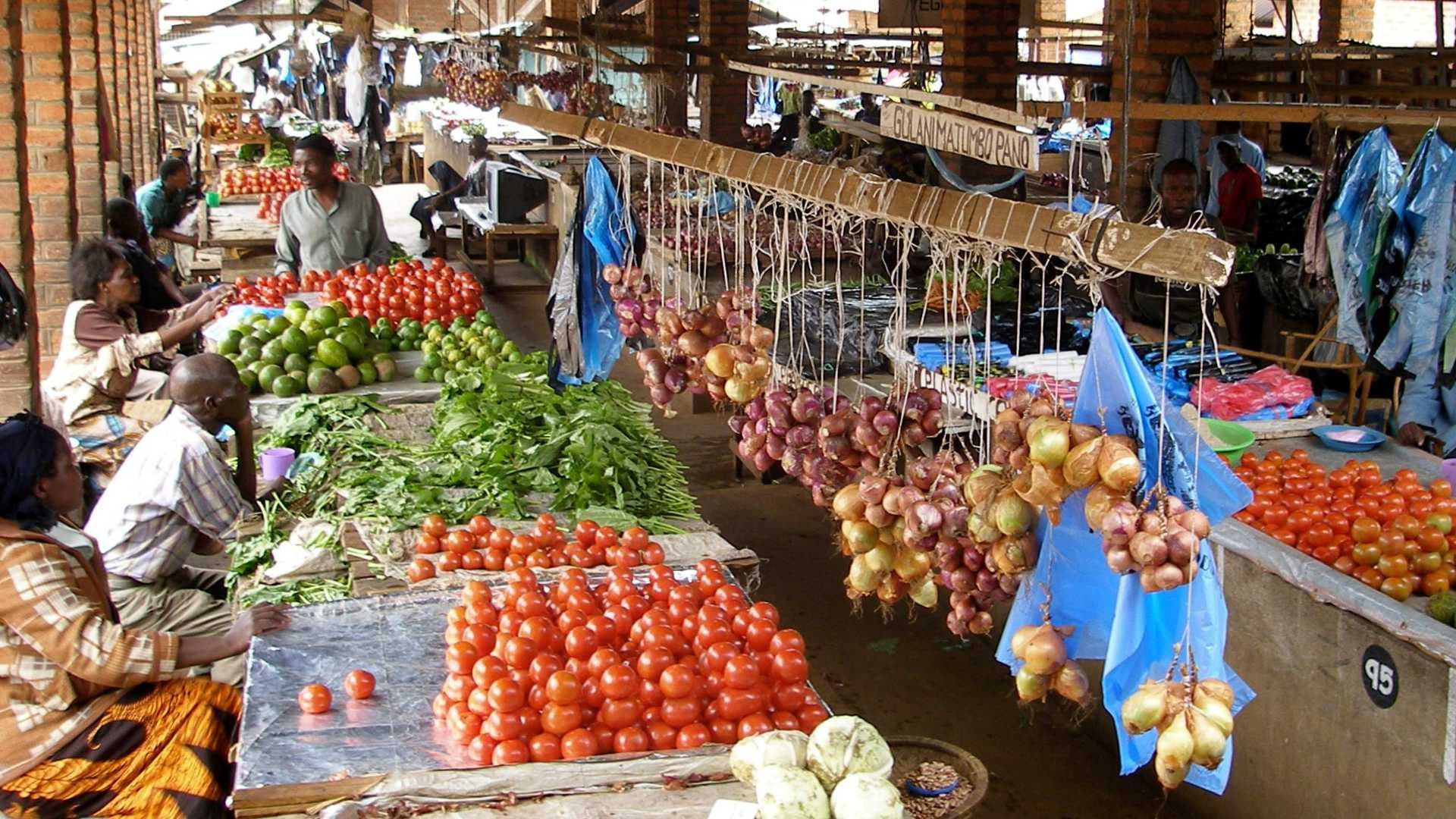
The local market area is a convergence point where people gamble with chance. You will see fresh produce, handmade goods, and the faces of those who live here. The market operates on its own clock, its own logic. Engage with it, but do not try to control it. The market does not care about your itinerary.
When to Go and Who It Is For
Spring in Malawi is a transitional season. The rains are easing, but the humidity remains high. This is a time of change, of the landscape shifting from one state to another. For a traveler, this means packing for both sun and rain. The light is soft, the air is thick, and the trails are green.
The nearest major holiday is Mother’s Day, falling on October 15, 2026. This date is only a week away from the current time, so expect higher demand for accommodation and potentially higher prices. Book early if you plan to visit during this window. Further out, Christmas Day (December 25) and Boxing Day (December 26) will bring a surge in domestic travel, as Malawians return home. New Year’s Day (January 1, 2027) and John Chilembwe Day (January 15, 2027) will also see increased activity.
Zomba is for the slow traveler. It is for those who want to sit with a question, to watch the mist rise, to drink the coffee, and to let the place work on them. Stay for three to four days. Less, and you are just passing through. More, and you are becoming part of the rhythm. The plateau is waiting. It has been waiting for a long time. It will wait for you, too.
Practical Questions
Do I need a visa to visit Zomba, Malawi? Most international travelers require a visa to enter Malawi. Check with the nearest Malawian embassy or consulate for the specific requirements based on your nationality. Some nationalities may be eligible for a visa on arrival, but this is not guaranteed.
How do I get from Blantyre to Zomba? The most reliable option is by car or taxi. The drive takes approximately one hour. There are no regular passenger trains. You can arrange a private transfer or use a local taxi service. If you are arriving by air, Blantyre’s airport is the closest major hub, from which you can connect to Zomba by road.
What is the best time of day to visit the Zomba Plateau? Early morning is ideal. The mist is thickest, the light is soft, and the trails are less crowded. The temperature is cooler, which is comfortable for hiking. By midday, the sun can be strong, and the heat can make the walk more difficult. Afternoon is better for resting or visiting the lakes and waterfalls, where the shade is more abundant.