Lake Yirol sets the pace. Dry season offers the clearest path to the county seat. Here is how to find lodging in a place that does not bend to tourist schedules.
The Weight of Arrival
The road from Juba is 313 kilometers of red dust and decision-making. It is a stretch that separates the capital’s chaos from the stillness of Lakes State. Yirol sits on the eastern shore of Lake Yirol, a body of water that dictates the rhythm of the town. There are no grand hotel lobbies here. There are no concierges waiting to check your coat. The "three-star" label in Yirol is a matter of relative comfort, not international standardization. It means a bed that does not touch the ground, a window that might open, and a generator that might hum when the sun drops. You are not coming here for luxury. You are coming here for the view of the water and the silence that follows the noise of the road.
The town is the headquarters of Yirol West County. It is a functional space, a hub for trade and transit rather than a curated destination. The air is dry during the months from November to March. This is the window when the land is firm enough to walk on without the sucking pull of mud. The light here is hard and direct. It exposes the texture of the walls and the color of the lake. You do not need to search for beauty. It is there, waiting in the stillness of the water.
Where to Stay
Specific hotel names for the three-star category are sparse in public records. The market is small. Options vary by season and availability. You will find accommodation clustered near the main road or close to the town center.
- Lakeside Guesthouses: Located near the eastern shore, these properties offer the closest proximity to the water. Prices typically range from 40,000 to 80,000 South Sudanese Pounds (SSP) per night. The differentiator is the view. You wake up to the lake. The sound of water is constant. It is a sensory anchor in a place where things change quickly.
- Town Center Lodging: Near the central market and administrative offices, these options are more convenient for activities and social gatherings. The town center is a convergence point for local events and celebrations. Staying here puts you within walking distance of the town’s pulse. Rates are similar, around 35,000 to 70,000 SSP. The differentiator is access. You are where the people are.
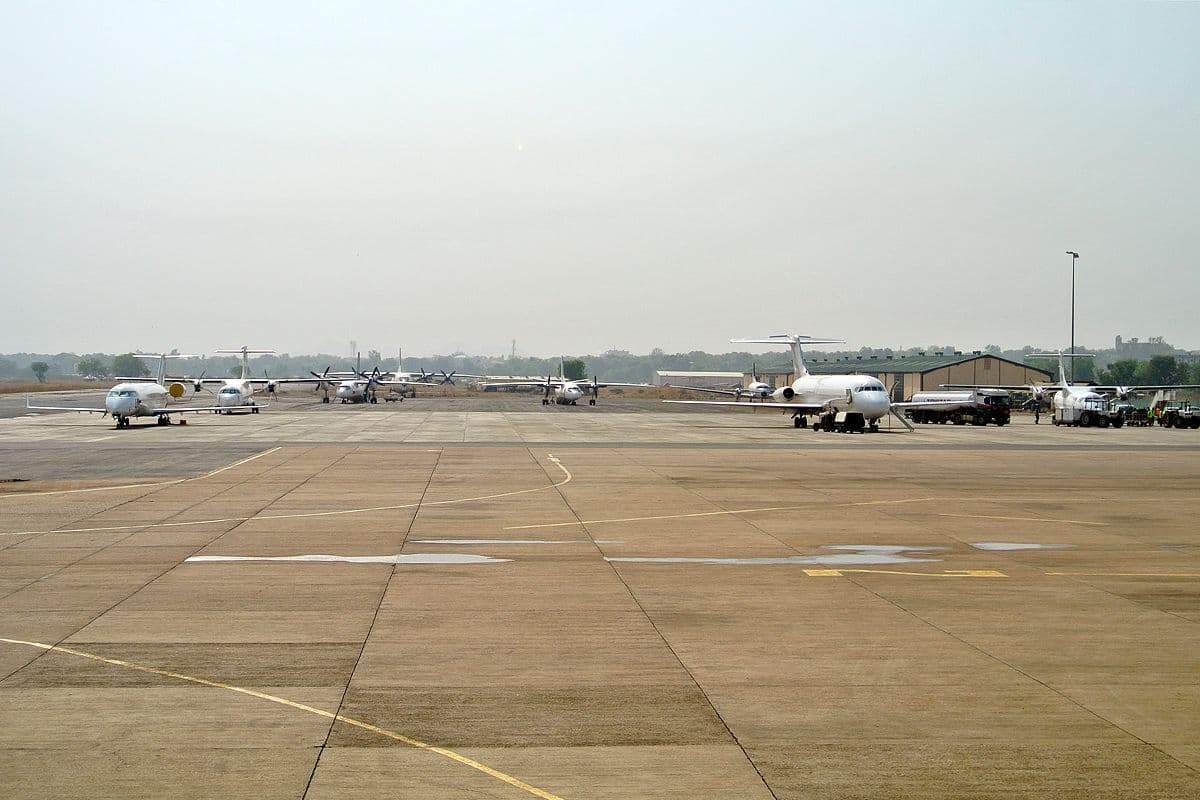
- Airport Proximity Stays: Near Yirol Airport (IATA: YIR), these are often simpler, functional rooms. The airport has one runway, designated 3/21. It is a small facility. Staying here is practical if you are connecting flights or waiting for a specific transport link. Prices may be slightly lower, around 30,000 to 50,000 SSP. The differentiator is utility. It is a holding space for transit.
You should confirm availability before you travel. The infrastructure is not always predictable. A room that is open in the dry season might be closed in the rains. The rules of the place are simple. You adapt, or you wait.
Getting There and Moving
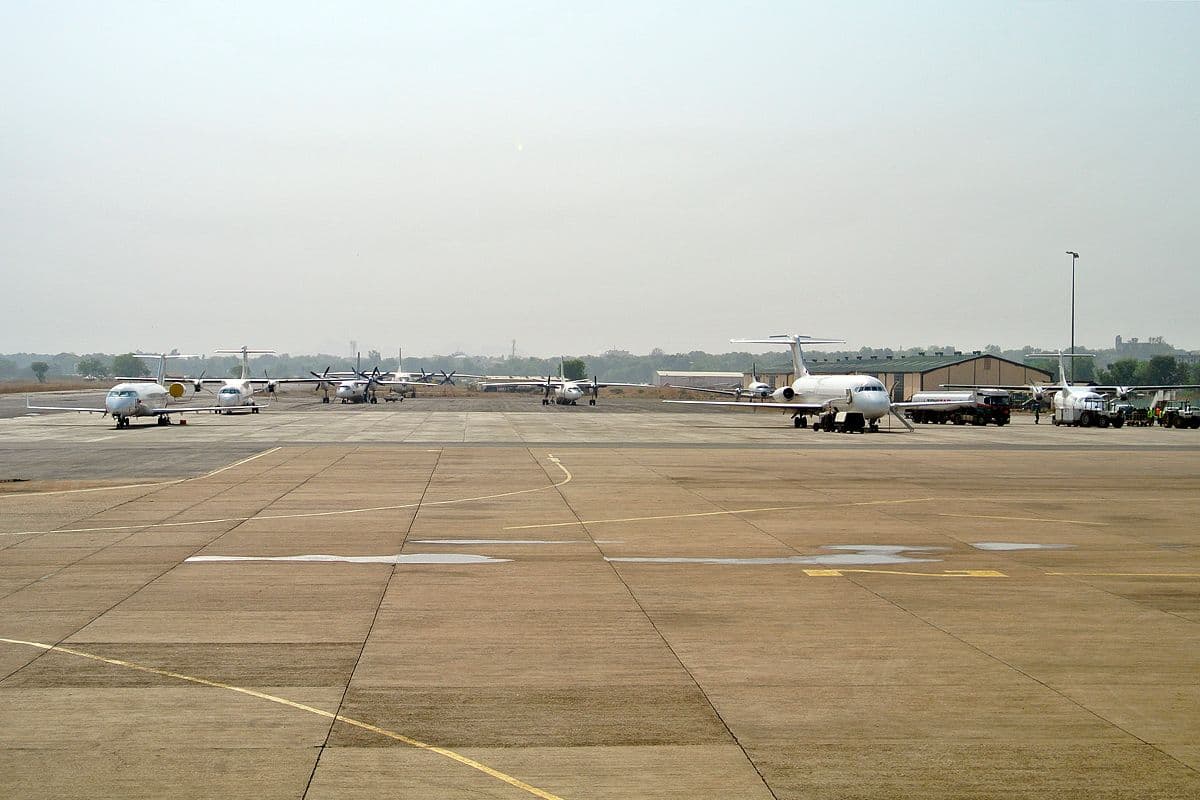
The primary entry point is Yirol Airport. It is a small facility, but it serves the town. The runway is 3/21. If you are arriving by air, you are arriving with a sense of finality. The road south leads to Juba, the capital. This is the main artery. It is a long drive. The distance is significant. The journey tests your patience and your vehicle.
There is no rail line serving Yirol. The only major rail line in South Sudan runs from Babanusa in Sudan to Wau. It does not touch Yirol. You are on the road. Or you are on the water. Boating and fishing on the local lakes are common activities. The lake functions as a transport corridor. During certain times of the year, water travel is more reliable than road travel. The oxbow lakes and flood plains of the nearby Shambe Nature Reserve indicate a landscape that shifts with the seasons. The water rises. The water recedes. You move with it.
If you are renting a car, check the tires. The roads are unpaved in many sections. The dust is fine and pervasive. It gets into everything. Your clothes, your hair, your food. It is part of the experience. It is the cost of entry.
The Local Rhythm
Food in Yirol is a regional staple. The specific dishes are not widely documented in international travel guides, but the diet is centered on what the land and water provide. Fish from the lake is a key component. It is fresh. It is local. You do not need to look for exotic ingredients. You look for the basics. Maize, sorghum, and fish. These are the foundations.
The town has a moral pressure that comes from its isolation. It is a place where people are used to waiting. They are used to the rhythm of the seasons. When you walk through the town, you are walking through a space that exists for its own sake. The town center is where this existence is most visible. It is a space for gatherings. For celebrations. For the simple act of being together. The air here is different. It is thicker with presence.
You should learn a few words in the local language. It is not about fluency. It is about respect. It is about acknowledging the space you are in. The people here are not there to serve you. They are there to live. You are a guest in their rhythm. You fit in, or you stand out. The choice is yours.
When to Go
The dry season, from November to March, is the recommended window for travel. This is when the land is firm. The roads are more passable. The air is clearer. It is the time when the town is most accessible. The rains bring the water up. They bring the life. But they also bring the mud. They bring the isolation. If you are coming for the first time, choose the dry season. It is the safer bet. It is the more predictable path.
There are no major holidays in the next six months on record. This means the town is in its normal state. There is no surge in crowds. There is no spike in prices driven by events. It is steady. It is calm. This is the time for slow travel. For sitting on the elevated areas of the town and looking out at the scenery. For watching the light change over the lake.
Practical Questions
Do I need a visa for South Sudan? Yes, most international travelers need a visa. You can often obtain one on arrival at Juba, but it is wise to check with your embassy before you fly. The process can take time. Do not leave it to the last minute. The rules are strict. You follow them, or you wait.
How do I get money in Yirol? Cash is king. South Sudanese Pounds (SSP) are the local currency. You can exchange in Juba before you head north. ATMs are rare in Yirol. You should carry enough cash for your entire stay. Do not rely on cards. Do not rely on banks. The system is simple. You have cash, or you do not.
Is it safe to walk at night? Safety is a matter of awareness. The town is small. The streets are quiet. But quiet does not mean empty. It means still. You should be cautious. You should be alert. The night is for resting. It is not for exploring. Stay near your lodging. Stay near the lights. The darkness here is deep. It is real. You respect it, or it tests you.