Cycle the Aare River loop in Wolfwil, Switzerland. Practical transit tips to Solothurn, trail details, and autumn timing for a quiet Swiss escape.
The River Loop Advantage
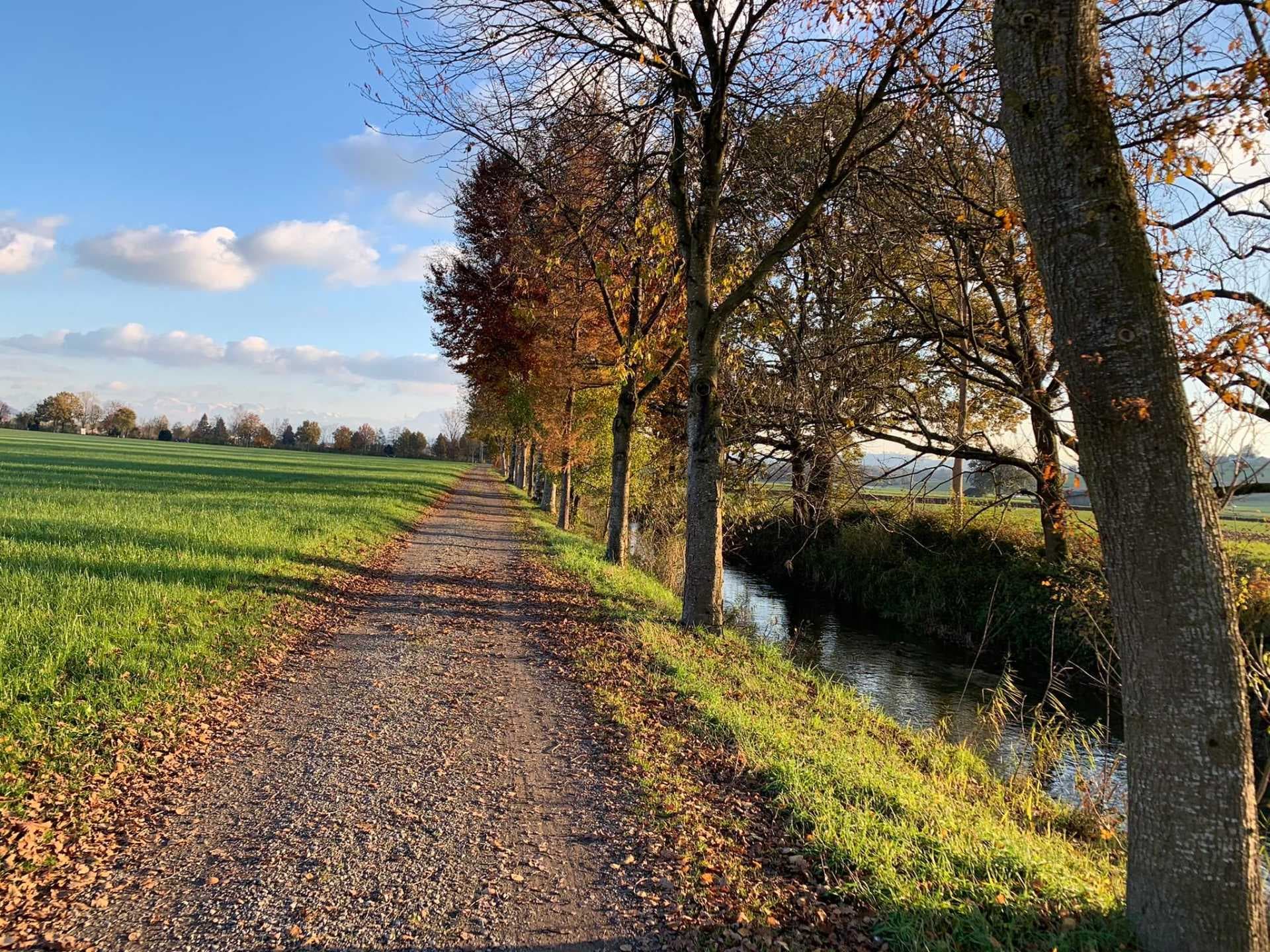
Wolfwil does not compete with Lucerne or Interlaken for postcard glory, and it does not need to. Its primary draw is geographic: the village sits inside a pronounced meander of the Aare River, creating a natural amphitheater of water and forest that is exceptionally well-suited to slow movement. Whether you arrive in late September when the deciduous trees along the banks begin their color shift, or in early October when the air cools enough to require a light jacket, the terrain remains flat and accessible. This is a destination defined by the quality of its riverside paths rather than by monumental architecture. The loop allows for a continuous walk or cycle without significant elevation gain, making it suitable for travelers who want active days without the strain of alpine hiking.
The visual appeal peaks during the autumn window. The Aare reflects the changing foliage with a clarity that is often absent in busier Swiss tourist hubs. Because Wolfwil is a residential and agricultural community rather than a resort town, the silence is palpable. You hear the water against the riverbank stones and the rustle of leaves on the forest floor, but rarely the hum of heavy traffic. This acoustic environment is a key part of the experience, offering a mental reset that aligns with the slower pace of rural Swiss life.
Historical Layers on the Terrace
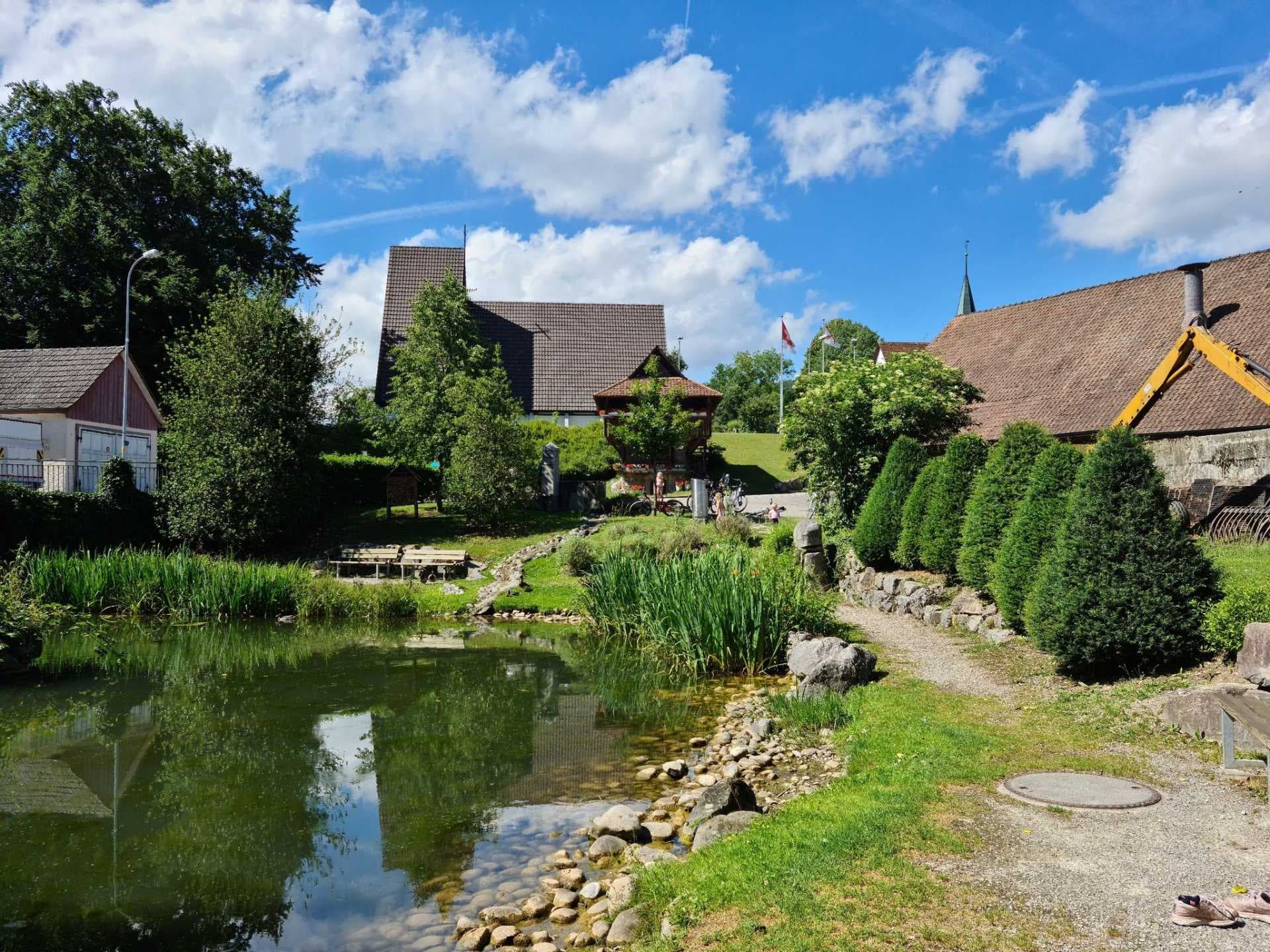
To understand the layout of Wolfwil, you must look at the terrace above the river. The modern municipality is the product of a merger that began in the 17th century, combining two distinct settlements: Wolfwil, which was first mentioned in documents in 1266 under the name "Wolfwiler," and Fahr, first recorded in 1295. Over centuries, these two communities consolidated into a single street village that stretches along the high ground overlooking the Aare.
Walking through the village center reveals this linear history. The buildings are modest, functional, and integrated into the agricultural landscape rather than dominating it. There are no grand castles or fortified walls to inspect, but the rhythm of the village follows the old road network that connected the two original hamlets. For the history-minded traveler, the value here is in the continuity. The structures you see today have stood in this configuration for several hundred years, serving farmers and river traders alike. It is a tangible, lived-in past rather than a curated museum exhibit. The proximity to the river meant that water management and navigation were central to daily life for centuries, a fact that shapes the orientation of the older buildings toward the water.
Active Days on the Trails
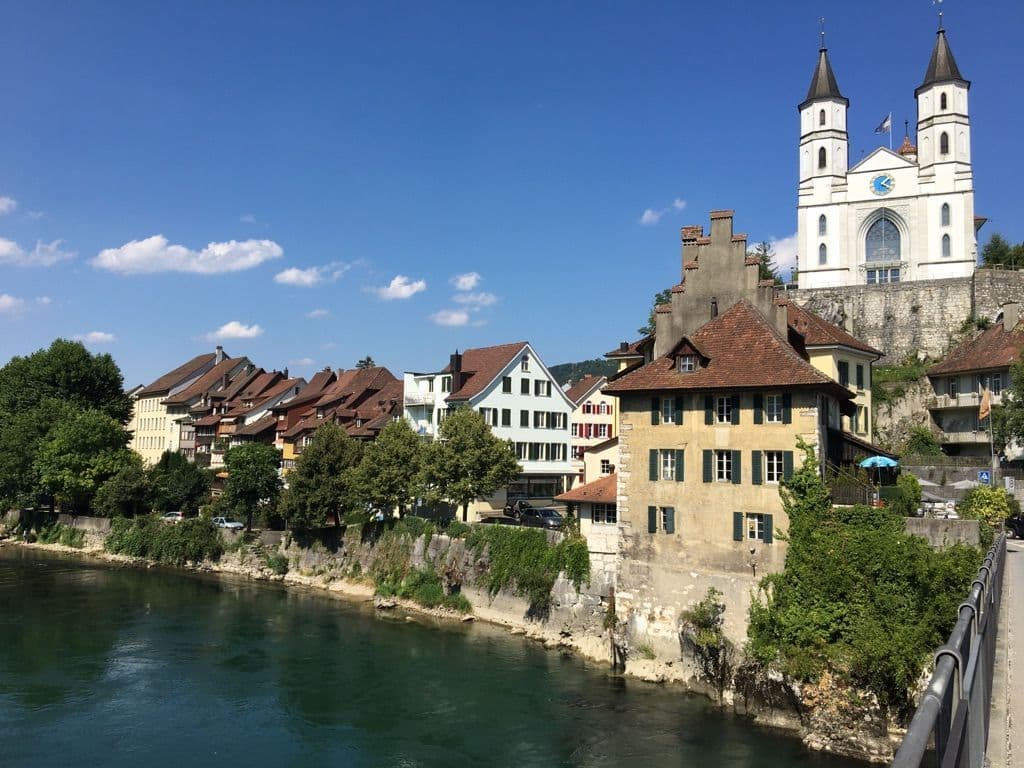
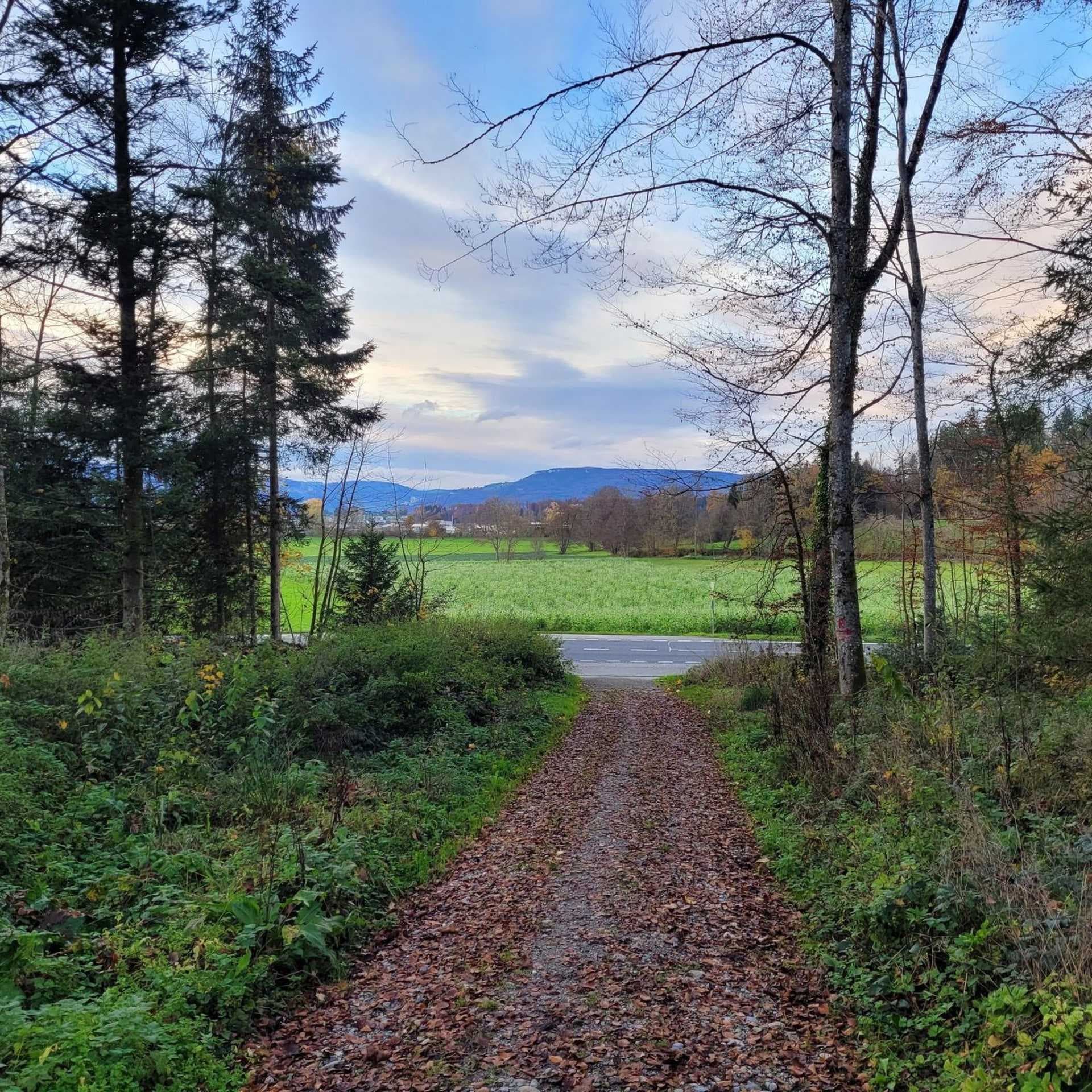
The extensive river landscape and adjacent forest areas around Wolfwil are documented as ideal for both cycling and walking. The terrain is forgiving, with gentle gradients that make it accessible to a wide range of fitness levels. Hiking trails are well-marked and maintained, connecting the immediate riverbanks to the slightly higher forest zones. These routes offer opportunities to observe local wildlife and enjoy the sensory details of the forest in autumn—the scent of damp earth, the texture of fallen leaves, and the dappled light filtering through the canopy.
Cycling is perhaps the most efficient way to cover the area. The flatness of the Aare valley means that you can cover significant distance with minimal effort. The paths are shared but generally quiet, allowing for a relaxed pace. If you prefer hiking, the multiple documented routes provide variety without requiring complex navigation. The lack of large named lakes directly within the municipal boundaries means that water views are dominated by the flowing Aare rather than still water, which adds a dynamic element to the scenery. The movement of the river changes the light and shadow throughout the day, keeping the landscape visually interesting even if you stay in the same general area for several hours.
Getting Around Wolfwil
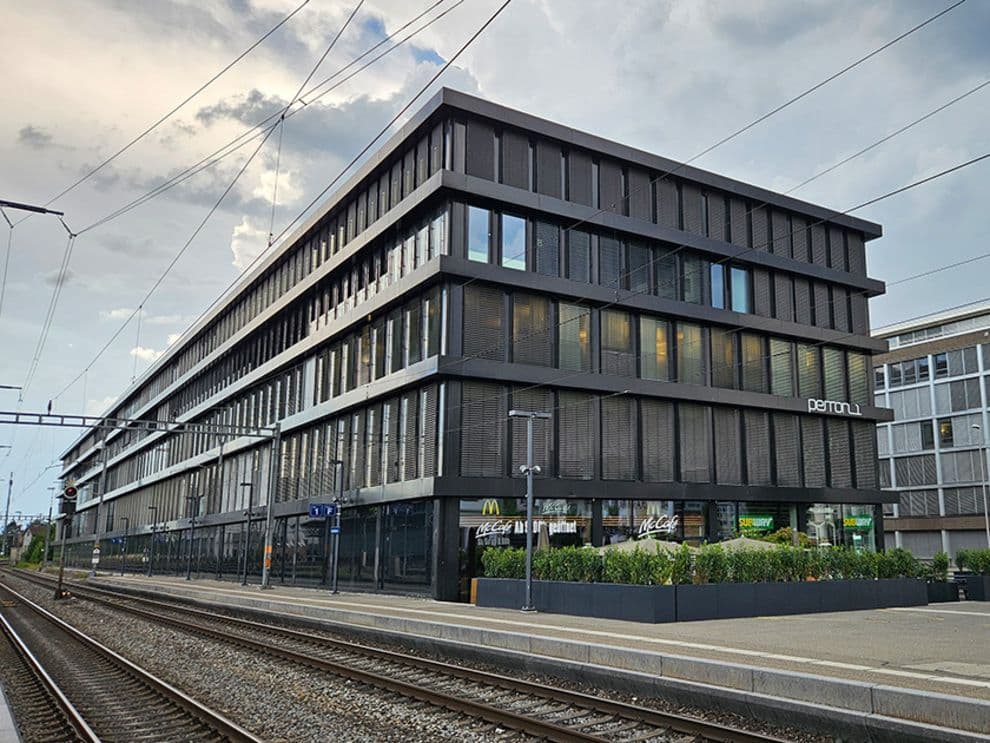
Reaching Wolfwil requires a short transfer from the major rail hub. The nearest major railway station is Solothurn, a significant junction served by six different railway lines. From Solothurn, you can connect to Wolfwil using Bus Line 127. According to transport data, there are approximately six connection options available between Wolfwil and Solothurn via a combination of bus, train, taxi, or car. While specific fare figures and precise journey times can fluctuate based on current transit schedules, the connection is straightforward and frequent enough to allow for flexible day trips.
If you are driving, Wolfwil is easily accessible and borders several other municipalities including Kestenholz, Niederbuchsiten, and Fulenbach in Canton Solothurn, as well as Schwarzhäusern and Wynau in Canton Bern. This position at the southeastern end of the Gäu district makes it a convenient base for exploring the broader region. Public transport users should note that while the specific railway line stopping directly at Wolfwil is not always explicitly named in general guides, the bus connection from Solothurn is the reliable primary link. Planning your arrival around the bus schedule ensures you maximize your time in the village without spending excessive hours in transit.
Local Flavor and Timing
While specific dishes unique to Wolfwil are not widely documented in culinary literature, the region is part of the Swiss agricultural heartland. Meals in the area typically reflect broader Swiss and German-speaking Swiss traditions: hearty soups, local cheeses, and breads. Since no specific local food items were confirmed as exclusive to Wolfwil in recent searches, visitors should expect standard Swiss cuisine available at local eateries. The focus here is on the setting as much as the menu. Dining outdoors or in simple, unpretentious venues allows you to appreciate the seasonal produce without the pressure of high-end gastronomy.
The best time to visit Wolfwil is during the autumn months, specifically late September through November. This period offers the optimal balance of mild temperatures, vibrant foliage, and lower crowd numbers compared to summer. Looking ahead, the next major holiday affecting travel patterns is Christmas Day on December 25, 2026, followed by New Year's Day on January 1, 2027. These dates will see increased domestic travel, so if you wish to avoid peak congestion, aim for the weeks preceding late November. For solo travelers or couples seeking slow travel, a stay of two to three days is sufficient to explore the river loop, walk the historical terrace, and enjoy the quiet atmosphere. Wolfwil invites reflection, physical activity in nature, and an appreciation for the subtle beauty of the Swiss countryside.
Frequently Asked Questions
How do I get from Solothurn to Wolfwil? The most common public transport route involves taking Bus Line 127 from Solothurn. There are multiple connection options available daily, though specific times should be checked on the local transit app or website before your trip. The journey is short and direct.
Is Wolfwil suitable for families with young children? Yes. The terrain around the Aare River loop is flat and safe for walking and cycling. The absence of steep drops or heavy traffic on the primary paths makes it an excellent environment for families. Facilities are basic but adequate for short stays.
What should I pack for an autumn visit? Layered clothing is essential. Temperatures can vary significantly between sunny spells on the river and cooler periods in the forest. Waterproof footwear is recommended, as autumn rain is common in the Swiss Jura and pre-Alpine regions. Comfortable walking shoes or cycling gear will serve you best.