Skip the crowds. Find 15 cultural monuments, a 15th-century church, and quiet winter light in this western Slovak river town.
The Town on the Bebrava
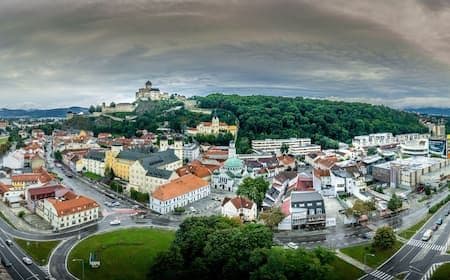
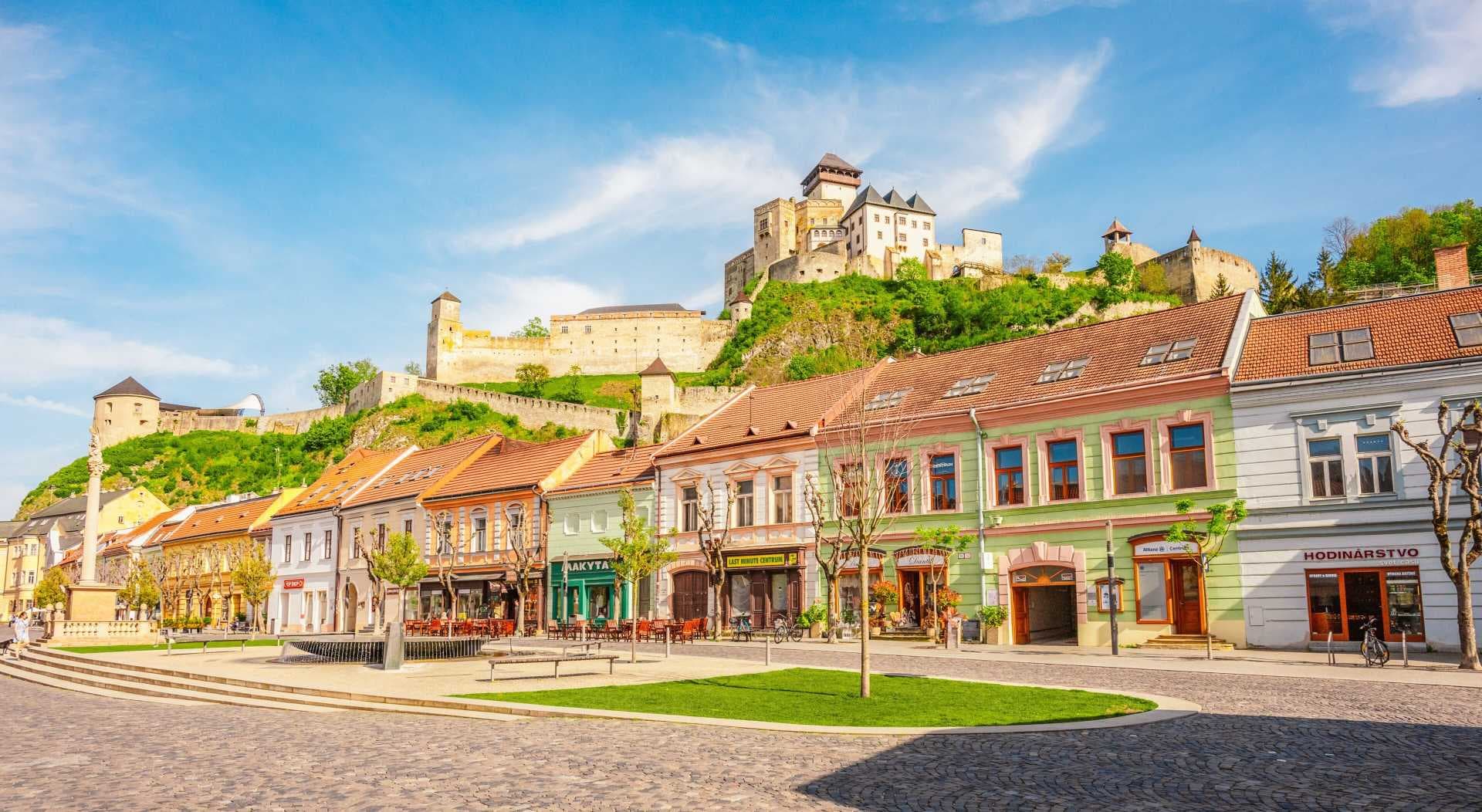
The Bebrava River cuts through the centre of Bánovce nad Bebravou, a municipality in the Trenčín Region of western Slovakia. In winter, the water runs low and grey, reflecting the slate roofs of the town centre. This is a place where the pace slows to the rhythm of the local rail service and the quiet of the riverbank. The town sits in a valley, meaning the winter light hits the buildings at a low angle, casting long shadows across the cobblestones. If you are looking for a place to sit, read, and watch the river, this is it. The air is crisp, often below freezing by midday, and the silence is broken only by the occasional train whistle from the station.
Walking the Cultural Spine
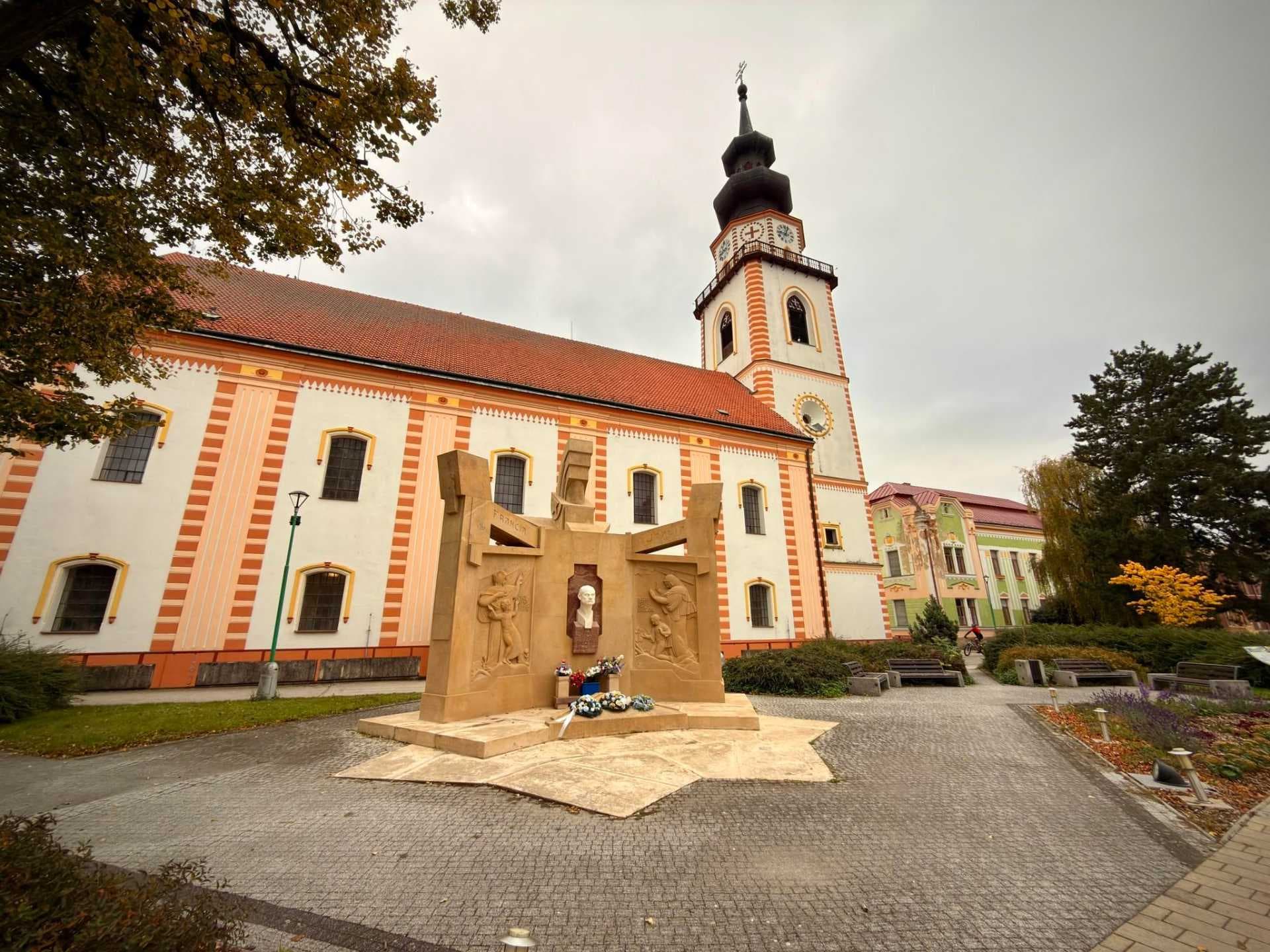
Bánovce nad Bebravou holds fifteen cultural memorials inscribed in the central inventory of cultural memorials in Bratislava. These structures form the structural bones of the town’s history. Start at the Saint Nicholas Church, a Gothic structure dating back to the 15th century. Its stone walls are thick, designed to withstand the elements of the Central European winter. It stands as the primary parish church of the town, a central anchor for the community.
Further along, you will find a synagogue that was destroyed during World War II. The site remains a significant historical marker of the region's demographic changes over the last two centuries. In the borough of Horné Ozorovce, a country castle sits quietly among the trees. This structure highlights the rural, agricultural roots of the town, deeply tied to the land. The main castle in the town centre is a Gothic structure, adding another layer to the local history and showing how the region’s architectural identity was shaped in the medieval period.
The Memorial Landscape
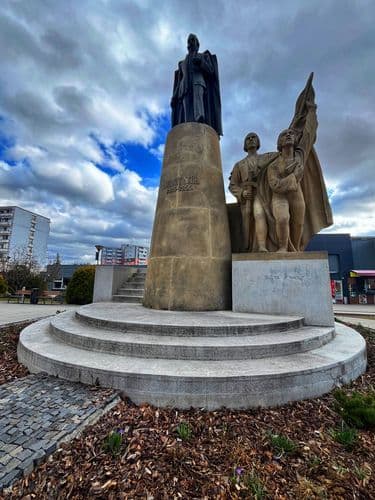
Winter is the best time to see the memorials without the distraction of summer tourists. The Memorial to the victims of World War II in Cibislávka stands in a quiet corner, a stark reminder of the conflict that swept through the region. Nearby, a statue of St. Florian watches over the town, a traditional figure for fire protection and patron of the town. The Memorial to Ľudovít Štúr, a key figure in Slovak national identity, is another point of interest. These sites are rarely crowded. You can stand in front of them for as long as you need, reflecting on the history without feeling rushed.
The Evangelical Church (a.v.) in Horné Ozorovce is another stop. It is a simple, functional building, representing the religious diversity that has existed in the region for centuries. The parish house nearby serves as a community centre, a place where locals gather and socialize. If you want to understand the social fabric of the town, this is where you look. The architecture is modest, but the history is deep.
Getting Around and Staying
The Bánovce nad Bebravou railway station is the main transport hub. It is served by local rail services, connecting the town to the rest of the Trenčín Region. Trains run on a schedule, so you need to plan your movements accordingly. If you are coming from Nuremberg, train travel is possible via multiple options, but exact fares and journey times vary. It is a slow journey, but that is part of the appeal. You can also use ride-sharing services like BlaBlaCar to travel between Trenčín and Bánovce nad Bebravou. This is a practical option if you are not on the train schedule.
For accommodation, options are limited to small guesthouses and apartments in the town centre and its boroughs. Prices are generally low compared to major Slovak cities. You should expect to pay a modest amount for a clean, simple room. The municipal indoor pool, Mestská plaváreň, is a 25-meter facility located in the wider town centre. It is a good option for staying active during the cold months. The water is heated, providing a warm contrast to the cold air outside.
Food and Local Life
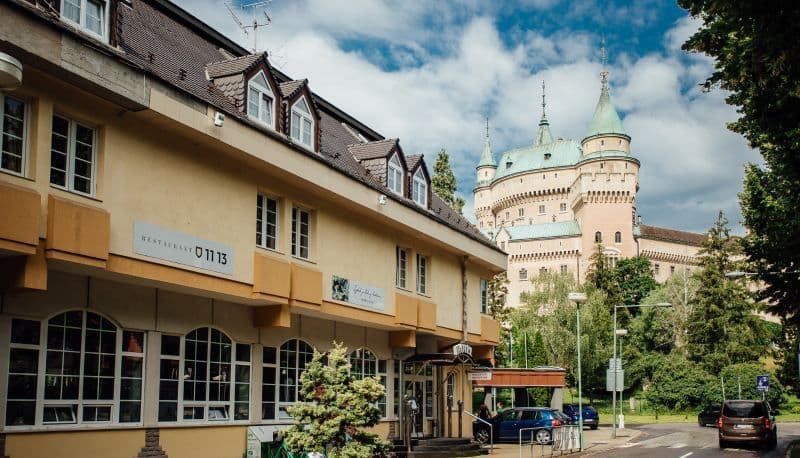
There are no specific traditional dishes confirmed as unique to Okres Bánovce nad Bebravou in authoritative sources. However, the town has generic restaurants such as Da Leone and Linden Café. These places serve standard Slovak and Central European cuisine. Expect hearty meals, often featuring meat, potatoes, and local vegetables. The food is comforting and well-suited to the winter climate. Prices are reasonable, and the portions are generous.
The local market area is a good place to find fresh produce and local goods. It is a functional and community-oriented space. You can buy bread, cheese, and other staples here. The atmosphere is relaxed, and the vendors are friendly. If you want to experience local life, this is the place to be. The food is simple, but it is honest. You are eating what the region produces, not what is imported for tourists.
When to Go and Practical Tips
The best time to visit Bánovce nad Bebravou in winter is late November to early January. This is when the light is shortest, and the town is quietest. However, be aware of upcoming holidays. All Saints' Day is on November 1, 2026, which is only about a week away. Expect higher demand and crowding around this date. Struggle for Freedom and Democracy Day is on November 17, 2026. Christmas Eve and Christmas Day fall on December 24 and 25, 2026, respectively. The Second Day of Christmas is on December 26, 2026. The Day of the Establishment of the Slovak Republic is on January 1, 2027.
If you are visiting during these holidays, book your accommodation early. Prices may surge, and availability will be limited. For solo travelers or those interested in slow travel, the period between holidays is ideal. You can spend a week or two exploring the town at your own pace. The town is safe, and the people are welcoming. There are no major safety concerns, but as with any rural area, be aware of your surroundings at night.
FAQ
How do I get to Bánovce nad Bebravou from Nuremberg? Train travel is possible via multiple options, but exact fares and journey times are not confirmed in a single authoritative source. You can also use ride-sharing services like BlaBlaCar to travel from Trenčín.
What is the best time to visit in winter? Late November to early January is ideal for quiet exploration. Avoid the week around All Saints' Day (November 1) and the Christmas period (December 24–26) if you prefer fewer crowds.
Are there specific local dishes I should try? No specific traditional dish is confirmed as unique to the region. However, local restaurants serve standard Slovak cuisine, which is hearty and well-suited to the winter climate.