Forget vineyards. In Marsh Harbour, the best vintages arrive by air and taste better with conch fritters.
Let’s address the elephant in the room, or rather, the grapevine that doesn’t exist. If you are standing in Marsh Harbour, Abaco Island, searching for rolling hills of Cabernet or a rustic cellar door, you are looking in the wrong hemisphere. The Bahamas does not produce wine. The soil is sandy, the heat is relentless, and the only thing fermenting here naturally is the humidity. If you come expecting a "wine region" in the traditional sense, you will leave disappointed. If you come expecting a sophisticated, relaxed approach to wine consumption anchored by some of the clearest water on Earth, you might just find that this is exactly where you want to be.
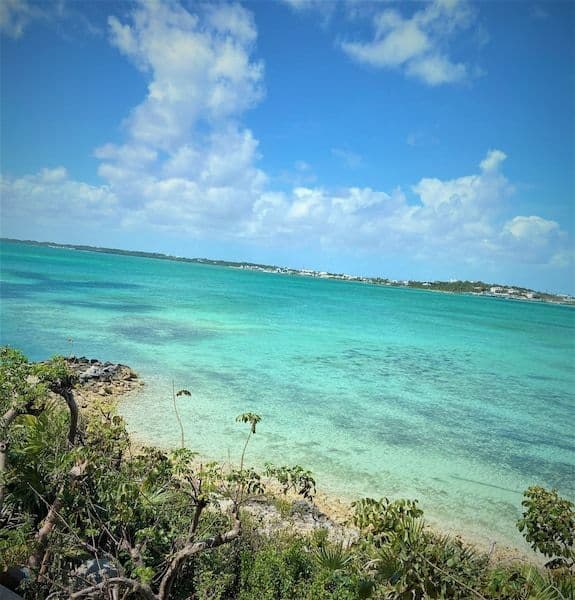
In Marsh Harbour, you drink wine because the afternoon light hitting the turquoise of Abaco Sound makes any glass look like art. The "region" here is the entire island, and the terroir is salt air, limestone, and indifference to Old World pretension.
The Import Game
Since there are no local vineyards, the wine culture in Marsh Harbour is defined entirely by import quality and service style. You won’t find a tasting room on Main Street. Instead, you will find well-curated lists at high-end accommodations and waterfront dining spots. The logic is simple: why grow grapes when you can fly them in from France, Italy, Australia, and California?
The selection tends to skew toward what appeals to the vacationing palate: crisp whites for lunch by the pool, robust reds for dinner after a day of snorkeling. The focus is on pairing a decent Sauvignon Blanc with the sea breeze rather than collecting rare vintages. At places like the Goldwynn residences and other luxury hotels, wine is treated as a luxury accessory rather than an agricultural product. You are paying for the convenience of having a chilled bottle ready when you step out onto your balcony overlooking the harbor. The markup is there, obviously, but so is the view.
If you are a serious oenophile, you might find the selection limited compared to a city like Melbourne or Bordeaux. But if you are a casual drinker who appreciates a good pour without needing a lecture on tannins, Marsh Harbour delivers. The priority is enjoyment over education.
Conch, Corn, and Cabs
You cannot talk about drinking in the Bahamas without talking about eating. Wine is a companion here, not the star. The star is the conch. Specifically, conch fritters. These are not the dry, dusty versions you might find in tourist traps elsewhere. In Marsh Harbour, they are golden, crispy, and served with a tartar sauce that actually tastes like it was made today. Pairing a light, acidic white wine with the briny crunch of a conch fritter is a revelation. It cuts through the fry batter and highlights the sweetness of the seafood.
For dinner, the menu shifts to heavier, richer flavors. Peas ‘n’ rice, a staple side dish made with kidney beans, coconut milk, and thyme, provides a creamy counterpoint to grilled fish or jerk chicken. Plantains, fried until soft and sweet, are another common accompaniment. A local favorite is the Bahamian Black Bean and Corn Salad, often served alongside grilled fish. This dish is vibrant, slightly sweet, and earthy. A medium-bodied red wine, perhaps a Pinot Noir or a lighter Merlot, works surprisingly well here. The sweetness of the corn and the depth of the black beans stand up to the fruitiness of the wine without overwhelming it.
The culinary rhythm of Marsh Harbour is slow. Meals last. Glasses are refilled. There is no rush to get to the next tasting. The pace is dictated by the sun and the tide, not the clock.
Getting Around the Glass
Transportation in Marsh Harbour is straightforward, which helps preserve the mood. There are no trains. There never have been, except for brief historical blips in the salt and logging industries that have long since rusted away. You will not see a railway line cutting through a vineyard because there are no vineyards and no rails.
Leonard M. Thompson International Airport (MHH) is your gateway. It is the commercial center for the Abacos. Traffic is virtually non-existent, making car rentals easy and driving a breeze. Once you land, you are likely to rent a car or take a taxi. Public transit is limited, so independence is key.
Ferries connect Marsh Harbour to Treasure Cay and other nearby cays, offering a scenic way to spend an afternoon. Imagine sipping a bottle of wine on a ferry deck, watching the water turn from deep blue to pale green. The journey is simply movement across the water. The lack of complex transit infrastructure forces you to slow down. You don’t jump on a metro to get to the next winery. You drive, you stop, you look. The journey is part of the experience.
Timing Your Toast
The best time to visit Marsh Harbour for a relaxed wine-and-dine itinerary is during the shoulder seasons. The dry season, running from December to April, is peak time. The weather is perfect, but so are the crowds and the prices. If you want solitude and better rates, consider the late spring or early fall. The humidity rises, but so does the sense of privacy.
Keep an eye on the calendar for national holidays, as they impact availability and pricing. Late October brings National Heroes Day, a local celebration that adds a layer of authenticity to your experience as more residents are out and about. The Christmas season, spanning late December through early January, sees a significant surge in visitors due to holidays like Christmas Day, Boxing Day, and New Year’s Day. If you prefer quiet evenings with a glass of wine, book well in advance or avoid these dates.
For most travelers, a stay of five to seven days is ideal. It allows enough time to explore the island, enjoy several meals, and sink into the rhythm of life here. You don’t need weeks to appreciate Marsh Harbour; you just need to unplug.
Practical Questions
Is there a visa requirement? Most tourists, including those from the US, UK, and EU, do not need a visa for stays up to 90 days. Always check with your country’s embassy for the latest entry requirements before traveling.
What currency should I use? The Bahamian Dollar (BSD) is pegged 1:1 with the US Dollar. USD is widely accepted everywhere, from high-end hotels to small beach bars. You rarely need to exchange cash, though small bills are handy for tips.
Is it safe? Marsh Harbour is generally considered safe for tourists. As with any destination, practice common sense: lock your car, don’t leave valuables in plain sight, and be aware of your surroundings at night. The crime rate is low, but vigilance is free.