Find lodging in Marib’s core, 170 km from Sana’a. Practical tips on where to base yourself near the Sabaean ruins and what to eat before you sleep.
The Reality of Lodging in Marib
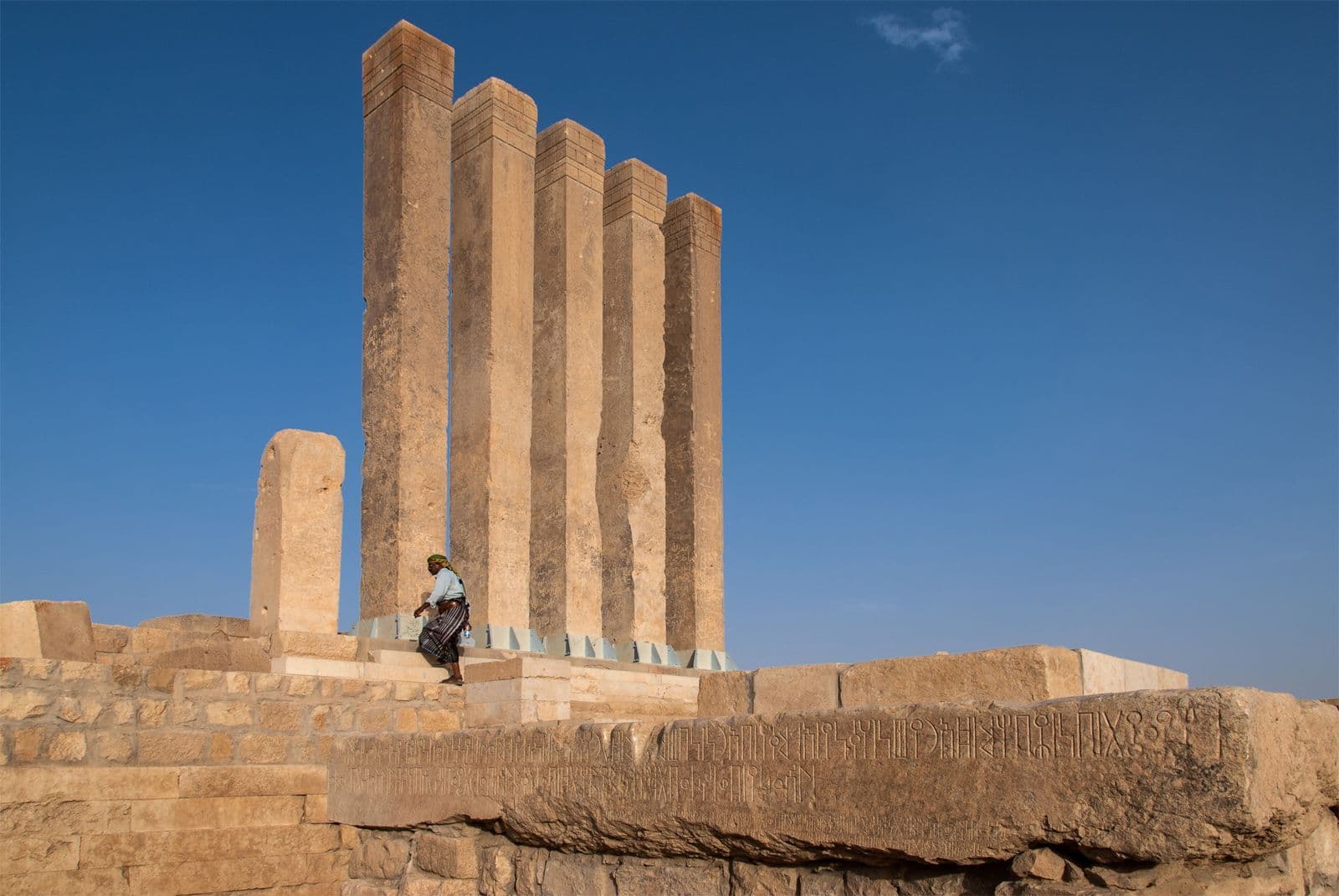
You are not coming here for a spa day. You are coming because the Sabaean kings built a hydraulic empire here that outlasted empires that had actual navies. The ancient fortified city of Maʿrib, the principal center of the pre-Islamic state of Sabaʾ, existed from 950–115 BCE. That is a timeline that predates the Roman Republic.
Accommodation in Marib is functional. You will not find a chain hotel with a rooftop pool overlooking a lagoon. You will find guesthouses and local hotels that prioritize proximity to the archaeological sites. According to trip.com, hotel listings exist for Marib with flexible-cancellation options, which is crucial given the logistical realities of traveling in Yemen. Most travelers reach Marib via organized tours with local operators who arrange permits and transportation. If you are doing it independently, your base needs to be simple. Clean bed, reliable water, close to the action.
Where to Base Yourself
There are no major named luxury resorts confirmed in the central city that serve as the standard "Marib experience." Instead, you should look for lodging in the main urban area of Marib, which sits at the foot of the Wadi Marib. This is where the infrastructure is.
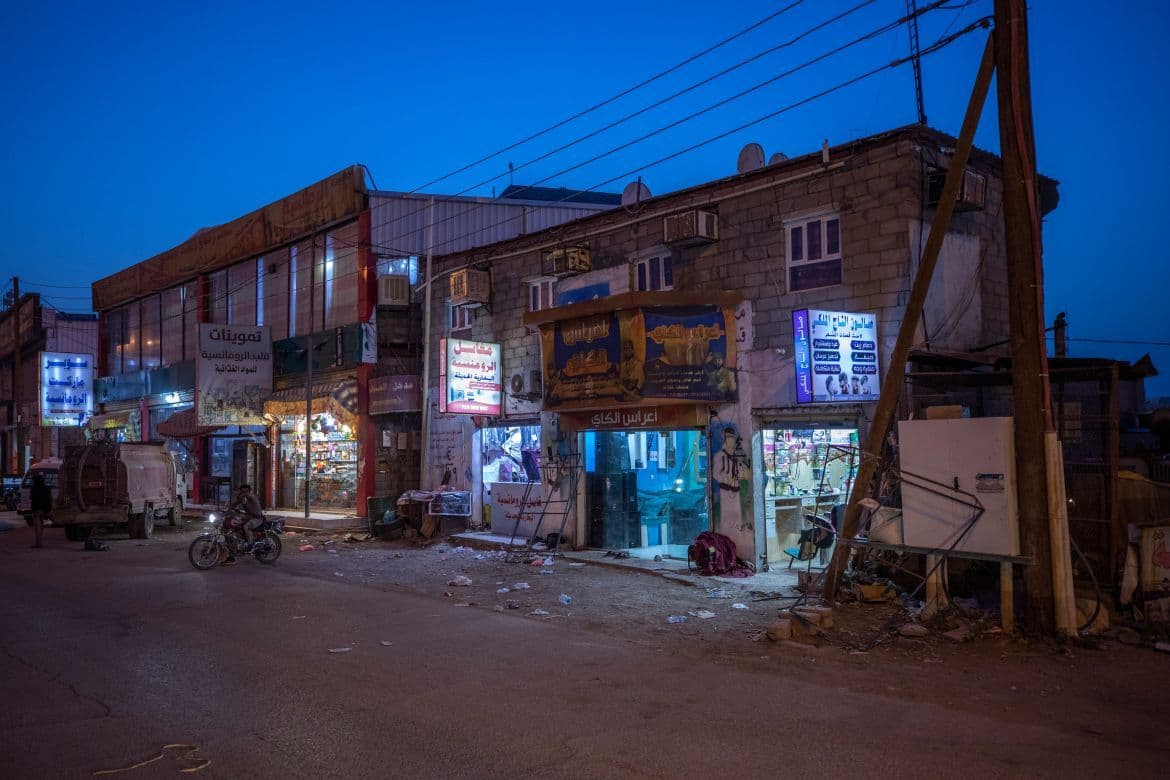
- The Central District Guesthouses: These are your best bet. They are typically family-run or small local properties. You pay for the bed and the location. Prices vary, but you are looking at a budget-to-mid-range band. The differentiator here is access. You can walk or take a short taxi ride to the main temple ruins. The smell of dust and cardamom from nearby markets is part of the deal.
- Tours Operator Bases: If you book through a local operator, they often have specific guesthouses they trust. These are not always listed on global booking sites. The benefit is that the operator knows the owner. You get a fixed meal plan, often including saltah or mandi, and a driver who knows the roads from Sana’a. This is the safest route for first-timers.
- The "Wadi Edge" Properties: Some listings are situated closer to the river valley. These offer a quieter sleep, but you are further from the main town center. The light here in the early morning, hitting the sandstone, is why people stay. The trade-off is convenience. You need a car.
Do not expect a 5-star experience. Expect honesty. The walls might be thick to keep the heat out, but the service is direct.
Eating Before You Sleep: The Fuel
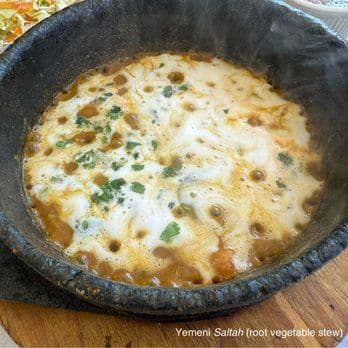
You cannot understand Marib on an empty stomach, and you certainly cannot understand it on a salad. The cuisine here is communal and heavy. Saltah is a staple of Marib’s cuisine. It is a hearty stew, often made with lamb or chicken, yogurt, and spices. It is shared. You sit, you eat with your hands, you talk. It is pure sustenance.
Mandi is the other pillar. Slow-cooked meat with rice. It is cited as Yemen’s national dish, but in Marib, it is just dinner. The spices cumin, cardamom, and fenugreek are used heavily, reflecting the trade connections that once made this region wealthy. You will smell these spices in the air before you see the kitchen.
If you are staying in a guesthouse, ask if they can cook for you. Most can. The food is authentic local fare. It is what the people living next to the 1st millennium BCE temples eat. The texture of the rice, the depth of the stew—this is the honest corner of the trip. Do not skip it for a "lighter" option. You need the energy to walk the ruins.
Getting There and Moving Around
Marib is located approximately 170 km (106 miles) east of Sana’a, Yemen’s capital. There is no specific railway line or station serving Marib. You are on the road.
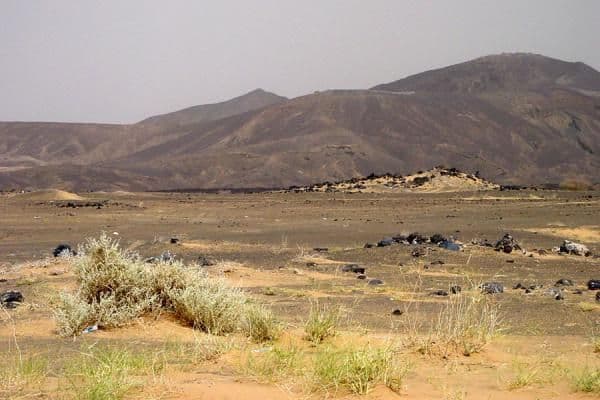
The drive from Sana’a is the main transit link. It is a long haul. You are moving from the highlands down into the wadi. The landscape changes. The air gets hotter. The dust gets thicker. Most travelers reach Marib via organized tours with local operators who can arrange permits and transportation. If you are driving yourself, check the fuel situation in Sana’a before you leave.
Once in Marib, you do not need a car for everything. The main archaeological sites, including the temples and the dams, are within a manageable distance from the town center. A local taxi or a shared car is sufficient. The roads are passable, though they may lack smoothness in sections. Do not rent a small car if you are not comfortable with unpaved sections. The terrain is unforgiving of hesitation.
When to Go and Who It Is For
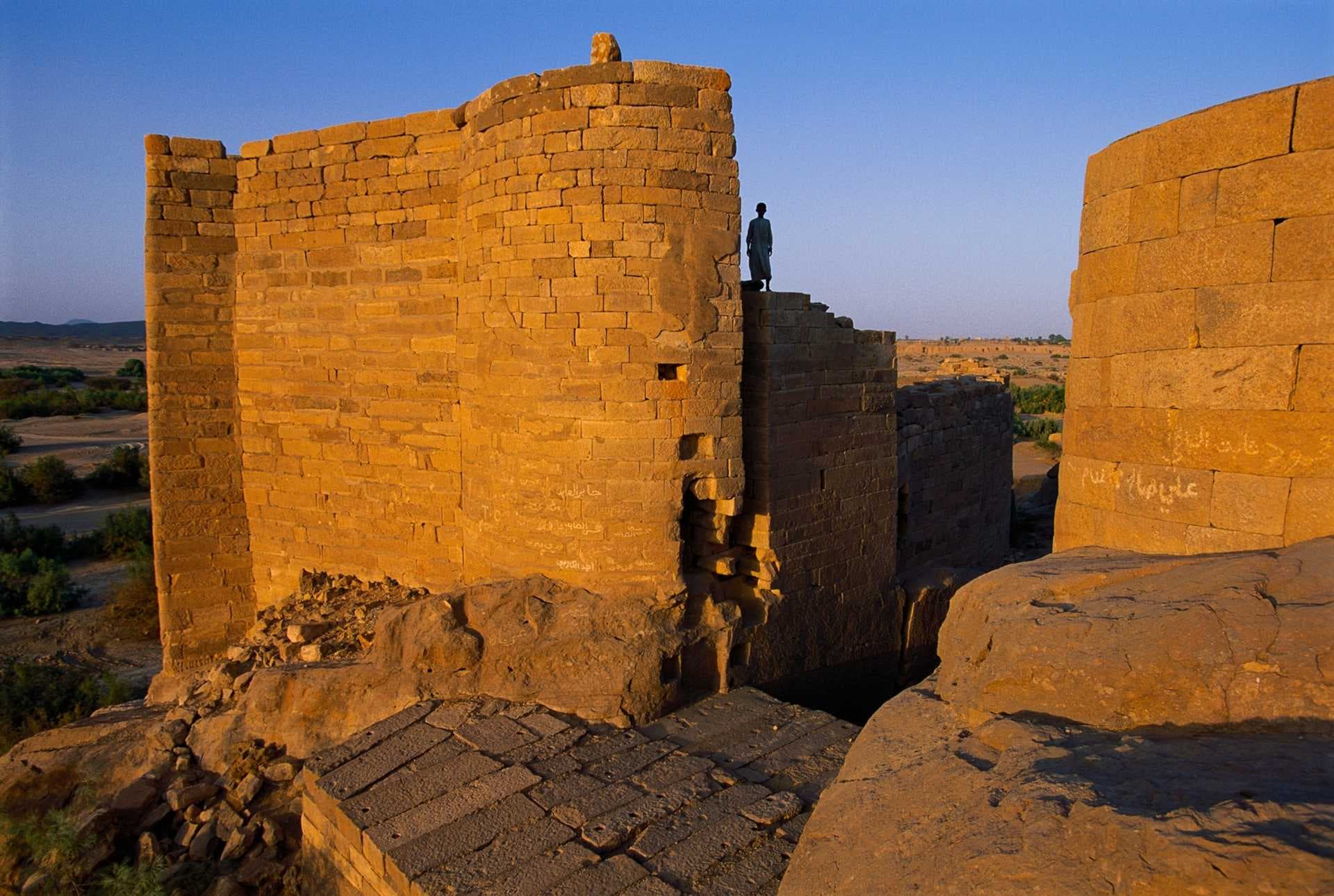
The best season to visit Marib is November, December, and January. You are looking at highs of around 27°C and rain of about 5mm. This is the window. The heat is intense in the summer, and the light is harsh. In the winter months, the light is softer. The shadows are longer. This is when the ruins look like ruins, not like a construction site.
There are no major holidays in the next six months on record that will drastically change the pricing or crowding, but you should always check local calendars. This trip is for slow travelers. It suits solo travelers or pairs who want to walk, sit, and look at stone that has been there for two thousand years.
Who is it for? People who want to interrogate their motives. Why are you here? To take a photo? To check a box? Or to stand in the shadow of the Marib Dam and realize how small your comfort zone is? If you are looking for a demolition job on your ego, Marib is the place.
Practical FAQ
Do I need a visa to enter Yemen? Yes, you generally need a visa. However, many travelers enter with a visa on arrival or a pre-arranged visa through a local operator. Check with your embassy or your tour operator for the latest 2026 regulations.
Is it safe to travel to Marib now? Some sources suggest on-the-ground visits are currently limited due to the Yemeni Civil War. Always check the current status before booking. Traveling with a local operator is the safest way to navigate any changes in the ground situation.
What currency should I use? The Yemeni Rial (YER) is the local currency. Cash is king. You will not find many ATMs in Marib. Bring cash from Sana’a or bring it with you if you are flying in elsewhere. Small bills are useful for taxis and markets.