Prepare for the dry season in northern Côte d'Ivoire. Dust, distance, and discretion define the journey to Odienné.
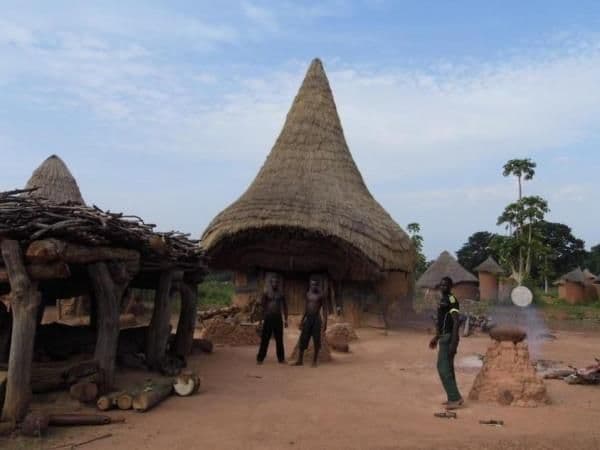
The air in Odienné does not ask for your attention; it simply occupies the space you breathe. Located in the Denguélé District, this capital of the Kabadougou Region sits far from the coastal humidity of Abidjan. It is a place defined by its proximity to borders—Guinea and Mali loom nearby—and by the vastness of the Sahelian landscape that surrounds it. To arrive here is to accept a shift in reality. The noise of the coast fades, replaced by the low hum of overland transport and the quiet weight of the dry season.
Packing for Odienné requires preparing for inevitability. The dust will get into your shoes. The sun will press down with unyielding consistency. You must pack for survival and respect, not for comfort. This guide outlines what you need to carry to navigate this northern outpost without friction.
Climate and Timing: The Dry Season Reality
The window for travel to Odienné is narrow. The dry season, running from November to April, is the only time the roads remain passable without significant risk. During these months, the humidity drops, but the heat remains. Temperatures often climb past 30°C (86°F) during the day. The air is thin and dry. Rain is a rare event, which means water sources are limited and dust is omnipresent.
If you arrive outside this window, during the rainy season, you are gambling with your itinerary. Roads turn to mud. Flights may be delayed. The certainty of movement vanishes. Therefore, assume you will travel between November and April. Pack accordingly. Light layers are essential. The mornings can be cool, but the midday sun is aggressive. You need clothing that breathes but covers you from the glare and the grit.
Clothing: Fabric Over Fashion
In Odienné, cotton is king. Synthetic fabrics trap heat and sweat, making them unbearable under the northern Ivorian sun. Choose loose-fitting trousers and long-sleeved shirts made of natural fibers. This serves two purposes: protection from the sun and protection from the dust. The wind carries fine particles that settle on everything. Tight clothing holds heat; loose clothing allows air to circulate.
Colors matter less than function, but neutral tones help you blend into the environment. Bright colors draw attention, which is rarely advantageous in a border region. Wear sturdy, closed-toe shoes. The terrain is unpaved, rocky, and dusty. Sandals are impractical for walking. Your footwear must withstand miles of gravel and the occasional puddle of muddy water. Bring socks. They are the first line of defense against blisters and debris.
Formal wear has no place here. A clean shirt and trousers are sufficient for any interaction. The local population values modesty and practicality. Dressing respectfully is a form of social currency. It signals that you understand the rules of the place.
Health and Hygiene: Self-Sufficiency is Mandatory
Medical facilities in Odienné are basic. Do not assume you will find specific medications or advanced care. You must carry your own pharmacy. Include antimalarials, as malaria is endemic in the region. Consult a doctor before departure for necessary vaccinations and prophylactics.
Water safety is critical. Tap water is not safe to drink. Bring a high-quality water filtration system or a supply of purification tablets. Bottled water is available, but supplies can be inconsistent. Relying on store-bought water is a risk. Carry enough purification supplies for your entire trip. Dehydration is a constant threat in the dry heat. Electrolyte packets are worth the weight in your bag.
Insect repellent containing DEET is essential. Mosquitoes are active at dawn and dusk. Sleep under a treated mosquito net if your accommodation does not provide one. Skin protection is also vital. Sunscreen with high SPF should be applied regularly. Lips crack easily in the dry air; carry lip balm. Small cuts become infected quickly in dusty conditions. Bring a basic first-aid kit with antiseptic wipes and bandages.
Documentation and Money: The Border Proximity Factor
Odienné is close to the borders of Guinea and Mali. This geographic reality affects your documentation. Ensure your passport is valid for at least six months beyond your entry date. While you may not cross the border, authorities may question travelers in border regions. Carry copies of your travel itinerary and accommodation details.
Cash is king in northern Côte d'Ivoire. Credit cards are rarely accepted outside of major cities like Abidjan or Bouaké. Bring West African CFA francs (XOF). Exchange currency in Bouaké or Abidjan before traveling north. ATMs in Odienné are unreliable or non-existent. Assume you will not be able to withdraw cash once you arrive. Carry small denominations for daily transactions. Large bills are difficult to break in rural markets.
Keep your money hidden. Visible wealth attracts unwanted attention. Use a money belt or hidden pouch. Do not flash your wallet in public. Security is a personal responsibility in this region.
Transport Logistics: Getting There and Moving Around
Access to Odienné is limited. The primary route is by air via Odienné Airport (KEO). Air Côte d'Ivoire operates flights from Bouaké approximately twice a week. These flights are infrequent and subject to change. Book well in advance. Do not rely on last-minute arrangements.
Road travel is an alternative but requires endurance. Overland coaches connect Odienné to larger cities and neighboring countries. The journey is long, hot, and uncomfortable. Roads are unpaved in many sections. Travel times are estimates, not guarantees. Delays are common due to vehicle breakdowns or border checks. If you choose to drive, ensure your vehicle is robust. Spare tires and repair kits are necessary. Fuel stations are sparse outside of town.
Public transport within Odienné consists of minibuses and motorbikes. These are affordable but lack safety standards. Wear a helmet if using a motorbike. Minibuses are overcrowded and move quickly. Be cautious when boarding and alighting.
Local Etiquette: Silence and Observation
Odienné is not a destination for loud tourism. The pace of life is slower, governed by the rhythm of the market and the sun. Respect this rhythm. Do not rush interactions. Greetings are important. A simple "Bonjour" in French opens doors. English is not widely spoken. Learn basic French phrases to navigate daily life.
Photography requires permission. Do not take pictures of people, especially children, without asking. Some residents may view cameras with suspicion. Respect their decision if they decline. Avoid photographing military installations or border checkpoints. This is a sensitive region. Discretion protects you.
Food is a communal experience. If invited to share a meal, accept with gratitude. Eat with your right hand, as is customary. Refusing food can be seen as insulting. Try local staples like attiéké (fermented cassava) if available, though fresh seafood is less common inland. Rice and stews are daily fare.
Practical FAQ
Is it safe to travel alone to Odienné? Solo travel is possible but requires heightened awareness. Stick to main routes and avoid traveling at night. Inform someone of your itinerary. The border region status means security checks are frequent.
What language should I speak? French is the official language. Local dialects are spoken but French is understood by most adults involved in commerce and transport.
Can I use credit cards? No. Cash (West African CFA francs) is required for all transactions. ATMs are not reliable in Odienné.
How long should I stay? Two to three days is sufficient to experience the town and the surrounding landscape. Longer stays require more rigorous planning for supplies and connectivity.
Odienné tests your preparation. It rewards those who come equipped and respectful. Pack lightly, think heavily, and move with purpose. The place does not care about your comfort; it only cares about your presence. Make it count.