Small town, big fish. Præstø’s culinary identity is forged in salt, butter, and the stubborn refusal to let a good mackerel go to waste.
Præstø does not shout. It does not need to. Situated at the bottom of the Præstø Fjord on the eastern coast of Zealand, this town of roughly 3,900 souls has spent centuries looking out at the water and deciding that whatever comes out of it is worth eating. There are no Michelin stars here, no Instagrammable avocado toast trends, and certainly no need for them. The food in Præstø is a matter of survival, tradition, and the Danish understanding that if you are going to eat something, it should be fresh, local, and served with enough butter to lubricate the soul.
You do not come to Præstø for a gastronomic revolution. You come because you are tired of the curated food scenes of Copenhagen and want to know what Danes actually eat when they are not performing for tourists. The answer is simple: fish, rye, and an attitude that suggests cooking is a utility, not a performance art.
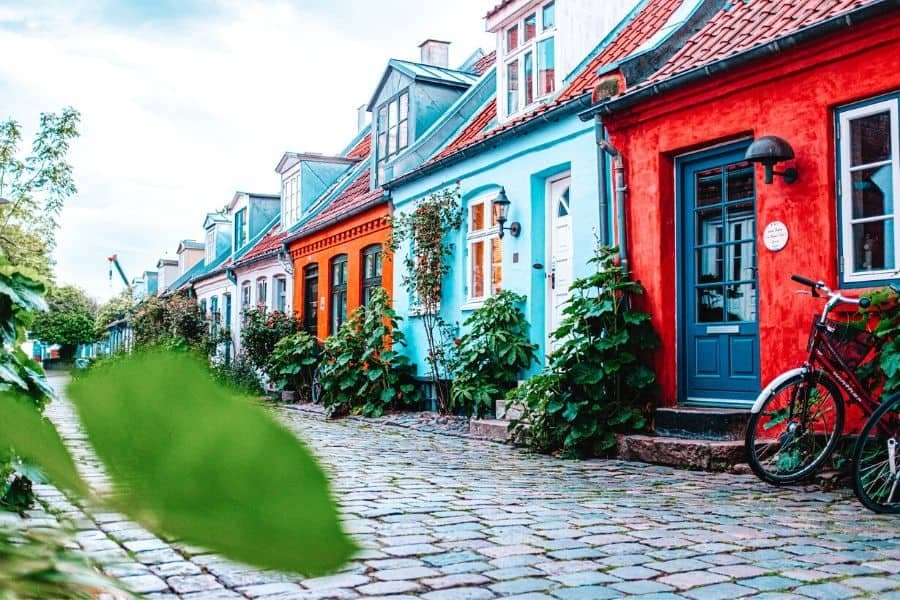
The Fjord Dictates the Menu
The Præstø Fjord serves as the town’s pantry. While specific restaurant names fluctuate with the seasons and the whims of local entrepreneurs, the menu remains constant. The undisputed king of the table is mackerel. In Præstø, mackerel defines the local lifestyle.
Expect to find sild (pickled herring) or makrel (mackerel) prepared in ways that would make a health inspector weep with joy and a cardiologist faint. The fish is typically fried until the skin shatters into crispy shards, served on a bed of boiled potatoes that have been drowned in melted butter and parsley. It is heavy. It is glorious. It is exactly what you need after a brisk walk along the fjord’s edge where the wind has a personal vendetta against your face.
If mackerel is too strong for your palate, the fjord also yields plaice and cod. These are usually pan-fried with a dusting of flour and served with a side of grønt (green vegetables), which in rural Denmark often means broccoli or green beans boiled to the point of surrender. Do not complain about the texture. Complain about the portion size, which is generous enough to feed a small army or one very hungry traveler.
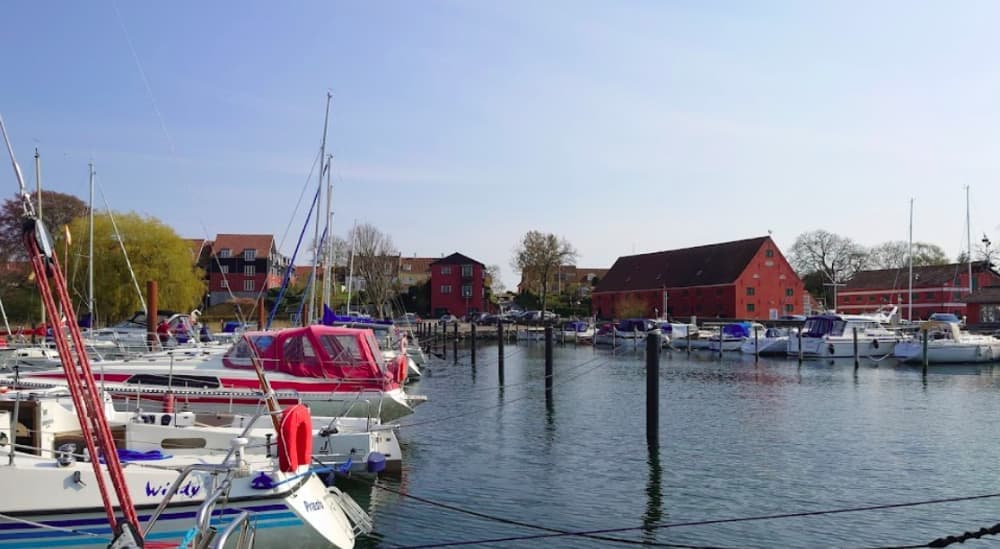
The Rye Bread Foundation
No Danish meal is complete without rugbrød, and Præstø is no exception. This dense, dark rye bread is the backbone of the local diet, providing the necessary weight to counteract the lightness of the summer breeze. In Præstø, you will find it sliced thick, almost like a brick, and served as the base for open-faced sandwiches (smørrebrød) that are works of structural engineering.
A typical smørrebrød in Præstø involves a slice of cold buttered rye, topped with pickled fish, a sprig of dill, and perhaps a slice of cucumber or red onion. The contrast between the sour pickles, the creamy butter, and the earthy, slightly sour rye is a flavor profile that takes time to appreciate. It offers a slow burn of flavor rather than an immediate hit. You eat one, you pause, you eat another. By the third slice, you are hooked.
The bread is also used to sop up the juices from main courses. Do not leave it on the plate. It is considered rude, akin to leaving a conversation unfinished. Break it, dip it, eat it. It is the humblest and most essential part of the Præstø dining experience.
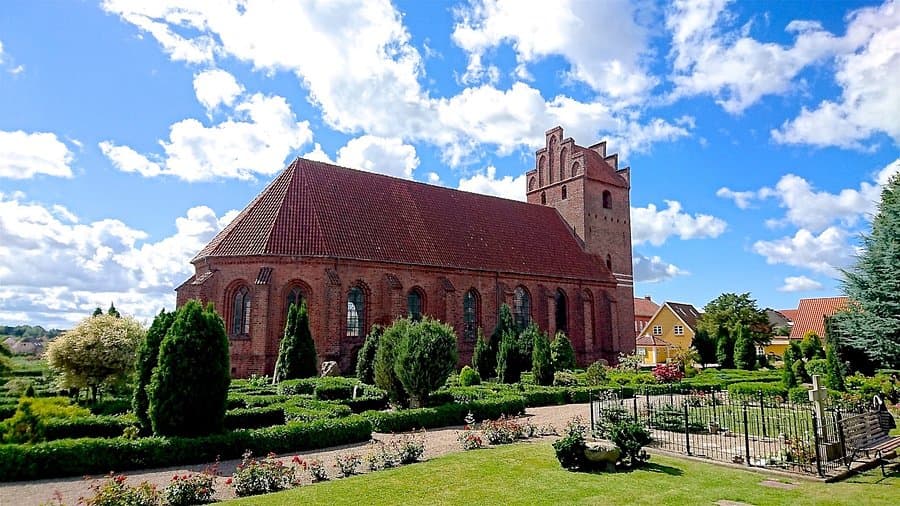
Coffee Culture and the Slow Lunch
Denmark has a coffee culture that rivals Italy’s in intensity, if not in speed. In Præstø, coffee functions as a social lubricant. After your fish and rye, you will inevitably find yourself sitting at a small table, likely in a café that has been in the same family for three generations, drinking a kaffe that is strong enough to wake the dead.
The accompaniment is usually kage (cake). Præstø does not invent new desserts. It perfects the old ones. Expect koldskål (a cold buttermilk drink with vanilla cream and berries) in the summer, or a warm æbleskiver (pancake puffs) dusted with powdered sugar and served with jam. The key is to eat slowly. There is no rush in Præstø. The townspeople are not checking their watches; they are watching the boats come in.
If you are looking for a specific restaurant, you will need to ask around. The locals do not advertise; they recommend. Ask for the place where the fish is freshest, and you will be pointed toward a modest establishment, likely with a menu written on a chalkboard. Do not be deterred by the lack of English translations. Point at the fish. Smile. Pay in cash or card. It will be the best meal of your trip.
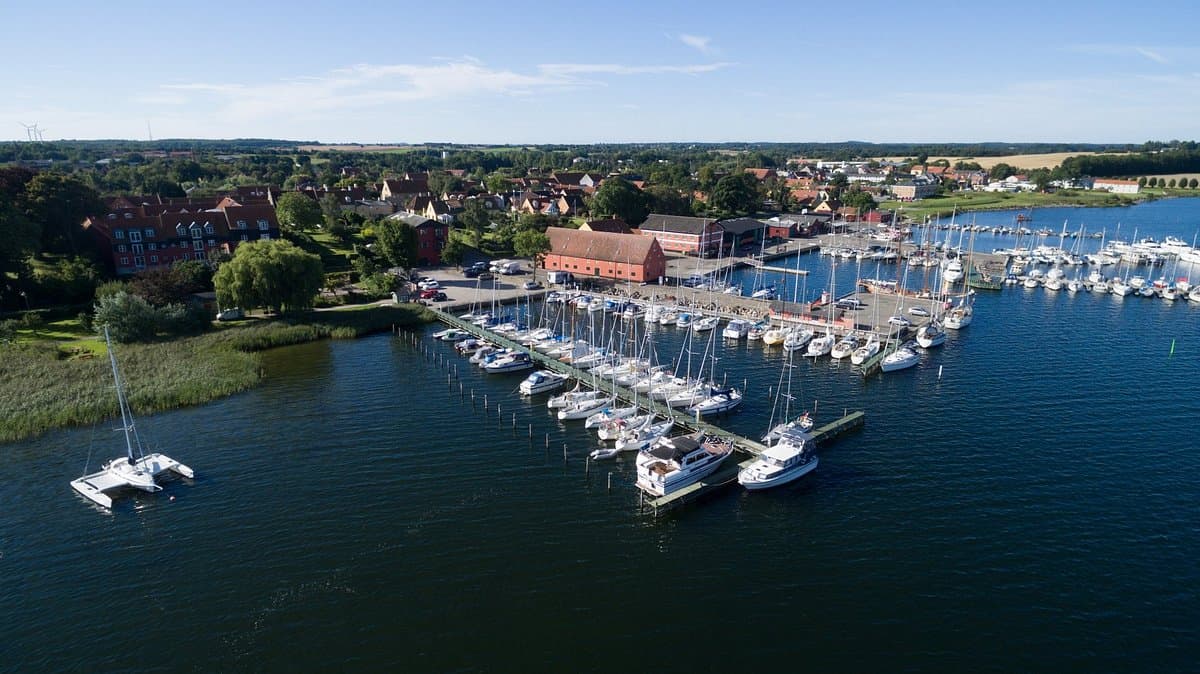
Practicalities for the Hungry Traveler
Præstø is a small town, and the dining hours reflect that. Lunch is typically served between 11:30 AM and 1:30 PM, and dinner starts around 5:00 PM. If you miss these windows, you are out of luck. There are no late-night diners or 24-hour takeout joints. The town goes to bed, and the kitchens close. Plan accordingly.
Prices are reasonable by Danish standards. A main course with fish and sides will cost around 150–200 DKK (approximately 20–27 EUR). A coffee and a slice of cake will run you 60–80 DKK. Bring cash, although most places accept cards. Tipping is not mandatory; rounding up the bill or leaving a few kroner is sufficient.
The best time to visit is during the summer months, when the fjord is calm and the fish are plentiful. The weather is unpredictable, so bring a raincoat. You will need it. But when the sun comes out, and you are sitting by the water with a plate of fried mackerel and a slice of rye bread, you will understand why Præstø has survived for centuries. It is not about the view. It is about the food. And in Præstø, the food is always worth the trip.
FAQ
Is Præstø walkable? Yes. The historic merchant borough is compact, and the fjord is right there. You can walk from the church to the water in minutes.
Do I need a car? Not if you are staying in the town center. However, a car is useful for exploring the surrounding Zealand countryside.
Is the food spicy? No. Danish food is not known for heat. If you want spice, bring your own.