Skip the tourist menus. In Anloga, the real meal is fermented corn, smoked lagoon fish, and a seat at the community table.
The Staple: Akple and the Art of Fermentation
You don’t come to Anloga for a three-course tasting menu. You come for the sourness. Akple is the backbone of the Volta Region’s diet, a fermented corn dough that tastes less like breakfast porridge and more like a sharp, tangy punch to the palate. It is the fuel of the Ewe people, a staple that has sustained coastal communities for generations. When you bite into it, the texture is dense and slightly gritty, but the flavor is the point: a deep, acidic tang that cuts through the humidity of the coast.
This isn’t a dish you order at a hotel lobby. It is a communal act. In Anloga, food is tied to identity. You eat akple because it is what your ancestors ate. It is the honest food of the region, unpretentious and essential. If you are looking for "Ghanaian food" in the generic sense, you will find jollof rice everywhere. Here, you find akple. It is the difference between performing a culture and living in one.
Protein from the Lagoon: Smoked Fish and Shrimps
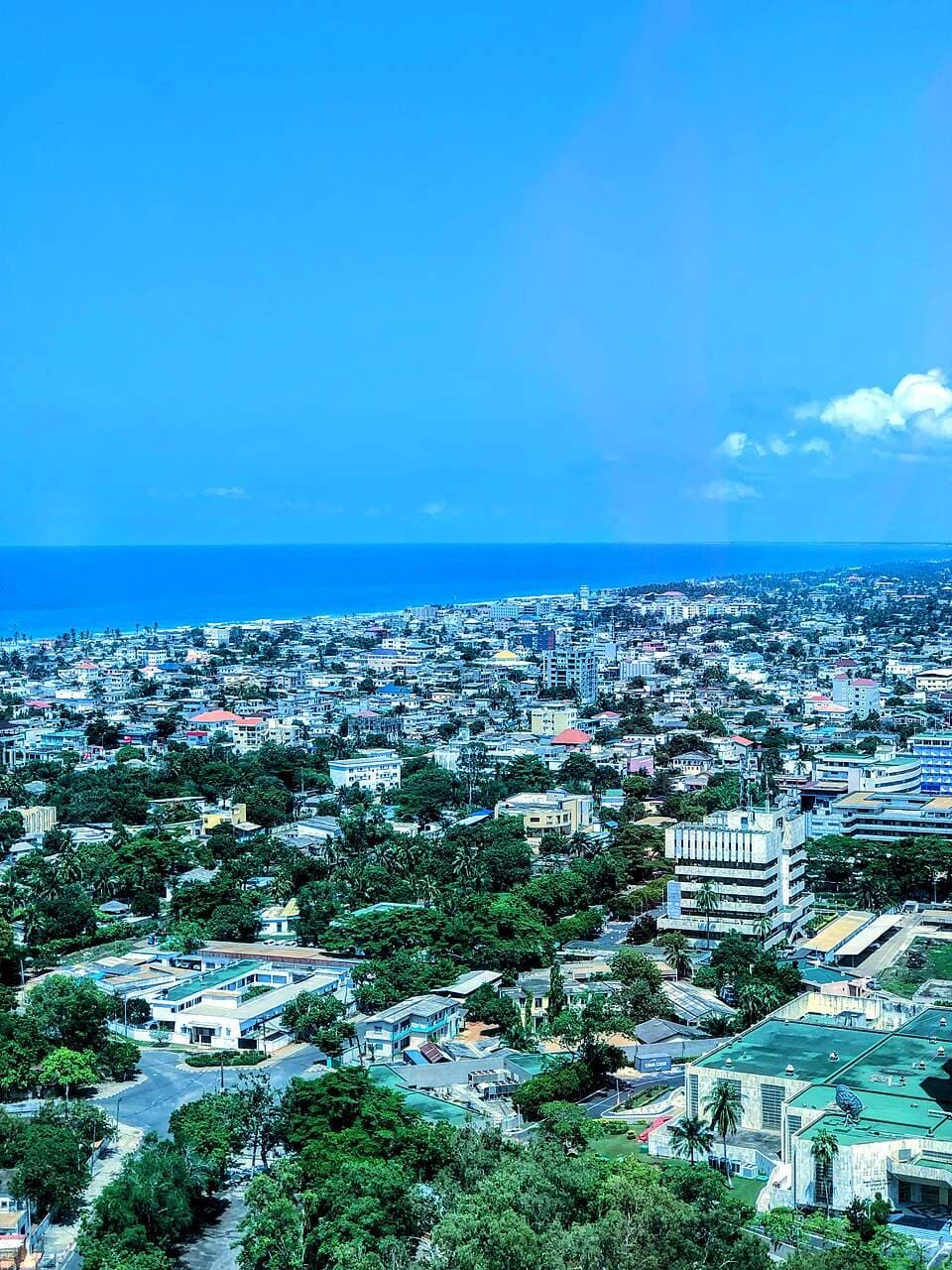
The other half of the equation is the protein. Anloga sits on the coast, and the lagoon provides the catch. The local cuisine relies heavily on smoked fish and dried shrimps. These proteins arrive hard, dark, and pungent. The smoking process is a tradition that preserves the catch for months, giving the meat a complex, smoky depth that fresh fish simply cannot match.
When combined with akple, the result is a meal that is both rustic and profound. The dried shrimps add a salty, umami kick that balances the sourness of the fermented corn. You are eating the lagoon. You are eating the time it took to smoke the fish over a wood fire. It is a sensory experience that stays with you long after you’ve left the table. Do not expect finesse. Expect intensity.
Fetri Detsi: The Sweet Counterpoint
If akple is the sour, fetri detsi is the sweet. This fermented corn flour dish is another signature of the Volta Region. It is often served as a snack or a light meal, offering a different texture and flavor profile from the denser akple. The fermentation process gives it a mild, pleasant tang, while the corn flavor is more prominent.
Fetri detsi is the food of the pause. It is what you eat when you are walking through the town center, or when you are resting between the drums of a festival. It is less about sustenance and more about enjoyment. The contrast between the sour akple and the sweet fetri detsi is a microcosm of Anlo-Ewe life: a balance of hard work and celebration, of tradition and adaptation.
The Festival Table: Communal Eating as Ritual
Food in Anloga is never just fuel. It is a ritual. The Anlo Hogbetsotso Festival is a multi-day event that commemorates a historic migration and triumph of the Anlo Ewe. During this time, the town center becomes a hub of activity, and food is central to the experience. Communal meals are shared, and the act of eating together is a reaffirmation of community bonds.
If you are visiting during the festival, you will find yourself surrounded by the smell of cooking fires and the sound of drums. The food is abundant, and the atmosphere is electric. This is when the "last honest corners" of the city are most visible. You are a guest participating in the culture, not a tourist observing it from the sidelines. The meals focus on the people who prepare them and the stories they share.
Practical Notes: Where and When to Eat
Anloga is a small town, with a population of around 35,933. You won’t find a bustling restaurant scene. Instead, you will find local stalls and home-based cooks. Look for the places where the locals gather. The town center is the best place to start, as it is the seat of the Awormefia of Anlo State and the heart of the traditional and spiritual life of the Anlo Ewe.
Prices are modest. A meal of akple and fish will cost you a fraction of what you would pay in Accra or Kumasi. Bring cash, as card payments are rare. The best time to eat is during the day, when the heat is on, and the stalls are active. If you are visiting during the Hogbetsotso Festival, expect higher demand and a more crowded atmosphere. Book your accommodation early, as the town fills up quickly during the festival.
When to Go: Timing Your Visit
The best time to visit Anloga for food is during the Anlo Hogbetsotso Festival, which runs over several days each year. This is when the communal eating is at its peak, and the cultural context is most vivid. If you are visiting outside of the festival, any time of year is fine, but the dry season (December to March) is generally more comfortable for exploring the town.
Keep an eye on the regional calendar. While the Hogbetsotso Festival is the primary driver of crowds, standard national holidays can also impact travel logistics. If you are visiting during major public holidays, book your accommodation early and be prepared for a busier atmosphere.
FAQ
Do I need a visa to visit Anloga, Ghana?
Most travelers need a visa to enter Ghana. Check the current requirements for your nationality before you book. Some nationalities may be eligible for visa-free entry or visa on arrival.
How do I get to Anloga from Accra?
There is no direct railway line to Anloga. You will typically fly to Accra or Ho, and then take a bus or drive to Anloga. The journey can take several hours, so plan accordingly.
Is the food safe to eat?
Yes, if you eat where the locals eat. Look for fresh, hot food and drink bottled water. The fermentation process in akple and fetri detsi is a natural preservation method, so it is generally safe.