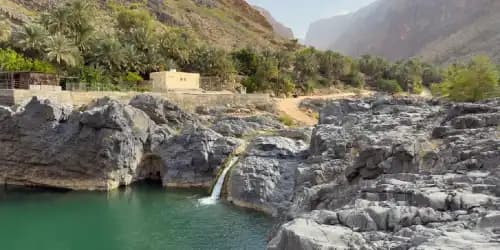
At 1,618 metres elevation, Wadi Al Ayn offers a rare contrast: lush, spring-fed vegetation set against the dry, rugged terrain of Sanaa Governorate.
The drive from Sanaa to the valley floor takes between two and three hours. The road is uneven, winding through mountain passes lined with date groves, and punctuated by occasional checkpoints. The landscape dictates the pace, and the trailhead begins where the asphalt ends.
The Terrain: Springs in the Arid
Wadi Al Ayn, literally the "Valley of the Springs," sits within Bani Dhabyan District in Sanaa Governorate. The defining feature is hydrological. In a region defined by aridity, natural springs here nourish dense vegetation, creating a microclimate that feels distinct from the surrounding highlands. The elevation, recorded at 1,618 metres, places the hiker in a cool, thin-air environment. The visual contrast is stark: dry, rocky slopes give way to green, spring-fed corridors.
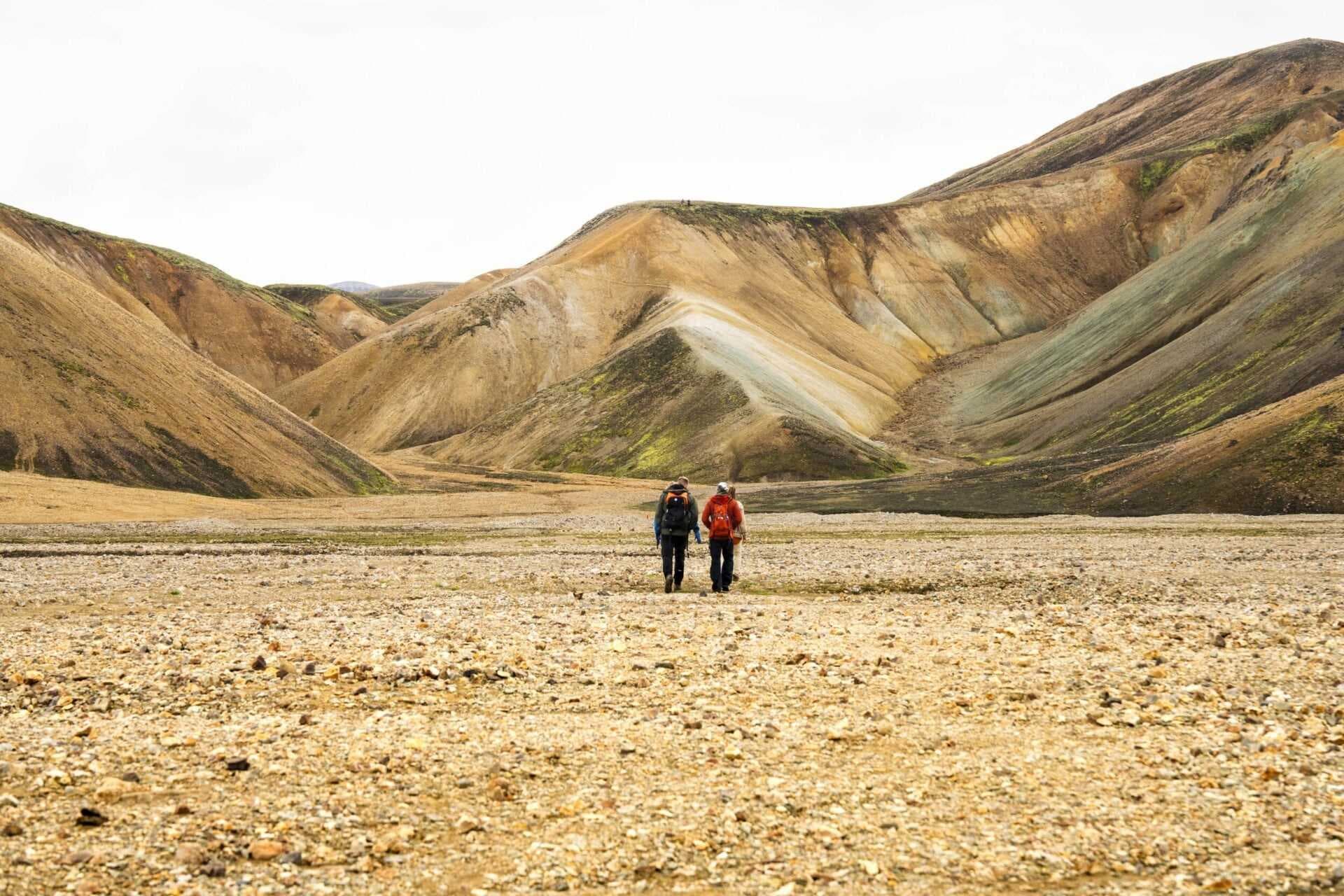
The trail conditions are natural, not manicured. Expect loose scree, uneven ground, and paths that require attention to footing. There are no paved boardwalks. The sensory experience is dominated by the sound of water moving over stone and the smell of damp earth and vegetation, a sharp departure from the dust of the lower altitudes.
Route Logistics and Access
Access is entirely by road. There is no railway connection to Wadi Al Ayn. The primary approach is from Sanaa, the capital, located approximately 100 kilometres (62 miles) to the south-east. The drive is the first part of the journey. Road conditions vary; rural segments remain uneven, and traffic can be unpredictable. Checkpoints are a routine part of the transit, requiring patience and documentation.
For the hiker, the practical implication is that the "trail" begins with the vehicle. You must plan for the 2–3 hour transit time in both directions. If you are arriving from outside Sanaa, factor in additional time for air access or overland travel to the capital. There are no confirmed local transit fares or specific booking systems for the valley itself, suggesting a more informal, ground-level arrangement. You will likely hire a vehicle or travel with a local guide who knows the specific entry points to the wadi.
Gear and Preparation
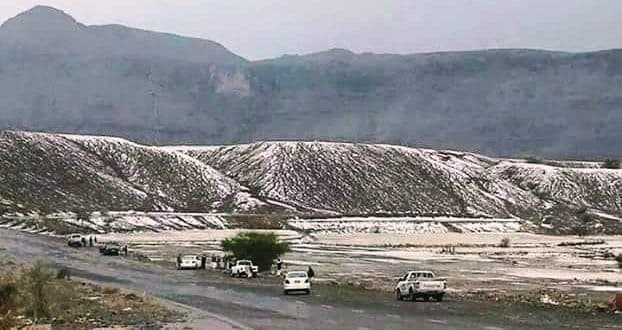
The environment demands specific preparation. The elevation of 1,618 metres means the air is cooler than at sea level, particularly during the early morning and late afternoon. Layered clothing is essential. Footwear must be sturdy, with good grip for uneven, potentially slippery terrain near the springs.
Hydration is critical. While the springs provide a water source, carrying sufficient potable water for the hike itself is standard practice. The vegetation is lush, but the surrounding terrain is dry. Do not assume the springs are safe to drink without local verification. A basic first-aid kit is advisable, as medical facilities are located in Sanaa or the nearby town of Omran, not within the wadi itself.
Local Context and Etiquette
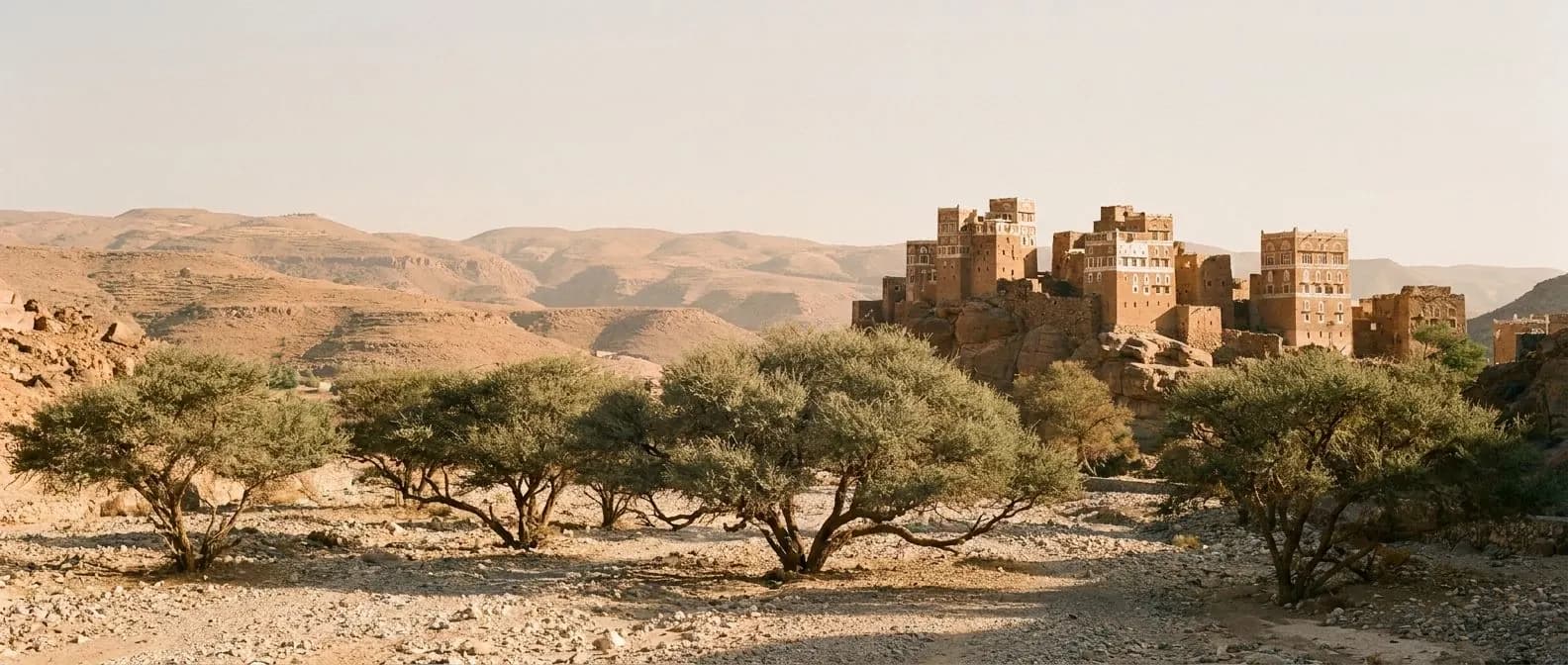
Wadi Al Ayn is situated in the Omran region, a rural area where local customs prevail. Interaction with residents should be respectful and observant. Photography of people, particularly women, requires prior permission. The presence of checkpoints and local authorities means that carrying identification is mandatory.
The local economy is tied to agriculture and the management of the water resources. The springs are a vital asset for the community. Hikers are guests in a working landscape. Avoid disturbing the vegetation or the water flow. There are no confirmed specific dishes or restaurants within the wadi, so meals are likely to be arranged in advance or carried in from Sanaa or Omran.

When to Go
The best time to visit Wadi Al Ayn is during the cooler months, typically from October to April. The summer heat in the Yemeni highlands can be intense, and the trail becomes more challenging. Autumn and winter offer the most comfortable hiking conditions. There are no major public holidays recorded in the immediate next six months that would significantly impact crowd levels or pricing, but general travel seasons apply.
For the solo traveler or the small group, the off-peak months offer the quietest experience. The valley remains a niche destination. You will likely have the trails to yourself. The audience for this hike is the serious traveler, comfortable with rural infrastructure and variable road conditions. The destination suits those seeking challenging terrain over easy, paved paths.
FAQ
Is Wadi Al Ayn safe for hiking? Safety depends on current local conditions. The area is in Sanaa Governorate. Checkpoints are common. Travel with a local guide or reliable vehicle. Carry identification.
How far is it from Sanaa? Approximately 100 kilometres (62 miles). The drive takes 2–3 hours depending on road conditions.
Is there accommodation in the wadi? No specific hotels or lodges are confirmed within the wadi. Most travelers base themselves in Sanaa or Omran for day trips.