Plan a meat-free stay on Lake Toba’s western shore. Ambarita offers Batak heritage, simple logistics, and quiet island rhythm for the plant-based traveler.
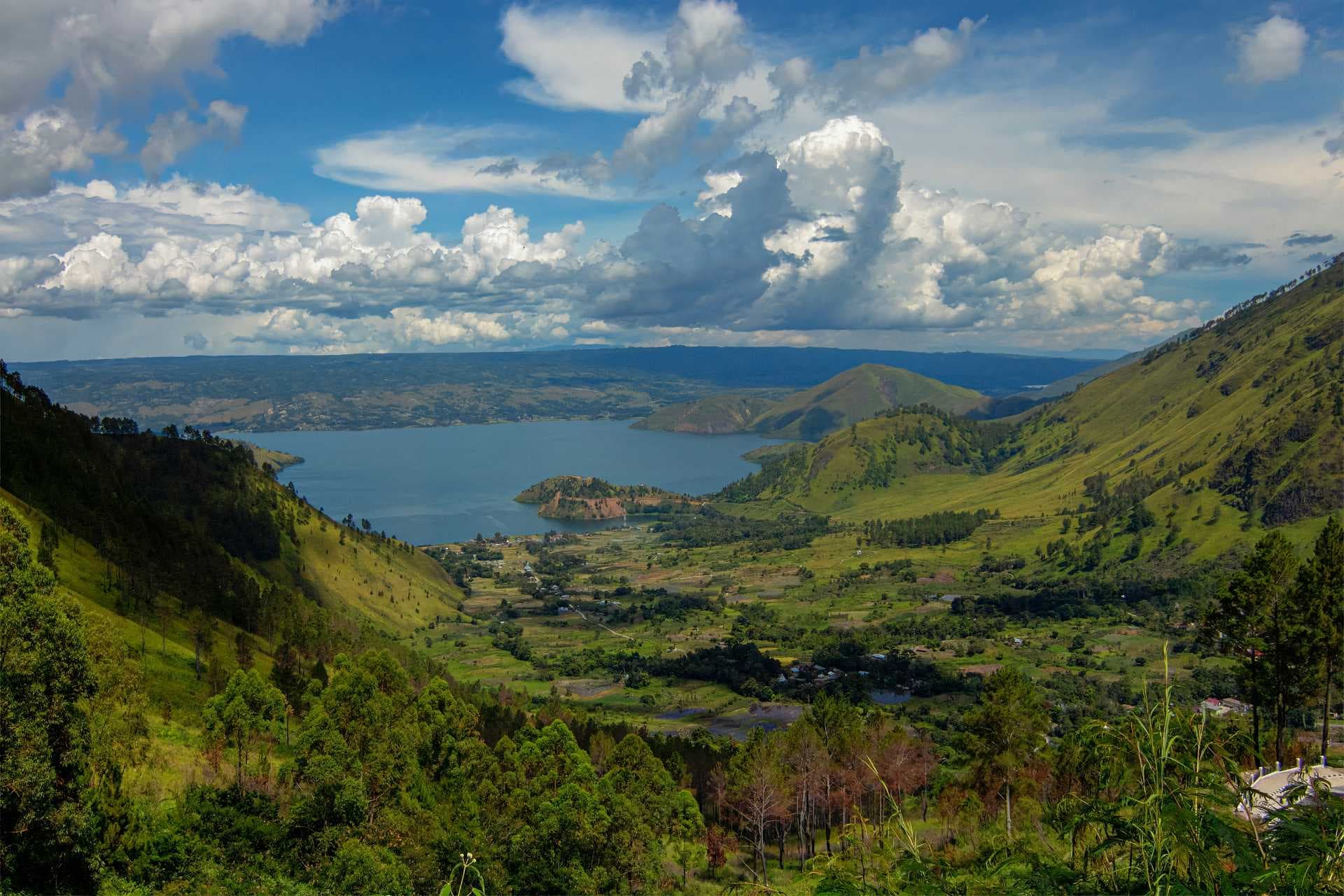
The ferry from Parapat takes approximately one hour to reach Ambarita. The fare is around 20,000 Indonesian Rupiah. It is a modest price for a significant shift in environment. You leave the mainland infrastructure of North Sumatra and enter a village defined by its position on the western shore of Lake Toba. There is no railway here. There is no station. There is only the water, the road, and the stone. For the vegetarian or vegan traveler, this isolation is an advantage. The menu is simpler, the expectations are lower, and the culture is rooted in a tradition that predates the modern obsession with dietary labels. You are visiting a place where the diet is a consequence of the landscape, rather than a destination that has catered to your diet.
The Culinary Reality
No specific Batak dish name tied exclusively to Ambarita appears in verified records for this guide. This is a deliberate choice in specificity. Do not expect a dedicated "vegan menu" on a laminated card. The food culture here is traditional and communal. In a village setting, meals are often rice-centric, accompanied by vegetables and proteins. For the plant-based traveler, the strategy is observation and communication.
Rice is the staple. It is ubiquitous. You will find it in every bowl. The challenge lies in the accompaniments. In Batak culture, meat—particularly pork and chicken—is central to feasts and daily life. However, the village’s proximity to the lake and the surrounding highlands means fresh produce is accessible. Look for local vegetables, often cooked simply with spices. The flavor profile of Batak cuisine is distinct: savory, slightly sour, and aromatic. If you are strictly vegan, you must be precise. Ask about coconut milk, which is common in Indonesian cooking, but verify its use. In a village like Ambarita, flexibility is key. You are in a residential community, not a metropolitan dining district where dietary restrictions are a business model. A polite nod and a clear explanation of your dietary needs will yield better results than a rigid demand for a specific dish.
Heritage and Atmosphere
The village is anchored by its historical significance. In front of the Ruma Batak—the traditional Batak houses—you will find a site of considerable antiquity: the historic stone chairs. This area served as a local trial and execution site for hundreds of years. It is a sobering landmark. The stone is weathered, the setting is open, and the history is tangible. The community’s past was physically enacted in this open space, free from the constraints of museum glass cases.
The Ruma Batak themselves are architectural statements. They function as cultural artifacts, not merely as houses. The wood is dark, the structure is elevated, and the design is functional for the highland climate. Walking through the village, the symmetry of the layout is apparent. The main road runs along the shore, providing easy access to the key sites. The air is cooler than on the mainland, a byproduct of the lake’s elevation. The light here is different. It is softer, diffused by the mist that often hangs over Lake Toba. Stillness defines the place, replacing the neon lights and hurried transactions of urban centers. The stone chairs and the traditional houses create a visual rhythm that is disciplined and orderly. It appeals to the traveler who values structure and clarity over chaos.
Logistics and Access
Getting to Ambarita requires a two-step process. First, you must reach the mainland side of the lake. The nearest major airport is Kualanamu International Airport in Deli Serdang, serving the Medan metropolitan area. From there, the transfer to Parapat is by land. It is a drive, not a flight. You will traverse the North Sumatran landscape, moving from the urban sprawl of Medan toward the volcanic highlands.
The second step is the crossing. The Parapat to Pulau Samosir ferry is the primary route. Ambarita is one of the last stops on this line. The ride takes about an hour. The fare is approximately 20,000 Rupiah. There is an alternate route from Tigaras on the mainland to Simanindo, which is useful if you are approaching from Berastagi. This is a more direct crossing for those coming from the northern part of the lake. However, the Parapat route is the most established. There is no rail connection to the island. Do not look for a train station. The ferry is the only link. Once on the island, Ambarita is situated along the main road. It is easy to reach by local transport or on foot. The village is compact. You do not need a car to experience the core of the destination, though a vehicle offers flexibility for exploring the wider island.
Practical Planning
Timing your visit is less about avoiding crowds and more about aligning with the island’s rhythm. The nearest major holidays in the coming months include Christmas Day on December 25, 2026, and New Year’s Day on January 1, 2027. These dates will see a slight increase in visitor numbers, particularly from domestic travelers celebrating the winter season. If you prefer solitude, the months between these holidays offer a quieter experience. The weather in North Sumatra is generally warm, but the lake’s elevation moderates the temperature. Mornings can be cool. Pack layers.
For the vegetarian traveler, the practical advice is simple: bring a small supply of staples. While fresh produce is available, your options for processed vegan items are limited. A few bars, some nuts, and basic spices can bridge the gap between local meals and your dietary requirements. Cash is king. While larger establishments in nearby towns may accept cards, the village economy in Ambarita runs on Rupiah. Keep small denominations for the ferry, local snacks, and small purchases. The exchange rate is favorable for many international currencies, but having cash on hand eliminates the friction of payment.
Frequently Asked Questions
Is Ambarita suitable for a solo vegetarian traveler? Yes. The village is small and manageable. The social fabric is tight-knit, and locals are accustomed to visitors. A solo traveler can easily navigate the main road, visit the stone chairs, and find simple meals. The compact nature of the village ensures you remain visible, which is usually a positive attribute in a residential setting.
How do I get from the airport to Ambarita? Fly into Kualanamu International Airport. From there, arrange a transfer to Parapat. This is a land journey. Once in Parapat, take the ferry to Samosir Island. Ambarita is a stop on this ferry route. The total time from airport to village will depend on traffic and the specific ferry schedule, but allow for a full day of travel to be safe.
Are there specific vegan restaurants in Ambarita? No named vegan restaurants were confirmed in current records. The dining options are local and traditional. You will need to communicate your dietary restrictions clearly to the cooks. Focus on rice, vegetables, and fruits. Avoid meat-heavy dishes and ask about the use of fish sauce or coconut milk if you are strictly vegan.