Skip the Asunción traffic. San Lorenzo offers a 15km escape with cathedral views, cheap buses, and enough space to park your van without feeling lost.
The first thing you notice when you cross into San Lorenzo from Asunción is the change in scale. The concrete density of the capital gives way to wider avenues and a skyline anchored by the Catedral de San Lorenzo. The city sits comfortably in the middle ground between remote wilderness and dense urban center. For van lifers, this specific in-between status is the entire point. You are close enough to the capital for supplies and internet, but far enough out to find parking that does not require a spotter. The city is the third most populous in Paraguay, with a population of roughly 252,561 people, which means infrastructure exists, but the tourist machinery has not yet fully colonized it.
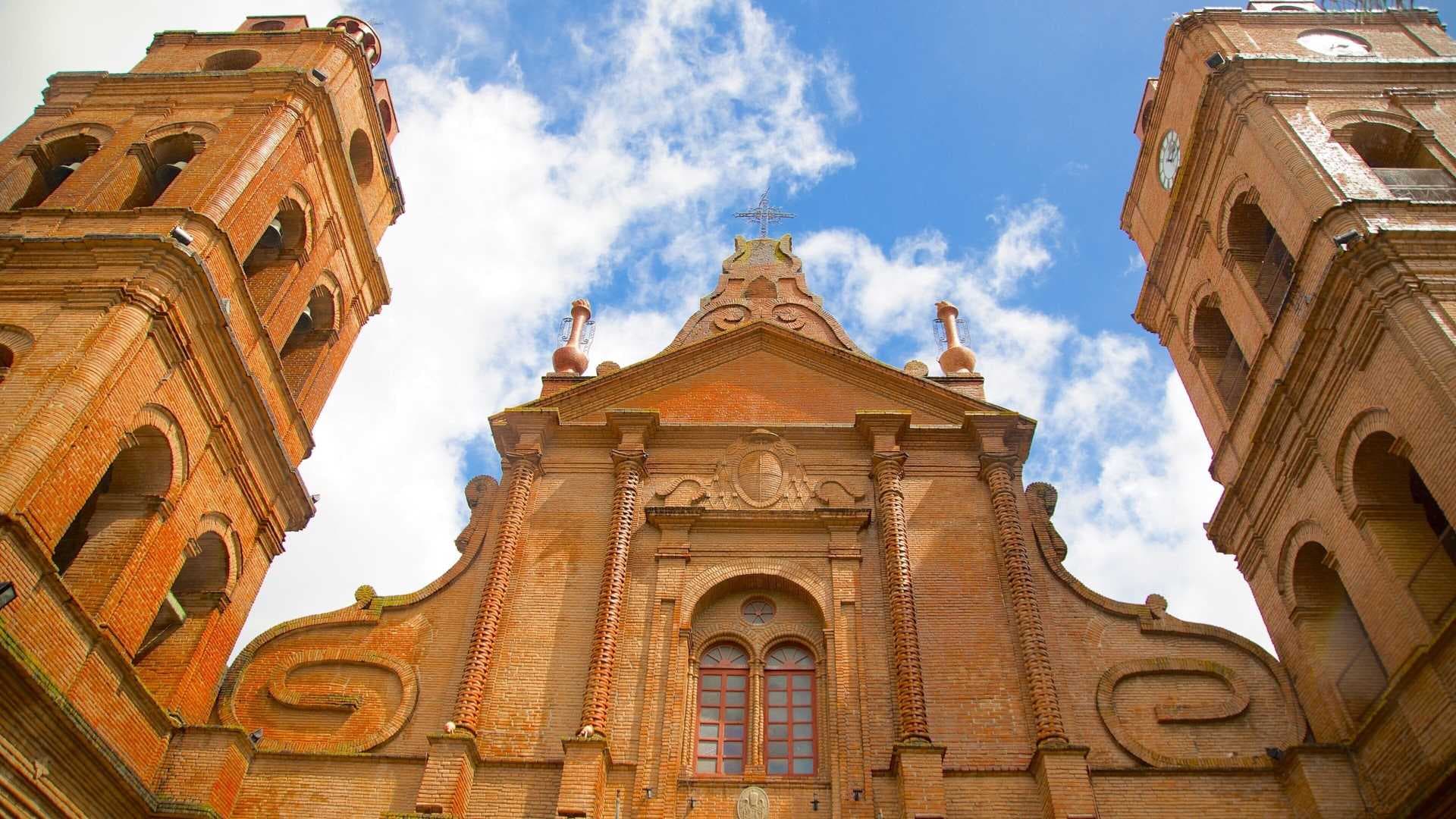
The Layout: Why the Suburb Beats the Capital
San Lorenzo sits in the Central Department, functioning as a primary bedroom community for Asunción. This creates a specific rhythm for van living. The main arterial corridor, Avenue Eusebio Ayala, links the two cities directly. If you are driving from Asunción, the trip is approximately 15 kilometers, taking around 16 to 17 minutes in normal traffic. That is a short drive. It means you can park your van in a quieter neighborhood in San Lorenzo and still be in the capital for a dinner reservation or a hardware store run in under twenty minutes.
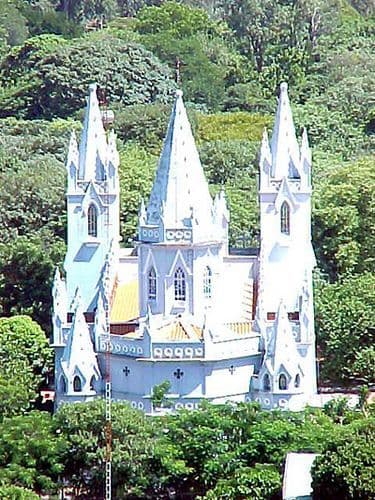
The city center is anchored by the Catedral de San Lorenzo. The building is a significant cultural landmark, noted for its heritage status. While the cathedral itself is a religious site, its presence defines the urban grid. The streets radiating from the plaza are wide enough for a van to navigate without the tight-squeeze anxiety of older European cities. Dedicated "van zones" do not exist, but the residential streets away from the main avenues offer flat, paved surfaces suitable for overnight parking. The key is avoiding the immediate perimeter of the cathedral during service times, where pedestrian traffic and local vehicles create a bottleneck.
Getting There and Moving Around
You do not need to drive into San Lorenzo to experience it, but if you are in a van, you are already part of the local transit ecosystem. The primary connection from Asunción is via intercity buses. Companies such as Interurbano Central, Sol del Paraguay, and La Santaniana operate frequent services along the Asunción–San Lorenzo route. If you choose to leave the van parked in a secure location in Asunción and take the bus, the fare is negligible, starting around 6,000 Guaraníes (roughly US$0.80 to $1.00, though sources cite up to $2 for certain services).
For those staying in the van, the bus network is useful for day trips without moving your vehicle. Route 45 is a specific example, running from Belisario Rivarola X Antequera in Asunción to Juan P. Ocampos X Federico León in San Lorenzo. It covers 126 stops, meaning it is a local feeder line rather than a long-distance express. This is the kind of route that gets you to the edges of the city where the van parking is easier. There is no confirmed railway serving San Lorenzo, so the bus and your own wheels are the only options. The time zone is UTC-03:00, which is convenient for coordinating with the rest of South America.
Eating and Drinking
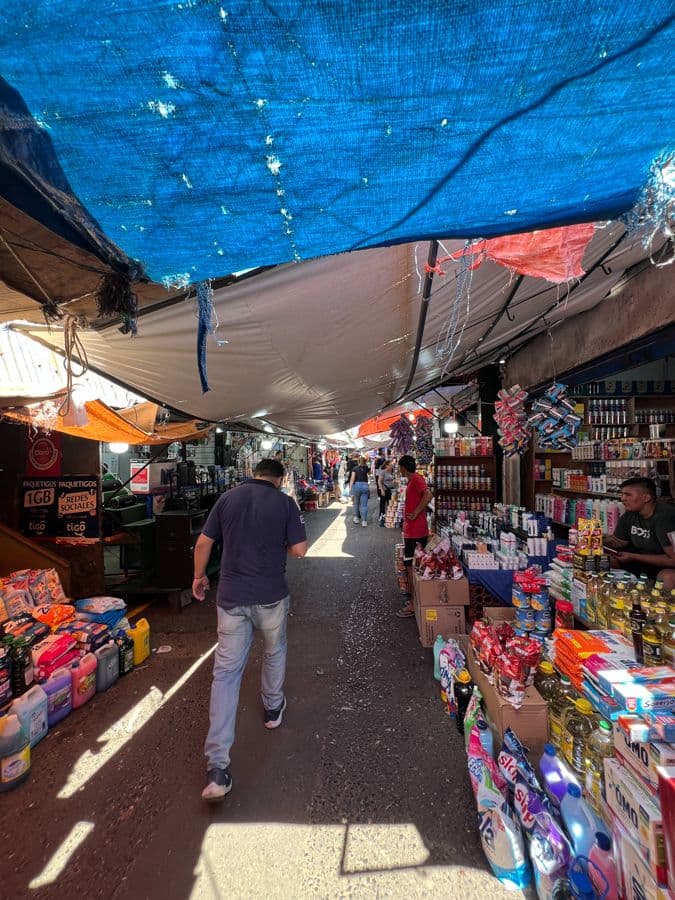
Specific restaurant names in San Lorenzo are not heavily documented in international travel databases, which is a good sign. It means the food is local, not curated for tourists. One name that appears in local social media contexts is Casa Lorenzo, a café and restaurant in the city. It suggests a baseline of sit-down dining that is accessible to visitors. However, for a van lifer, the strategy is different. You are looking for the chipi (local eateries) and bodegas (general stores) that line the secondary streets.
Paraguayan cuisine is hearty. You will find chipa (cheese bread) and sopa paraguaya (a savory cornbread) at almost any corner bakery. These are cheap, portable, and do not require a table. The local market areas are less formally organized than those in Asunción, but the produce is fresh because the city serves as a hub for the Central Department. A "tourist menu" is unlikely to exist. You will eat what the locals eat: grilled meats, rice, and beans. The cost of living here is a fraction of what you would pay in Europe or North America. A meal at a local spot will typically cost a few thousand Guaraníes, making it one of the cheapest places to eat in the region.
Practicalities for the Van
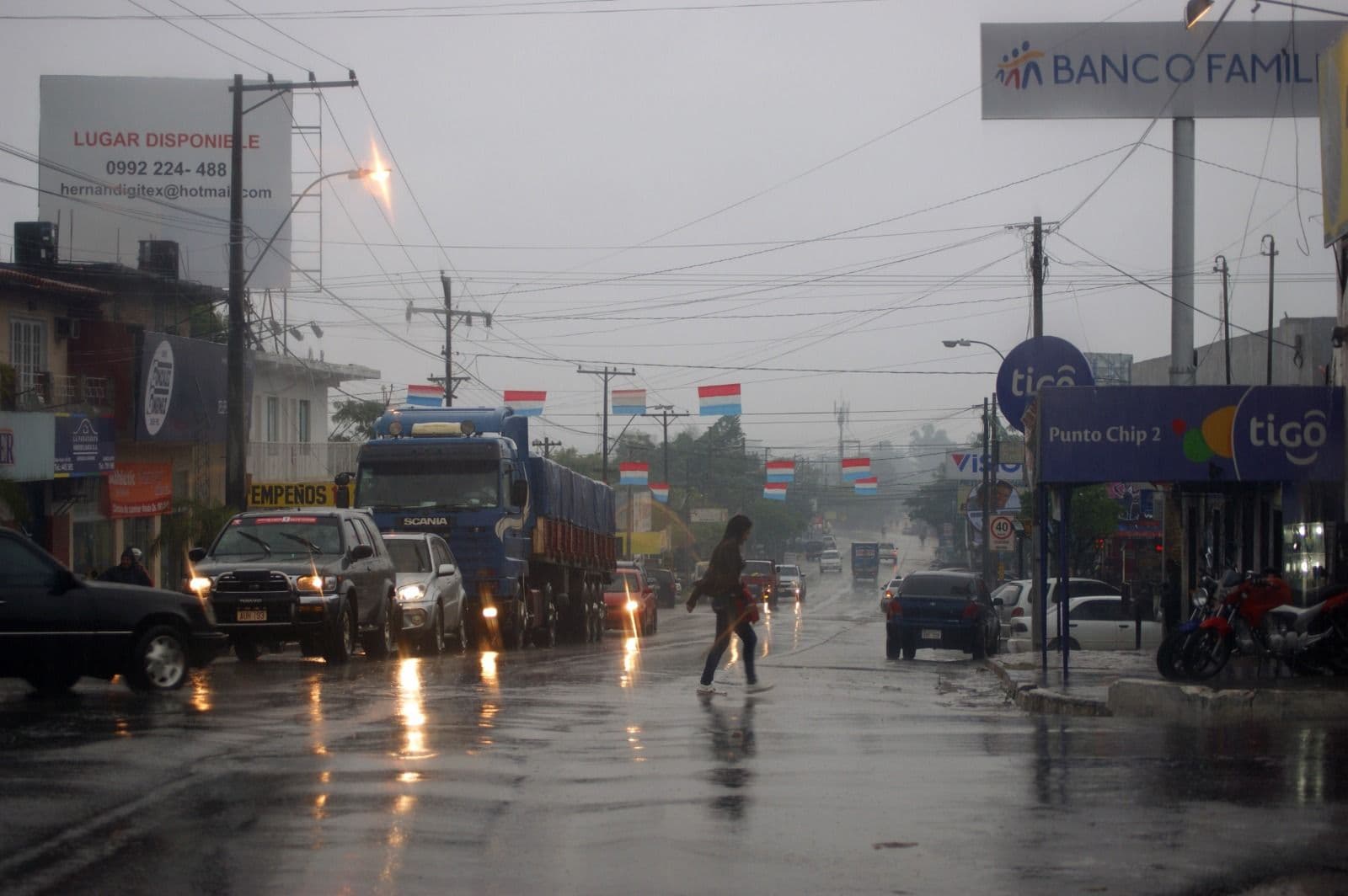
The climate is humid subtropical. This is a critical factor for van life. The wet season runs from October to April, which includes the current autumn months in the Southern Hemisphere. You will experience heavy rainfall during this period. Your van needs to be sealed properly. Potholes are less common in the main avenues of San Lorenzo than in the rural areas, but the wet season can turn unpaved side streets into mud. Park on paved surfaces if possible.
The dry season, from May to September, is the ideal window for van life in this region. The air is cooler, the roads are dry, and the humidity drops. This is when the light in the city is clearest, and the Catedral de San Lorenzo looks its best. If you are planning a longer stay, aim for this window.
For money, the Guaraní is the currency. ATMs are available in the city center, but they can be unreliable during peak hours. Carry cash for small purchases. The population is large enough that you will not feel isolated, but small enough that you can find quiet corners. The city is safe by Paraguayan standards, but standard urban precautions apply. Do not leave valuables in the van. The risk is low, but it is not zero.
When to Go and Who It Is For
The Feast of the Virgin of Caacupé falls on May 12. This is a massive religious pilgrimage. If you are in San Lorenzo around this time, expect the city to be crowded with visitors heading to Caacupé. The roads will be congested, and parking will be difficult. It is better to avoid this date if you want a quiet stay. Christmas Day (December 25) and New Year's Day (January 1) will also bring increased activity, but these are more standard holiday periods.
San Lorenzo functions as a base rather than a destination for a week-long vacation. It is for the traveler who wants to be in Paraguay without being in the chaos of Asunción. It is for the solo traveler who wants to park their van in a residential street and walk to a local café. It is for the couple who wants a weekend escape that is still within driving distance of the capital. The city lacks a "tourist trail," which is its greatest asset. You have to figure it out. And that is the point.
FAQ
Is San Lorenzo safe for overnight van parking? Generally, yes. It is a residential suburb with a large population. Avoid the immediate vicinity of the cathedral during service times and stick to well-lit, paved streets. Standard precautions apply: lock your doors and do not leave valuables visible.
Do I need a special permit to park my van in San Lorenzo? No specific van permit is required for short stays. However, long-term parking on public streets may be subject to local municipal rules. If you are staying for more than a few days, consider finding a private lot or a secure parking area, which can often be negotiated locally.
What is the best time of year to visit? The dry season, from May to September, is the best time. The weather is cooler, the humidity is lower, and the roads are in better condition. The wet season (October–April) is still viable, but you must be prepared for heavy rain and potential flooding on lower-lying streets.