Skip the crowds. Farm tours, Maya ruins, and quiet village life in Cayo District offer a deeper Belizean pace.
The Village That Isn’t on the Map
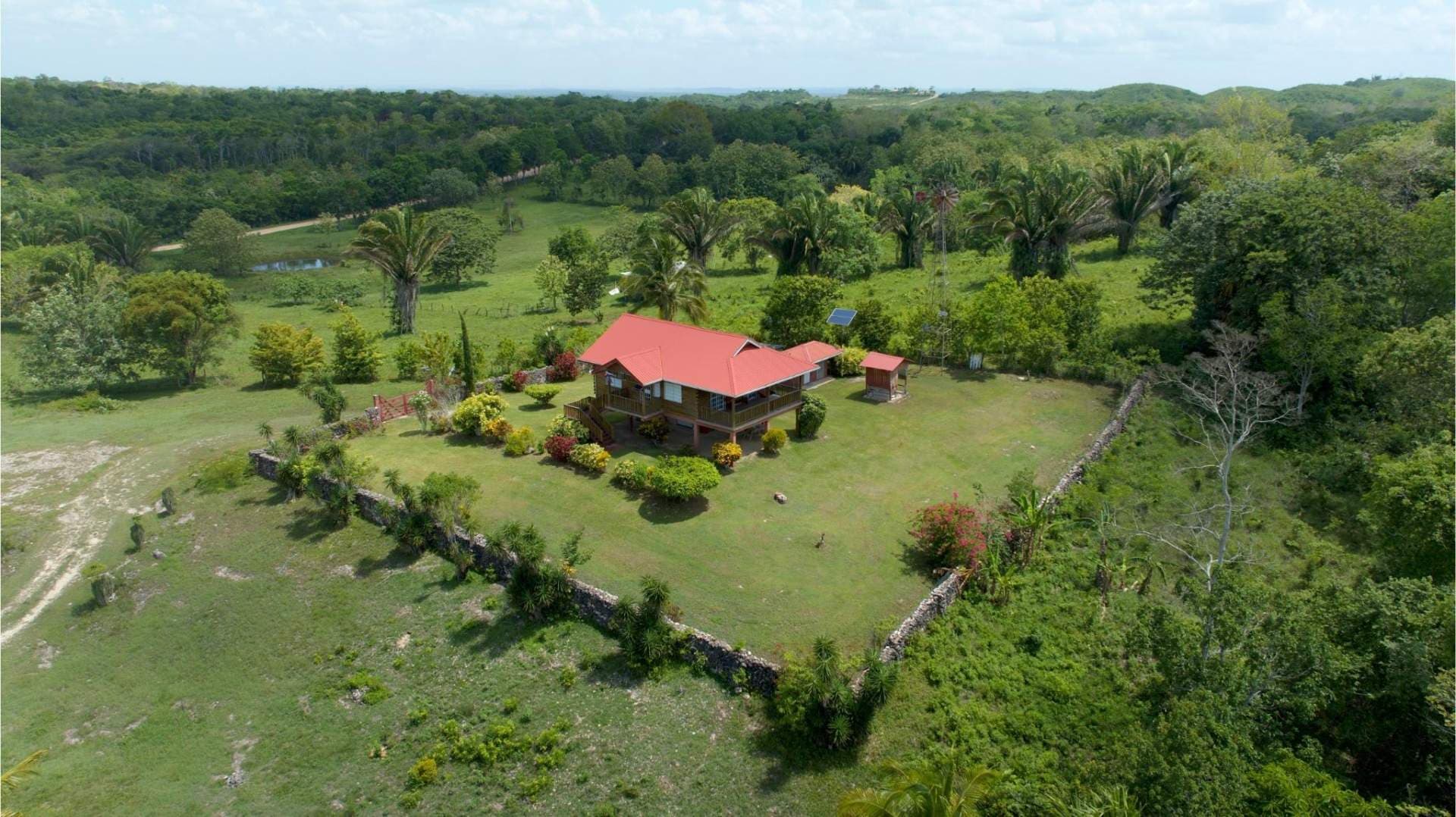
Most travelers head straight for the Maya ruins or the barrier reef, treating the Cayo District as a waypoint rather than a destination. Valley of Peace, a small village in the district’s interior, doesn’t fit that mold. Founded on March 12, 1982, it was home to roughly 1,809 people by the turn of the century, a population size that suggests a community where neighbors still know your name before you ask for directions. It’s a working agricultural settlement where the rhythm of the day is dictated by the harvest, not the hotel concierge.
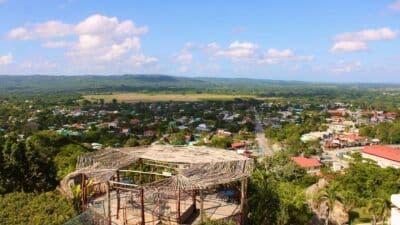
The appeal here is presence. While other parts of Belize cater to adrenaline junkies and beachgoers, Valley of Peace offers the kind of silence you can only buy if you’re willing to trade your itinerary for a conversation. The village sits along the regional road corridor connecting Belize City to San Ignacio, meaning you don’t need a 4x4 to get there, but you do need a willingness to slow down. The scenery is green, flat, and dotted with the occasional farm plot, a landscape that feels less like a postcard and more like the backdrop to a very good nap.
Ruins Without the Rush
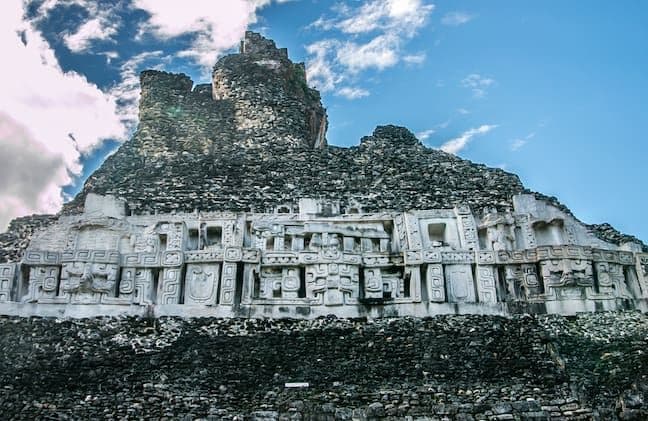
The two major draws within driving distance are Xunantunich and Caracol, both frequently paired with visits to Valley of Peace in local itineraries. Xunantunich is the closer option, a site that feels intimate enough to explore without feeling like you’re in a museum queue. It’s the kind of place where you can sit on a stone bench, watch the light shift over the jungle canopy, and actually read the interpretive signs without someone elbowing you for a photo.
Caracol, further out, is a different beast. It’s larger, more complex, and requires a bit more time commitment. But the key to visiting these sites from Valley of Peace is timing. Most tour buses dump their passengers in the mid-morning, creating a bottleneck that dissolves by early afternoon. If you stay in the village, you have the luxury of arriving at dawn or lingering past the sunset, experiencing the ruins when the air is cool and the crowds have retreated to their air-conditioned lobbies. This isn’t just about avoiding people; it’s about hearing the jungle again, the birds returning once the tour groups shuffle back to their vans.
Farming as a Full-Body Experience
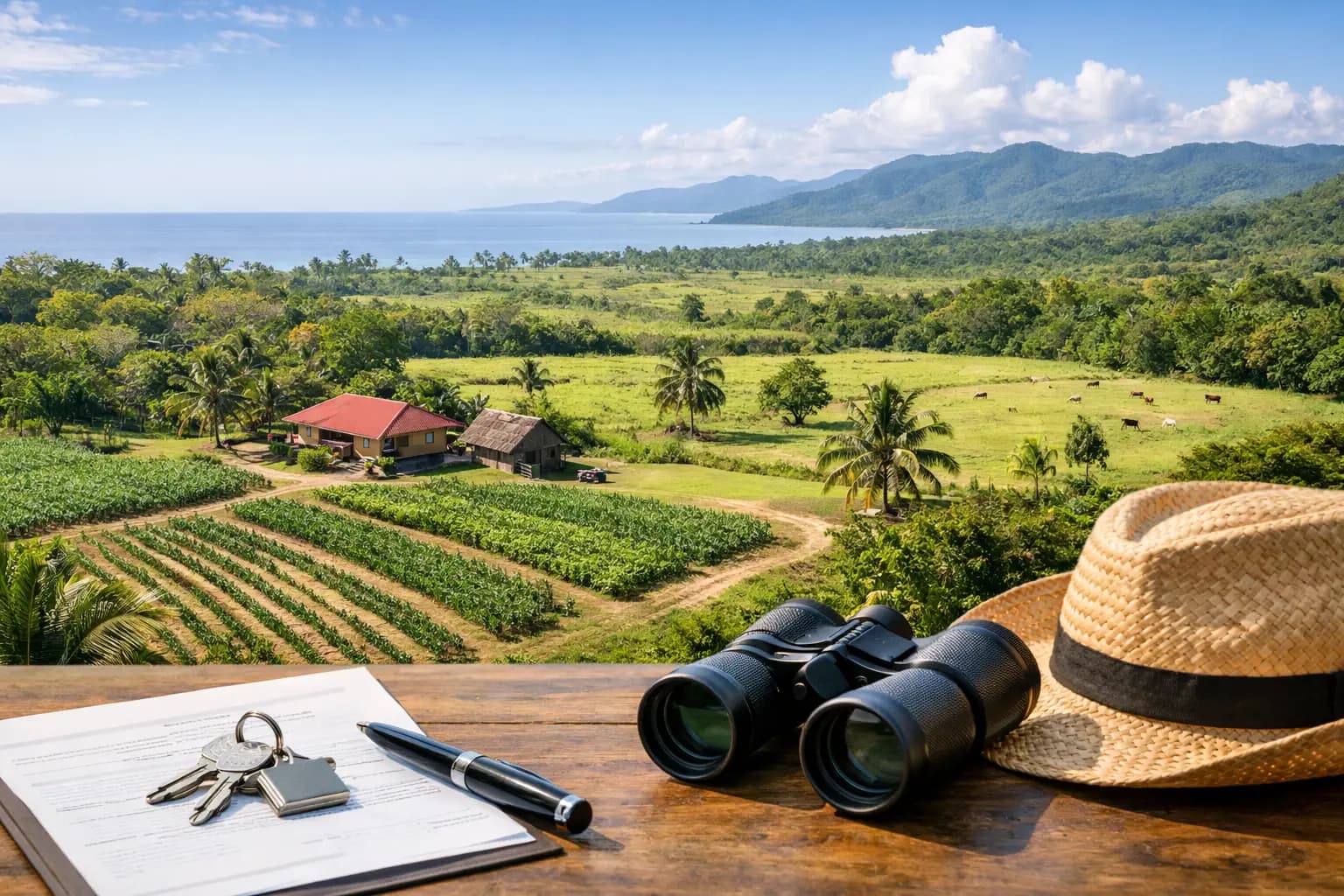
The heart of Valley of Peace is its agriculture, specifically the coffee and cacao farm plots that dot the landscape. These are active production sites where agro-ecotourism is a genuine part of the community’s economy. A farm tour here involves more than sipping a cup of coffee and smiling for a picture. You walk the rows, you see the processing methods, and you understand why the beans taste the way they do. The sensory details are immediate: the earthy smell of fermenting cacao, the rough texture of the coffee cherries, the heat of the tropical sun on your neck as you move through the shade.
Beyond the traditional crops, Valley of Peace Farms Ltd. (VOPFL) represents a newer wave of agricultural development in the area, focusing on sugarcane and coconut farming since its founding in 2014. This blend of traditional and modern agriculture gives visitors a nuanced view of how Belizeans are adapting to global markets while keeping their feet in the soil. It’s a lesson in sustainability that you can’t get from a brochure; you have to be there, hands in the dirt, to really grasp it.
Where to Sleep and What to Eat
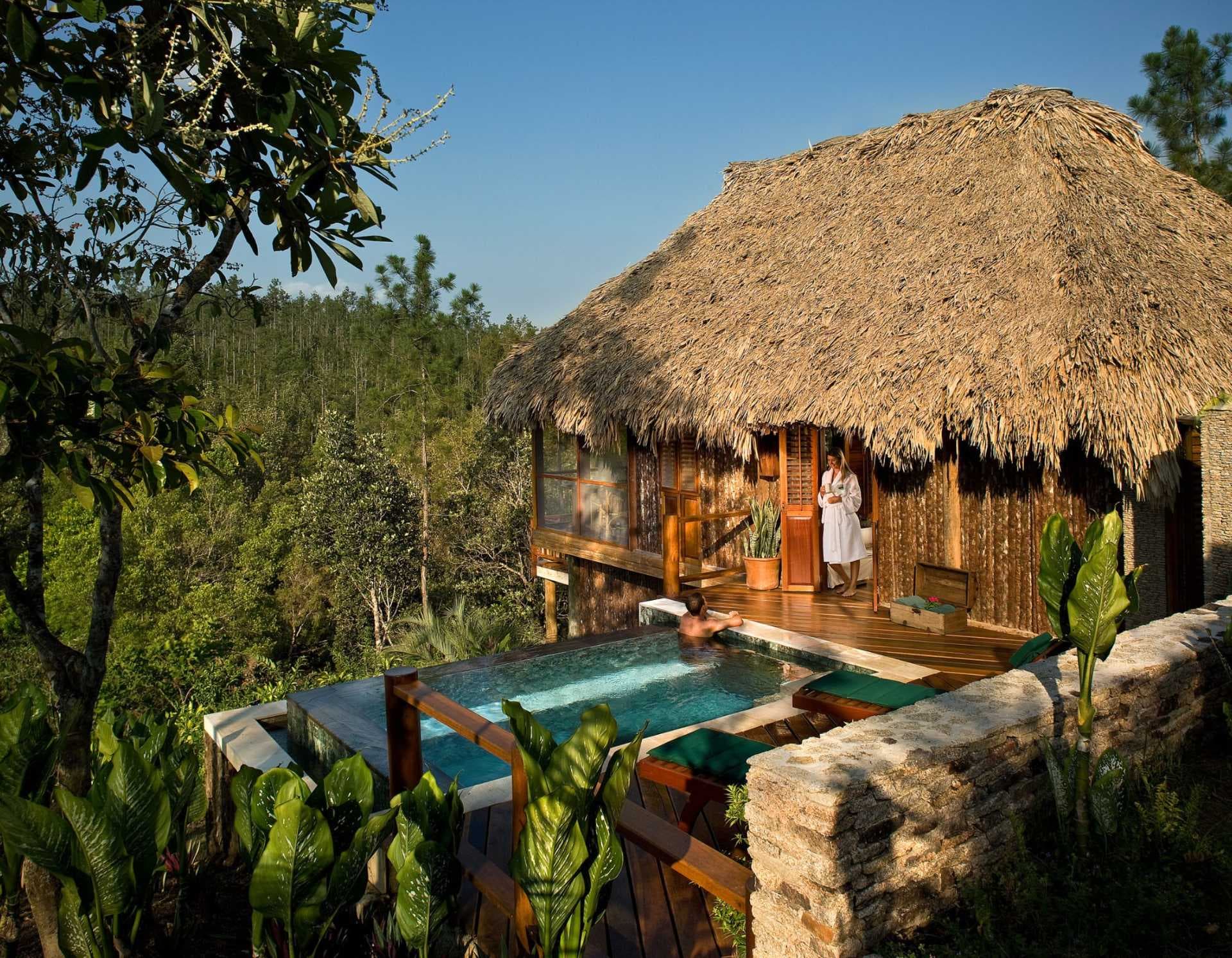
Accommodation in Valley of Peace is primarily community-run lodges. These rural stays prioritize authenticity over amenity. Expect simple rooms, perhaps a fan instead of AC, and a breakfast that tastes better because it was made locally. The price point is generally lower than in San Pedro or Ambergris Caye, reflecting the lack of luxury infrastructure. When booking, look for properties that emphasize their connection to the local community, as this often translates into better access to farm tours and cultural insights.
Food here is straightforward and filling. Traditional Belizean lunch is the staple, often featuring rice, beans, and a local meat or fish. One popular spot mentioned in local itineraries is Hode's Place, known for serving up hearty portions that fuel you for a day of walking. You’ll also find sugarcane juice and coconut water, products of the local farms, available as refreshing breaks between activities. Don’t expect a Michelin star, but do expect a meal that tastes like it belongs to the land it came from.
Getting There and Practicalities
Getting to Valley of Peace requires some planning. The nearest major hub is San Ignacio, which is connected to Belize City by a regular bus service. The journey takes up to 30 minutes longer than express services, and runs are fewer on Sundays and holidays. From San Ignacio, you’ll likely need to arrange a local transfer or taxi, as public bus lines to Valley of Peace itself are not widely documented or consistent. Budget for this last-mile connectivity, as it can be the most variable part of your trip.
Belize City airport is approximately 114 km (71 miles) from San Ignacio, so factor in a significant transfer time if you’re flying in. Currency is the Belize Dollar, though US dollars are widely accepted in tourist areas. However, in smaller villages like Valley of Peace, cash is king. ATMs are scarce, so withdraw enough in San Ignacio or Belize City to cover your stay. Weather-wise, the dry season from February to May is ideal, with daily highs ranging from 84°F to 87°F (29–31°C). Avoid relying on Sunday bus runs, as frequency drops significantly, which could leave you stranded if you’re not prepared.
When to Go and Who It’s For
The best time to visit is during the dry season, particularly February through May. However, be mindful of upcoming national holidays, which can impact availability and pricing. Saint George's Caye Day on September 10, 2026, is approaching quickly, and you can expect higher demand and potential surging in accommodation rates across the country, including in quieter spots like Valley of Peace. Independence Day on September 21 will bring similar crowd dynamics. If you prefer a quieter experience, aim for the weeks immediately following these dates or stick to the core dry season months.
This destination is perfect for slow travelers, solo adventurers, and those interested in cultural immersion rather than thrill-seeking. It is best suited for those who want to understand how Belize works at a grassroots level, rather than families looking for all-day entertainment parks or couples seeking romantic beach dinners. A three-to-five-day stay is sufficient to explore the nearby ruins, participate in farm tours, and absorb the village atmosphere without feeling rushed.
Frequently Asked Questions
Is Valley of Peace safe for solo travelers? Yes, the village is generally considered safe, especially for tourists who respect local customs and stay aware of their surroundings. As with any rural area, basic precautions apply, such as not leaving valuables unattended and informing your lodge of your daily plans.
How far is Valley of Peace from the nearest airport? The nearest major airport is Philip S. W. Goldson International Airport in Belize City, which is approximately 114 km (71 miles) from San Ignacio. Since Valley of Peace is in the Cayo District, you will likely need to travel to San Ignacio first and then arrange a local transfer, adding to the total journey time.
What should I pack for a farm tour? Wear sturdy, closed-toe shoes that can handle uneven terrain and mud. Bring insect repellent, sunscreen, a hat, and plenty of water. Lightweight, breathable clothing is essential due to the tropical climate, and a small daypack is useful for carrying essentials.