No falling leaves here, just dry heat and grilled rice. Tutong offers a slow, culinary-focused escape in Brunei’s driest season.
Alan Jackson
There is no autumn in Tutong. There are no rustling maples, no crisp air, and certainly no pumpkin spice lattes to distract you from the fact that it is 32°C and humid enough to wear your shirt as a second skin. But if you are traveling in June, July, or August, you are hitting the sweet spot of Brunei’s tropical calendar: the dry season. The rain holds off, the rivers stay manageable, and the local markets operate with a rhythm that feels less like commerce and more like a community ritual. Tutong, sitting squarely between the capital Bandar Seri Begawan and the oil fields of Belait, waits for you to wander in, hungry and slightly confused, and then feeds you until you leave.
Eat Before You Look
In Tutong, the itinerary starts with the stomach, not the sightseeing. The town is a pilgrimage site for foodies who care more about consistency than ambiance. You cannot discuss Tutong without discussing Pulut Panggang, the grilled glutinous rice that is the district’s culinary signature. It is a dish that looks deceptively simple: cubes of rice, slightly charred, wrapped in banana leaves. The magic is in the texture—soft inside, smoky outside—and the accompanying coconut milk and sweetened coconut strips.
You will find it at Mei Fang Kopitiam, a spot that has been operating since the 1950s. The place is unpretentious, smelling of charcoal and old coffee. Locals from across Brunei drive here for it. If you arrive after 8:30 am, you might be too late; they often sell out. If you miss Mei Fang, Puteh is another reliable stop, though you should still move with purpose.
For a heavier meal, seek out Soto Hj Tuah, which has been serving its "5-in-1 Soto" since 1964. This broth features beef, chicken, crocodile liver (hati buyah), tripe (berubut), and tendon (urat). It is a test of courage for the uninitiated, but a comfort for those who appreciate the depth of Malay-Indian fusion. If you prefer something simpler, KK Koya in Telisai serves a solid Nasi Briyani, while a restaurant near Sungai Basong Recreational Park offers Roti Daging that is worth the detour. And do not forget Ambuyat, Brunei’s national dish made from sago palm trunk. It is chewy, bland on its own, and best eaten with the various sauces provided. It is a dish that forces you to slow down, which is exactly what you should be doing here.
The Market Rhythm
Tutong’s social life revolves around its markets, but timing is everything. Tamu Tutong is the traditional night market, relocated to a new establishment that retains the chaotic charm of its predecessor. It is a place of smoke, noise, and bargain hunting. You will find local food stalls serving everything from grilled satay to fried snacks, alongside vendors selling clothes and household goods. It is best visited in the evening when the heat breaks and the locals come out to socialize.
For handicrafts and fresh produce, you need to wake up early. Pasarneka Tutong is a permanent, air-conditioned shopping complex that offers a quieter, more focused experience than the night market. It operates daily, providing a respite from the humidity while vendors sell local crafts, fresh vegetables, and prepared foods. It is a snapshot of daily life in Tutong, where transactions are quick and conversations are brief but warm. Do not expect English here; a smile and a nod go a long way.
Parks and Rivers
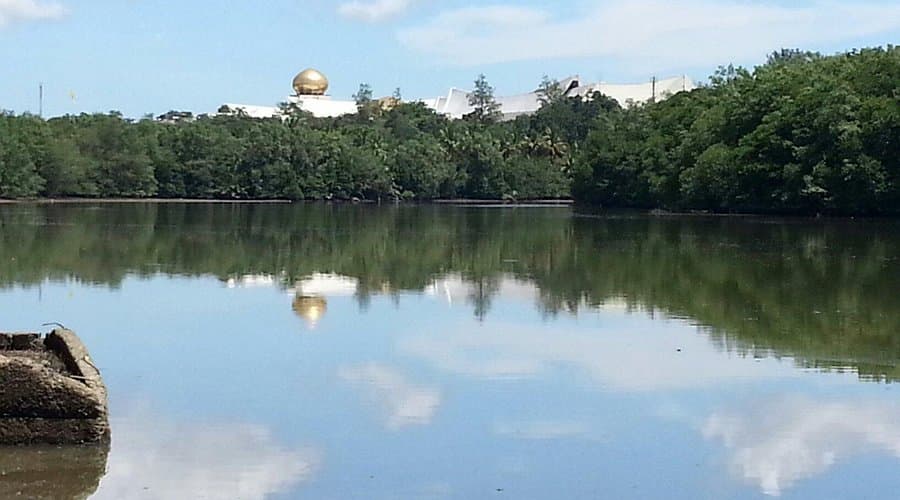
If you need a break from the food, Tutong offers green spaces that are surprisingly serene. While Taman Persiaran Damuan is located in the capital, Tutong has its own waterfront charm along the Tutong River. The river is wide and calm, reflecting the sky in a way that makes you forget you are in a tropical country with a reputation for rain. The riverside areas are well-maintained, with benches and shaded areas that provide relief from the midday sun. It is not a place for adventure, but for reflection.
For something more rugged, head to Bukit Subok Forest Reserve Recreational Park. Located in the Tutong River area, it offers a chance to escape the town center and immerse yourself in the rainforest. The trails are not overly difficult, but the humidity is relentless. Bring water, wear light clothing, and be prepared for insects. The view from the top offers a profound silence. It is a reminder that Brunei is still largely untouched by the kind of development that has swallowed other parts of Southeast Asia.
Getting Around
Forget trains. Tutong lacks active passenger rail service. A Royal Dutch Shell railway connected the Seria refinery in the 1930s, but it is a historical footnote, not a travel option. The proposed Trans-Borneo Railway may one day make Tutong a central hub, but that is a future promise, not a present reality.
Your best bet is a car or a bus. Tutong is located on the main road between Bandar Seri Begawan and Belait, making it easy to reach by road. If you are driving, the roads are well-paved and signs are clear. If you are taking a bus, expect a slower pace and fewer stops. Taxis are available but can be expensive, so negotiate the fare before you get in. Walking is an option in the town center, but the heat will test your resolve.
When to Go and Who It’s For
The best time to visit Tutong is during the dry season, from March to October. June, July, and August are particularly good months, with less rain and more comfortable humidity levels. The wet season, from November to February, brings heavy downpours that can disrupt travel plans and make outdoor activities less enjoyable.
Be aware of local holidays. Major holidays often fall in July or August, including the Sultan's Birthday. Check the Islamic calendar for annual dates like Prophet's Birthday, which can shift each year. These are significant public holidays, and you can expect higher demand for accommodation, surge pricing, and crowded streets. Book early if you plan to be in Tutong around these dates. Christmas Day and Christmas Day (observed) in December are less impactful for local travel but may see an increase in international tourists.
Tutong suits the slow traveler. It is a place for foodies, and for those who appreciate quiet moments. It is suitable for families, solo travelers, and couples who do not mind a lack of nightlife. Two days are enough to see the main attractions and eat the essential dishes, but a week allows you to truly settle into the rhythm of the town.
FAQ
Do I need a visa for Brunei? Most tourists from Western countries do not need a visa for short stays (up to 14–90 days, depending on nationality). Check the latest requirements with the Brunei Immigration Department before you travel.
What currency should I use? The Brunei Dollar (BND) is the local currency. It is pegged at par with the Singapore Dollar (SGD), which is also widely accepted. Credit cards are accepted in hotels and larger restaurants, but cash is king in markets and small eateries.
Is it safe to travel in Tutong? Yes. Brunei is one of the safest countries in Southeast Asia. Crime rates are low, and locals are generally welcoming. Standard precautions apply: watch your belongings in crowded markets and respect local customs and dress codes.