In Tulare, California, coffee is a pause in the agricultural heat. Find the specific shops on Mooney Blvd where the ritual matters more than the rush.
The Landscape of Stillness
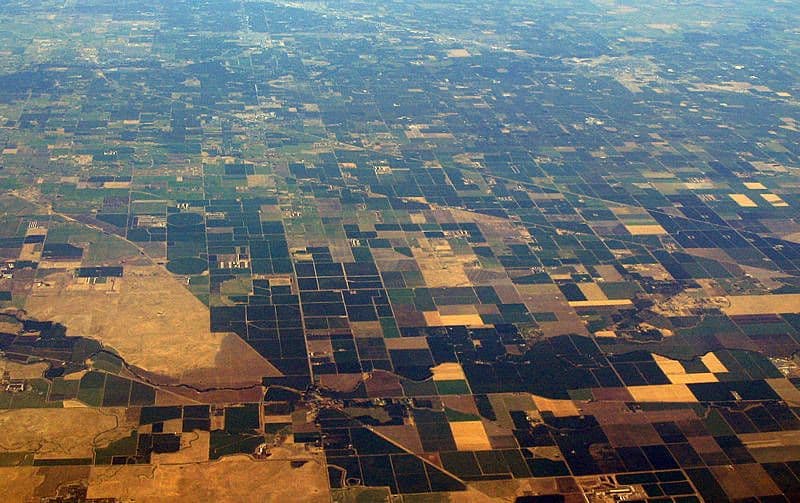
Tulare sits in the flat expanse of the Central Valley, a place defined by the relentless geometry of farmland stretching to the horizon. There are no mountain peaks to break the line of sight, only the slow, heavy air of a region that works the earth. Coffee here does not compete with the noise of a metropolis. It exists in the spaces between the fields and the main roads. The town’s pulse is steady, dictated by the seasons of harvest and the long, dry afternoons. When you step into a local café, you are entering a convergence point where people engage with the day against its monotony. The silence outside carries the weight of a place that has been settled, worked, and left to its own quiet rhythm. The coffee is the only variable in an otherwise fixed equation.
The Human Bean and the Specifics
The Human Bean at 942 S Mooney Blvd is a fixture in the local landscape. It is a chain, yes, but in Tulare, it serves a specific function: it provides a predictable anchor in a town where independent institutions are sparse. The interior is functional, a holding space for travelers seeking a moment of quiet control. You order, you wait, you consume. The menu offers the standard fare, but the execution here is consistent with the region’s preference for reliability over novelty. Reviewers have noted an iced caramel hazelnut mocha, a drink that leans into the sweet, creamy profile favored in the valley. There is also a peach-raspberry iced tea, a beverage that speaks to the local agricultural identity, where fruit is abundant and processed into every possible form. The coffee itself is a commodity. The value lies in the air conditioning and the seat. It is a place to sit and watch the traffic on Mooney Blvd, a road that carries the weight of the county’s movement.
Vali Coffee and the Independent Thread
Vali Coffee represents the other end of the spectrum. It is a smaller operation, a thread in the fabric of the town’s daily life. Independent shops in Tulare are rare, which makes their presence significant. These establishments serve as declarations of intent within the community. The space is likely smaller, the menu more focused. The coffee here is the subject, distinct from any backdrop for a meal or a meeting. The tension in the air is different. It is the tension of a craft being applied to a simple bean. You do not know the exact price or the specific blend without walking in, but the act of visiting is a test of commitment. It is a place where the rules of the town are slightly different. The silence is less heavy, the conversation more localized. It is a convergence point where the regulars know each other, and the stranger is observed with a quiet, measured curiosity.
The Broader Scene
Tulare is listed among coffee houses on broader regional directories, acknowledging that the town has a scene, however modest. It is not a destination for the coffee purist seeking a rare single-origin pour-over in a historic building. There are no such landmarks confirmed in the current data. The scene is practical. It is about the availability of caffeine in a town that runs on long hours and physical labor. The coffee shops are scattered, not clustered in a downtown district. You find them along the main commercial strips, where the road widens and the speed limit drops. The experience centers on the function of the drink rather than the aesthetic of the cup. It is fuel. It is a break. It is the only moment in the day where the pressure of the work can be set aside, if only for twenty minutes.
Practical Realities
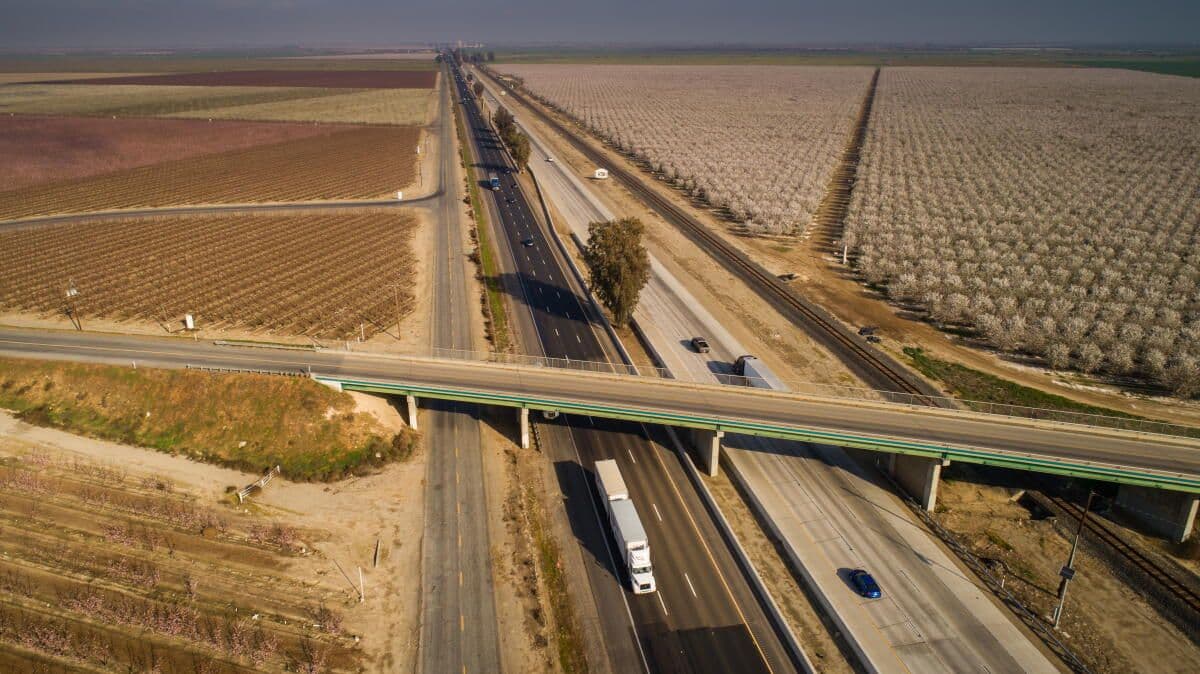
There are no specific fare structures or transit times confirmed for reaching these shops, as Tulare is a car-centric town. The nearest major city, Visalia, is a short drive away, but the local economy operates independently. Prices for a coffee typically range from $3 to $5, depending on the size and the shop. You do not need to book ahead. You walk in. You pay. You drink. The timing is flexible, but the best time to experience the true atmosphere is during the mid-morning lull, after the rush of the early workers has passed and before the afternoon heat sets in. The air is thick, the light is harsh, and the coffee is cold. This is the reality of the place. It does not change for the visitor. It remains what it is: a quiet, flat, working town where the coffee is a small, necessary pause.
When to Go
The autumn season is the most stable period for visiting Tulare. The heat of summer has broken, and the winter rains have not yet begun. Columbus Day in October 2026 will bring a minor spike in local activity, but it is not a major tourist event. The town does not swell with crowds. Veterans Day and Thanksgiving later in the year may see slightly higher demand for local dining, but the coffee shops remain accessible. The best time to visit is not dictated by holidays, but by the weather. Aim for the shoulder months of October or April. The light is softer, the air is clearer, and the fields are in a state of transition. It is a time for slow travel. Stay for a few days. Walk the streets. Sit in the coffee shops. Watch the world go by. The town does not demand your attention. It waits for you to notice it.