Swap the capital’s bustle for Tutong’s slow pace. Enjoy private car hires, fresh Ambuyat, and the quiet luxury of Brunei’s agricultural heartland.
The Quiet Luxury of Tutong
Travelling in style in Brunei does not always mean five-star resorts or concierge services. In Tutong, it means space, silence, and autonomy. The district, Brunei’s agricultural backbone, offers a different rhythm than the capital. Here, luxury is defined by the ability to drive down the Pan Borneo Highway without traffic, to stop at a roadside farm for fresh fruit, and to enjoy a meal where the ingredients were harvested hours earlier. The air in Tutong carries the distinct, earthy scent of wet rice paddies and tropical foliage, a sensory reminder that you are in the country’s breadbasket.
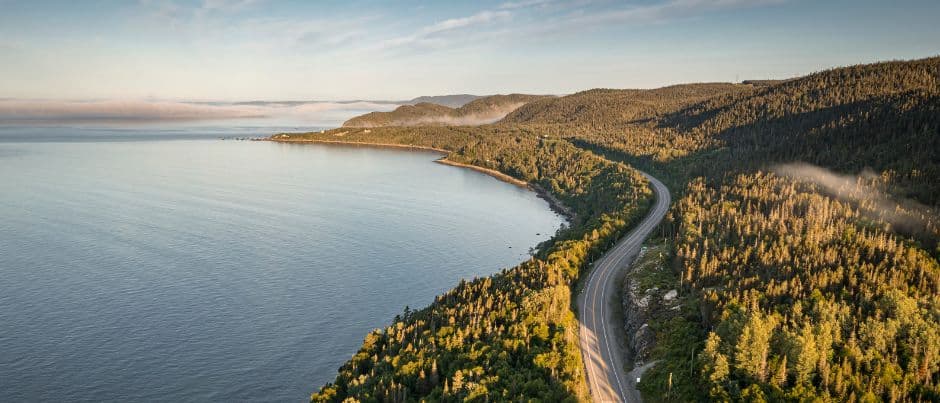
The journey from Bandar Seri Begawan to Tutong town takes approximately 45 to 60 minutes by car. This short drive marks a transition from urban infrastructure to a landscape dominated by greenery. The Pan Borneo Highway is well-maintained, allowing for a smooth, comfortable ride that sets the tone for a relaxed itinerary. Brunei does not have an operational passenger railway network, so the private vehicle serves as the primary vessel for exploring the district. For the style-conscious traveler, this means curating your own route, stopping where you wish, and avoiding the rigid schedules of public transit, which is limited in this region.
Where to Stay and Move
Accommodation options in Tutong are modest compared to the capital, but the experience of staying here is defined by proximity to nature and convenience. Most visitors opt for hotel rooms in Tutong town or choose to stay in the capital and day-trip here. However, for those seeking immersion, local guesthouses or smaller hotels in the town center offer a quiet base. Prices for basic accommodations are reasonable, often ranging from BND 50 to BND 100 per night, providing clean, comfortable spaces with air conditioning—a necessity in the tropical heat.
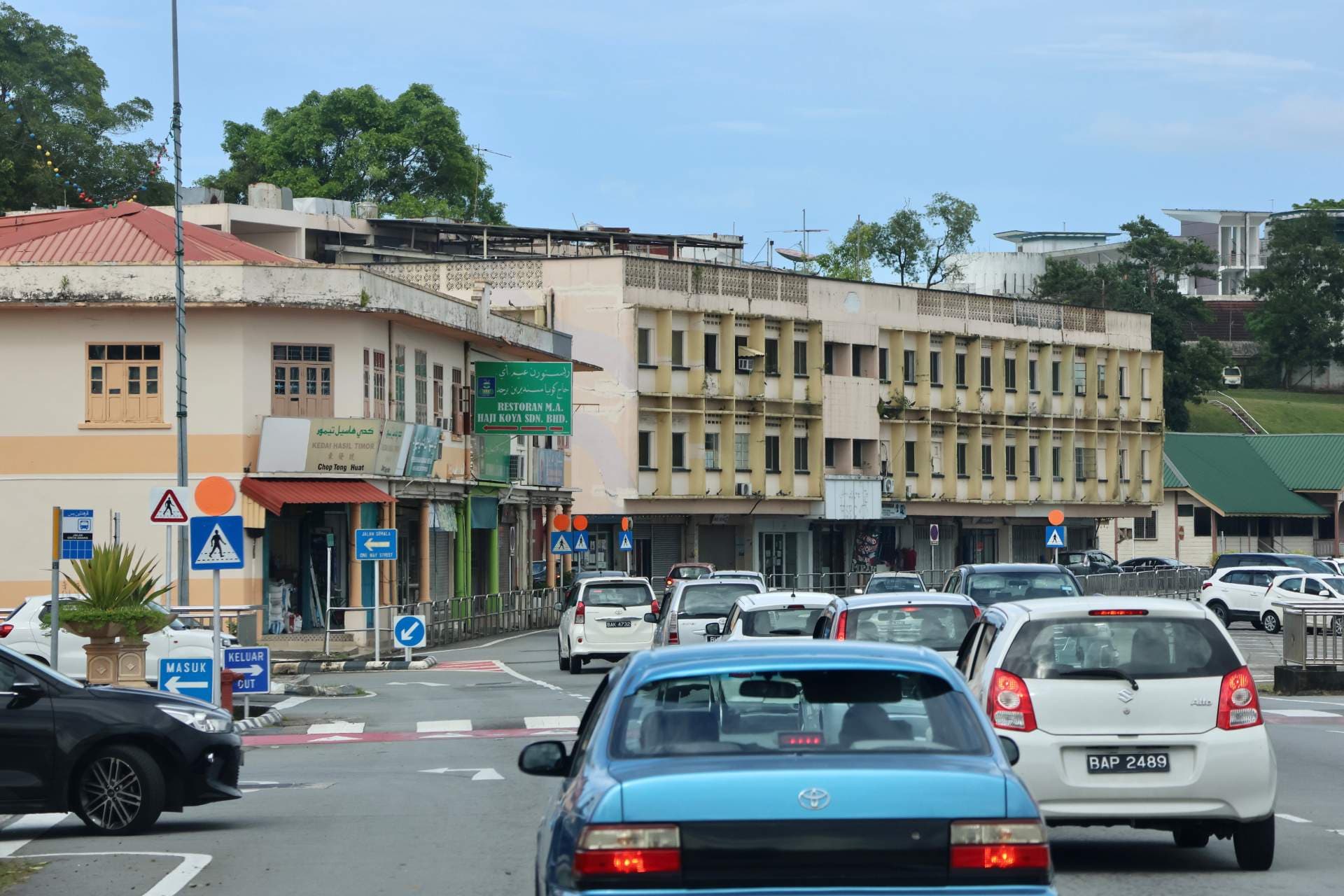
Transportation is the key to unlocking Tutong’s style. With public transport options being sparse, renting a car or hiring a taxi is the standard approach. A basic sedan rental costs approximately USD 20–30 per day (roughly BND 27–40). This investment buys you freedom. You can drive to the Tutong River, explore the surrounding paddy fields, and return to town for dinner at your own pace. If you prefer not to drive, taxis are available, though pre-booking is advisable for early morning or late evening trips. The roads are clear, and parking is generally easy to find in Tutong town, adding to the stress-free nature of the visit.
Culinary Sophistication
Food in Tutong is an exercise in freshness. The district’s reputation as the agricultural heart of Brunei means that markets and restaurants source produce locally. The highlight of any culinary tour here is Ambuyat, Brunei’s national dish. Made from the starchy interior of the sago palm, Ambuyat is served in a clay pot with various accompaniments. Eating it requires a bamboo fork called a chandas, which you use to wrap a small amount of the sticky starch before dipping it into sauces. It is a tactile, communal dining experience that feels both ancient and intimate.
For those seeking spice, Kuay Tiaw (spicy noodles) is a local favorite. The restaurant Food O’Clock in Tutong is noted for its satisfying spice levels, offering a robust flavor profile that appeals to those who enjoy a kick. The noodles are stir-fried with vegetables and protein, creating a hearty meal that is both affordable and delicious. For a more traditional experience, visit the Tutong Market (Tamu Tutong). Here, you can find Daging Salai (smoked beef) and Daging Lalap (raw-spiced beef). These dishes are staples of local cuisine, offering smoky and pungent flavors that reflect the region’s culinary heritage. Eating at the market allows you to sample these dishes alongside other local vendors, creating a vibrant, authentic atmosphere.
Landmarks and Nature
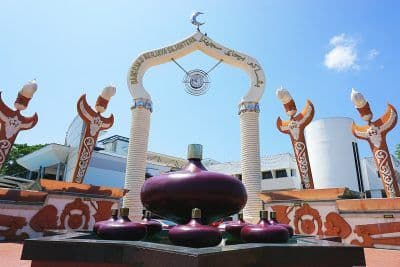
Tutong’s landmarks are understated but significant. The Mercu Tanda Kenangan, or The Keris Monument, stands as a prominent point of interest in Tutong town. The Keris, a traditional dagger, is a symbol of Malay heritage and authority. The monument serves as a reminder of the district’s cultural roots and provides a photogenic spot for visitors. It is a place to pause and reflect on the history of the region, offering a contrast to the natural landscapes that surround it.
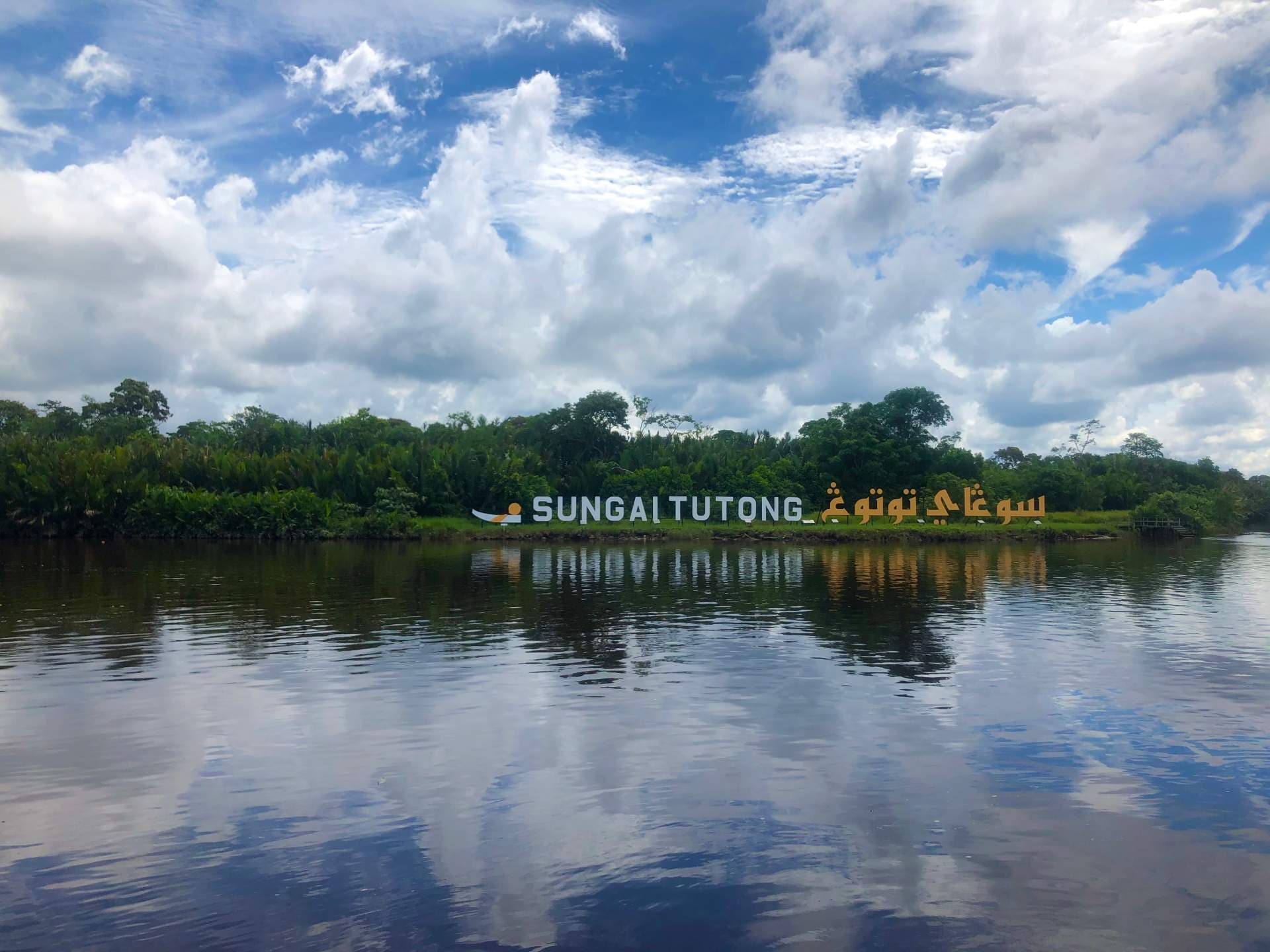
The Tutong River is the lifeblood of the district. Flowing approximately 137 km from the highlands to the South China Sea, the river shapes the landscape and supports the local ecosystem. Driving along the riverbanks offers scenic views of the waterway and the surrounding greenery. It is a place to appreciate the natural beauty of Brunei, away from the crowds of more popular tourist destinations. The river also plays a crucial role in the district’s agriculture, providing water for the extensive rice paddies and farms that define Tutong’s identity.
Practical Details for a Smooth Trip
Planning a trip to Tutong requires attention to a few practical details. The currency is the Brunei Dollar (BND), which is pegged at par with the Singapore Dollar. Credit cards are accepted in larger establishments, such as hotels and some restaurants, but cash is advisable for smaller vendors, markets, and rural areas. It is wise to carry sufficient cash for your stay, as ATMs may be limited outside of Tutong town.
The best time to visit Tutong is during the drier months, generally from March to October. This period offers more comfortable conditions for outdoor exploration, such as driving along the river or visiting the paddy fields. However, Brunei’s tropical climate means that rain can occur at any time, so packing light, breathable clothing and a rain jacket is essential. The humidity is high year-round, so staying hydrated is key.
When to go: The next major holiday is Prophet’s Birthday (estimated) on 2026-08-25, which is approximately five weeks away. Expect higher demand and potential crowding during this period, so booking accommodations and transport early is advisable. Other upcoming holidays include Christmas Day (2026-12-25) and New Year’s Day (2027-01-01), which may see increased tourist activity. For a quieter experience, consider visiting in the off-peak months, though the weather may be less predictable.
FAQ
Is it safe to travel alone in Tutong? Yes, Brunei is known for its low crime rate and safe environment. Tutong is no exception, and solo travelers can explore the district with confidence. Standard precautions, such as securing your belongings and being aware of your surroundings, are always recommended.
What is the best way to get from Bandar Seri Begawan to Tutong? The most convenient option is by private car or taxi. The drive takes approximately 45–60 minutes via the Pan Borneo Highway. Public transport is limited, so renting a car or hiring a taxi is the preferred method for visitors seeking flexibility and comfort.
Do I need a visa to visit Tutong? Visa requirements depend on your nationality. Many countries enjoy visa-free entry to Brunei for short stays. Check the latest visa regulations with the Brunei immigration authorities or your nearest embassy before traveling to ensure you have the necessary documentation.