Secure coverage for desert evacuation and archaeological site risks in Milehah, Sharjah.
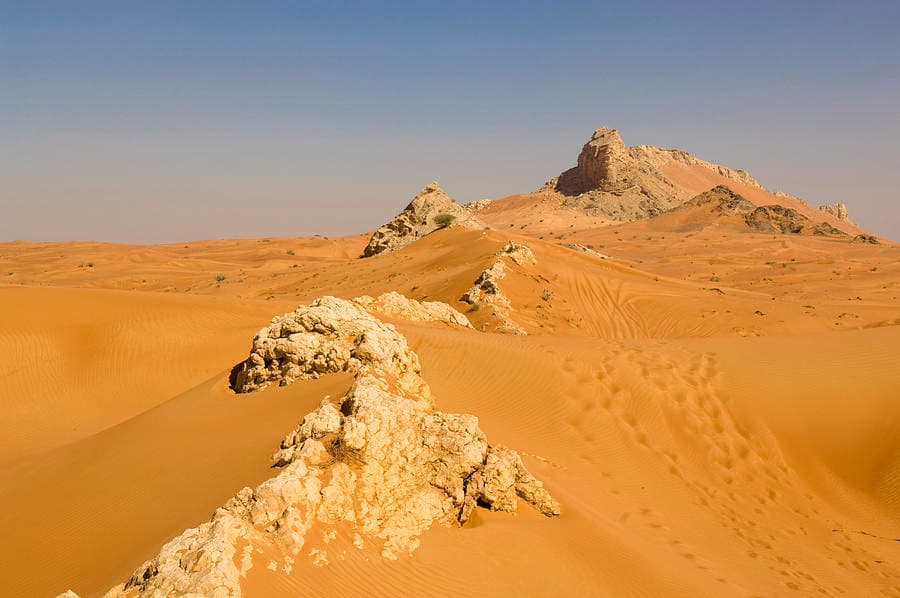
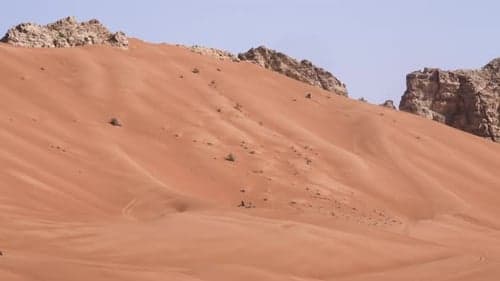
The heat in Milehah does not ask for permission. It settles over the sand dunes and mountain slopes of the Emirate of Sharjah with a weight that feels physical, pressing against the lungs. This is a place where the landscape dictates the terms of engagement. You do not conquer Milehah; you endure it, or you leave. For the traveler planning a visit to this remote outpost, roughly 2 kilometers south of Dhaid, the most critical preparation is a policy. Travel insurance here serves as the barrier between a minor inconvenience and a catastrophic financial event when the desert decides to test you.
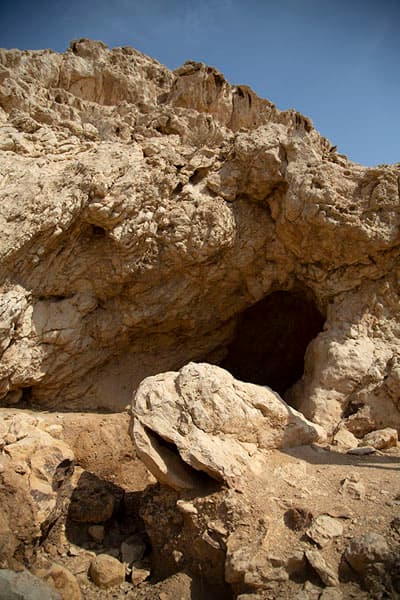
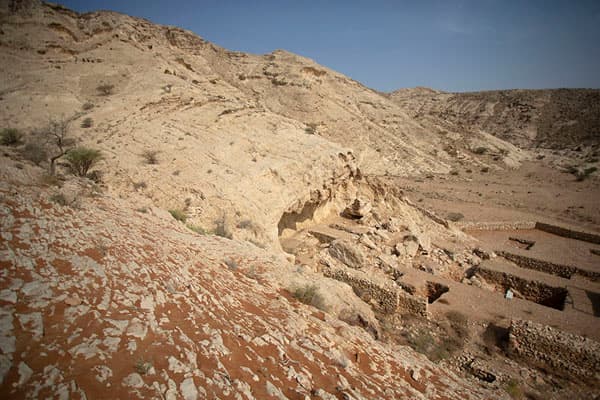
Milehah, often referred to as Mleiha, is a town of approximately 4,700 people, defined by its silence and its history. The Mleiha Archaeological Centre dominates the local narrative, offering ruins, graves, and caves that stretch from the Neolithic period to pre-Islamic Arabia. The site consists of exposed stone and earth, baked by the sun. The terrain is uneven, the footing is loose, and the shade is scarce. When you step onto this ground, you are entering an environment that is indifferent to your comfort. Your insurance must reflect that indifference.
The Desert Reality
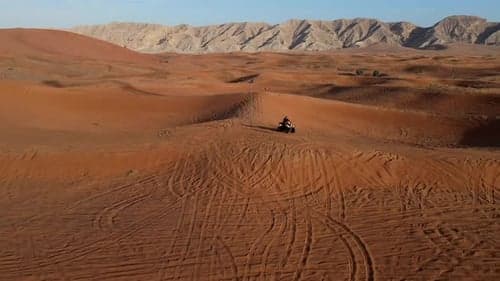
Most standard travel policies are written for cities. They assume pavement, hospitals within twenty minutes, and taxis that arrive on demand. Milehah offers none of these guarantees. The town is accessible via an easy drive east from Dubai, but once you arrive, you are isolated by design. The primary mode of transport is the private vehicle. There is no rail service. There are no buses rattling through the archaeological site. You are on your own, surrounded by sand dunes and mountain slopes that look identical from every angle.
This isolation creates a specific risk profile. A twisted ankle in downtown Dubai is a nuisance. A twisted ankle in the Mleiha Archaeological Centre is a logistical crisis. The nearest major medical facilities are in Sharjah or Dubai, a significant drive away. If your vehicle breaks down, or if you suffer a heat-related illness, the cost of extraction can escalate rapidly. You need a policy that explicitly covers medical evacuation in remote areas. Do not assume "medical expenses" covers a helicopter ride or a specialized ambulance from the desert fringe. Read the fine print. If the policy does not mention remote evacuation, it is not a policy for Milehah.
Archaeological Risks
The Mleiha Archaeological Centre is a convergence point where people gamble with chance. The site features ancient ruins and caves that have stood for millennia. They are stable, but they are not built for modern tourists. The paths are uneven. The stones are sharp. The sun is unforgiving. Visitors often underestimate the physical demand of walking through these pre-Islamic remnants.
Your insurance must cover outdoor activities. Many standard policies exclude "adventure" sports, but in Milehah, walking through an archaeological site can be classified as such due to the terrain. Ensure your coverage includes general outdoor activities and accidental injury. If you plan to explore the caves or climb over the ruins, you need protection for falls and fractures. The desert does not care about your fitness level. It only cares about your gravity.
Practical Coverage Details
When selecting a provider, look for three specific inclusions. First, emergency medical evacuation. This is non-negotiable. The distance to major hubs is short on a map, but long in reality when time is critical. Second, trip cancellation or interruption. Weather in the UAE can be unpredictable. Sandstorms can close roads. If you are stranded in Dhaid because the winds have picked up, your insurance should cover the extended accommodation and meals. Third, personal liability. If you damage a vehicle while navigating the rough access roads to the archaeological site, or if you accidentally damage an artifact (however unlikely), you need coverage.
Prices for comprehensive travel insurance vary, but expect to pay a premium for policies that include high-limit medical evacuation. Do not skimp on this. The cost of a private transfer from Milehah to a hospital in Sharjah can exceed the cost of the policy itself. Treat the insurance premium as a tax on your safety. It is a small price to pay for the certainty that you will not be left stranded in the heat.
When to Go
The timing of your visit is dictated by the sun. The cooler months, from November to March, are the only sensible window for visiting the Mleiha Archaeological Centre. During the summer, the heat is oppressive, and the risk of heatstroke rises sharply. If you must travel in the summer, your insurance needs to be even more robust. The body breaks down faster in the heat.
Upcoming holidays in the UAE can affect availability and prices. The Islamic New Year is estimated for June 16, 2026. Prophet's Birthday is estimated for August 25, 2026. National Day falls on December 2 and 3, 2026. These dates bring increased domestic travel. If you are visiting during these periods, book your accommodation and transport early. The roads out of Dubai will be busy. The desert will be crowded with families seeking refuge in the archaeological sites. Your insurance should cover delays caused by holiday traffic.
Who It Is For
Milehah suits those who understand the value of silence and the weight of history. It is for solo travelers who are comfortable with isolation. It is for families who want to show their children that the past is not just a book, but a place. It is not for those who require constant entertainment or easy access to amenities.
If you are a slow traveler, Milehah rewards you. Take your time. Walk through the ruins. Listen to the wind. But do not let the tranquility fool you. The desert is still. It is waiting. Ensure your insurance is in place before you go. It is the only way to ensure that your visit ends the way it began: with control, or at least, with the illusion of it.
FAQ
Do I need a visa for Milehah? Milehah is in the United Arab Emirates. Visa requirements depend on your nationality. Most visitors require a visa, which can often be obtained on arrival or electronically. Check the official UAE government website for the latest rules.
Is Milehah safe? The UAE is one of the safest countries in the world. Crime is low. The primary risks in Milehah are environmental: heat, dehydration, and rough terrain. Respect the landscape, and you will be safe.
Can I drive from Dubai to Milehah? Yes. It is an easy drive east from Dubai, roughly 1.5 to 2 hours depending on traffic. The roads are well-maintained, but the final approach to the archaeological site may be rough. Ensure your vehicle is in good condition.