Skip the synthetic thrill rides. Peradeniya offers 147 acres of curated nature, 4,000 plant species, and efficient rail access to Kandy.
The Audit of Amusement
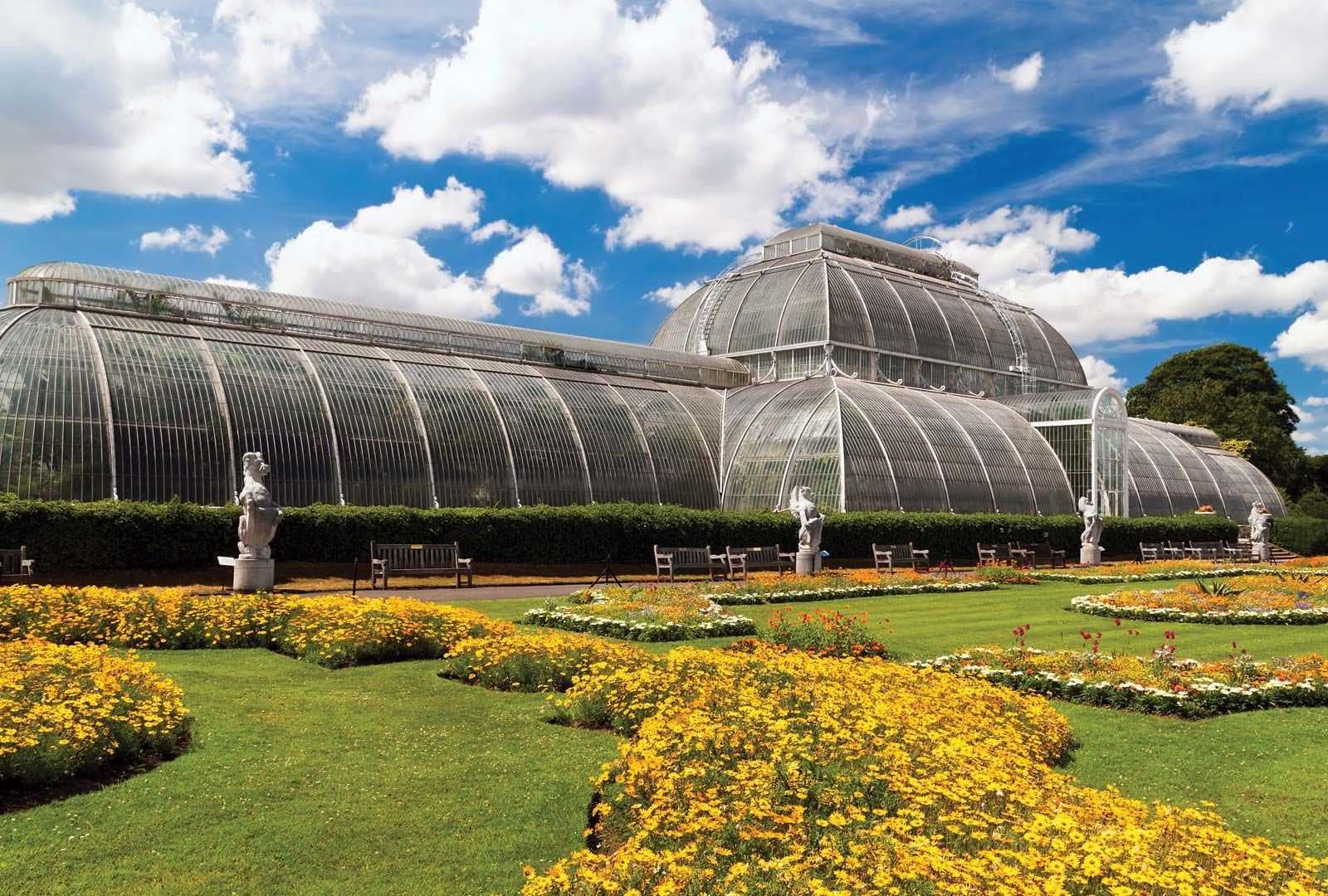
Most travelers seek a theme park in Peradeniya, Sri Lanka, expecting roller coasters and ticketed spectacles. The premise is flawed. There is no Six Flags here, no Luna Park equivalent. What exists is the Royal Botanic Gardens, a 147-acre (60-hectare) estate that functions as a living laboratory of flora rather than a mechanical playground. It is a correction to the modern desire for high-speed stimulation. Instead of adrenaline, the visitor receives oxygen, shade, and taxonomic order.
The gardens sit approximately 5.5 km west of Kandy, positioned along the Mahaweli River. The elevation is roughly 1,600 feet above sea level. This altitude dictates the climate: cool enough to walk for hours without the oppressive heat found in the lowlands, humid enough to keep the foliage dense and green. The site contains over 4,000 plant species. Among them, the orchid collection serves as the primary draw. These specimens form the centerpiece, arranged with the precision of a financial ledger. Every bulb is accounted for. Every bloom is timed.
Landscape Efficiency
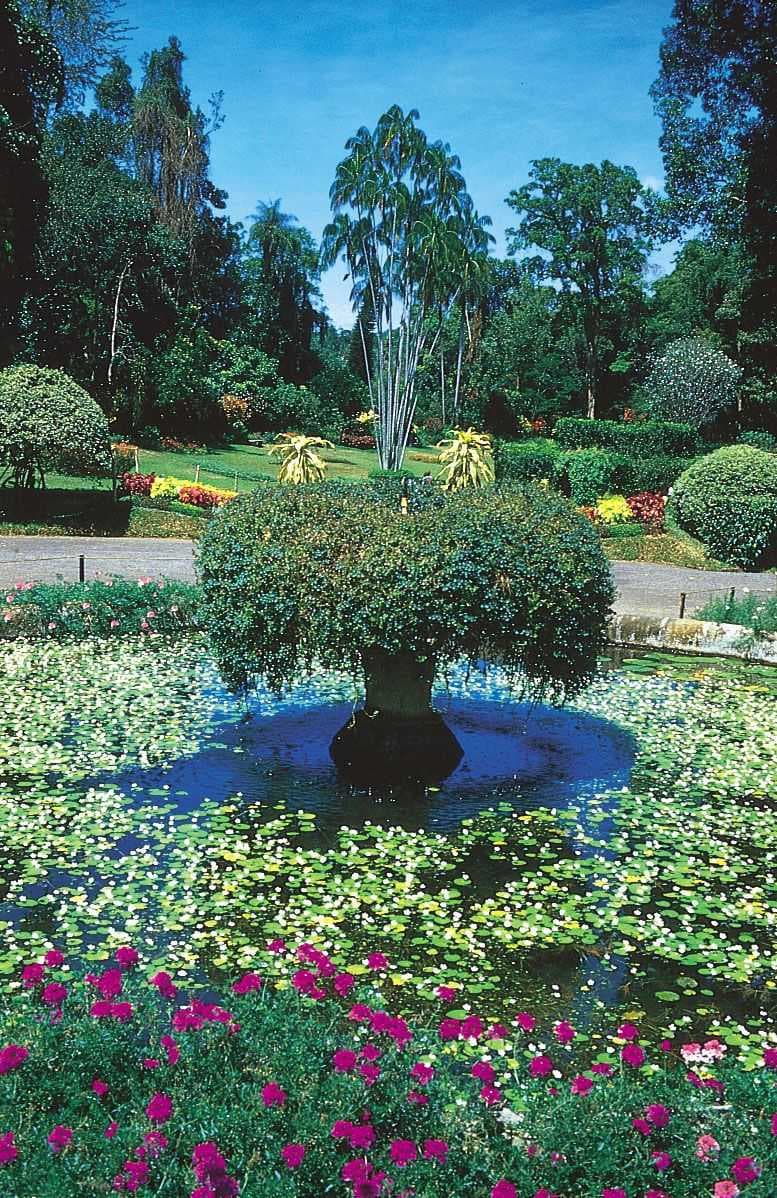
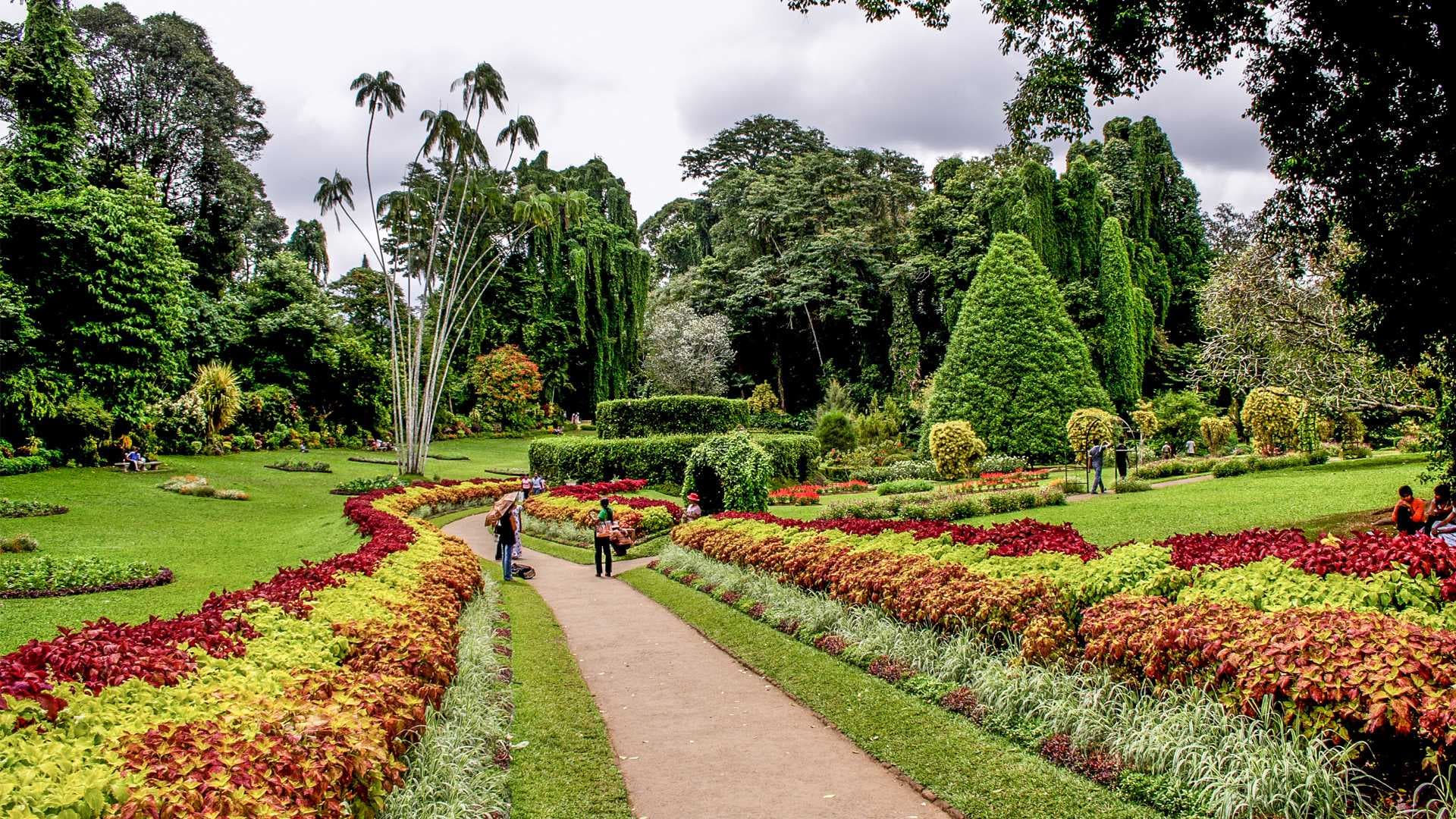
The layout of the Royal Botanic Gardens is designed for flow, not confusion. Unlike many urban parks that rely on organic, chaotic growth, Peradeniya’s paths are engineered for efficient circulation. You move from the entrance gates toward the central lawns, then branch out to the specialized zones. The grass is manicured to a uniform height. The trees are pruned to allow light penetration without creating glare.
Walking the perimeter reveals the proximity to the water. The Mahaweli River runs close to the estate, providing a natural acoustic backdrop that replaces the sound systems of commercial parks. The water serves strictly for observation. The banks are lined with native vegetation, creating a barrier between the cultivated interior and the wild exterior. This separation is intentional. It preserves the integrity of the collection while offering a glimpse of the riverine ecosystem.
The light in the mid-afternoon is particularly effective. Sunlight filters through the canopy of the tall trees, casting dappled shadows on the gravel paths. This creates a visual rhythm that is easier on the eyes than the stark, unshaded plazas of typical tourist traps. The air quality is superior to the city center. You breathe deeper here. The humidity is present, but the wind generated by the open spaces prevents it from becoming stifling.
Transit Infrastructure
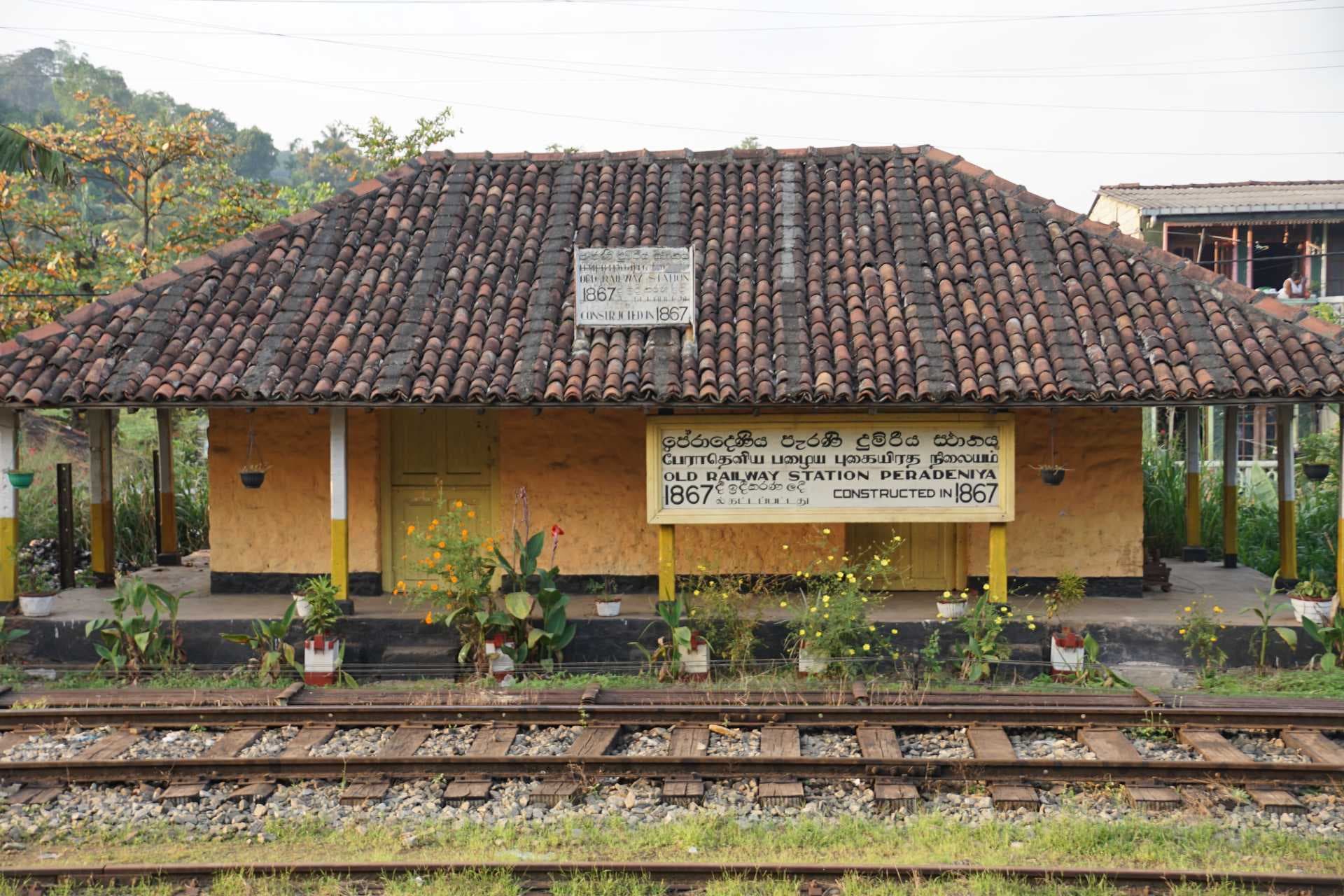
Access to Peradeniya is defined by the railway. The Peradeniya Junction Station serves as the primary rail node for the area. Trains arriving on the Colombo Fort-Kandy Line stop here before switching tracks toward Badulla. This junction status makes it a critical point in the Sri Lankan rail network. For the visitor, this means direct connectivity to both the capital and the hill capital without requiring a car rental for the short hop into town.
The journey from Colombo to Kandy is a standard commuter route, but the segment ending at Peradeniya offers a different perspective. As the train approaches the junction, the landscape opens up. The Mahaweli River comes into view, spanning the valley. The Peradeniya Railway Bridge, which crosses this stretch of the river, is a historic structure. However, current reports indicate that renovation works are stalled due to disputes regarding the Kandy City Plan. This delay affects the aesthetic continuity of the rail journey. The bridge remains functional for train traffic, but the lack of completed maintenance projects is a visible flaw in the infrastructure audit.
For those arriving by road, the distance from Kandy is short. Five and a half kilometers is a manageable taxi ride or a brisk walk if you are staying in the immediate vicinity. The roads are well-paved, though traffic can be congested during peak hours. The railway remains the more disciplined option. It is punctual, affordable, and removes the stress of navigating unfamiliar streets.
Visitor Metrics
The scale of operations at Peradeniya is substantial. Data from 2016 indicates the gardens received 1.2 million local visitors and 400,000 foreign tourists in a single year. This volume suggests a high-capacity facility. The infrastructure must handle thousands of footfalls daily. The pathways are wide enough to accommodate groups without creating bottlenecks. Rest areas are spaced regularly throughout the estate, allowing visitors to pause without disrupting the flow of others.
The presence of Peradeniya University in the nearby area adds a layer of academic legitimacy to the site. The university’s proximity ensures a steady stream of local scholars and students who maintain the scientific rigor of the collection. The site functions as a hub for active research alongside leisure. The distinction matters. It explains the depth of the information available at the various display points. The labels are accurate. The classifications are current. The environment is managed with a level of care that commercial theme parks rarely achieve.
Practical Logistics
Entry fees and specific operating hours vary by season and visitor type. While specific figures for 2026 are not uniformly published in accessible snippets, the general consensus is that admission is modest compared to international theme park standards. Visitors should expect to pay a small fee for entry, which covers the maintenance of the grounds. Photography is generally permitted, though commercial shoots may require prior approval.
Timing is crucial. The gardens are most comfortable in the early morning or late afternoon. Midday heat, even at 1,600 feet, can be intense. The sun is direct, and the shade, while plentiful, does not always reach the main walking paths. Hydration is essential. Bring water. The humidity will dehydrate you faster than you anticipate.
There are no specific culinary attractions unique to Peradeniya distinct from the broader Kandy region. You will find general Sri Lankan fare in the surrounding towns. Do not expect themed dining experiences. The focus is on the visual and botanical, not the gustatory. Plan your meals in Kandy or Colombo, where the variety is greater.
Seasonal Context
The best time to visit Peradeniya aligns with the dry seasons in the hill country. Typically, these periods offer clearer skies and less rainfall, making the walks more predictable. The summer months, such as the current period in August, can be mixed. Afternoon showers are common. They are usually brief but can disrupt a full-day itinerary. Carry a compact umbrella.
There are no major national holidays scheduled for the next six months that would cause significant crowd surges in Peradeniya specifically. However, the general tourism season in Sri Lanka remains active. Weekends see higher volumes of local families visiting the gardens. If you prefer solitude, aim for a Tuesday or Wednesday. The quiet allows for a more focused inspection of the plant collections.
This destination suits travelers who value order, nature, and efficiency over thrills. It caters to those who appreciate the quiet discipline of a well-managed ecosystem. Allow at least half a day for a thorough walk. Rushing undermines the purpose. The value lies in the pace.
Frequently Asked Questions
Is there a true theme park in Peradeniya? No. The primary attraction is the Royal Botanic Gardens. It is a nature site, not an amusement park. Do not expect rides or interactive digital exhibits.
How do I get from Kandy to Peradeniya? Take a train from Kandy to Peradeniya Junction Station. The ride is short. Alternatively, a taxi covers the 5.5 km distance in minutes, depending on traffic.
What should I bring? Wear closed-toe shoes for walking on gravel and dirt paths. Bring water and a rain jacket. The climate is humid, and sudden showers are possible.