In Paktia Province, the cup is the meeting place. Learn how green tea, sugar, and hospitality define daily life in this high-altitude Afghan town.
The Ritual in the High Country
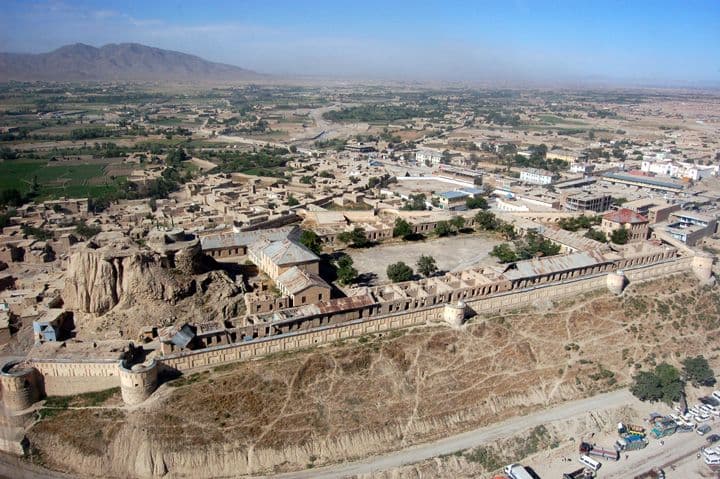
Gardez sits at roughly 1,500 meters elevation in Paktia Province, a landscape of dry valleys and limestone ridges where the air thins and the light stays sharp. Here, tea functions as the operating system of social life. The drink itself is simple—green tea leaves, often of the sabz chai variety common across the region, boiled with water and sweetened with sugar—but the preparation and the setting carry the weight. A visitor arriving in the autumn season, when the highlands cool and the days shorten, will find that almost every interaction, from a quick greeting to a multi-hour negotiation, revolves around the pouring of a small glass of amber liquid. The scent is distinct: a faint, grassy bitterness from the leaves cut by the sweetness of the sugar, a profile that differs sharply from the black teas of the west. This is the default state of being in a household, a shop, or a government office in this part of Afghanistan.
How the Cup Is Poured
The mechanics of serving tea in Gardez follow a traditional logic that visitors should understand before they sit down. The tea is typically brewed in a large pot, often a samovar or a simple clay vessel, and served in small, handleless glasses. The first pour is often the strongest and most concentrated; a local host may discard this initial pour or reserve it for themselves, offering the guest the second or third pour, which is smoother and more balanced. If you are invited into a home, the etiquette is clear: you do not refuse the first cup. To decline outright is a slight. You may drink a small amount and set the glass down, signaling you are full, but the act of accepting the cup is the act of accepting the host’s hospitality. The sugar is usually added to the glass, not the pot, allowing each drinker to adjust the sweetness to their preference. In the autumn months, the heat of the tea becomes a comfort against the cooler evening air, and the glass is held with both hands, a gesture of respect that is subtle but noticeable.
The Social Fabric
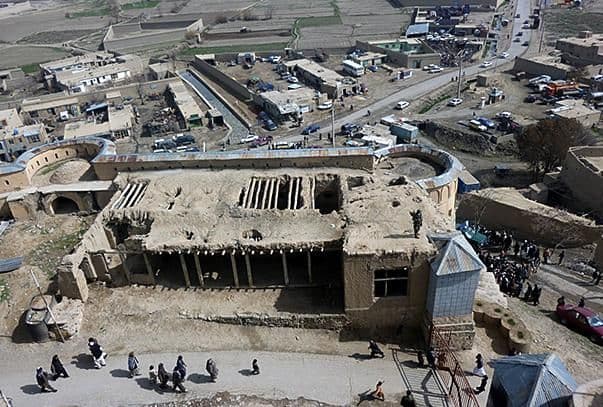
In a place where formal institutions can be fragile, the tea table is the primary site of community. Men gather in chais—tea houses that function as informal clubs—where news is exchanged, disputes are mediated, and friendships are maintained. The conversation is slow. There is no rush to get to the point. A single glass of tea can be accompanied by twenty minutes of talk about weather, family, or politics. For a traveler, this is the most honest way to understand the local rhythm. You are a participant in a social event, not a consumer of a service. The host will ask about your journey, your family, your health. These are genuine inquiries that establish a bond. If you are able to speak even a few words of Pashto or Dari, the conversation deepens. If not, the hospitality remains, but the depth of the exchange is limited. The tea house is a space where status is flattened. A shopkeeper and a government official sit at the same table, drinking the same tea, discussing the same issues. This egalitarian aspect of the ritual is one of its most enduring features.
Practical Considerations
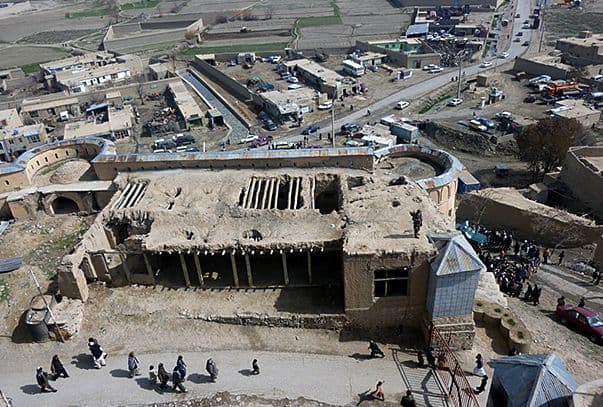
For the traveler planning a visit, understanding the local context is essential. Gardez is a remote destination, and access is limited to those with specific travel permits and security arrangements. The cost of a cup of tea is negligible—often a few Afghanis, a fraction of a cent—but the time invested is the real currency. If you are staying in a guesthouse or hotel, expect tea to be offered at every meal. It is customary to accept. If you are sensitive to caffeine, note that the green tea used here is often strong, and the sugar content can be high. Water is safe to drink if it has been boiled for the tea, but tap water should be avoided. The best time to observe the tea culture is in the late afternoon, when the workday ends and the social hours begin. The light in the valleys turns golden, and the tea houses fill with the sound of conversation and the clink of glass. This is when the town feels most alive, and the ritual feels most authentic.
When to Go
Autumn is the ideal season for visiting Gardez. The summer heat, which can be intense and dry, begins to break in September and October. The days are still long enough for outdoor activities, but the evenings are cool, making the indoor warmth of the tea house more appealing. There are no major public holidays in the immediate future that would significantly impact travel, but local religious observances can affect the opening hours of shops and tea houses. Fridays, in particular, are a day of rest and prayer, and many businesses close early. For the solo traveler or the small group, a stay of three to five days is sufficient to absorb the rhythm of the town. You do not need to rush. The tea culture is slow, and the best way to experience it is to match its pace. Bring a notebook, a camera, and an open mind. Leave your expectations of efficiency at the door.
Frequently Asked Questions
Is it safe to drink tea in Gardez? Yes. Tea is boiled with water, making it one of the safest beverages to consume. Ensure the water used for boiling is from a reliable source, which is standard in most households and tea houses.
What is the best way to accept tea from a host? Accept the glass with your right hand or both hands. Drink a small amount and set the glass down gently. Do not finish the glass unless you intend to have more, as this signals to the host that you are still thirsty.
Can I visit tea houses as a foreigner? Yes, but it is best to enter with a local guide or host. This ensures you are introduced properly and that any cultural misunderstandings are minimized. Your presence will be welcomed, but the social dynamics are complex, and a local intermediary helps navigate them.