Slow down in Catarama, Manabí. A rural town where local agriculture and community rhythms offer a quiet, low-impact way to experience Ecuadorian life.
The road from the coastal plains into Catarama does not rush you. It winds through the humid, green landscape of Manabí Province, a region that feels less like a transit corridor and more like a living filter for the country’s agricultural energy. In Catarama, a town defined by its gentle pace and rural character, sustainable tourism is a byproduct of scale. Here, the impact of the visitor is naturally low, the infrastructure is simple, and the economy relies on the direct exchange between local producers and those willing to sit down and eat with them. For the traveler seeking to minimize their footprint while maximizing cultural connection, this small canton in Manabí offers a compelling case study in quiet travel.
The Landscape of Low Impact
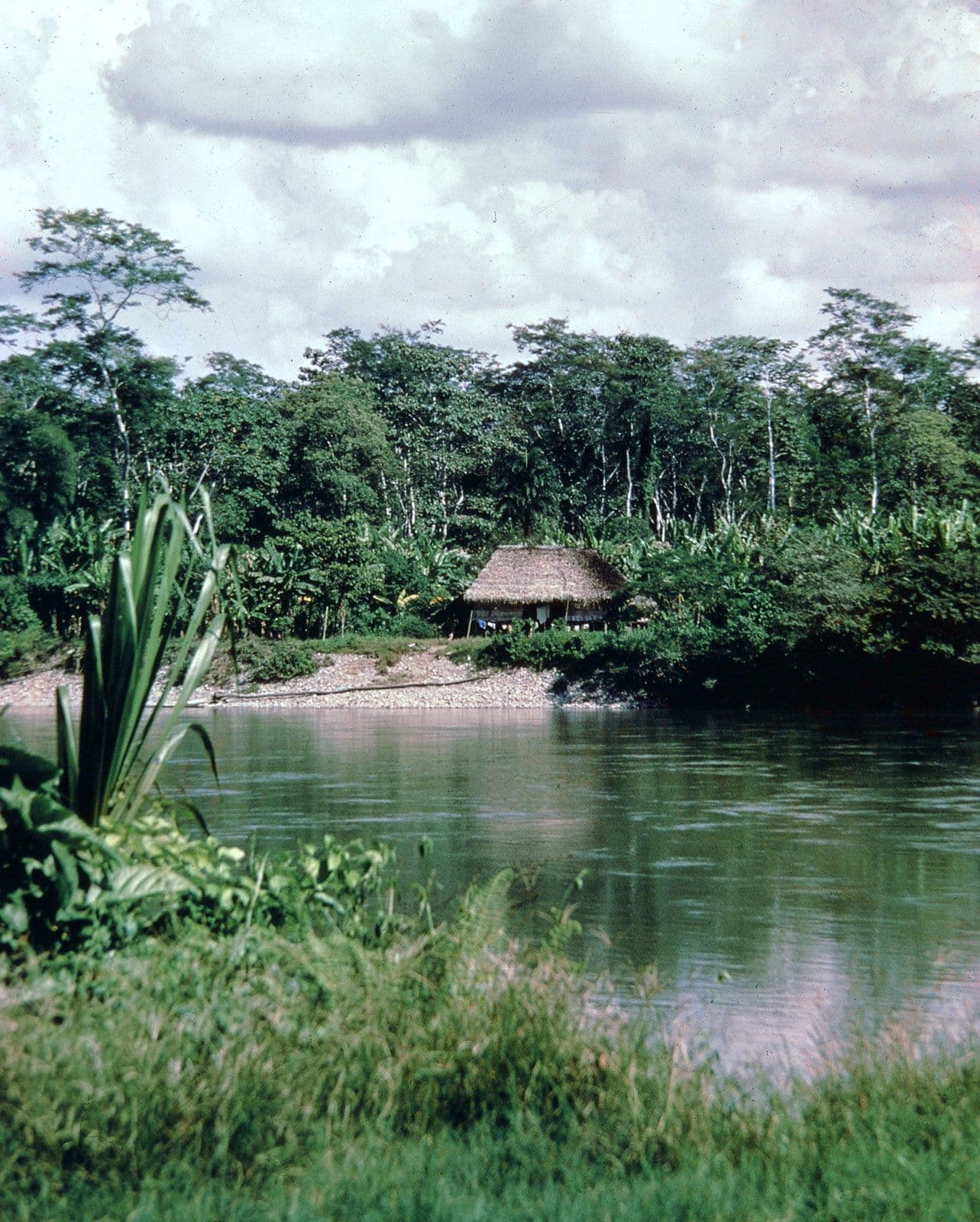
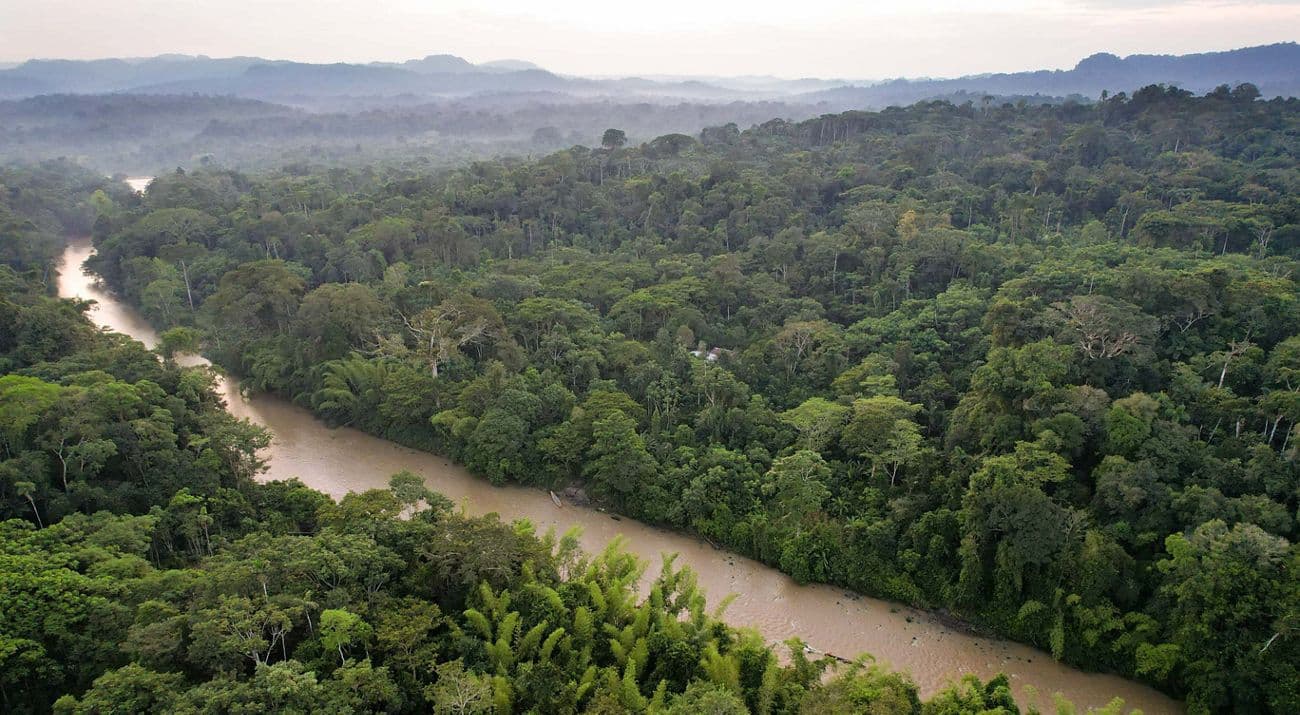
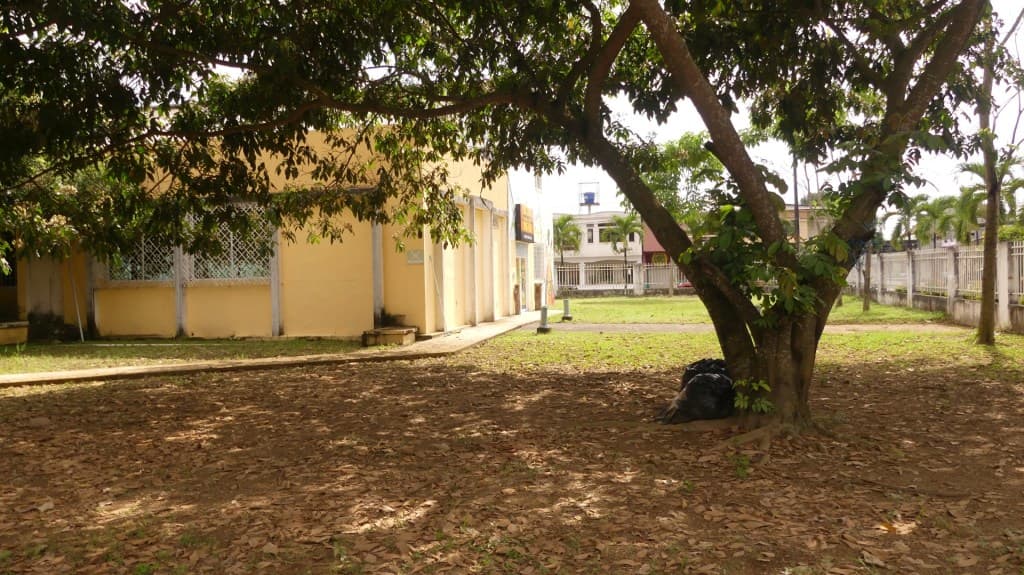
Sustainability in small Ecuadorian towns often begins with geography. Catarama is anchored in the coastal plains of Manabí, a region characterized by its agricultural heritage and proximity to the Pacific basin. The landscape is not a curated tourist attraction with ticketed tours or motorized excursions. It is a working environment and a resource for the community. Walking through the outskirts, the air is thick with the scent of wet earth and tropical vegetation, a sensory reminder of the region’s biodiversity.
The absence of heavy industry or large-scale resort development means the environment remains largely undisturbed. The lush greenery seen in regional descriptions is the result of the abundant rains that fall between December and May. For the conscious traveler, this setting encourages a shift in behavior. There is no pressure to consume rapidly or to check off landmarks. Instead, the landscape invites observation. The light here, filtered through the dense canopy, changes slowly, encouraging longer stays in one spot. This natural deceleration is the first pillar of sustainable travel in Catarama: moving slowly enough to notice the details that high-volume tourism often obscures.
Eating Local, Eating Low-Waste
Food is the most accessible entry point into Catarama’s sustainable economy. The town does not boast a scene of imported ingredients or complex fusion cuisine. Instead, it offers the honest, seasonal produce of the Manabí region. The local markets are the heart of this system. Here, vendors sell fruits, vegetables, and prepared foods that have traveled less than a few kilometers from farm to stall. Shopping in these markets supports the local agricultural cycle directly, bypassing the long supply chains that contribute to carbon emissions and economic leakage.
Two dishes define the local palate and serve as anchors for a low-impact meal. Encebollado, a fish soup that is a staple across Ecuador, is a daily necessity for many locals. It is a simple, nourishing dish of white fish, potatoes, and a heavy topping of raw onions and cilantro, often eaten for breakfast or lunch. It is fresh, local, and requires no elaborate processing. Similarly, Gallo Pinto, the iconic rice and bean mixture, is ubiquitous. In Catarama, it is not just a hotel breakfast item but a community staple, often served in local eateries. These dishes are sustainable by nature: they use locally sourced grains and seafood, they are affordable, and they are deeply tied to the region’s culinary identity. By choosing these meals, travelers support the traditional foodways that have sustained the community for generations.
Getting Around Without the Carbon Footprint
Transportation in Catarama is inherently low-emission, primarily because the town is small enough to be navigated on foot. There are no confirmed railway lines or stations serving Catarama directly; the Empresa de Ferrocarriles Ecuatorianos operates broader networks, but this town remains connected by road. For most visitors, the journey begins with a bus from larger hubs in Manabí or from the provincial capital, Portoviejo. These local buses are the backbone of regional transit, shared by students, workers, and shoppers. They are not luxury vehicles, but they are efficient and widely used, meaning your carbon footprint is shared among dozens of passengers.
Once in Catarama, the need for private transport vanishes. The town’s layout is compact, and the main points of interest—the markets, the rural roads, and the local eateries—are within walking distance. This accessibility encourages a mode of travel that is both healthy and environmentally sound. There is no need to rent a car, which would likely sit idle for most of your stay. Instead, the rhythm of the town is set by the pedestrian pace. Walking allows you to engage with the architecture, the friendly locals, and the street life in a way that a vehicle would prevent. It is a practical choice that aligns with the principles of sustainable tourism: reduce, reuse, and reconnect.
Cultural Connection and Community Respect
Sustainable tourism is as much about social sustainability as it is about environmental protection. In Catarama, the social fabric is tight-knit. The town is known for its friendly locals and traditional rural architecture, which reflects the agricultural influences of the region. Respecting this culture means engaging with it thoughtfully. This starts with language. While Spanish is the primary language, a few polite phrases in Spanish go a long way in building rapport with shopkeepers and restaurant staff. It shows respect for their culture and opens doors to more genuine interactions.
The local markets are social hubs. Taking the time to chat with vendors, asking about the origin of their produce, and learning about the daily life of the town is a form of cultural exchange that benefits both parties. It keeps the local economy vibrant and ensures that tourism dollars are distributed fairly. Avoiding the urge to bargain aggressively or to treat the town as a backdrop for social media content is crucial. The goal is to be a guest, not a spectator. By participating in the daily rhythms of Catarama—eating when the locals eat, walking when the weather permits, and resting when the heat rises—you integrate into the community rather than existing alongside it.
When to Go and Who It’s For
The best time to visit Catarama is during the drier months, from June to November. The region experiences abundant rains from December to May, which can make travel on local roads more challenging and limit outdoor activities. Temperatures range from a comfortable 20°C to a warm 31°C year-round, but the dry season offers clearer skies and more predictable conditions for exploring the town and its surroundings.
Upcoming holidays can impact your travel plans. The Declaration of Independence of Quito on August 10 is a national holiday that may see increased travel and higher demand for accommodations in larger cities, though Catarama remains relatively quiet. Independence of Guayaquil in October and All Souls' Day in November are also significant dates, with the latter often involving family gatherings and visits to cemeteries. If you plan to visit during these times, book your transport and lodging early, as local resources can become strained.
Catarama is ideal for solo travelers, slow travelers, and those interested in cultural immersion. It is not a destination for thrill-seekers or those looking for luxury amenities. The experience here is defined by simplicity and connection. A stay of two to three days is sufficient to absorb the atmosphere, try the local food, and understand the rhythm of life in this small Ecuadorian town. By choosing Catarama, you are choosing a form of travel that is gentle on the land and respectful of the people who call it home.
Practical FAQs
How do I get to Catarama? The most common way to reach Catarama is by bus from Portoviejo, the capital of Manabí Province, or from other major towns in the region. There are no direct railway connections. Buses are frequent and affordable, though schedules can be flexible.
What should I bring? Pack light, comfortable clothing suitable for warm, humid weather. A rain jacket is essential if you visit during the wet season (December–May). Bring cash in small denominations, as many local markets and small eateries may not accept cards.
Is Catarama safe for tourists? Catarama is a small, quiet town with a low crime rate. Standard travel precautions apply: keep an eye on your belongings, especially in crowded markets, and be respectful of local customs. The friendly nature of the locals contributes to a safe and welcoming environment.