Skip the crowds. Nsoko offers low-impact stays and quiet nature in Eswatini’s south, proving that sustainable travel means slowing down, not just looking green.
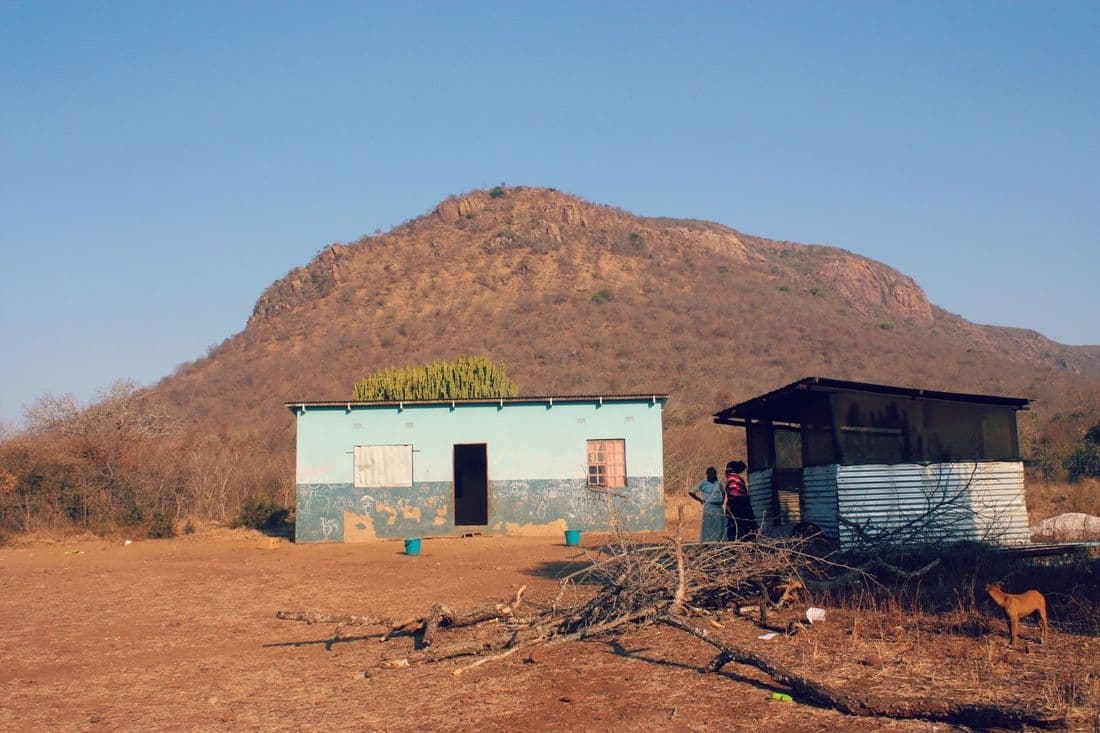
The bus from Manzini rattles along for roughly 111 kilometers of red dust and corrugated iron before it finally exhales into Nsoko. There is no grand arrival arch here, no tourist information center with air conditioning and a laminated map of "Top 10 Experiences." There is just a small town sitting about 190 meters above sea level in the Lubombo region, five kilometers from the South African border. It is the kind of place that makes you question why we treat every destination as a checklist to be completed. In Nsoko, sustainability isn’t a marketing buzzword slapped on a lobby wall; it’s the default state of affairs because there simply isn’t enough foot traffic to destroy it. If you are tired of the performative eco-tourism where you drink a smoothie made from imported avocados while a generator hums in the background, this is your reset button.
Where to Stay Without the Carbon Footprint
Lodging in Nsoko is sparse, which is precisely why it works for the conscious traveler. You won’t find a chain hotel here. The standout option is Nisela Safaris, a specialty lodge that holds the sole spot in its category on Tripadvisor for the area. It represents a model of low-density tourism: fewer guests, more space, less resource waste. While specific nightly rates fluctuate, listings in the region often start around $161 USD per night, a price point that reflects a premium for exclusivity rather than luxury excess. Staying here means your footprint is contained to a small cluster of buildings rather than sprawling across a resort complex that requires constant water pumping and energy generation.
For those seeking a lower-cost option, the town itself offers basic accommodations, though specifics vary widely. The key to sustainable lodging here is choosing locally owned properties over international franchises. When you spend money in a place like Nsoko, it stays in the community. It doesn’t get siphoned off to shareholders in Zurich. The trade-off? Amenities will be modest. Expect simple facilities. The Wi-Fi might be stronger than the signal, and the hot water might depend on the sun being cooperative. But that friction is part of the point. You are trading convenience for connection.
Getting Around: The Reality of Road Travel
Let’s address the elephant in the room: there is no train station in Nsoko. Eswatini Railways operates a 301-kilometer national network, and there have been proposals for a cross-border "Eswatini Rail Link," but none of this touches Nsoko directly. You will be moving by road. The reliance on asphalt here reflects the local geography. The most logical entry point is King Mswati III International Airport, from which you can arrange a transfer or take regional buses toward the south.
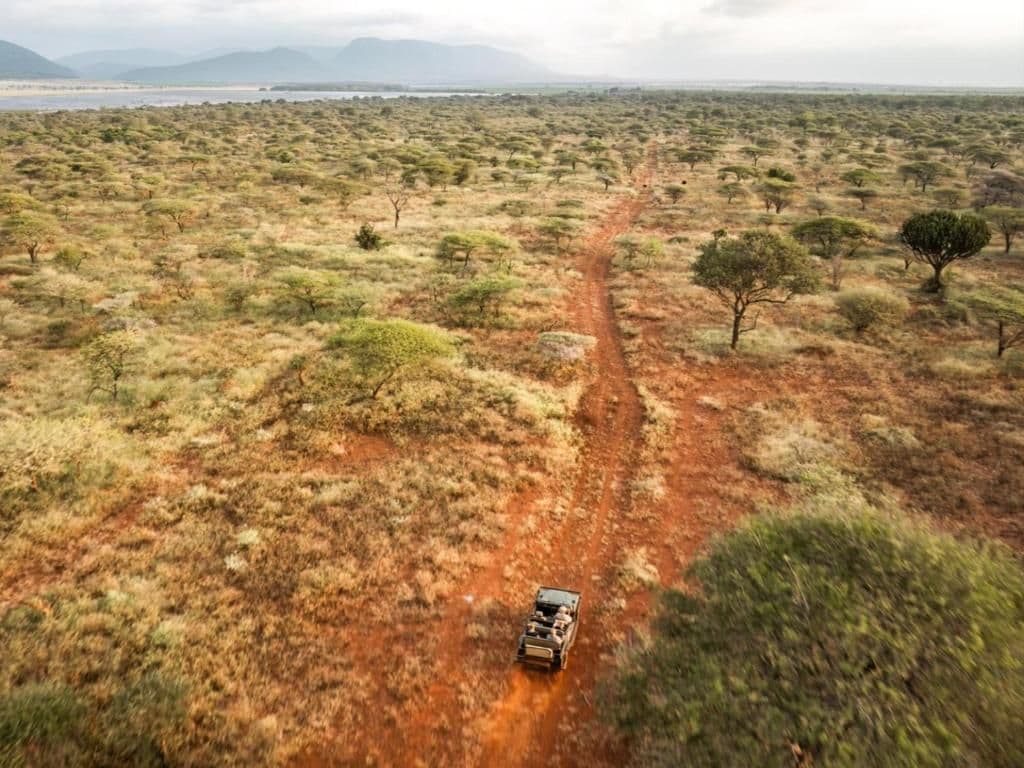
Public transport in this part of the country is basic. Buses are often shared taxis, meaning you wait until the vehicle is full before it departs. It is chaotic, loud, and deeply human. You will share your seat with a goat, a crate of tomatoes, and a stranger who has opinions about your shoes. This mode of travel is inherently sustainable in a carbon-per-passenger sense compared to a private car, provided the vehicle is reasonably maintained. However, fuel efficiency is rarely a priority in these older vehicles. If you are truly committed to minimizing your impact, consider hiring a local driver for a day. It supports the local economy directly and allows you to control the pace. Do not attempt to navigate the rural roads alone if you are unfamiliar with the terrain. The signs are sparse, and the GPS signal can fade into the hills.
Nature Without the Noise
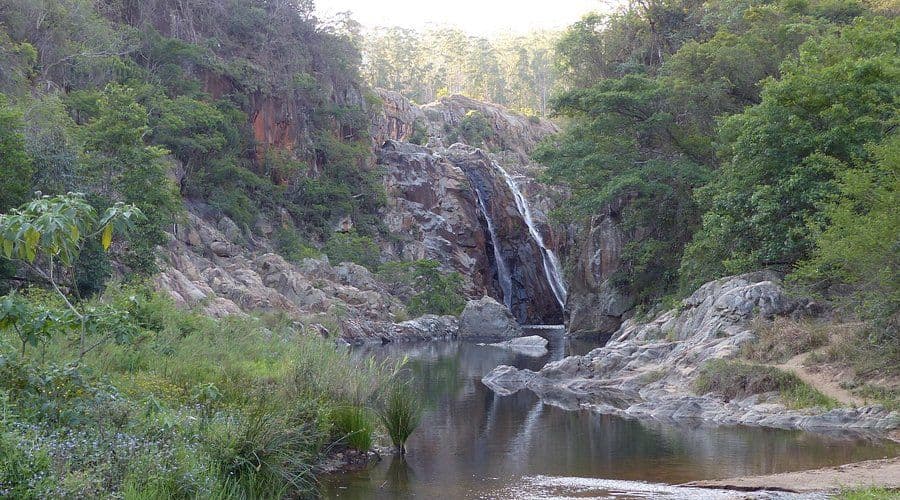
The primary draw to Nsoko is Nondzilo Falls. Described as a top attraction in the area, it is the kind of waterfall that does not need a viewing platform or a gift shop selling keychains. It is a natural feature that exists whether or not you are there to look at it. Visiting it is an exercise in restraint. There are no crowds screaming for photos, no selfie sticks jutting out from the bushes. Just the sound of water hitting rock and the humidity in the air.
This is sustainable tourism in its purest form: consumption without alteration. You look, you listen, you leave. The trail to the falls is unpaved and uneven, which keeps the foot traffic manageable. You are not walking on a manicured boardwalk designed to handle thousands of visitors daily; you are treading lightly on a path that has been worn by locals and the occasional curious visitor. This distinction matters. Mass tourism erodes landscapes. Slow tourism preserves them. By choosing a destination with limited capacity, you contribute to its preservation simply by being a guest who respects the environment rather than a consumer who demands it be modified for their comfort.
Practical Logistics for the Low-Impact Traveler
Money is a straightforward matter. The currency is the Lilangeni, and South African Rand is generally accepted in many border areas, though exchange rates fluctuate. Cash is king in Nsoko. Credit card terminals are rare, and even when present, the power grid may not be reliable enough to process a transaction. Bring small denominations. You will need them for transport, for buying fruit from roadside vendors, and for tipping guides who know the local trails.
Timing is crucial. Official tourism boards do not explicitly define a best season for visiting Nsoko. General wisdom for Eswatini suggests avoiding the peak wet season if you prefer dry roads. The winter months (June to August) offer cooler temperatures, while the summer (December to February) brings heat and rain. Since you are planning for a summer visit, be prepared for humidity and potential downpours. Pack layers. The temperature drops quickly once the sun goes down, even in the warmer months. Also, pack a reusable water bottle. Single-use plastics are a significant issue in rural areas where waste management systems are underdeveloped. Carry your trash out. Leave nothing behind but footprints.
When to Go and Who It’s For
With Independence Day approaching on September 6, 2026, and the observed holiday on September 7, expect higher demand and potential price surges in the coming weeks. If you are traveling in August, you are just before this peak, which is ideal for finding availability without the holiday crowd. For the distant future, Christmas Day (December 25) and Boxing Day (December 26) will see a mix of domestic travelers and international tourists. New Year's Day (January 1, 2027) follows shortly after.
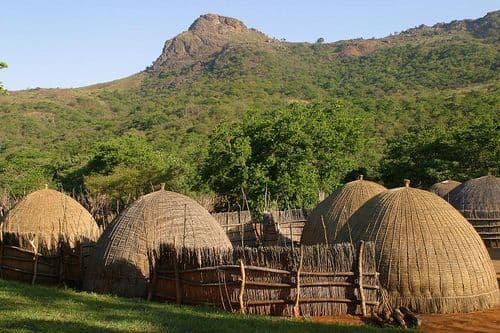
Who is this trip for? The ideal traveler is the solo explorer, the couple, or the small group who values authenticity over amenity. This destination appeals to those who understand that "sustainable" does not mean "spartan." It means "intentional." You are choosing a place that has not yet been commodified by the global tourism machine. That privilege comes with responsibility. Be respectful of the local culture. Ask permission before taking photos of people. Learn a few words in siSwati. The effort goes a long way.
Frequently Asked Questions
Do I need a visa to enter Eswatini? Most nationalities require a visa upon arrival, which costs around $50 USD. However, citizens of certain countries, including some in the SADC region, may be exempt. Check the latest requirements with the Eswatini embassy or consulate before you fly. The rules change, so do not rely on outdated blog posts.
Is Nsoko safe for solo travelers? Generally, yes. It is a small, quiet town. As with any rural area, standard precautions apply: keep valuables hidden, avoid walking alone at night in unlit areas, and be aware of your surroundings. The primary risk involves getting lost on a poorly marked road. Hire a local guide if you plan to explore beyond the immediate town center.
What is the best way to reduce my environmental impact in Nsoko? Stay at locally owned lodges like Nisela Safaris. Use public transport or shared rides where possible. Bring your own water bottle and refuse single-use plastics. Support local vendors. Your spending power is the most direct tool you have to ensure that tourism benefits the community rather than just passing through it.