Forget the neon signs and plastic stools. In Prešov, Slovakia, the "street food" scene is a quiet negotiation between a 14th-century cathedral and a warm bowl of soup.
The Myth of the Neon Sign
You arrive in Prešov, the administrative heart of eastern Slovakia, expecting the chaotic, steam-rolling spectacle of Bangkok or the curated artisanal chaos of Berlin. You do not get it. You get a city that feels like it has been politely holding its breath since the 1500s. The "street food" here functions as a survival strategy against the Central European autumn chill.
The reality is that Prešov does not have a dedicated "food street" in the traditional sense. There are no rows of identical stalls selling identical skewers. Instead, the culinary action happens in the margins: the bakery windows on the periphery of the old town, the coffee stands outside the main squares, and the small, unassuming eateries tucked into the ground floors of the regal townhouses along Hlavná Ulica. This reflects a different rhythm of food culture. In Prešov, you do not hunt for food. You stumble upon it, usually when the temperature drops below ten degrees and your hands need something hot to hold.
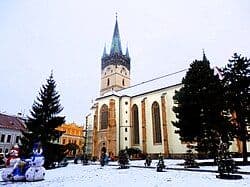
The visual anchor of this experience is the old town itself. Hlavná Ulica cuts through the center, lined with palaces and townhouses that have watched centuries of trade pass by. The architecture is imposing, yes, but the street life is intimate. You will find yourself standing near the Cathedral of St Nicholas, a Gothic structure begun in the mid-1300s and completed in 1515. The stone is cold, the history is deep, but the immediate sensory input is the smell of baking bread drifting from a nearby shop. That scent is the true street food of Prešov: it is ambient, pervasive, and deeply satisfying.
What You Will Actually Eat
Since specific named "street food" stalls are not confirmed in local tourism data, the honest guide focuses on the regional staples that define the area. In eastern Slovakia, the diet is heavy, hearty, and designed for endurance. You are not going to find a "Prešov Special" on a menu. You are going to find the same dishes that fuel farmers and laborers in the Carpathian foothills.
The cornerstone is kyslica. This is a sour soup, typically made from fermented rye flour, potatoes, and sometimes smoked meat or mushrooms. It is not for the faint of heart. It tastes like a rainy day in a cabin, which is exactly the point. It is a comfort food in the most literal sense. If you are walking the cobblestones near the Orthodox Cathedral, a modern construction built after World War II, the contrast between the sleek, contemporary stone and the ancient, sour flavor of a bowl of kyslica is a defining local experience.
Another staple is bryndzové halušky. These are soft, cheese-drenched pasta dumplings, usually topped with fried onions or bacon. They are dense, creamy, and filling. A single plate can end a day’s wandering. You will find this dish in the small, family-run restaurants that operate out of the lower floors of the historic buildings. These dishes serve as the destination rather than food to be eaten while walking. The "street" part is the journey to the table, which often involves navigating the narrow, winding alleys that branch off from the main thoroughfares.
Do not expect a wide variety of options. The menu is short. The portions are large. The service is efficient, if not overly enthusiastic. This place caters to people who want to eat well, cheaply, and without pretense. The food is a reflection of the region: practical, honest, and deeply rooted in agricultural tradition.
Navigating the Old Town
The logistics of eating in Prešov are simple, but the geography requires a bit of orientation. The old town is compact, which is a blessing for walkers. You can cover the entire historic center in an hour, but the food stops are scattered. The key is to identify the "food nodes."
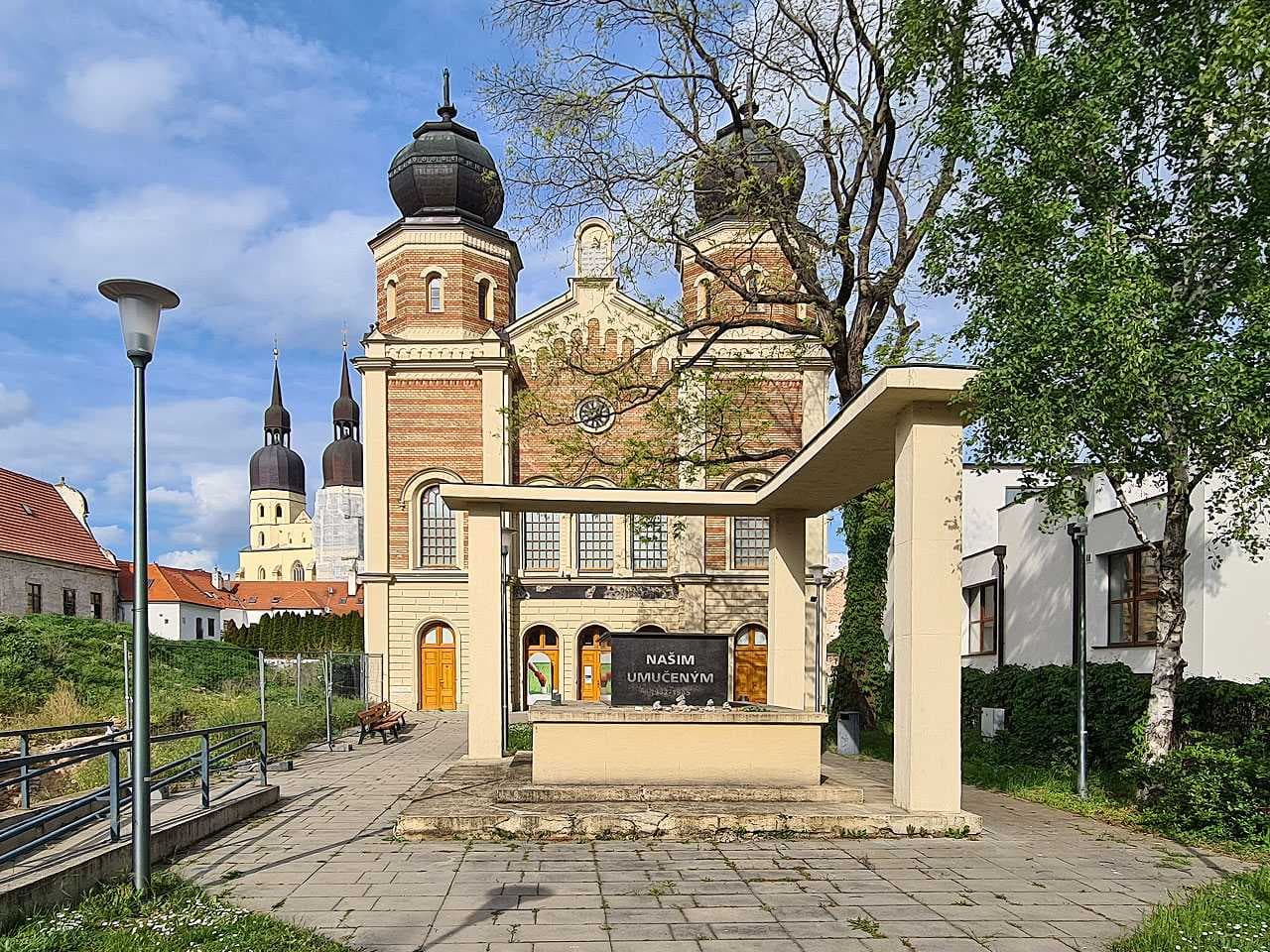
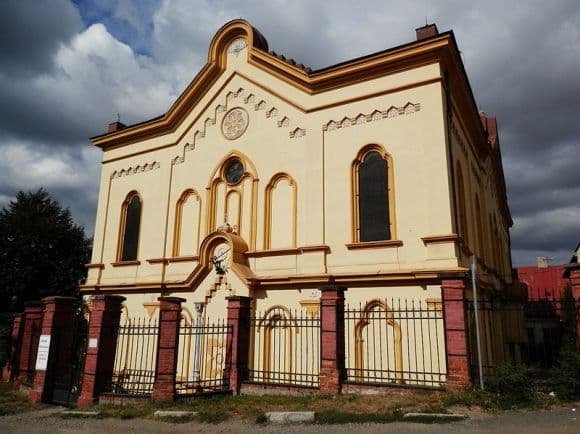
The first node is the area around the Prešov Synagogue, a Neo-Moorish design that stands out against the Gothic and Renaissance backdrop. While the synagogue is a heritage site, the surrounding streets often host small cafes and bakeries. This is a good spot for a midday break. Grab a coffee, a piece of cake, or a simple sandwich. The prices here are modest, typically in the range of 2 to 5 euros for a light meal.
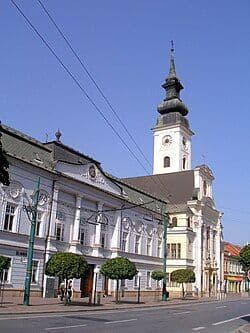
The second node is the vicinity of Rákocziho Palace, a Renaissance residence named for its 17th-century owner, Ferenc Rákóczi II. The palace houses a museum, but the street outside is a hub for tourists and locals alike. You will find small kiosks and cafes here. This is the closest thing Prešov has to a "market" atmosphere. The vendors here are not selling exotic spices or imported gadgets; they are selling local produce, baked goods, and hot drinks. It is a functional, no-nonsense setup.
Finally, the area around the Immaculata Marian Column, a 1751 Jesuit memorial to plague victims, offers a quieter dining experience. The column is inscribed as a Slovak national treasure, and the square around it is often peaceful. The restaurants here are slightly more upscale, catering to those who want a sit-down meal with a view of the historic architecture. The prices are a bit higher, but the atmosphere is calmer.
Practical Details for the Hungry Traveler
Money is easy in Prešov. The currency is the Euro, which simplifies budgeting for international travelers. You will not need to worry about exchange rates or small change. Cash is still preferred in smaller establishments, so keep some 5 and 10 euro notes in your pocket. Cards are accepted in most tourist-facing restaurants, but the small bakeries and kiosks may not have card readers.
Timing is your friend. The "street food" window in Prešov is broad. Breakfast starts early, often before 7 AM, at the local bakeries. Lunch is a serious affair, with most places serving hot meals from 11 AM to 2 PM. Dinner is later, starting around 5 PM and running into the evening. If you are planning a day of wandering, aim for a late lunch. The quality of the food is consistent throughout the day, but the atmosphere is livelier during the lunch rush.
Transit is not a major factor for food hunting, as the old town is walkable. However, if you are arriving from Bratislava, the train is the most efficient option. Prešov Station is served by ZSSK, the Railways of Slovak Republic. Sleeper trains operate on this route, connecting the capital to the east. Tickets can be purchased at the ZSSK website with no booking fee. The journey is long, but it is a good time to plan your food itinerary.
Local Etiquette and Culture
Eating in Prešov is a social act, but a quiet one. Do not expect to be entertained. The servers are there to serve. The locals are there to eat. The etiquette is simple: tip 5 to 10 percent if you dine in a restaurant. For street food or bakery items, rounding up the bill is sufficient.
Language is a barrier, but not a major one. Most people in the tourist areas speak some English, and many speak German or Russian. A few words of Slovak go a long way. "Dobrý deň" (Good day) and "Ďakujem" (Thank you) will earn you a warmer reception. The culture is polite, reserved, and proud. They do not perform hospitality; they practice it.
The local angle is in the simplicity. There is no fuss, no performance. The food is what it is. The history is what it is. The city is what it is. Your job is to observe, eat, and appreciate the quiet dignity of a place that has survived centuries of change without losing its soul.
When to Go and Who It Is For
The best time to visit Prešov for food is autumn. The weather is cool, making hot soups and stews particularly appealing. The crowds are thinner than in summer, and the prices are lower. The next major holiday is All Saints' Day on November 1, 2026. Expect higher demand and crowding around this date, so book early if you plan to visit.
This destination is ideal for slow travelers and food enthusiasts who appreciate authenticity over spectacle. It suits those who want to sit down, eat well, and listen to the silence. The stay should be at least two days to fully absorb the atmosphere.
FAQ
Is Prešov safe for solo travelers? Yes. Prešov is known for being one of the safest cities in Slovakia. The old town is well-lit and patrolled, and the locals are generally friendly and helpful.
Can I get vegetarian food? Yes. Potatoes, bread, and cheese are staples, so there are plenty of vegetarian options. Kyslica can be made vegetarian, and bryndzové halušky are often vegetarian, though you should confirm with the server regarding the meat broth or bacon topping.
How do I get to the food spots? Walk. The old town is compact, and the food spots are within a short distance of each other. Use the landmarks mentioned above, such as the Cathedral of St Nicholas and the Prešov Synagogue, to orient yourself.