Forget the Cairo crowds. Rosetta’s real value is in its Delta craftsmanship, fish markets, and 18th-century trade history, all within a day trip from Alexandria.
The Reality of the Market
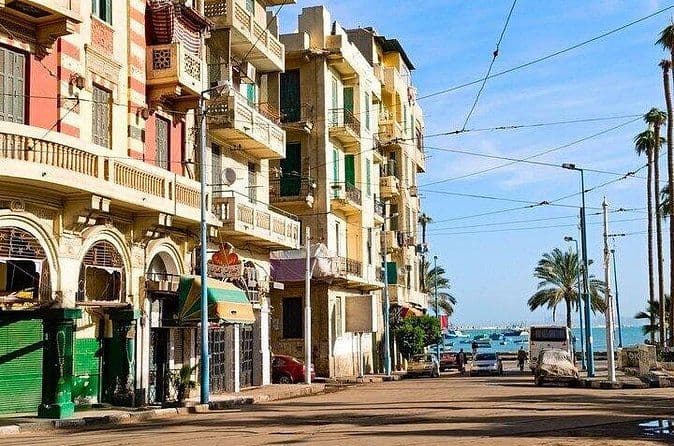
Let’s be clear: Rosetta does not offer a sprawling, neon-lit bazaar with hundreds of stalls selling cheap tourist trinkets. There is no single, named "Grand Bazaar" to point to on a map. The shopping experience here is fragmented, local, and deeply tied to the town’s identity as a historic port in the Nile Delta. You are here to see how the Delta still trades, rather than to buy a mass-produced papyrus scroll. The town, founded around the 9th century on the ancient site of Bolbitine, retains a quieter, more residential commercial rhythm than its larger neighbors. Your "shopping" will likely consist of visiting the local fish markets where the catch is still fresh from the Delta waters, or browsing small workshops and shops that cater to the local population rather than the international tourist. It is a place where the transaction is personal, not transactional.
What to Actually Buy
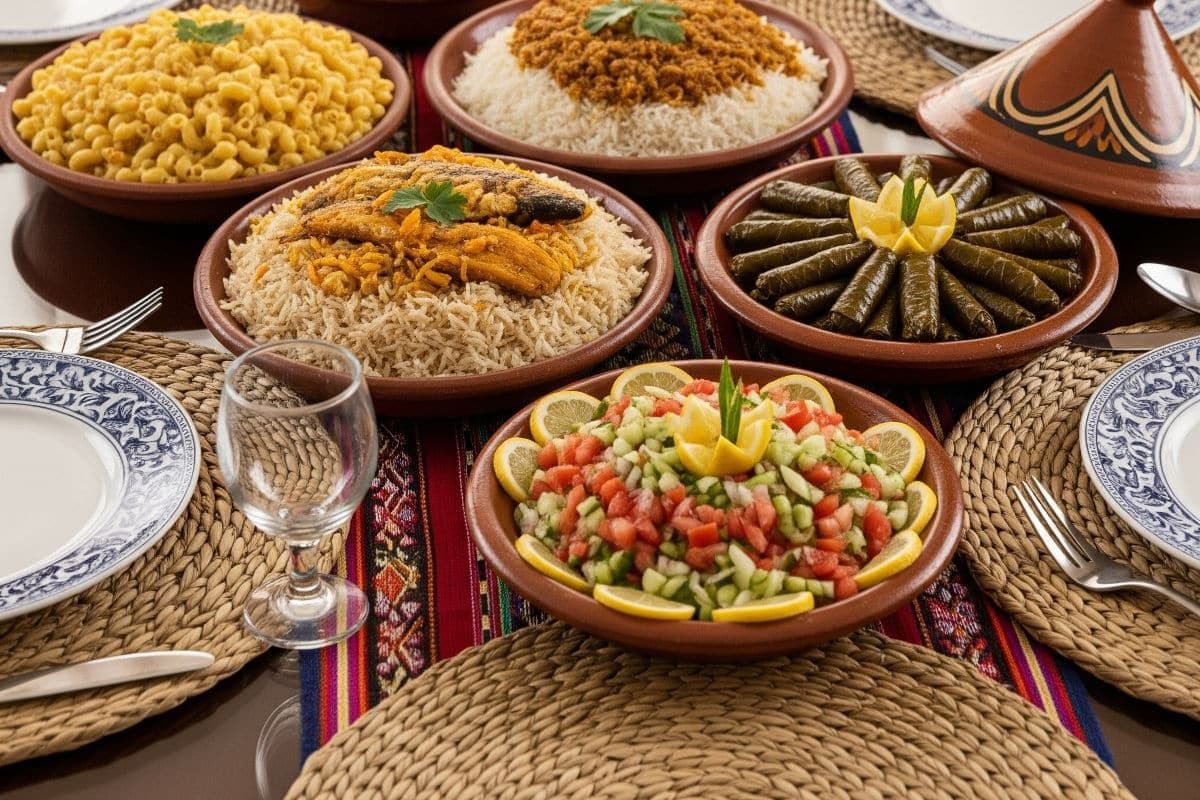
Since there is no confirmed luxury retail district, your focus should shift to two things: food and craft. The food is the primary draw. Rosetta is a coastal city, and the fish here is a different animal than what you’ll find in Cairo. Look for Sayadeya, a classic Delta dish of fish rice cooked with caramelized onions and spices. While the dish itself is a meal rather than a souvenir, the ingredients used to make it—fresh tilapia, Al-Khanini fish, or Al-Fatoura—are the local currency of quality. If you are a foodie, the "shopping" is in sourcing these ingredients from the local vendors. For physical goods, look for small-scale craftsmanship. While specific workshop names are not widely publicized in international guides, the Delta is known for its textile and leather traditions. You will find smaller, family-run shops rather than large galleries. The prices will be lower than in Alexandria or Cairo, but so is the selection. Do not expect to find high-end Egyptian cotton in a pristine boutique; you are more likely to find practical, locally used goods.
Where to Eat (and Taste)
You cannot separate shopping from eating in Rosetta. The town’s culinary identity is its strongest export. The local fish restaurants serve the catch directly from the port, offering a genuine taste of the region. This is where you go to understand the flavor profile of the Delta. The Sayadeya here is a specific preparation, distinct from the rice dishes you might find elsewhere in Egypt. The texture of the rice, the depth of the caramelized onions, and the freshness of the fish are the "products" you are consuming. If you are visiting for the food, this is your primary destination. The atmosphere is designed for locals, which means the service will be direct, the portions will be generous, and the focus will be on the quality of the fish.
Getting There and Money
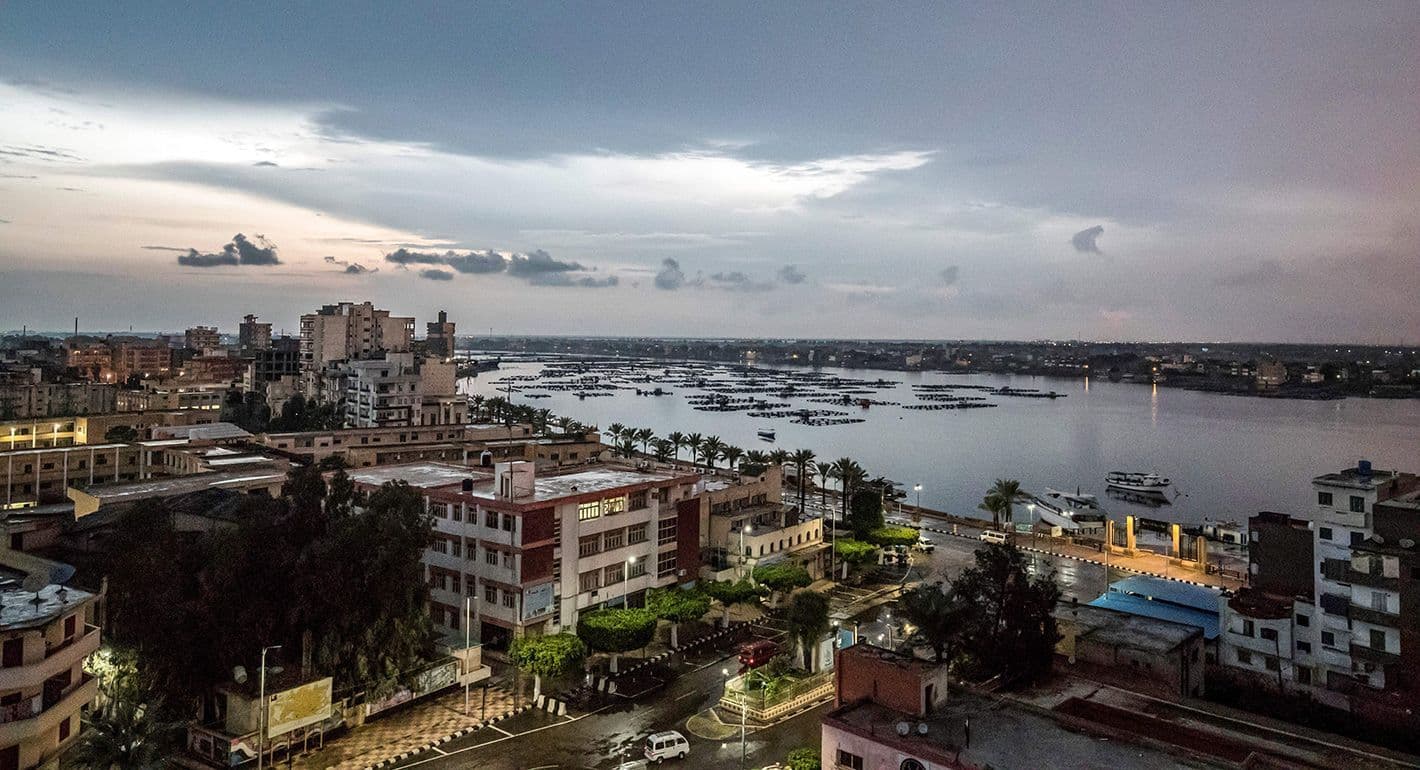
Rosetta is 65 kilometers from Alexandria. This distance makes it a feasible day trip, but you need to manage your time. Travelers typically reach the city via local bus connections from Alexandria or through tour operators based in the larger northern hubs. The direct distance is short, making it an efficient excursion for those staying in Alexandria. Many travelers opt for an over-day tour from Alexandria, where prices for small group tours vary, often ranging from $50 to $100 depending on the operator. This price typically includes transport and often a guide, which is essential in a town where English is not widely spoken in the markets. For money, carry small Egyptian Pounds. The local vendors in the fish markets and small shops will not have change for large bills. Cash is king here.
When to Go and Who It’s For
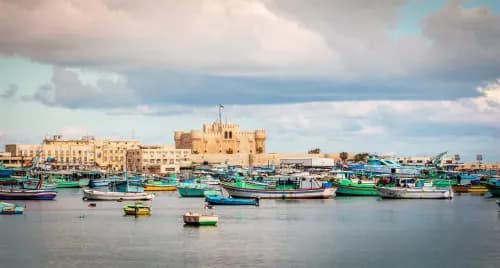
The best time to visit Rosetta is during the cooler months, roughly from October to April. The Delta can be humid and hot in the summer, which makes the experience of walking through the markets and eating fresh fish less appealing. Autumn is a good window, offering milder temperatures. Upcoming holidays to note include New Year’s Day (January 1, 2027) and Coptic Christmas Day (January 7, 2027). These dates will see increased local activity, but Rosetta is not a major international tourist hub, so you are unlikely to face the same crowds as in Cairo or Luxor. This destination is best for the slow traveler, the foodie, or the history buff who wants to see the site of the Rosetta Stone’s discovery (Fort Julien) without the museum crowds. The ideal visitor is the one who wants to understand the Delta’s trade and taste its cuisine, rather than the shopper who wants to fill a suitcase with souvenirs.
Practical FAQ
Is Rosetta safe for tourists? Rosetta is a smaller, local city. While it is generally safe, it is not a major tourist destination. Stick to the main areas, be aware of your surroundings, and use reputable tour operators if you are traveling solo. The local population is accustomed to visitors, but you are not in a heavily patrolled tourist zone like Giza.
Can I buy the Rosetta Stone? No. The Rosetta Stone was discovered in 1799 near Fort Julien, but it has been in the British Museum in London since 1802. You cannot buy it, see it, or touch it in Rosetta. The site of its discovery is a historical landmark, but the artifact itself is not there.
Do I need a visa for Egypt? Visa requirements vary by nationality; travelers should check the latest government travel advisories before departure.