Partido, Dominican Republic, offers a stark, rural romance. Forget resorts; this is about silence, the Artibonite River, and the weight of the border.
The road from Santiago de los Caballeros to Partido does not ask for your attention. It demands it. As the pavement gives way to dirt and the green canopy of the Dajabón Province closes in, the noise of the Caribbean coast fades into a low, persistent hum. This place rejects curated luxury and white-sand illusions. It stands as a municipality on the edge of the map, bordering Haiti, where the air feels heavier and the rules of engagement are simpler. If you seek a romantic escape, you must accept that this destination immerses you in a different kind of order rather than retreating from reality. Romance here is found in the stillness between the border checkpoints and the river, not purchased in a shop.
Partido is often overlooked by those chasing the typical Dominican postcard. Most tourism resources focus on the provincial capital, Dajabón, or the bustling border crossings. Partido itself is quiet. It serves as a holding space for those who need to be somewhere, yet nowhere in particular. For the couple willing to trade convenience for clarity, this region offers a raw, unfiltered experience. The landscape is defined by the Artibonite River valley, a geographic feature that dictates the rhythm of life here. The river does not care about your plans. It flows regardless. Watching it move is a reminder of inevitability.
The Landscape of Silence
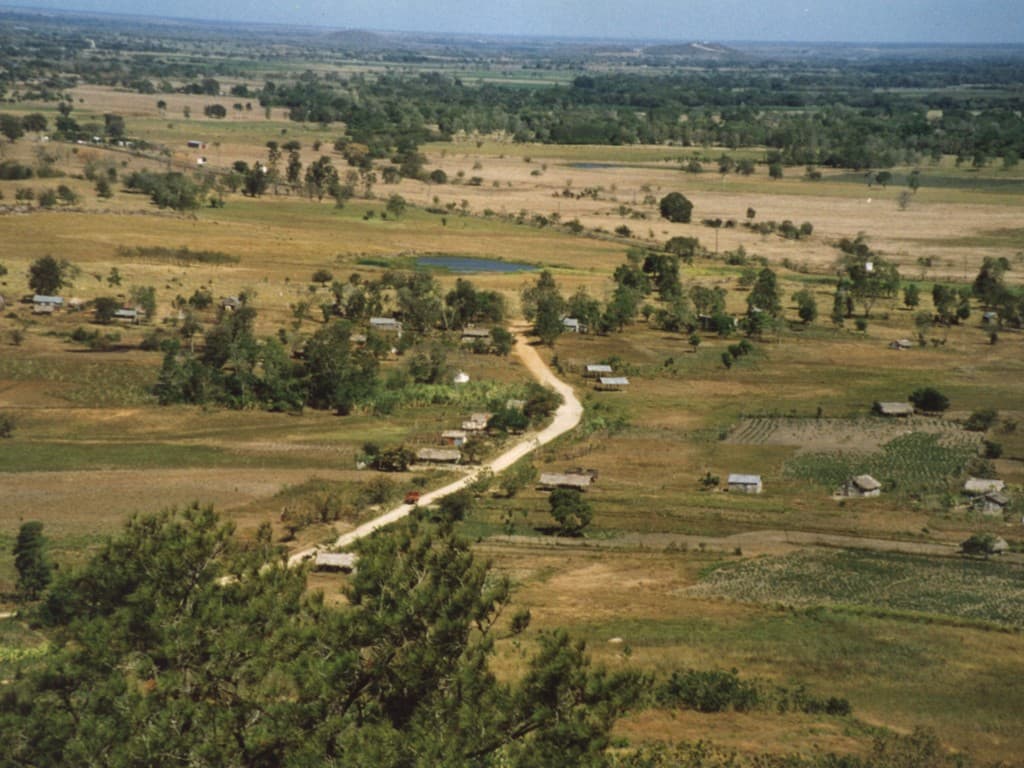
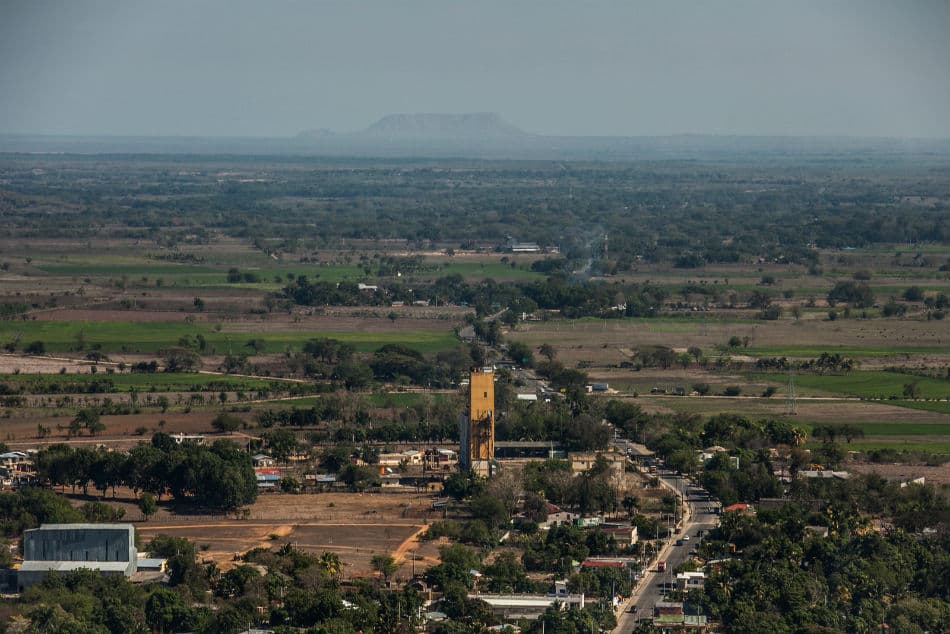
The absence of named landmarks in Partido that appear on tourist brochures reflects the nature of the place. This lack of monuments forces you to look at the environment itself. The terrain is rural, dominated by agricultural land and the rugged beauty of the northwest border region. The view from the main roads is a convergence of green hills and the distant, hazy line of the Haitian border.
This lack of infrastructure is a feature. In a world saturated with noise, the silence of Partido is rare. You will not find crowded markets or lively nightclubs. You will find the sound of wind through the trees and the distant murmur of traffic on the main artery connecting to Dajabón. For a couple, this provides a space to talk, or to sit in comfortable silence, without the pressure of entertainment. The landscape tests your patience. If you can accept the slow pace, it rewards you with a clarity that is difficult to find in more developed areas. The light here is sharp in the dry season, casting long shadows that emphasize the contours of the land.
Where to Stay
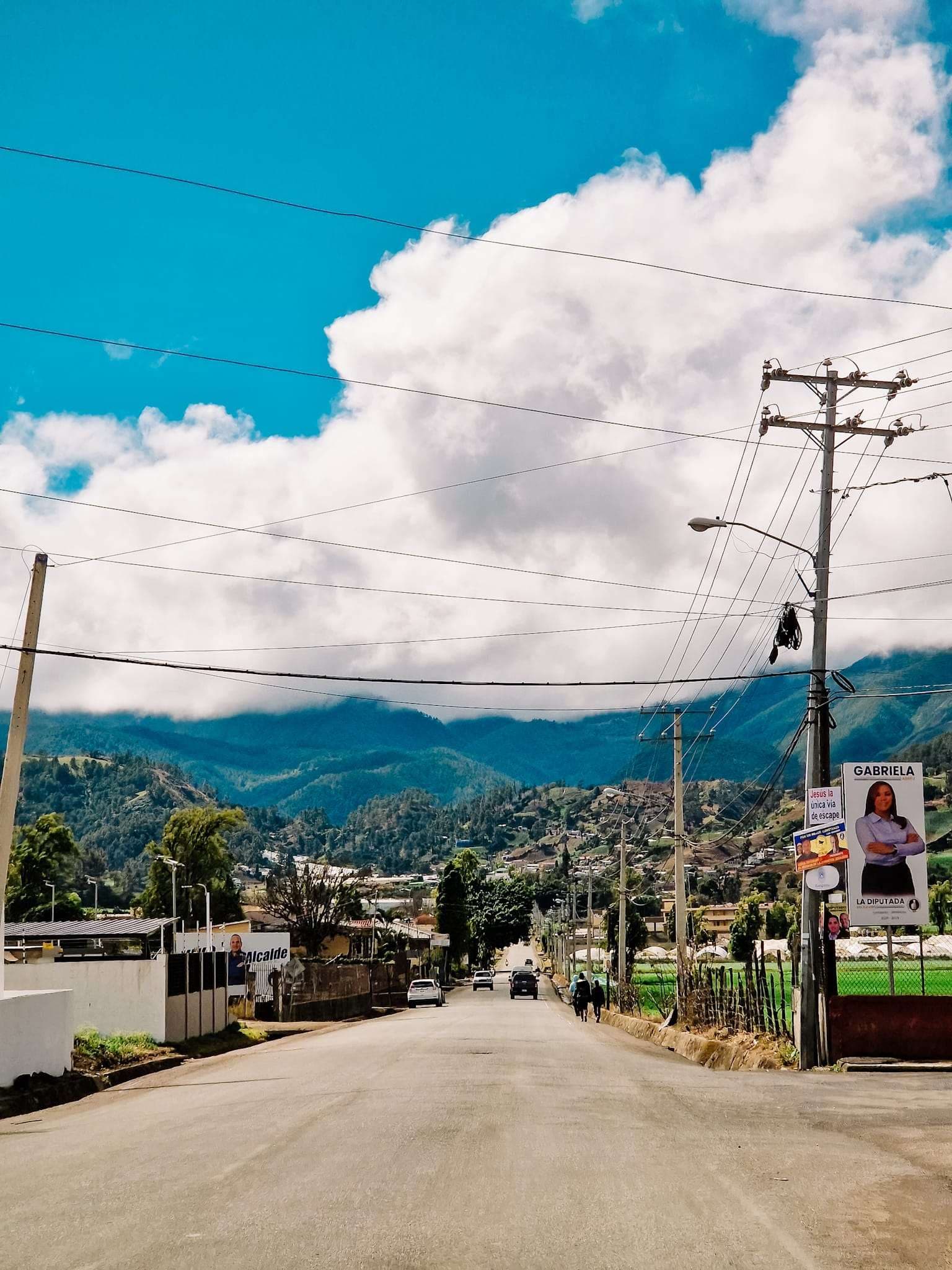
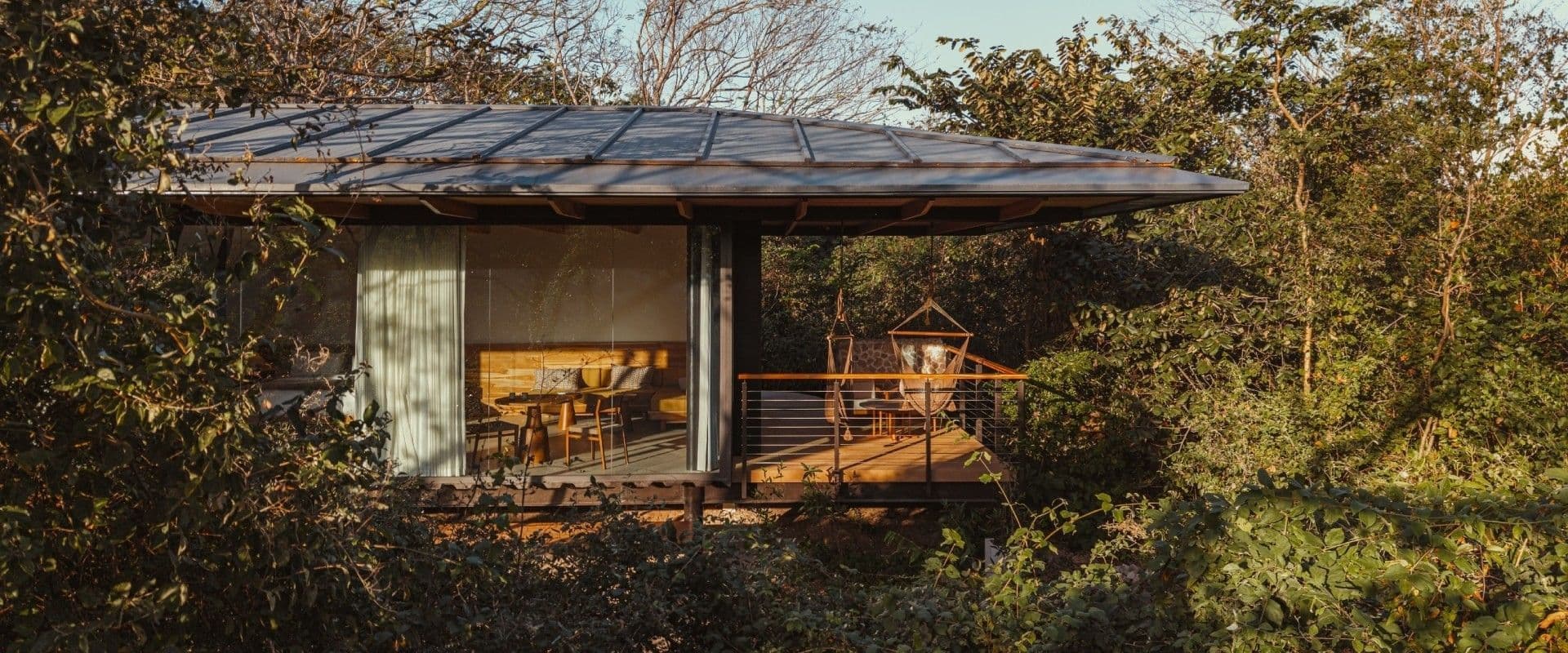
Accommodation options in Partido are limited. There are no major hotel chains or luxury resorts listed in authoritative sources for this specific municipality. Most visitors to the region stay in Dajabón, the provincial capital, or in Santiago de los Caballeros, the nearest major city. If you choose to stay in Partido, you are likely looking at small, family-run guesthouses or rural lodgings. These establishments focus on shelter and local interaction rather than amenities.
Prices in this region are generally lower than in the tourist hubs of Punta Cana or Samaná. You can expect nightly rates to be modest, reflecting the local economy. However, the trade-off is in comfort. Facilities may be basic. Electricity and water might be less reliable than in the cities. This is a test of adaptability. For the romantic traveler, the appeal lies in the simplicity. Sharing a simple meal in a quiet room, far from the grid, can be more intimate than a lavish suite. If specific properties are not listed, ask locals in Dajabón for recommendations. The best options are often those that do not advertise.
Practical Realities
Travel to Partido requires preparation. It is best accessed by road from Santiago de los Caballeros, a journey of approximately 1.5 to 2 hours depending on road conditions. The roads in this remote border region can be rough. Renting a sturdy vehicle is advisable. Public transport is available but infrequent and slow. Buses travel between Santiago and Dajabón, stopping in Partido along the way. The ride is an experience in itself. It is a shared space where strangers sit in silence, bound by the same route.
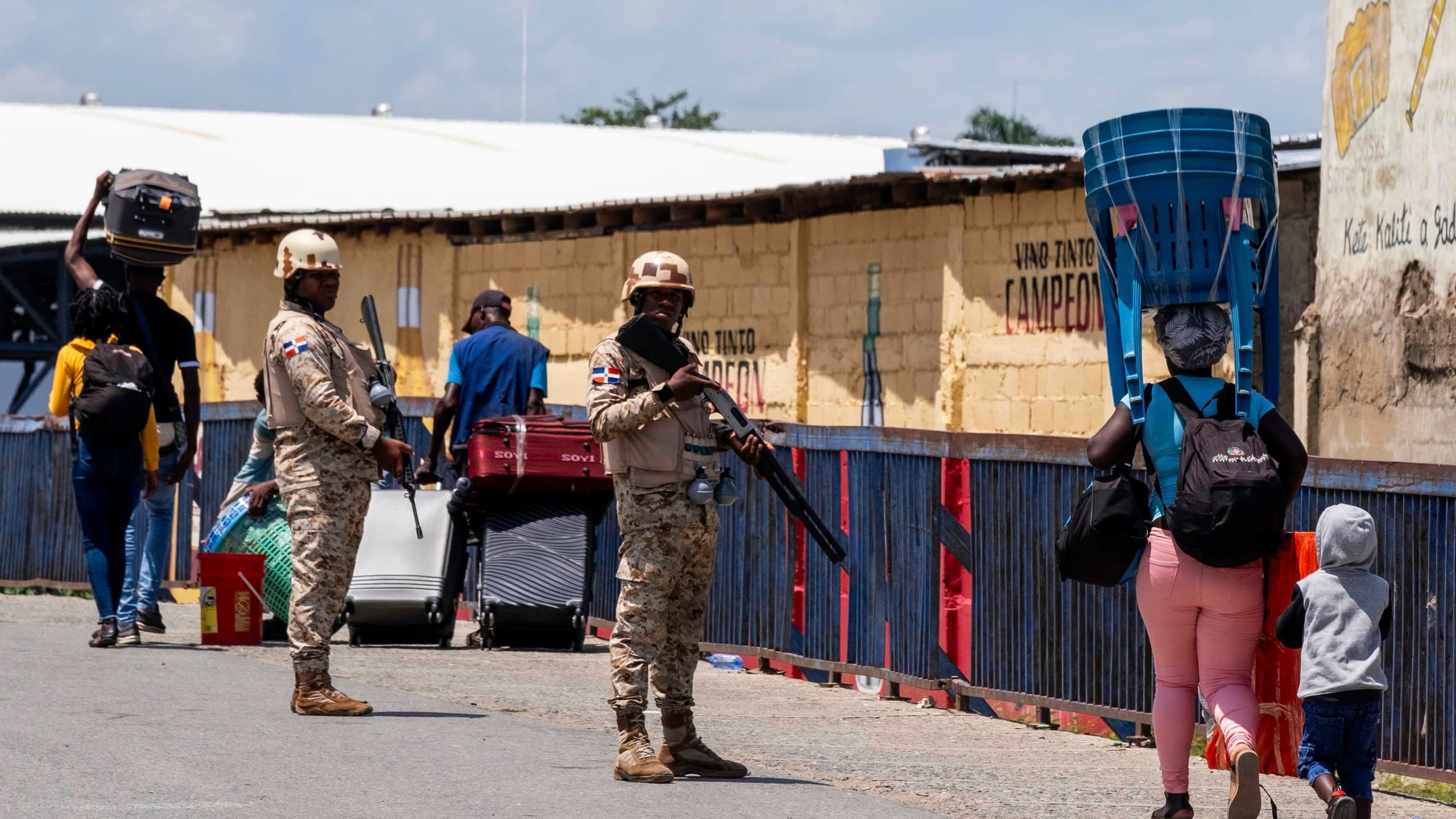
There is no railway service in Partido. The Dominican Republic’s historical rail systems were centered on the north and east coasts. This region is connected by asphalt and dirt. Money is essential. While Dajabón has banks and exchange offices, Partido is more remote. Carry enough Dominican Pesos (DOP) for your stay. ATMs may be scarce. Credit cards are not widely accepted in small establishments. Cash is king here, and it is a reminder of the tangible nature of your transaction. Safety is a concern in border regions. Check current travel advisories before visiting. The border with Haiti is active, and security protocols can change. Respect local laws and customs. Do not wander off the main roads at night. The darkness here is absolute.
Local Angle and Timing
The food in Partido consists of standard Dominican cuisine. You will not find unique local dishes specific to the municipality. Expect Mangu (mashed plantains) and La Bandera (rice, beans, and meat). These are staples, prepared with the same ingredients found throughout the country. The quality depends on the cook, not the location. Eating in a local home or a small roadside eatery is a better experience than seeking out a "restaurant." The food is fuel, but it is also a connection to the people who live here.
The best time to visit is during the dry season, from December to April. The rains can make the rural roads impassable. Mud is a logistical failure, not a romantic obstacle. In the summer months, the heat is intense, and the humidity can be oppressive. If you visit during the dry season, the light is clearer, and the air is more breathable.
Upcoming holidays in the Dominican Republic include Restoration Day on August 16, 2026, Our Lady of Mercedes Day on September 24, 2026, and Constitution Day on November 9, 2026. These dates may see increased travel and crowds. Avoid them if you seek solitude. The next major holiday is Restoration Day. If you plan to visit then, book ahead. The border region can become congested with cross-border traffic. For a romantic getaway, aim for the quiet weeks between these dates. This place is not for everyone. It is for those who do not need to be entertained. It is for couples who understand that romance is about presence, not spectacle. Stay for two or three days. Longer stays require more preparation. Shorter visits may feel rushed. Find the balance that suits your rhythm.
FAQ
Is Partido safe for tourists? Partido is a border region. While generally safe for travelers who stay on main roads and respect local customs, it is not a conventional tourist destination. Check current travel advisories for the Dominican Republic-Haiti border area. Avoid isolated areas at night and keep valuables secure.
How do I get to Partido from Santiago? The most common way is by road. You can rent a car or take a public bus from Santiago de los Caballeros to Dajabón, with stops in Partido. The drive takes approximately 1.5 to 2 hours. Road conditions can vary, so allow extra time.
Are there hotels in Partido? There are no major hotels or resorts in Partido. Accommodation is limited to small guesthouses or rural lodgings. Many visitors choose to stay in Dajabón or Santiago and day-trip to Partido. If you stay in Partido, expect basic facilities. Confirm availability and amenities directly with the provider.